Let's cut to the chase. If you're reading this, you've probably seen that small, tan, lightning-fast insect scuttle under your appliance. Your heart sinks. You know it's not a lone wolf. German cockroaches (Blattella germanica) aren't just a nuisance; they're a full-scale domestic invasion. I've been in pest management for over a decade, and I can tell you most advice online misses the mark. The standard "spray and pray" method fails 9 times out of 10. This guide is different. We're going to talk about strategic elimination, not temporary reprieve.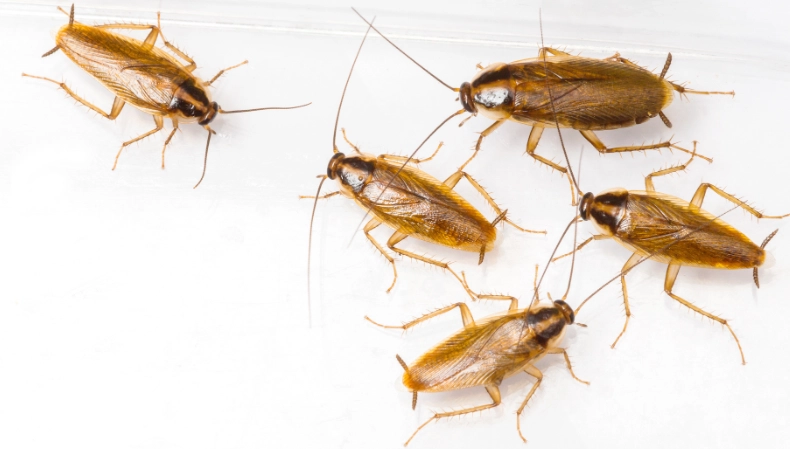
Why are they so bad? They're evolution's perfect pest for human habitats. They reproduce at a staggering rate, hide in spaces thinner than a dime, and can develop resistance to chemicals. But they have a fatal flaw in their biology, and we're going to exploit it.
What You'll Find Inside
Knowing Your Enemy: Spotting a German Roach
First, make sure it's actually a German cockroach. Misidentification leads to the wrong treatment. Here’s the quick ID:
- Size & Color: Small, about 1/2 to 5/8 inch long as an adult. Light brown to tan with two distinctive, parallel dark stripes running from the head to the base of the wings.
- The Tell-Tale Sign: If you see small, dark, pepper-like droppings or tiny, dark, capsule-shaped egg cases (oothecae), you've got active breeding.
- Behavior: They are thigmotactic—meaning they love tight, enclosed spaces where their bodies touch the top and bottom. They're also strongly attracted to warmth and moisture.
I once went to a call where the homeowner was convinced they had "big black water bugs." They'd been using the wrong outdoor insecticide for months. A quick look under the kitchen sink revealed hundreds of German roach nymphs. The "water bugs" were just the adults wandering in from the hidden nursery. Know what you're fighting.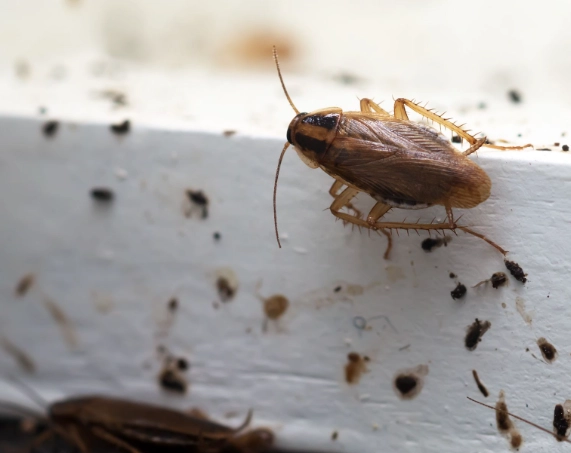
Why They Keep Winning (And Your Current Plan is Failing)
Understanding their advantage is half the battle. Here's where most DIY efforts collapse.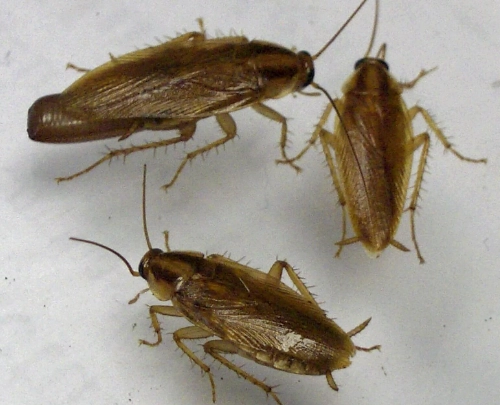
The Reproduction Problem
A single female German cockroach can produce an egg case (containing 30-40 eggs) every few weeks. That one female can theoretically be responsible for up to 30,000 offspring in a single year. You're not killing individuals; you're trying to collapse a population pyramid.
The Hiding Problem
They can flatten their bodies to fit into a crack as thin as 1/16 of an inch. Your spray can't reach there. The ones you see are the tip of the iceberg, often less than 10% of the total population.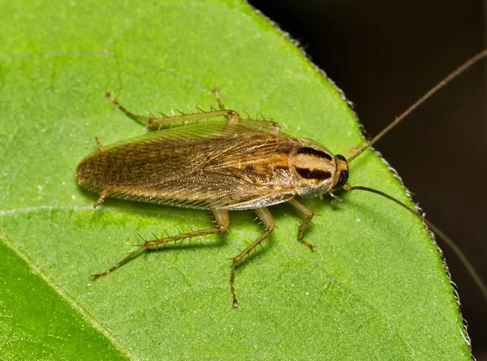
The Resistance Problem
German roaches are champions of adaptation. Studies, like those referenced by the National Center for Biotechnology Information, have documented widespread resistance to common pyrethroid insecticides. That can of spray you bought? They might just walk through it.
The biggest mistake I see? Using repellent sprays. It feels satisfying to spray and see them die, but it's a tactical error. You're scattering the colony, creating sub-colonies in new areas of your home. It's like using a loud noise to scare burglars from your living room into your bedroom and attic.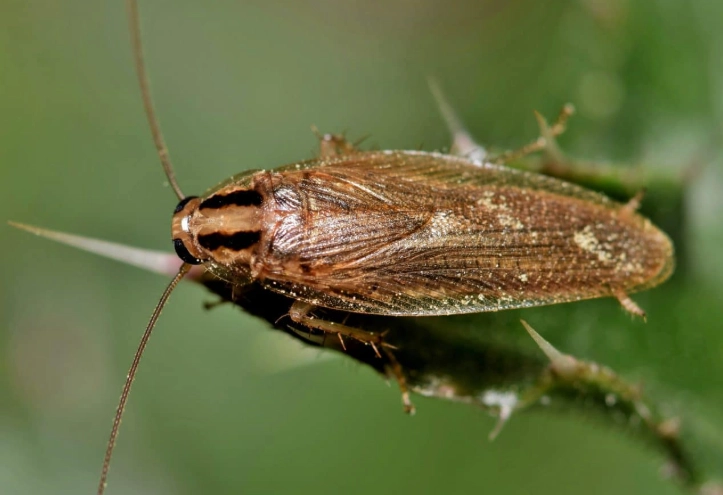
The 4-Phase German Roach Elimination Plan
This is the method professional exterminators use, scaled for a homeowner. It's not a one-day project; it's a campaign over 2-3 weeks.
Phase 1: Inspection and Sanitation (The Foundation)
Don't skip this. Grab a flashlight and a mirror. Make a map of your kitchen and bathroom. Mark every spot you see a roach, dropping, or egg case. Now, clean like you've never cleaned before. This isn't about being tidy; it's about creating a food crisis for them.
- No dishes in the sink overnight. Ever.
- Remove pet food and water bowls at night.
- Wipe down all counters, stovetops, and tables to remove grease.
- Take out the trash daily.
- Fix leaky faucets. They need water more than food.
Phase 2: Strategic Baiting (The Knockout Punch)
This is the core. You need insecticide gel baits (brands like Advion, Invict, or Optigard are professional-grade but available to consumers). Why gel? It's a food source they love and carry back to the nest.
Apply small pea-sized dots of bait—DO NOT smear it. Place them in every location you identified in Phase 1, and in the hidden pathways between them.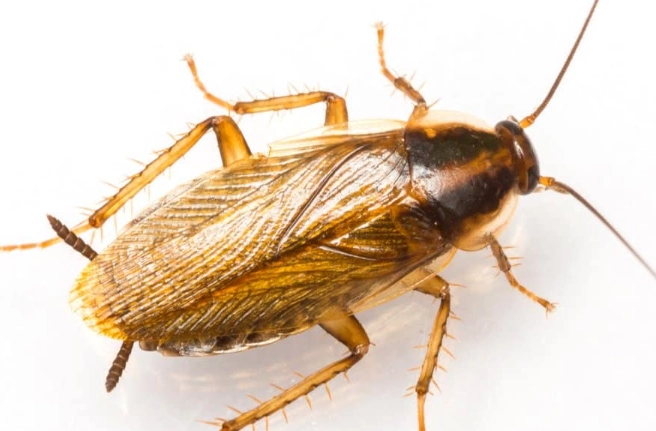
| Primary Baiting Sites | Why It Works |
|---|---|
| Corners inside cabinets | Protected, high-traffic routes |
| Behind the refrigerator & dishwasher | Warmth, moisture, and food debris |
| Under the sink, along pipe runs | Major highway for roach movement |
| Inside electrical outlet boxes (carefully!) | Warm, safe harborage sites |
| Along wall-floor junctions in kitchen/bath | Primary foraging paths |
The magic is secondary poisoning. The foraging roach eats the bait, returns to the nest, and dies. Other roaches, including nymphs, then eat the poisoned corpse and the feces of the poisoned roach, passing the insecticide through the colony. You're killing the ones you never see.
Phase 3: Population Control with IGRs
Add an Insect Growth Regulator (IGR) like Gentrol. This is a hormone mimic that prevents nymphs from maturing into breeding adults and sterilizes adults. It's a slow-acting but critical long-term play. Use it as a spray or point-source dispenser near bait sites.
Phase 4: Monitoring and Follow-up
Don't clean up the bait after a few days. Leave it for 2-3 weeks. Check your bait points. If the bait is being eaten, replenish it. This tells you activity is still happening. After 2-3 weeks of no bait consumption, you're likely in the clear.
The Mistakes That Let Them Come Back
Success isn't just about killing them today; it's about keeping them out tomorrow.
Sealing entry points is overrated for Germans. They usually come in on used appliances, cardboard boxes, or grocery bags, not from the great outdoors. Your focus should be on eliminating interior harborage.
That means caulking cracks in cabinets, sealing gaps around pipes under sinks, and using foam to seal holes behind appliances. You're not keeping them out; you're evicting them from their favorite hiding spots, forcing them to cross your bait lines.
The other major error? Stopping sanitation after the roaches seem gone. You must maintain a level of cleanliness that doesn't offer them an easy meal. It's the permanent change that guarantees they don't find your home appealing again.
LEAVE A REPLY
Your email address will not be published. Required fields are marked *