That loud, crackling buzz near your eaves isn't just any insect. It's the sound of a white faced hornet, one of the most aggressive and formidable social wasps in North America. Officially known as the bald-faced hornet (Dolichovespula maculata), this black and white insect is actually a type of yellowjacket, not a true hornet. But that technicality means nothing when you're dealing with their football-sized nests and painful stings.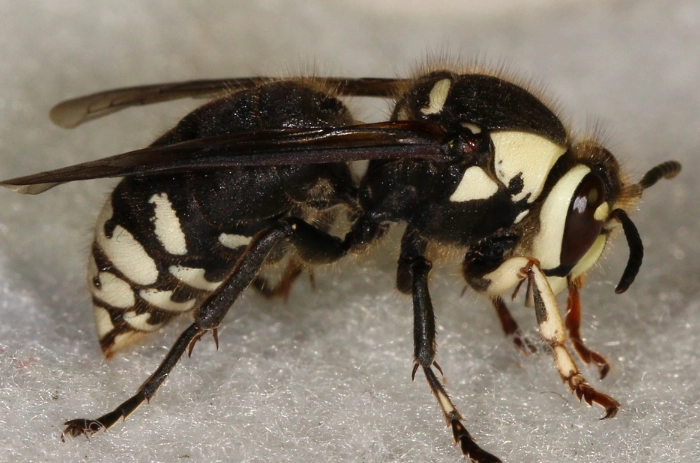
I've watched these insects for years, and the common advice often misses the mark. Most guides tell you to spray at night. But what they don't say is that if you miss the entrance hole with that store-bought can, you're just angering thousands of them in the dark. Let's get past the basics and into what you really need to know to identify, understand, and deal with them safely.
What's Inside: Your Action Plan
What Exactly is a White Faced Hornet?
Don't confuse them with bees or paper wasps. The white faced hornet has a signature look: jet black body with stark white patterns on its face, thorax, and the tip of its abdomen. They're about 3/4 of an inch long. The giveaway is their nest—a large, gray, papery sphere, often the size of a basketball or bigger, usually suspended in the air.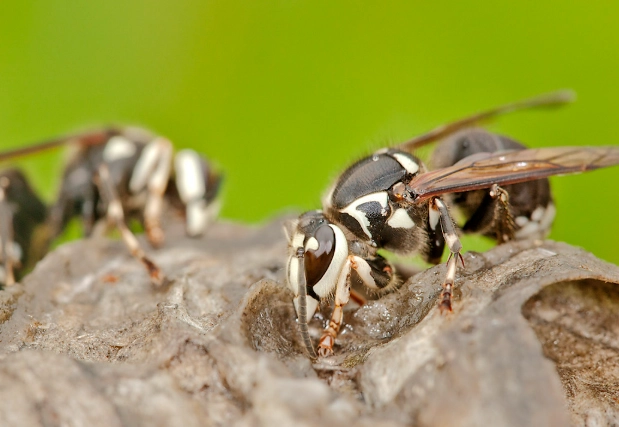
The nest itself is an engineering marvel. A single queen starts it in spring by chewing wood fibers, mixing them with saliva, and building the first few cells. By late summer, that nest can house 400 to 700 workers. I once found a neglected one under a deck that was nearly three feet long.
Here’s a quick comparison so you know what you're dealing with:
| Feature | White Faced Hornet | Honey Bee | Paper Wasp |
|---|---|---|---|
| Body Color | Black with white markings | Golden brown/amber with black stripes | Slender, often brown with yellow markings |
| Nest Appearance | Large, enclosed gray paper sphere | Wax comb inside a cavity (tree, wall) | Small, open-celled comb (umbrella shape) |
| Nest Location | Aerial: trees, shrubs, eaves, poles | Enclosed cavities | Under eaves, porch ceilings |
| Aggression Level | Very High near nest | Low (defensive only) | Moderate (if nest disturbed) |
| Sting Capability | Can sting repeatedly | Stings once (barbed stinger) | Can sting repeatedly |
That last point is critical. Unlike a honey bee, a white faced hornet doesn't die after stinging. It can, and will, come back for more.
The Real Danger: More Than Just a Sting
Everyone fears the sting, and for good reason. It's intensely painful, like a hot nail being driven into your skin. The venom contains acetylcholine, which directly stimulates pain nerves. But the physical pain is just the start.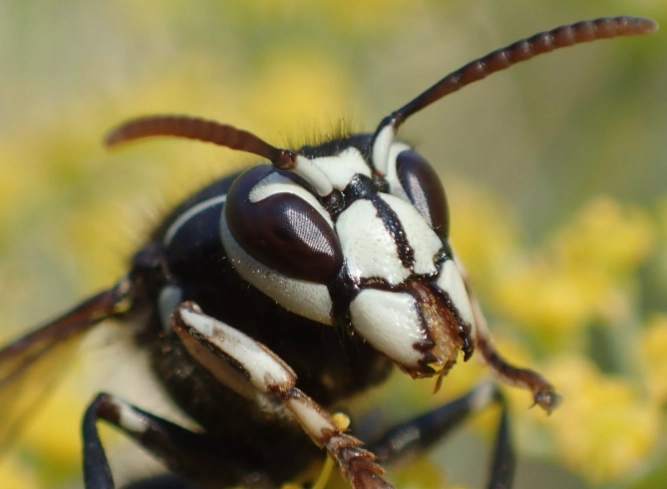
The allergy risk is the game-changer. While most people experience local swelling and pain, some develop a systemic allergic reaction (anaphylaxis). According to the American College of Allergy, Asthma & Immunology, insect stings send over 500,000 people to emergency rooms each year. A sting to the face or neck can cause swelling that obstructs breathing, even without a full-blown allergy.
Their aggression is what sets them apart. Disturb their nest, and they won't just defend it. They will pursue you. I've seen them chase a person for over 100 feet. Their alarm pheromone marks you as a target, directing the entire colony to attack.
Think about your daily routine. A nest above your front door, near the mailbox, or over the garage door sensor becomes a landmine. Every time you pass by, you risk triggering a defensive response.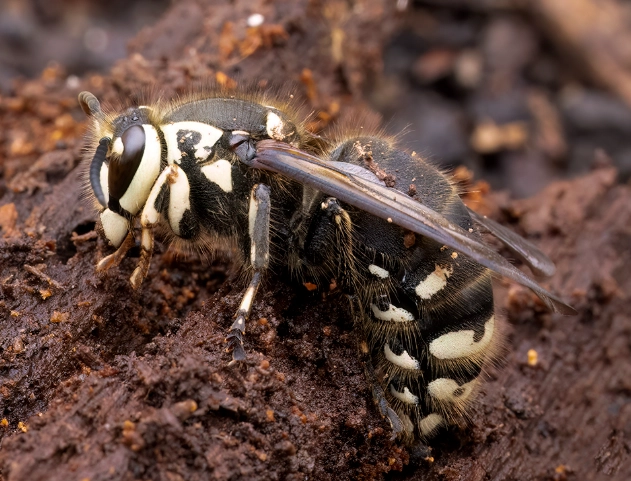
Where to Look: Common Nest Locations (Ranked by Risk)
You can't deal with what you can't find. Nests start small in spring (golf-ball size) and grow through the summer. Here are the spots to check, ordered from most to least problematic:
- On Your Home: Under eaves, soffits, in attic vents, or behind shutters. This is the highest-risk location due to constant human proximity.
- On Outbuildings: Garden sheds, children's playhouses, or dog kennels. Frequent activity near these spots creates repeated conflict.
- In Dense Shrubs or Trees: Often at head-height or lower in thick vegetation. Easy to stumble upon accidentally while gardening.
- On Utility Poles or Fence Posts: Usually higher up and away from daily traffic, posing a lower immediate risk unless you need to work on that fence or line.
Listen for that persistent, loud buzzing in one specific area. Watch for a steady stream of insects flying in and out of a single point. In early summer, look for the small, gray starter nests—that's the easiest and safest time to intervene.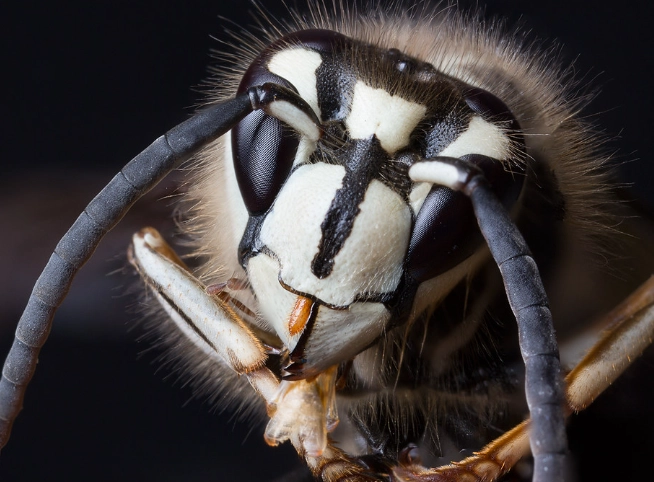
How to Prevent a Nest on Your Property
Stopping a nest before it starts is infinitely easier than removing an active one. The goal is to make your property unattractive to a searching queen in early spring.
Spring Checklist (March-May): Walk the perimeter of your house. Look for gaps in siding, cracks in soffits, and unscreened vents. Seal them with caulk or fine mesh hardware cloth. Pay special attention to areas under decks and porches.
Manage attractants. While they are predators (feeding other insects to their larvae), adult hornets are drawn to sugars. This means:
- Keep garbage can lids tightly sealed and clean.
- Clean up fallen fruit from trees promptly.
- Consider moving hummingbird feeders away from high-traffic areas.
Some people swear by fake nests, but in my experience, their effectiveness is spotty. A determined queen might just build right next to one.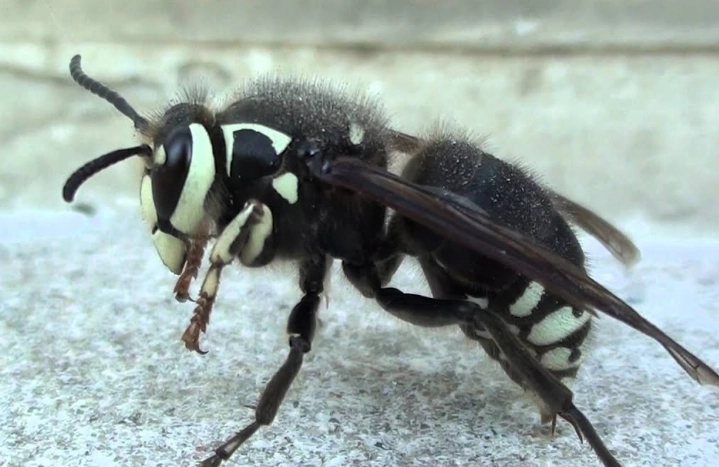
Removing a Nest: DIY vs. Professional Showdown
This is the crossroads. Making the wrong choice here can lead to a hospital visit.
When DIY Might Be an Option
Only consider this if the nest is small (softball-sized or less), easily accessible, and you have no history of allergic reactions. You must also have a full protective suit (not just gloves and glasses), a plan, and the right tool—typically a foaming aerosol wasp spray designed for long-range application.
The classic advice is to treat at night when they are all home and less active. Here's the nuance nobody mentions: if you approach with a light, they will be drawn to it. Use a red-filtered flashlight if possible, and have an escape route. Spray directly into the entrance hole for the time specified on the can. Do not stand directly underneath. Wait at least 24 hours before knocking the nest down.
When to Call a Professional Pest Controller (The Safer Bet)
Call a pro if:
- The nest is large or in a wall void/attic (sprays won't reach the whole colony).
- It's in a high-traffic area (above your front door).
- You or a family member is allergic.
- You simply aren't comfortable with the risk.
Professionals have commercial-grade insecticides and application equipment (like dusts that carriers spread throughout the nest) that are more effective and faster. They also have the experience to handle defensive colonies. The cost typically ranges from $150 to $500, depending on size and location, which is a bargain compared to an ER bill.
I called a pro for a nest inside my porch light fixture. They used a dust formulation, and the activity stopped completely in under 2 hours. Trying to spray that myself would have been a disaster.
LEAVE A REPLY
Your email address will not be published. Required fields are marked *