You see a small, fast roach scurry across your living room wall, not the kitchen floor. It's up high, near a picture frame. You set out bait under the sink, but they keep appearing in the bedroom. Sound familiar? You're likely dealing with the brown-banded cockroach (Supella longipalpa), a master of misdirection that frustrates even seasoned homeowners. Most pest control advice is written for the common German cockroach, and following it for this species is like using a map of New York to navigate Tokyo. This guide cuts through the generic advice and gives you the targeted strategy you need.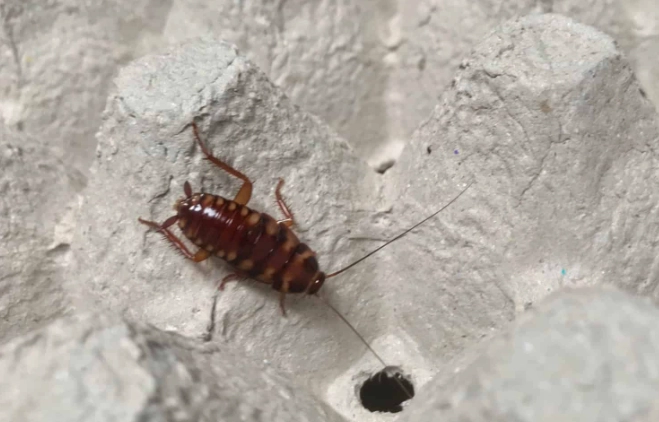
What You'll Find in This Guide
How to Identify Brown-Banded Cockroaches (The Definitive Guide)
Forget the generic "small brown roach" description. Brown-banded cockroaches have distinct signatures that, once you know them, make identification certain.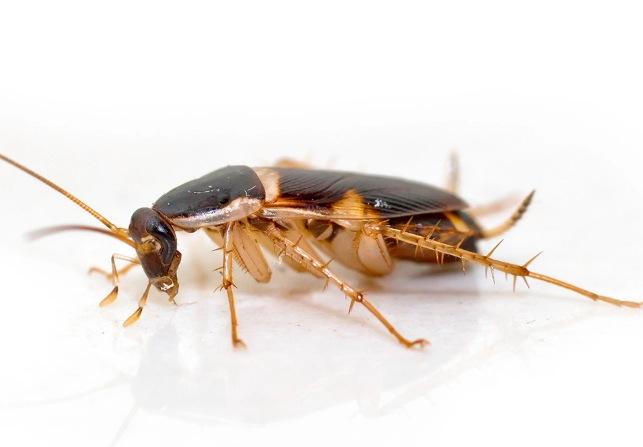
The Two Light Bands: Your Best Clue
Look for two lighter bands or transverse stripes across the dark brown body. On nymphs (the young), these bands are more pronounced and often appear as two bold, light-colored patches across the upper back. On adults, the bands are still visible but may be slightly fainter. This is their namesake and your most reliable visual cue. I can't tell you how many calls I've gotten where people insist they have "baby German roaches" because they're small, only for us to find these tell-tale bands.
Size and Shape: Smaller and More Slender
Adults are small, typically about 10 to 14 mm long (roughly half an inch). That's slightly smaller than a German cockroach adult. Their bodies are more oval and slender compared to the broader, flatter shape of the German roach. Males have wings that cover their entire abdomen and are surprisingly good fliers—a shock if one takes off near your lamp. Females have shorter wings and a broader abdomen.
Behavior and Habitat: The "High and Dry" Experts
This is the critical differentiator. While most roaches crave dampness, brown-bandeds have a strong preference for warm, dry, and elevated locations. You'll find them:
- Behind picture frames, wall hangings, and mirrors.
- Inside the upper areas of cabinets, not just the lower shelves.
- Within electronics (TVs, computer monitors, routers) where residual heat gathers.
- In drawers, bookshelves, and furniture.
- Near ceilings, in light fixtures, and behind loose wallpaper.
I once solved an infestation in an office that was driving everyone mad. The baits in the breakroom did nothing. We found the source: a massive harborage inside a rarely used storage closet, behind a stack of boxes near the ceiling. They were living entirely off paper debris and stray crumbs.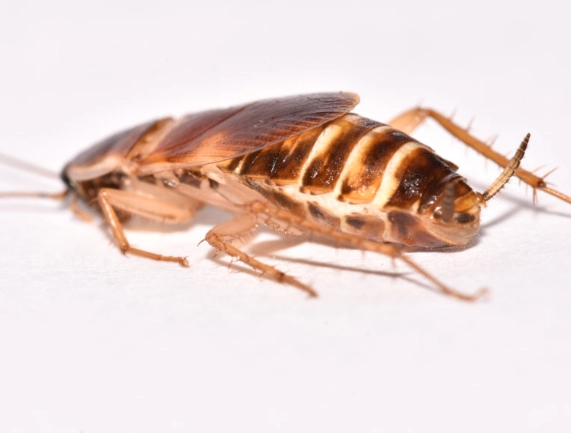
Brown-Banded vs. German Cockroach: Why Getting It Wrong Costs You
Mistaking one for the other leads to failed treatments, wasted money, and growing frustration. German cockroaches are the default assumption for small roaches. Here’s the breakdown you won't find on most pest control sites.
>Two dark, parallel streaks running from head to wings (pronotum).>Usually widespread in conducive areas (entire kitchen).>Using the wrong bait matrix or failing to find all harborages.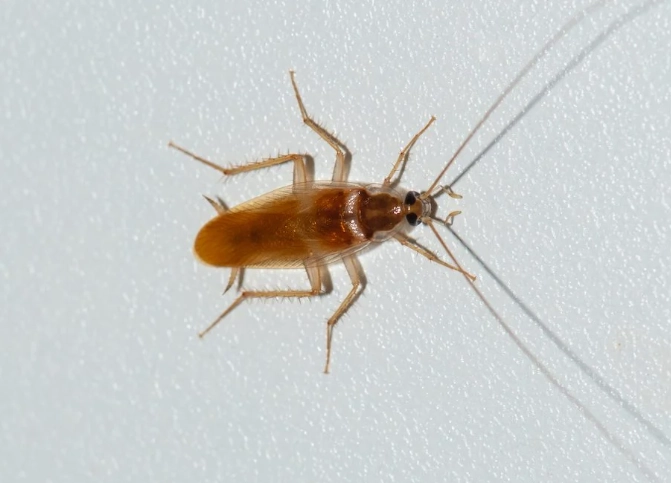
| Feature | Brown-Banded Cockroach | German Cockroach |
|---|---|---|
| Primary Habitat | Warm, dry, elevated areas (living rooms, bedrooms, offices, ceilings). | Warm, moist, near food/water (kitchens, bathrooms, under sinks, appliances). |
| Egg Case (Ootheca) Placement | Glued to surfaces in hidden, protected areas: furniture, drawers, closets, electronics. A huge red flag. | Carried by female until just before hatching, often dropped near harborage. |
| Band/Stripes | Two light bands across wings/body (nymphs & adults). | |
| Infestation Pattern | Can be localized to one room or area, scattered. | |
| Common DIY Failure | Placing baits and traps only in kitchens and bathrooms. |
The egg case placement is a game-changer for diagnosis. Finding those tiny, purse-like brown cases (about 5mm long) glued to the underside of a tabletop or inside a stereo? That's a confirmed brown-banded infestation. It means they're breeding right there.
How to Prevent an Infestation: Closing Their Entry Points
Prevention is about understanding how they get in and what they want. They are excellent hitchhikers and can squeeze through tiny gaps.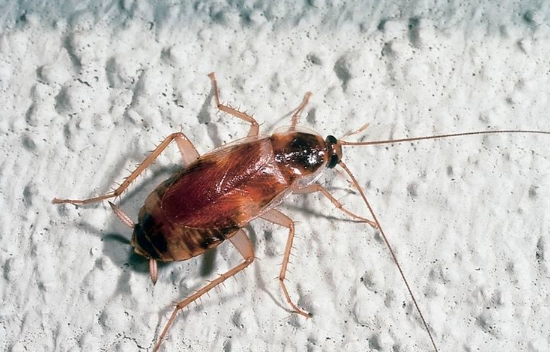
- Inspect Incoming Items: This is the #1 entry point. Thoroughly check second-hand furniture, electronics, boxes, and grocery bags. I've traced infestations to a used bookshelf, a vintage radio, and even a delivery cardboard box stored in a warm closet.
- Seal Cracks and Crevices High and Low: Use caulk to seal gaps around ceiling moldings, light fixtures, wall outlets, pipes entering walls, and where cabinets meet walls. Pay special attention to spaces behind kitchen appliances that vent heat upwards.
- Reduce Clutter, Especially at Height: Declutter shelves, tops of cabinets, and storage closets. They love the protection offered by stacked papers, boxes, and unused items.
- Manage Food and Waste: While not their primary draw, accessible food will sustain them. Store dry goods in sealed containers, avoid leaving pet food out overnight, and take out trash regularly. Vacuum frequently, paying attention to corners and under furniture.
The Elimination Blueprint: A Step-by-Step Plan That Works
If you have an active infestation, a scattered, intelligent approach is needed. Sprays often fail because they don't reach the hidden harborages and can scatter the roaches.
Step 1: The Thorough Inspection (The Most Important Step)
Grab a flashlight and a mirror. You're looking for live roaches, shed skins, droppings (tiny black specks that look like ground pepper), and those glued egg cases. Inspect every room, focusing on the "high and dry" zones listed earlier. Move furniture, check behind and under everything. Mark locations on a notepad or mental map.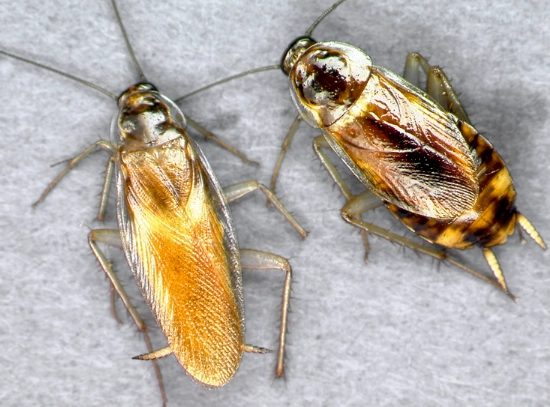
Step 2: Strategic Placement of Baits and Monitors
Use insecticide gel baits. These are ideal because roaches eat the bait, return to their harborage, and die, potentially poisoning others. Place small dabs (pea-sized) in areas you identified:
- Along cabinet hinges and upper corners inside closets.
- Behind picture frames and wall hangings.
- In the corners of drawers and bookshelves.
- Near electronics (avoid direct contact with circuitry).
Place sticky monitors (glue traps) in corners of rooms, behind furniture, and along walls to monitor activity and catch stragglers. They tell you if your treatment is working.
Step 3: Consider Insect Growth Regulators (IGRs)
Products containing Hydroprene or Pyriproxyfen are excellent long-term tools. They disrupt the roaches' life cycle, preventing nymphs from maturing into breeding adults. You can find them as sprays or point-source dispensers. Used in conjunction with baits, they can break the reproductive cycle of a stubborn infestation.
Step 4: Vacuum and Clean
Use a vacuum with a crevice tool to physically remove roaches, egg cases, and droppings from harborages. Immediately dispose of the vacuum bag or empty the canister into a sealed plastic bag and take it outside. This provides immediate population reduction.
Step 5: When to Call a Professional
If after 2-3 weeks of consistent, thorough DIY effort the activity hasn't significantly decreased, call a pro. A professional pest control operator has access to a wider array of tools and, crucially, the experience to find well-hidden harborages. Tell them you suspect brown-bandeds—a good pro will adjust their inspection strategy accordingly.
LEAVE A REPLY
Your email address will not be published. Required fields are marked *