You see one scuttle under the washing machine. It's dark, almost black, and moves with a deliberate, heavy gait—nothing like the quick, light German cockroach. You're dealing with an oriental roach, also called a water bug or black beetle cockroach. Forget the Hollywood image of a cockroach; this one is a creature of damp, decay, and darkness. I've been in pest management for over a decade, and I can tell you most homeowners misdiagnose and mistreat these pests. They think a quick spray will do it. It won't. This guide will show you exactly how to identify them, understand the real (not exaggerated) risks, and implement a control strategy that actually works for the long haul.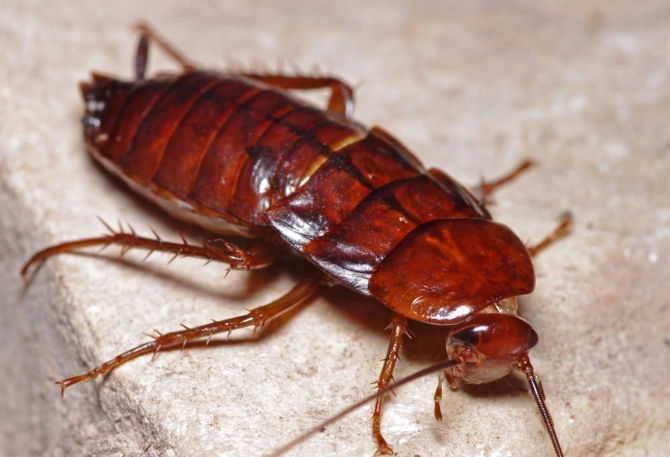
What You'll Find in This Guide
Spot the Difference: Oriental Roach vs. Common Lookalikes
Correct identification is step zero. Get this wrong, and your entire control plan fails. Oriental cockroaches (Blatta orientalis) have a distinct profile.
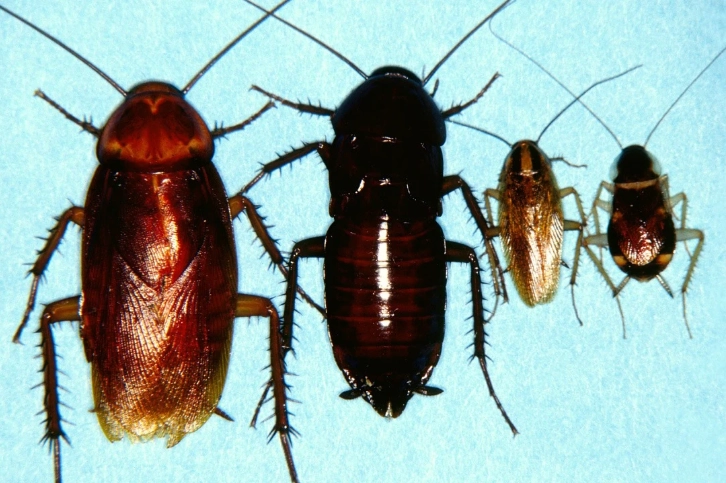
Appearance: Adults are glossy dark brown to black, about 1 to 1.25 inches long. Males have short, stubby wings that cover about 3/4 of their abdomen, but they can't fly. Females have only tiny wing pads—they look almost wingless. Nymphs (young roaches) are smaller and reddish-brown, turning darker with each molt.
Behavior & Habitat: This is the biggest clue. They have a strong preference for cool, damp, and dark places. You'll find them in basements, crawl spaces, floor drains, under sinks, under mulch, in leaf litter, and around garbage storage areas. They are slower movers compared to other roaches. They often travel through sewer pipes and emerge in homes via drains—a fact that freaks people out, rightly so.
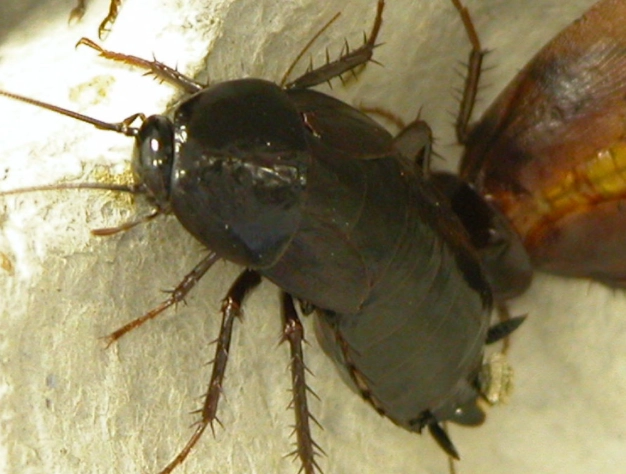
Side-by-Side: Cockroach Identification Cheat Sheet
| Feature | Oriental Cockroach | German Cockroach | American Cockroach |
|---|---|---|---|
| Color | Dark brown to black, glossy | Light tan to brown with two dark stripes | Reddish-brown with a yellowish figure-8 pattern |
| Size | 1 - 1.25 inches | 0.5 - 0.6 inches | 1.5 - 2 inches |
| Wings | Males: short, non-functional. Females: tiny pads. | Fully developed, rarely fly | Fully developed, strong fliers |
| Preferred Habitat | Cool, damp, dark: Basements, drains, mulch | Warm, humid, near food: Kitchens, appliances | Warm, moist: Sewers, basements, steam tunnels |
| Speed | Slow, deliberate | Very fast | Fast, will often fly when startled |
Why They're a Bigger Problem Than You Think
Let's cut through the hype. Oriental roaches aren't going to attack you in your sleep. The primary risk is contamination. Their lifecycle involves feeding on decaying organic matter, garbage, and feces—including in sewers. When they walk across your floor, pantry shelf, or pet's food bowl, they can track in bacteria like E. coli and Salmonella.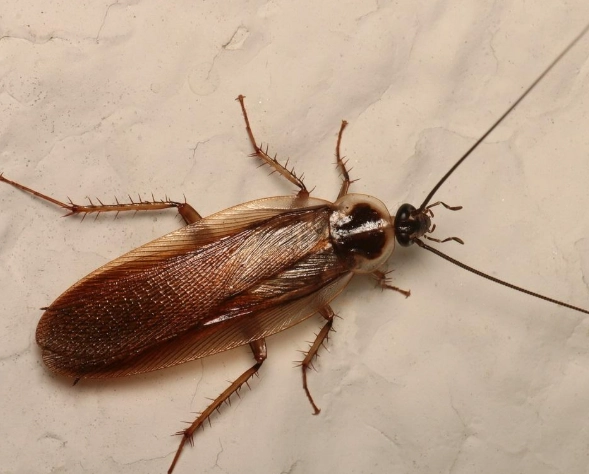
For people with asthma or allergies, their shed skins and feces can become airborne allergens, triggering reactions. The real nuisance, though, is their persistence and the sheer unpleasantness of their chosen habitats. An infestation often points to excess moisture issues in your home, which can lead to other problems like mold.
A study referenced by the National Pest Management Association (NPMA) consistently ranks cockroaches among the top pests of significant public health importance due to their role as disease vectors and asthma triggers.
The 4-Step Elimination Blueprint (Beyond Just Spraying)
Spraying the ones you see is like mopping the floor while the faucet is still running. You have to shut off the source. Here's the integrated approach we use professionally, adapted for a homeowner.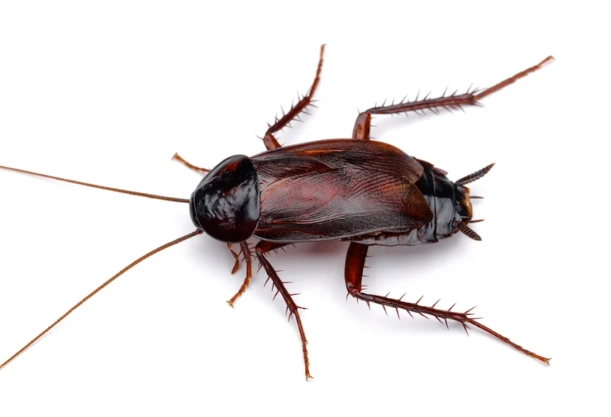
Step 1: Inspection & Sanitation (The Most Important Step)
Grab a flashlight and knee pads. You're going looking in the gross places.
- Outside: Check mulch beds against the foundation, under dense ground cover, around garbage and recycling bins, in compost piles, and in cracks in the sidewalk or driveway.
- Inside: Focus on the perimeter of the basement, inside floor drains (lift the grate), under sinks, around washing machine drains, and in crawl spaces. Look for their dark, cylindrical droppings (like mouse droppings but smaller) and egg cases (oothecae), which are dark brown, pill-shaped, and about 8-10mm long.
Clean up leaf litter, move mulch away from the foundation (keep a 6-inch gravel or bare-soil barrier), and ensure garbage cans have tight lids. Fix leaking outdoor faucets and downspouts that dump water near your foundation.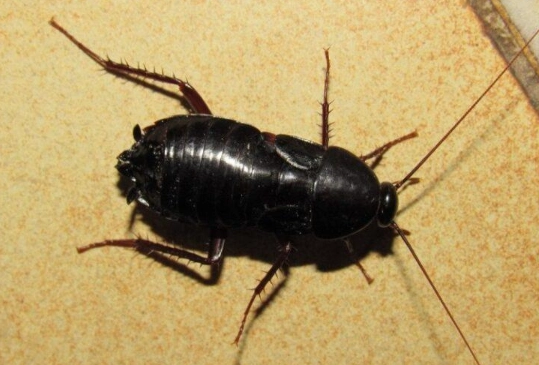
Step 2: Exclusion (Seal Them Out)
This is cheap and incredibly effective. Seal cracks and crevices in the foundation, around utility pipes (where phone, cable, gas, and water lines enter), and around basement windows with a good quality silicone or silicone-latex caulk. For larger gaps around pipes, stuff them with copper mesh or steel wool before caulking over it—roaches won't chew through that.
Install door sweeps on exterior doors, especially basement doors. Ensure basement window wells are clean and the windows seal tightly.
Step 3: Targeted Chemical Control
Now for the products. You need a multi-pronged attack.
- Gel Baits: Place dots of cockroach gel bait (look for brands with ingredients like fipronil, indoxacarb, or hydramethylnon) in areas you've seen activity—under sinks, along basement walls, behind appliances. The roaches eat it, go back to their harborage, and die, often poisoning others through cannibalism.
- Insecticide Dusts: This is the secret weapon for oriental roaches. Apply a thin layer of boric acid powder or diatomaceous earth into wall voids, under appliances, and into cracks around floor drains. The dust clings to their bodies, dehydrates them, and kills them over time. It has a long residual effect. Use a hand duster for application.
- Perimeter Spray: Apply a residual insecticide spray (like those containing bifenthrin or lambda-cyhalothrin) as a band around the outside foundation, around door frames, and around potential entry points. This creates a protective barrier.
Step 4: Moisture Control
Make your home less inviting. Use a dehumidifier in the basement to keep relative humidity below 60%. Ensure all vents (dryer, bathroom, kitchen) exhaust to the outside properly. Fix any plumbing leaks immediately. Improving ventilation is a long-term deterrent.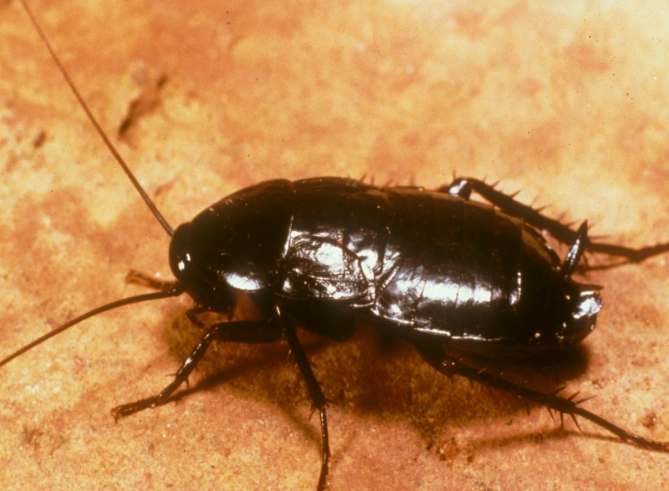
The 3 Most Common Mistakes People Make
I've seen these errors set people back months.
Mistake 1: Only treating indoors. If they're living in the mulch right outside your basement wall, you'll never win. You must treat the harborage sites outdoors as part of your perimeter defense.
Mistake 2: Relying solely on foggers or bug bombs. These are virtually useless against oriental roaches. The insecticide settles on surfaces, but these roaches live in cracks, under objects, and in drains where the fog doesn't penetrate. You're just coating your belongings in chemicals for no good result.
Mistake 3: Ignoring the egg cases. If you kill the adults but leave the dark brown egg cases (each holding 16-18 eggs) untouched, you'll have a new generation in 1-2 months. During cleanup, vacuum up or crush any egg cases you find.
Your Questions, Answered
The key with oriental roaches is shifting your mindset from reactive killing to proactive environmental management. They're a symptom of excess moisture and accessible harborage. Fix the environment, seal them out, use smart, targeted products, and you can reclaim your basement and home from these damp-loving invaders. It takes more effort than just buying a can of spray, but it's the only approach that delivers lasting results.
LEAVE A REPLY
Your email address will not be published. Required fields are marked *