You're grabbing a box from the basement corner, and something large, dark, and spidery launches itself at your face. You jump back, heart pounding. It's not a spider, but a camel cricket—also called a cave cricket or spider cricket. That sudden, erratic jump is their signature move, and it's why so many homeowners find them utterly unsettling. If you're here, you're past the initial shock and want real solutions. I've dealt with these humid-loving pests in old houses for years, and I can tell you the usual internet advice often misses the mark. We're going beyond "set a trap." We're building a system to make your home unlivable for them.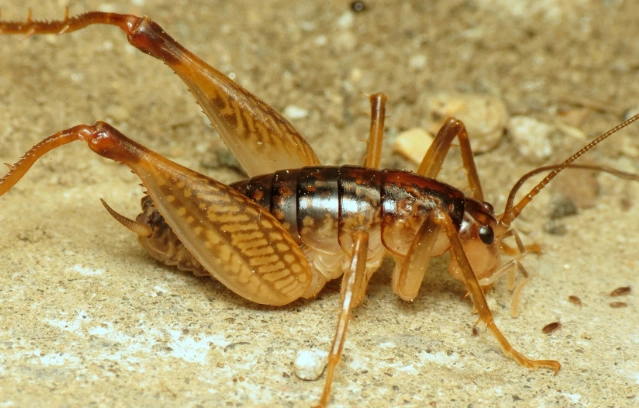
What's Inside?
Know Your Enemy: Is It Really a Camel Cricket?
Correct identification is step zero. Mistaking them for something else leads to the wrong tactics. Camel crickets (*Rhaphidophoridae* family) are distinct.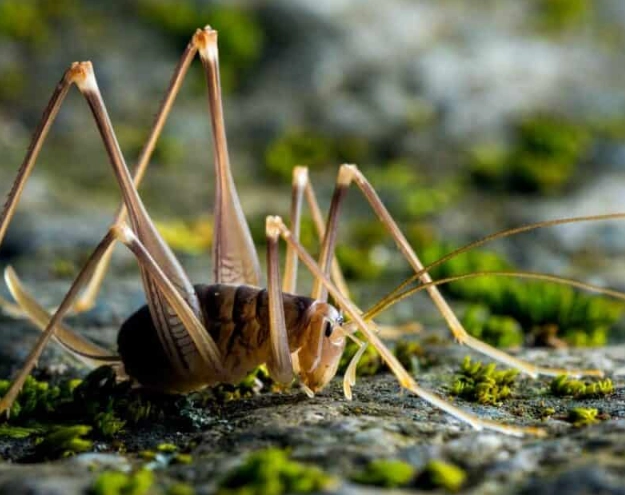
Look for the humped back (that's the "camel" part), long, thread-like antennae often longer than their body, and large, powerful hind legs built for jumping. They range from light tan to very dark brown, almost black, and are wingless. Adults are typically about 1 to 1.5 inches long, not including antennae.
Their behavior is a giveaway. They are nocturnal and photophobic (afraid of light). Turn on a basement light, and you'll see them scatter. They're also cannibalistic, which is a grisly but useful trait we can sometimes exploit in control strategies.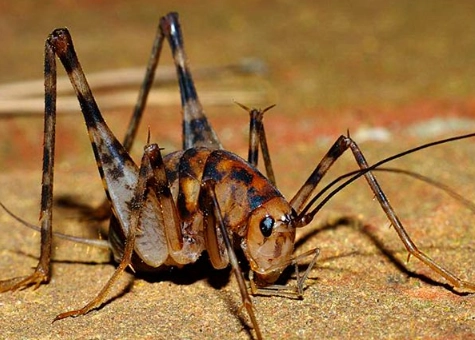
Why They Move In: The Two Things They Can't Live Without
Camel crickets don't wander into your home by accident. They're following a blueprint written in moisture and clutter.
Moisture is the Main Attractant
Their bodies lose water easily. A damp environment is non-negotiable. Common indoor moisture sources include:
- Basement and crawl space humidity: This is ground zero. Poor ventilation, cracked foundation walls letting in soil moisture, and lack of a vapor barrier create a paradise.
- Leaky pipes or condensation: Check around water heaters, HVAC drip pans, and under sinks.
- Clogged gutters and downspouts: This directs water directly against your foundation, raising the moisture level in the surrounding soil and, consequently, your basement walls.
A dehumidifier is your best friend here, but placement matters. Don't just stick it in the middle of the room. Put it in the dampest corner, ideally draining continuously into a floor drain or with a pump.
Harborage is Their Safe House
Moisture brings them in; clutter lets them stay and breed. They hide during the day in:
- Stacks of cardboard boxes (they eat the glue and the cardboard)
- Piles of old newspapers or fabric
- Gaps behind stored items leaning against walls
- Insulation voids in unfinished spaces
I once helped a friend clear out a basement storage room. We moved a pile of flattened boxes that had been sitting on a damp concrete floor for years. Underneath was a seething mass of camel crickets of all sizes—a full-blown nursery. Clearing that harboragesite was more impactful than any spray we could have used.
The Prevention Blueprint: Sealing and Drying Them Out
Prevention is about making your property less attractive than your neighbor's. It's a perimeter defense.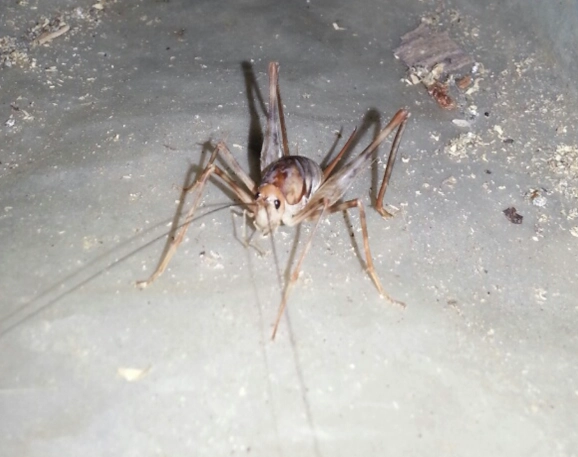
Exterior Work (The First Line of Defense):
- Grade your soil: Ensure the ground slopes away from your foundation. This seems basic, but it's often overlooked.
- Maintain gutters: Keep them clean and extend downspouts at least 5 feet away from the house.
- Seal entry points: Use caulk or expanding foam to seal cracks in the foundation, gaps around utility lines, and spaces around basement window wells. Pay special attention to the basement door threshold—a huge entry point.
- Reduce mulch and vegetation: Keep mulch, leaves, and dense plants away from the immediate foundation. This removes outdoor harborage.
Interior Environment Control (The Final Barrier):
- Run a dehumidifier: Aim for 50% relative humidity or lower. Use a hygrometer to monitor it. This single step can reduce populations by 80%.
- Declutter ruthlessly: Get storage up off the floor on metal shelving. Use plastic totes with tight lids instead of cardboard boxes.
- Improve ventilation: Use fans in damp areas. Consider installing foundation vents if your crawl space is enclosed and damp.
Elimination Strategies: What Works (and What Wastes Time)
You've got an active infestation. Let's talk about direct action. Not all methods are created equal.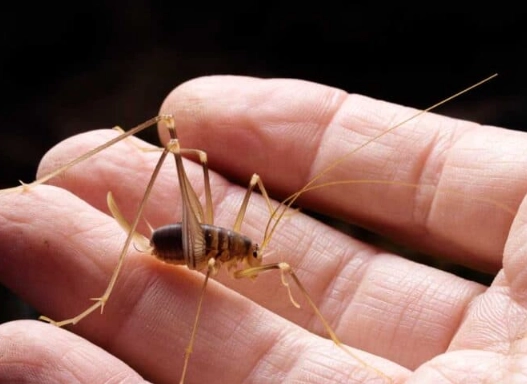
| Method | How It Works | Best Use Case | Limitations & Expert Tip |
|---|---|---|---|
| Sticky Glue Traps | Physical capture on a non-drying adhesive surface. | Monitoring and light infestations. Placing along baseboards, in corners. | Dust and debris ruin them. Place vertically along walls. They show you where the traffic is. |
| Insecticide Baits (Gel or Station) | Contains food attractant and slow-acting insecticide. Crickets eat it, die, and are cannibalized by others, spreading the toxin. | Moderate to heavy infestations, especially in cluttered areas where spraying is hard. | The most effective chemical tool for sustained control. Place in corners, behind appliances. Look for brands with hydramethylnon or indoxacarb. |
| Diatomaceous Earth (DE) | A fine powder made of fossilized algae. It scratches the insect's waxy outer layer, causing them to dehydrate and die. | Dusting into wall voids, cracks, under appliances, and other dry, out-of-the-way areas. | Must be food-grade. It only works when dry. Useless in damp basements unless you've dehumidified first. Wear a mask when applying. |
| Contact Insecticide Sprays | Kills on contact with a residual barrier. | Quick knockdown for visible crickets. Spraying perimeter entry points after sealing. | Doesn't address the source. Overuse can lead to resistance. Often gives a false sense of security. Use as a supplement, not a primary strategy. |
| Vacuuming | Physical removal. | Immediate cleanup of visible crickets. Great for eggs and nymphs in clutter. | Doesn't prevent new ones. Empty the vacuum canister outside immediately, or they'll crawl back out. |
The integrated approach is key. For example: First, declutter and run the dehumidifier for a week. Then, place bait stations in the corners. Dust DE into the gap where the basement wall meets the floor. Use sticky traps to monitor activity. This multi-pronged attack is how you win the war.
Common Mistakes Even Smart Homeowners Make
I've seen these errors undo a lot of good work.
Mistake 1: Only treating the inside. If your foundation perimeter is a wet, cluttered mess, you're just fighting an endless tide. Start outside.
Mistake 2: Using DE in a damp basement. It turns into useless paste. Control the humidity first, then apply it as a defensive barrier in dry cracks and voids.
Mistake 3: Ignoring the cannibalism factor. This is why bait stations are so effective compared to just spraying. A sprayed cricket dies in the open and is avoided. A baited cricket dies in a hidden area and becomes poison food for its kin.
Mistake 4: Storing firewood or mulch right against the house. This is like building a camel cricket hotel with a direct bridge to your foundation. Keep it at least 20 feet away.
Your Camel Cricket Questions, Answered
The path to a camel-cricket-free home isn't about a magic product. It's a process of changing the environment. It takes a weekend of diligent work—clearing, sealing, and setting up controls. But once that system is in place, the peace of mind is worth it. No more jumpscares when you grab the holiday decorations. Just a clean, dry, quiet basement.
LEAVE A REPLY
Your email address will not be published. Required fields are marked *