You see them waddling across the yard at dusk, those little bandit-masked creatures with surprisingly dexterous paws. Maybe they're tipping over your garbage can, or you've spotted one delicately washing something in a puddle. The question pops into your head: what do raccoons eat, anyway? The short answer is: almost anything they can get their paws on. But that "anything" is a fascinating story of adaptation, intelligence, and survival that changes dramatically between a forest and a suburban backyard.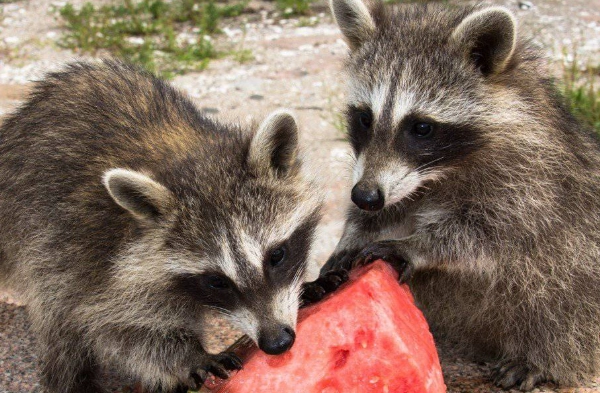
I've spent years observing these animals, both in remote woodlands and as uninvited guests in urban spaces. People often get them wrong. They're not just pests or cute cartoon characters. Understanding their diet is the first step to understanding their behavior, and more importantly, learning how to coexist with them (or gently encourage them to dine elsewhere).
Quick Navigation: What's On The Raccoon Menu?
The Ultimate Opportunist: Anatomy of an Omnivore
Let's start with the basics. Raccoons are classified as omnivores. This isn't just a fancy term for "eats plants and meat." It's a survival strategy built into their very biology. Their teeth tell the story: sharp canines for tearing flesh and crushing exoskeletons, and flat molars for grinding plant matter. Their famous front paws are hyper-sensitive, almost functioning as a second set of eyes underwater or in the dark, allowing them to identify and manipulate food with incredible precision.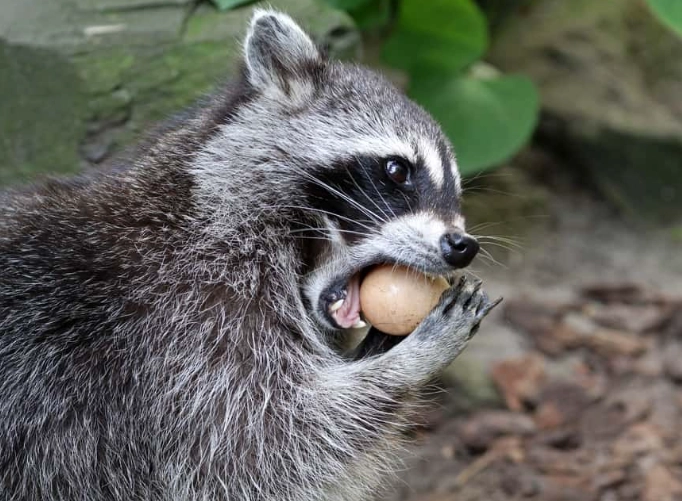
This adaptability is their superpower. Unlike a specialist like a koala (eats only eucalyptus) or a cheetah (needs fresh meat), a raccoon's diet is context-dependent. In a pristine wetland, it's a skilled hunter of crayfish. In your alley, it's a master of the trash can latch. This flexibility is why they've thrived while other species have struggled alongside human expansion.
The Wild Woodland Feast: A Seasonal Buffet
Forget the garbage can. In their natural habitat, a raccoon's diet is a diverse, rotating menu dictated by the seasons. It's a far cry from the monotony of urban leftovers.
Spring and summer are protein-heavy. This is when they're raising young and need high-energy food. They patrol the edges of streams and ponds, feeling under rocks for crayfish, frogs, tadpoles, and aquatic insects. They'll raid bird nests for eggs and nestlings. Insects like grubs, beetles, and worms are dug up from soft earth. It's not all hunting, though. Early berries, tender plants, and grasses supplement the diet.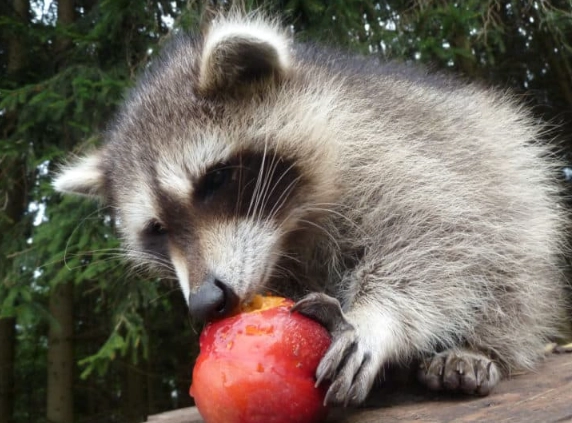
Come fall, the focus shifts. This is the crucial fattening-up period before winter. The animal protein is still there, but the spotlight turns to calories. Nuts become a staple—acorns, hickory nuts, walnuts. Fruits are devoured: wild grapes, persimmons, apples from abandoned orchards. They become expert foragers, climbing trees to reach the best clusters.
Winter is the lean time. In northern climates, raccoons enter a state of torpor, not true hibernation. They sleep for days or weeks in their dens, living off their fat reserves. On milder nights, they'll venture out to scavenge for any remaining nuts, carrion, or dig for dormant insects. Their winter survival hinges entirely on the success of their autumn feast.
| Season | Primary Food Focus | Key Examples |
|---|---|---|
| Spring/Summer | Protein for Growth | Crayfish, frogs, fish, insects, bird eggs, small rodents, berries. |
| Fall | High-Calorie Carbs & Fats | Acorns, nuts (walnut, hickory), fruits (grapes, apples, persimmons), corn. |
| Winter | Scavenging & Fat Reserves | Stored body fat, leftover nuts, carrion, dormant insects. |
The City Slicker Diet: From Garbage to Gourmet
This is where things get messy, literally. The urban and suburban raccoon diet is a testament to their problem-solving skills. Their natural foraging instincts are redirected toward human-provided resources. It's less about what's available in nature and more about what's accessible.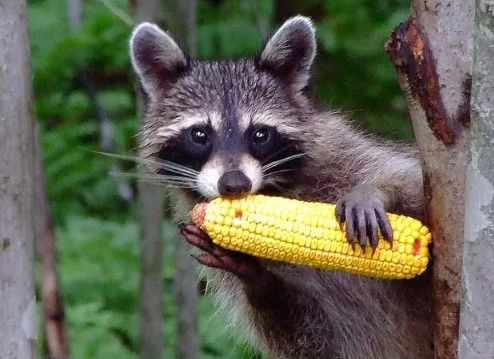
Trash is the number one source. An unsecured bin is a treasure trove: meat scraps, vegetable peels, leftover pizza, moldy bread. They learn the pickup schedule and the weak points of different can designs.
But they don't stop there. Pet food left on porches is an easy, reliable meal. I've watched a raccoon family systematically empty a bowl of dry dog kibble meant for the neighbor's Labrador. Garden crops are a particular favorite—sweet corn is almost irresistible, and they'll take a single bite from multiple ears, ruining the lot. Ripe tomatoes, melons, and strawberries are also on the hit list.
They become adept hunters in this new ecosystem, too. Backyard ponds are seen as personal sushi bars, stocked with expensive koi or goldfish. They'll snatch up slow-moving frogs and their tadpoles. Bird feeders become nut and seed dispensers, either by knocking them down or by cleverly climbing the pole if it's not properly guarded.
The Biggest Mistake: Why Feeding Raccoons Backfires
This is the part where I need to be blunt. Intentionally feeding raccoons, whether out of a misplaced sense of kindness or curiosity, is a terrible idea. It's the single fastest way to create a problem for yourself, your neighbors, and the raccoon.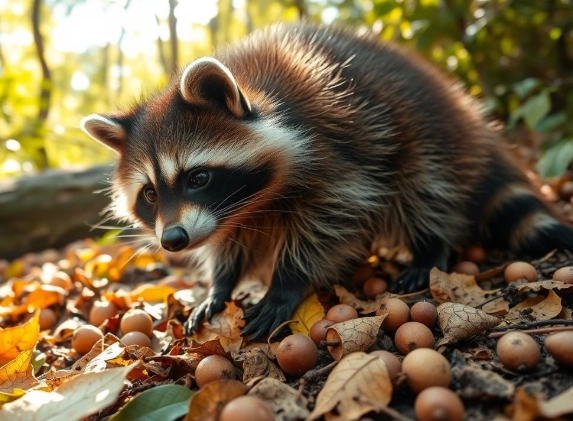
First, it's terrible for their health. A diet of processed bread, lunch meat, or cat food is like a human living on fast food—it leads to obesity, malnutrition, and diseases like metabolic bone disease. Their bodies are built for a varied, seasonal diet.
Second, and more critically, it removes their fear of humans. A raccoon that associates people with food is a raccoon that will get bolder. It might start approaching people, trying to enter homes, or become aggressive if food isn't offered. This almost always ends badly for the raccoon. Wildlife agencies are very clear on this point: a fed raccoon is a dead raccoon, as it often has to be lethally removed for public safety.
It also violates local ordinances in most municipalities. You're not being a friend to wildlife; you're creating a nuisance animal dependent on a harmful food source.
How to Protect Your Property (Humanely)
So, if feeding is off the table, how do you keep them from treating your yard like a 24-hour drive-thru? The key is to make your property less rewarding than the neighbor's. It's about managing attractants.
- Trash War: This is ground zero. Use cans with locking lids or secure the lid with a bungee cord. Don't put cans out the night before pickup. If you have a persistent problem, consider a raccoon-proof bin secured to a post.
- Pet Food Policy: Never leave pet food outdoors overnight. Feed pets indoors, or if you must feed outside, bring the bowl in immediately after they finish.
- Garden Defense: For sweet corn, try planting squash around the base—the prickly vines can deter them. Use sturdy fencing, buried at least 6 inches deep to prevent digging. Motion-activated sprinklers (like the ScareCrow) are brilliantly effective—they startle the raccoon without harming it.
- Pond Protection: Use wire mesh covers over ponds. Create steep sides or use a wire grid just below the water's surface to block access. Remove overhanging branches they use as bridges.
- Bird Feeder Strategy: Use feeders on poles with a baffle—a wide, slippery dome or cylinder that prevents climbing. Place feeders at least 10 feet away from any structure they can jump from.
The goal isn't to starve them, but to encourage them to use their natural skills to find food elsewhere. A hungry raccoon is a motivated raccoon, and it will quickly move on to an easier target.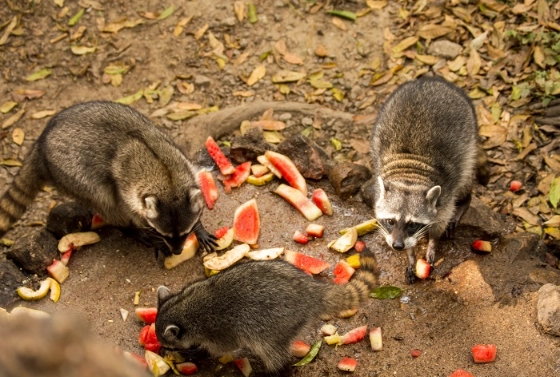
Your Raccoon Diet Questions, Answered
Is it safe to feed raccoons cat food or dog food?
What should I do if I find a baby raccoon that seems abandoned?
How can I stop raccoons from eating the fish in my backyard pond?
Can raccoons eat chocolate or grapes? Are they poisonous like for dogs?
Understanding what raccoons eat is more than trivia. It's the foundation for understanding their behavior, their incredible adaptability, and how our own actions shape our interactions with them. From the crayfish-rich streams of a forest to the overflowing dumpster behind a restaurant, the raccoon's menu is a map of its world. By securing our trash and removing easy meals, we allow them to be the wild, intelligent omnivores they are meant to be, foraging at a healthy distance from our back doors.
For more detailed information on raccoon biology and ethical wildlife conflict resolution, resources from organizations like the National Wildlife Federation or your state's Department of Natural Resources are invaluable.
LEAVE A REPLY
Your email address will not be published. Required fields are marked *