I was pruning my tomatoes last summer when a fat, fuzzy bumblebee buzzed right past my ear. My first instinct was to duck—but then I stopped. That bee wasn't interested in me; it was diving into a flower, doing its job. That moment got me thinking: how much do we really know about bumblebees beyond the occasional scare? Turns out, not enough. These creatures are more than just garden visitors; they're ecological powerhouses with quirks most people miss. Let's cut through the noise and get practical.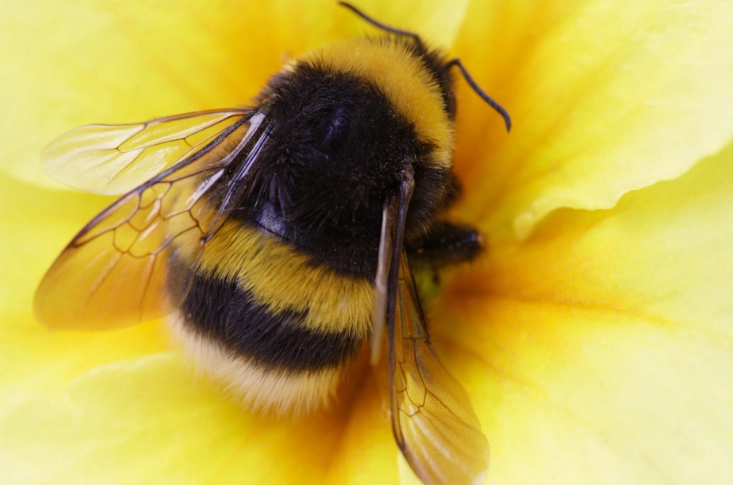
Jump to What Interests You
- What Are Bumblebees and Why Do They Matter?
- How to Identify Bumblebees: Key Features and Common Mistakes
- The Surprising Benefits of Bumblebees in Your Garden
- How to Attract Bumblebees Safely: A Step-by-Step Guide
- Dealing with Bumblebees: Prevention and Safety Measures
- Bumblebee Conservation: What You Can Do to Help
- Frequently Asked Questions
What Are Bumblebees and Why Do They Matter?
Bumblebees are social insects belonging to the genus Bombus. Unlike honeybees, they form small colonies that last only a season—usually a few hundred individuals at most. What makes them special? They're cold-weather champions. I've seen them foraging on chilly spring mornings when other bees are still tucked away. This ability comes from their furry bodies that trap heat, allowing them to pollinate crops like blueberries and tomatoes in conditions where honeybees fail.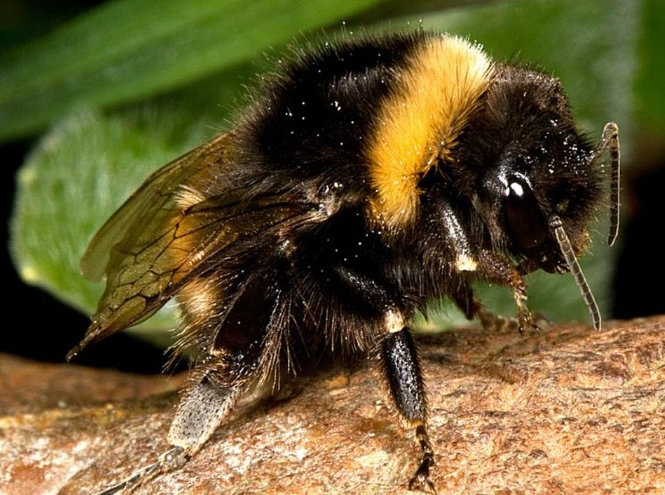
Their ecological role is huge. According to the Xerces Society for Invertebrate Conservation, bumblebees are key pollinators for both wild plants and agricultural systems. They practice "buzz pollination," where they vibrate their flight muscles to shake pollen loose from flowers. This is crucial for plants like peppers and eggplants. Without bumblebees, our gardens and farms would look very different.
Here's something most guides don't mention: bumblebee colonies have a natural lifecycle. They start with a single queen in spring, peak in summer, and die off by fall. Only new queens survive to hibernate. This means if you find a nest, it's temporary—panic often leads to unnecessary destruction.
How to Identify Bumblebees: Key Features and Common Mistakes
Spotting a bumblebee isn't hard once you know what to look for. But I've lost count of how many times friends have pointed to a carpenter bee or even a hoverfly and called it a bumblebee. Let's clear that up.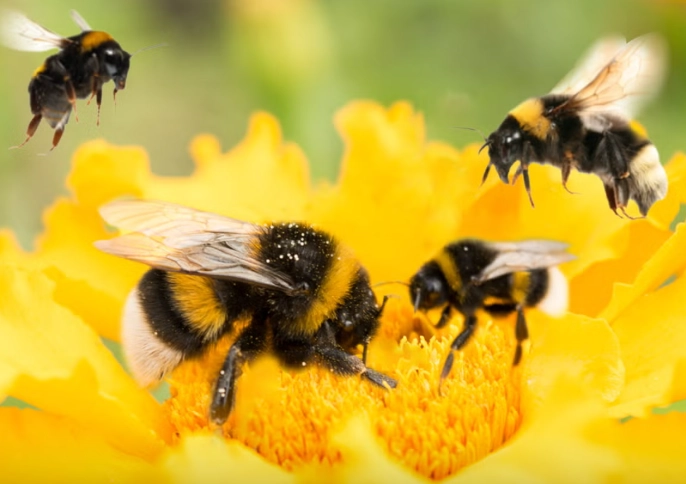
Physical Characteristics
Bumblebees are robust and hairy. Their bodies are covered in dense setae (that's fancy for hair), which gives them a fuzzy appearance. Colors vary: common patterns include black with yellow bands, but some species have orange or red. Size-wise, they range from 0.4 to 1 inch—queens are the largest.
A quick tip: if it looks like a tiny, flying teddy bear, it's probably a bumblebee. Honeybees are smoother and more streamlined.
Common Confusions
People often mix up bumblebees with carpenter bees. Carpenter bees have shiny, hairless abdomens, while bumblebees are fuzzy all over. Also, hoverflies mimic bumblebees for protection, but they have only two wings (bees have four) and lack stingers.
| Feature | Bumblebee | Honeybee | Carpenter Bee |
|---|---|---|---|
| Body Shape | Round, fuzzy | Slim, less hairy | Robust, shiny abdomen |
| Nesting | Ground or cavities | Hives | Wood tunnels |
| Aggression | Low (unless provoked) | Moderate | Low (males can't sting) |
| Buzz Pollination | Yes | No | Rarely |
I once spent an afternoon watching a garden bed, noting that bumblebees favored deep flowers like foxgloves, while honeybees stuck to clover. It's these little observations that help with ID.
The Surprising Benefits of Bumblebees in Your Garden
Why should you care about attracting bumblebees? Simple: they make your garden thrive. Here's how.
Pollination Power: Bumblebees are efficient pollinators. Their large size and hair allow them to carry more pollen, and their buzz pollination technique is unmatched. Studies from the University of California show that bumblebees can increase tomato yields by up to 50% compared to other pollinators.
Resilience in Weather: Remember that cold morning I mentioned? Bumblebees fly in temperatures as low as 50°F (10°C), extending the pollination window. This is a game-changer for early-blooming crops.
Biodiversity Boost: By visiting a wide variety of flowers, bumblebees support plant diversity. They're not picky—they'll go for native wildflowers and garden veggies alike.
But there's a catch. Many gardeners over-rely on honeybees, ignoring bumblebees. I've seen plots with perfect honeybee hives but poor pollination because the plants needed buzz pollination. Diversifying your pollinator friends matters.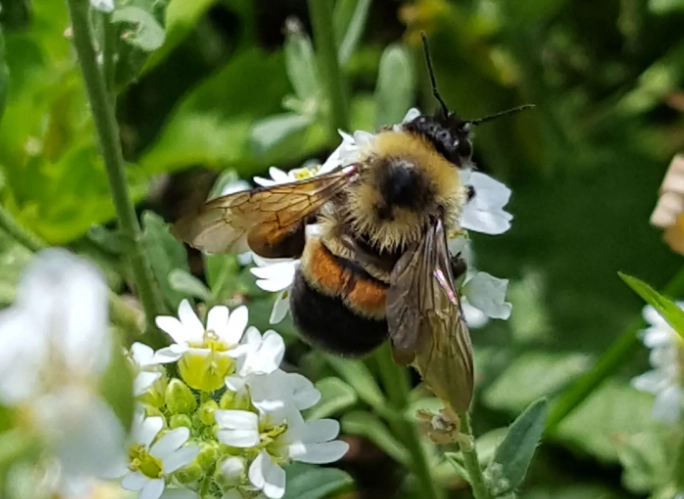
How to Attract Bumblebees Safely: A Step-by-Step Guide
Want bumblebees in your yard without the worry? Follow these steps. I've tested them in my own garden over five years.
- Plant the Right Flowers: Focus on native species. Bumblebees love blue, purple, and yellow blooms. My top picks: lavender, bee balm, sunflowers, and clover. Plant in clusters—they prefer dense patches over scattered flowers.
- Provide Nesting Sites: Leave some areas undisturbed. A pile of leaves, an old rodent hole, or a grassy corner can become a nest. Avoid manicuring every inch of your yard.
- Avoid Pesticides: This is non-negotiable. Even organic pesticides can harm bumblebees. If you must control pests, use targeted methods like neem oil at dusk when bees aren't active.
- Offer Water: A shallow dish with stones for perching helps bumblebees stay hydrated. I use a birdbath with pebbles—they visit it regularly.
A common mistake? Planting exotic flowers that look pretty but offer no nectar. Stick to locals.
Here's a personal tip: I once planted a mix of native wildflowers and saw bumblebee activity triple in two weeks. It's that simple.
Dealing with Bumblebees: Prevention and Safety Measures
Let's talk about the elephant in the room: stings. Yes, bumblebees can sting, but it's rare. I've only been stung twice in a decade of close observation—both times because I accidentally stepped on a nest.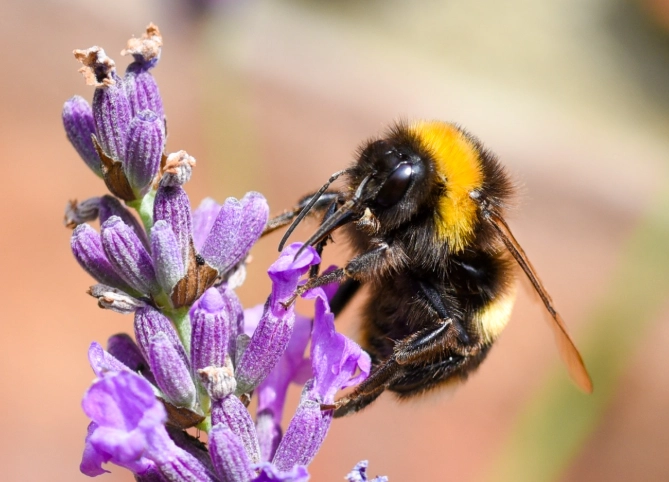
Preventing Unwanted Nests
Bumblebees nest in dry, sheltered spots. To discourage them near high-traffic areas:
- Seal gaps in sheds or foundations early in spring before queens start looking.
- Keep grass trimmed and remove debris piles close to doors.
- If you find a nest, assess if it's really a problem. Often, they're in out-of-the-way corners and pose no threat.
Safety During Encounters
If a bumblebee approaches, stay calm. They're curious, not aggressive. Wave them away gently—don't swat. Swatting triggers defensive behavior.
For stings, here's my protocol: scrape the stinger out, wash with soap, ice it, and take an antihistamine if needed. Most reactions are local swelling that fades in a day. Allergic reactions are uncommon but seek help if you have trouble breathing.
I recall a neighbor who sprayed a nest under his deck. The bees died, but so did his pumpkin pollination that year. Sometimes, coexistence is smarter.
Bumblebee Conservation: What You Can Do to Help
Bumblebee populations are declining due to habitat loss, pesticides, and climate change. The Rusty Patched Bumblebee, for instance, is listed as endangered in the U.S. But individual actions can make a difference.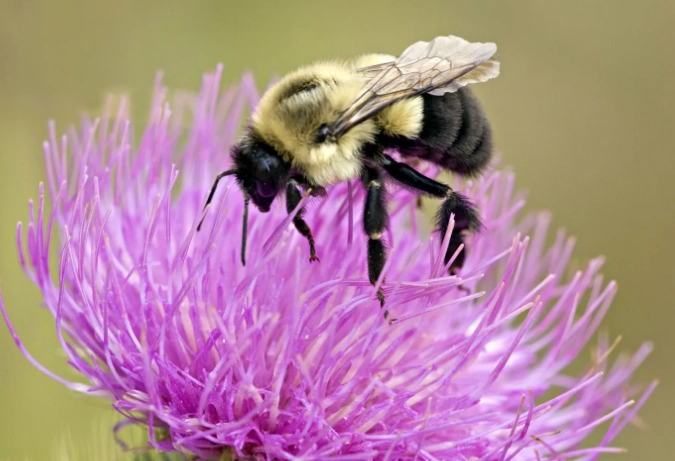
Support Native Habitats: Advocate for pollinator-friendly spaces in your community. Plant native flowers in public areas or your own yard.
Reduce Chemical Use: Go pesticide-free. If you farm, explore integrated pest management.
Participate in Citizen Science: Programs like Bumble Bee Watch let you report sightings, helping researchers track populations. I've logged over 50 observations—it's rewarding.
Avoid Harmful Products: Some commercial "bee hotels" are poorly designed, harboring mites or mold. If you use them, clean them annually and choose models with removable tubes.
Conservation isn't just for experts. Every garden can be a sanctuary.
Frequently Asked Questions
Bumblebees are more than just insects; they're partners in our ecosystems. By understanding them better, we can foster a healthier environment. Next time you see one buzzing by, take a moment to appreciate its work—it's doing a lot more than we often realize.
LEAVE A REPLY
Your email address will not be published. Required fields are marked *