You find them under a flowerpot—dark, fast, with those pincers waving in the air. A few days later, one is in the kitchen sink. Then you notice the ragged holes in your dahlias. Earwigs. They’re not the most destructive pest, but their sheer creep factor and relentless appearance can drive you nuts. Most advice online is repetitive: "use oil traps." That's a start, but it's like putting a band-aid on a leaky pipe. After dealing with these guys in multiple gardens over the years, I've learned that real, lasting control requires understanding their why before attacking the how. Let's break down a strategy that actually works.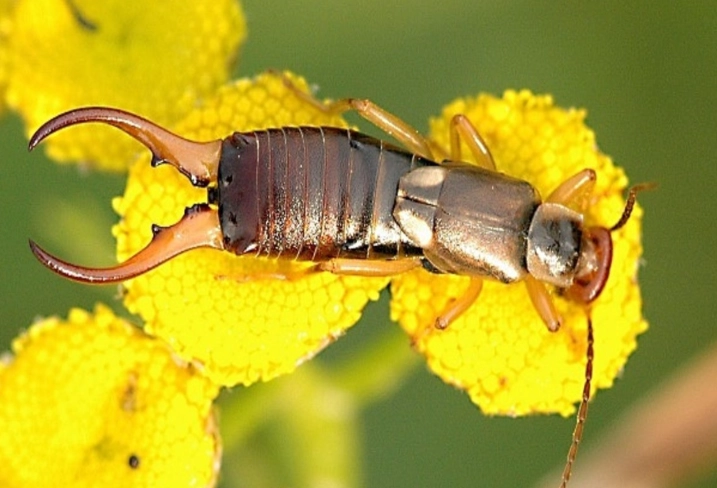
What's Inside: Your Quick Guide
Know Your Enemy: Earwig Biology 101
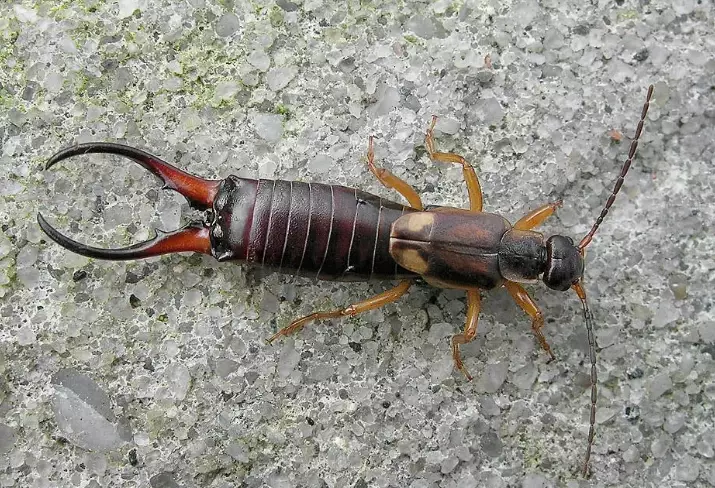
If you want to beat them, you need to know what makes them tick. The European earwig (Forficula auricularia) is the usual culprit in North America and many other regions. Forget the ear myth; their real story is more interesting.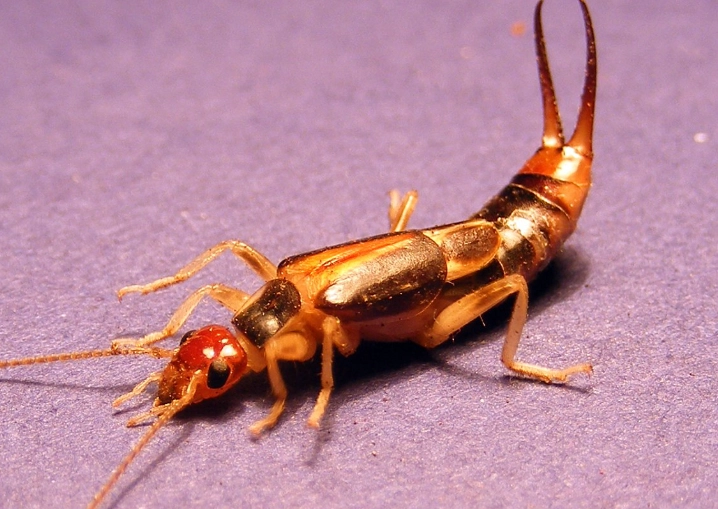
They're nocturnal scavengers and occasional predators. During the day, they crave one thing: moisture in tight spaces. That's why you find them under mulch, inside rolled-up leaves, under patio stones, or in the folds of a doormat. At night, they emerge to feed. Their diet is a messy mix of decaying plant matter, live seedlings, soft fruits, and smaller insects like aphids. This dual role is key—they can be minor helpers and major nuisances simultaneously.
Here’s a detail most guides miss: the female earwig is a surprisingly caring mother. She lays eggs in the soil in late winter, guards them, and even tends to the nymphs after they hatch. This means if you only kill the adults you see in summer, you’ve ignored the next generation waiting underground. Effective control targets multiple life stages.
Prevention First: Making Your Property Less Inviting
Earwig control is 70% habitat modification. You're removing their reasons to move in. This isn't a weekend project, but doing it right means less work forever.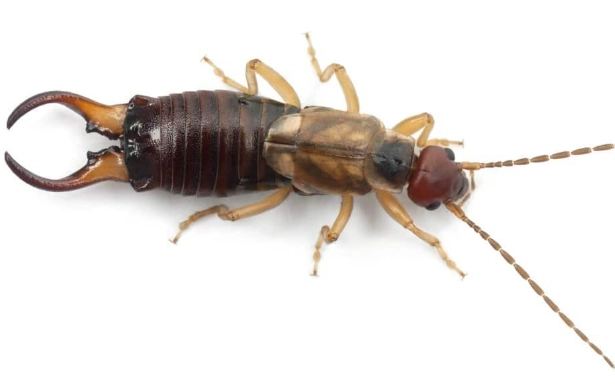
Garden and Yard Cleanup
Think like an earwig real estate agent. They want condos with high humidity.
Eliminate Hiding Spots: Reduce thick ground covers like ivy near foundations. Store firewood, lumber, and stones away from the house and up off the ground. Keep compost piles active and turned, or locate them far from prized garden beds.
Manage Moisture: This is the big one. Fix leaky faucets and ensure downspouts drain away from your foundation. Water your garden in the morning so the soil surface dries by evening. Avoid over-mulching, especially right against plant stems; a thin layer is fine, a thick, wet mat is earwig heaven.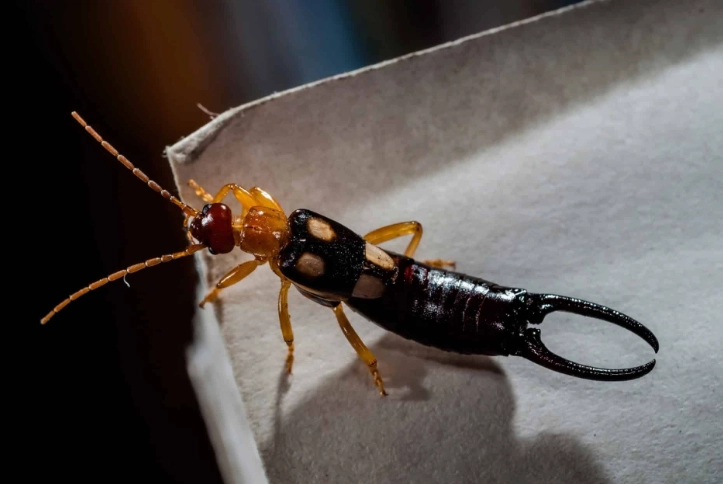
Home Fortification
Earwigs don't chew through walls; they wander in through gaps.
Seal cracks in the foundation, around utility pipes, and where siding meets the slab. Install tight-fitting door sweeps. Repair window screens. Since they are attracted to light, consider switching exterior lights near doors to yellow bug bulbs or motion sensors to avoid drawing them—and their prey—to your entryways at night.
Elimination Tactics: From Simple Traps to Lasting Solutions
When prevention isn't enough, or you have an existing infestation, it's time for action. A tiered approach works best.
Passive Trapping (The Low-Effort Options)
These methods monitor and reduce populations with minimal intervention.
The Classic Oil Trap: Take a small, low-sided container (like a tuna can). Bury it in the soil near problem areas so the rim is flush with the ground. Fill it halfway with vegetable oil (add a dash of soy sauce or fish oil for extra attraction). Earwigs fall in and drown. Check and refresh weekly. It works, but it's a local solution.
Newspaper or Cardboard Rolls: Slightly dampen a rolled-up newspaper or cardboard tube. Place it in the garden in the evening. In the morning, carefully pick it up and shake the hiding earwigs into a bucket of soapy water. Simple, cheap, and effective for spot control.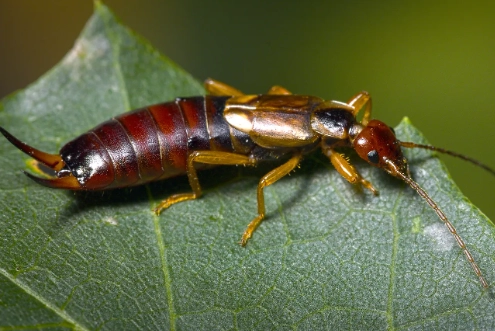
Active Intervention (When You Need Results)
For heavier infestations, you need to be more direct.
| Method | How It Works | Best For | Pro Tip / Caveat |
|---|---|---|---|
| Diatomaceous Earth (DE) | A fine powder that damages the waxy outer layer of insects, causing them to dehydrate. | Creating dry barrier zones around foundations, under siding, in crawl spaces. | Use food-grade DE. It only works when dry. Reapply after rain or watering. It's harmless to pets and humans when used as directed. |
| Insecticidal Soap Sprays | Contact killer that breaks down the insect's cell membranes. | Direct sprays on earwig clusters found on plants or patios at night. | You must hit the insect directly. It has no lasting residual effect. Great for immediate, targeted kills without harsh chemicals. |
| Perimeter Insecticide Barriers | Long-lasting residual sprays applied to foundation walls, door thresholds, and potential entry points. | Severe infestations or homes with chronic entry problems. | Look for products containing lambda-cyhalothrin, bifenthrin, or cyfluthrin. Follow label instructions meticulously. This is a more serious chemical intervention. |
For severe, persistent problems, consulting a professional pest control operator (PCO) makes sense. They have access to stronger formulations and can perform a thorough inspection and targeted application. The National Pest Management Association (NPMA) is a good resource for finding licensed professionals.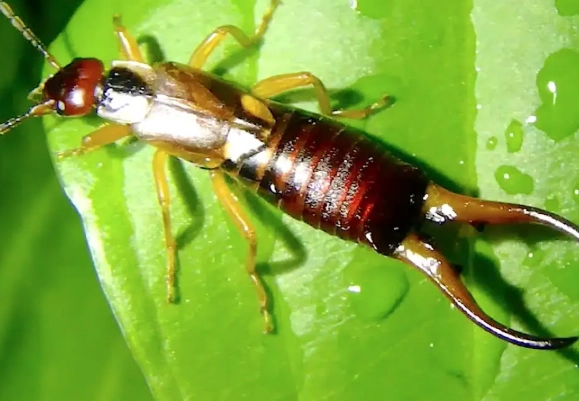
Your Top Earwig Questions, Answered
LEAVE A REPLY
Your email address will not be published. Required fields are marked *