Let's be clear about one thing right off the bat—"yellowjackets bug" is a bit of a misnomer. They're not bugs; they're wasps. Social, smart, and famously short-tempered wasps. But that's the term people search for when a black and yellow terror starts dive-bombing their soda can or building a paper fortress under their deck eaves. And if you're here, you're probably past the point of casual curiosity. You've got a problem, or you're nervously watching one develop.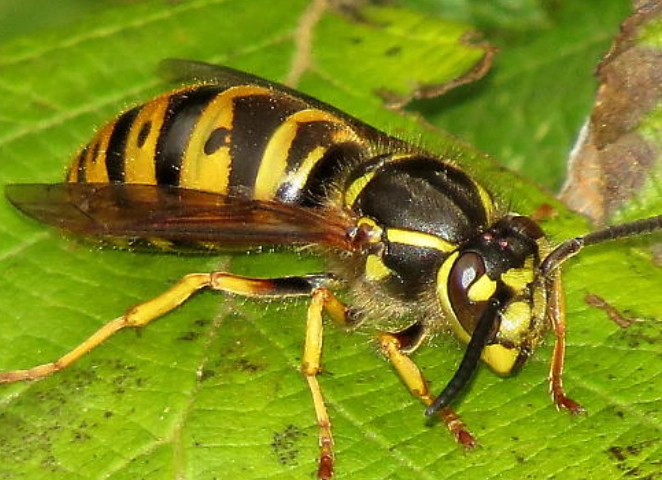
I've been dealing with, studying, and advising on stinging insect issues for over a decade. I've seen the panic a single yellowjacket can cause at a family picnic, and I've coordinated the removal of a ground nest the size of a beach ball. The internet is full of generic advice, but most of it misses the nuanced, often counterintuitive, realities of dealing with Vespula and Dolichovespula species. This guide cuts through the noise. We'll cover identification (so you know what you're really up against), the real risks (beyond the obvious sting), and a tiered strategy for removal that prioritizes your safety.
Quick Navigation: What You'll Find Here
- Spot the Difference: Yellowjacket vs. Bee vs. Hornet
- Why They're More Than a Nuisance: Stings, Aggression, and Property Damage
- The Detective Work: How to Find a Yellowjacket Nest (Safely)
- The Removal Strategy: From DIY Sprays to Calling the Pros
- The Long-Term Prevention Playbook
- Sting First Aid: What to Do (and What Not to Do)
Spot the Difference: Yellowjacket vs. Bee vs. Hornet
Mistaking a honey bee for a yellowjacket is a common error that leads to poor decisions. Honey bees are fuzzy, golden-brown pollinators. You want them around. Yellowjackets are your problem.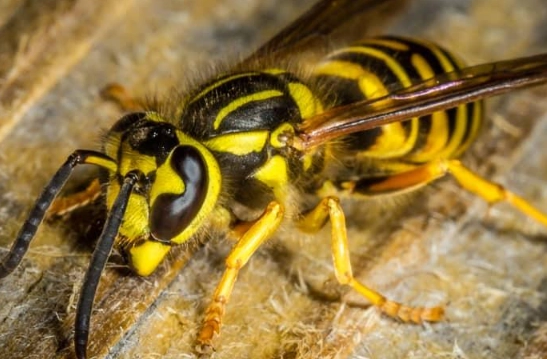
Key Yellowjacket Identifiers:
- Body: Sleek, hairless, and shiny. No fuzz.
- Coloration: Bright, stark patterns of black and vivid yellow. Think warning stripes.
- Waist: A pronounced, narrow "waist" between the thorax and abdomen.
- Flight: Rapid, darting, and direct. They land aggressively.
- Diet: This is the big one. They're carnivorous scavengers. They go for your burger, your sugary drink, and your garbage. Honey bees are interested in flowers and water.
Bald-faced hornets, which are actually a type of yellowjacket, build those large, gray, football-shaped aerial nests. Common yellowjackets often nest in the ground (old rodent burrows, under roots) or in wall voids and attics.
Why They're More Than a Nuisance: Stings, Aggression, and Property Damage
A wasp sting hurts. But the issue with yellowjackets is scale and intent.
Unlike a honey bee that stings once and dies, a yellowjacket's smooth stinger allows it to sting repeatedly. It's a weapon, not a sacrifice. Worse, they're social defenders. Disturb a nest, and the alarm pheromone released will trigger a coordinated attack from dozens, even hundreds, of workers. This isn't an individual being defensive; it's an army mobilizing.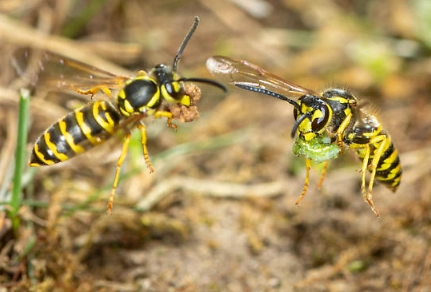
The medical risk is real. According to data from the American College of Allergy, Asthma & Immunology, insect sting allergies affect a significant portion of the population, and yellowjackets are a leading cause. Reactions can range from large local swellings to life-threatening anaphylaxis.
Then there's the property damage. A nest in a wall isn't just an annoyance. As the colony grows, the comb expands. I've seen cases where the moisture from a large nest soaked through drywall, and in one memorable instance, chewed-through wiring in an attic was traced back to yellowjackets expanding their nest. They don't eat the wire, but they'll clear it out of their way.
The Detective Work: How to Find a Yellowjacket Nest (Safely)
You see one or two yellowjackets buzzing around your garbage can. Is there a nest? Maybe, maybe not. They can forage hundreds of feet from home base. To find it, think like a scout.
Common Nest Sites:
- Underground: The classic. In garden beds, along fence lines, under railroad ties. Look for a small, clean hole (about the diameter of a nickel) with a steady traffic of insects entering and exiting.
- Structural Voids: Soffits, eaves, attics, spaces behind siding, and within hollow walls. Listen for a faint, papery rustling sound. Look for a steady stream of wasps appearing from a tiny crack or gap.
- Shrubs and Bushes: Low-hanging nests can be hidden in dense foliage.
- Other Cavities: Old grills, playground equipment, crawl spaces.
Your investigation should be visual only. No poking. No pouring water in holes. Just observe from a safe distance, preferably in the cool of early morning or evening when activity is lowest.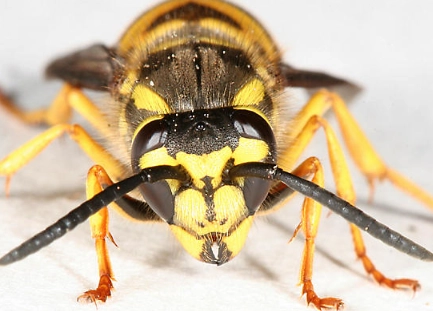
The Removal Strategy: From DIY Sprays to Calling the Pros
Here's where experience really dictates the plan. The internet loves a simple DIY solution, but context is everything.
| Situation | Recommended Action | Key Reasoning |
|---|---|---|
| Small, exposed aerial nest (baseball-sized, under eave, easily reachable) | DIY Aerosol Spray (Jet Stream type) | Direct, contained target. Apply at night with an escape route planned. Wear protective clothing. |
| Ground nest in remote part of yard | DIY Dust Insecticide (applied at entrance at night) | Dust is carried deep into nest by workers, killing colony over 1-2 days. Less immediate aggression risk than spray. |
| Nest in wall, attic, or soffit | PROFESSIONAL | Risk of wasps chewing into living space if trapped. Professionals have tools and insecticides (like specialized dusts) for void spaces. |
| Large nest (larger than a softball), high-traffic area (by door), or unknown allergy status | PROFESSIONAL | Risk of mass attack and severe medical emergency is too high. Professionals have protective gear and experience. |
| Late summer/fall infestation with many foragers but no nest found | Perimeter Trapping + Habitat Modification | The nest may be on a neighbor's property. Reduce attractants and trap foragers to relieve pressure. |
The Long-Term Prevention Playbook
Killing a colony solves this year's problem. Prevention stops next year's. In early spring, queens emerge from hibernation looking for a nest site. Your goal is to make your property uninviting.
- Seal Entry Points: Late winter is the time for this. Caulk cracks in siding, repair soffit screens, and seal gaps around utility lines. Use steel wool for larger holes where rodents might have entered (yellowjackets love old rodent nests).
- Manage Attractants: Keep garbage cans tightly sealed with bungee cords. Rinse recycling. Clean grills after use. Pick up fallen fruit promptly. During peak season (late summer), consider moving picnic and eating areas away from the house.
- Use Traps as Early Sentinels: In April and May, put out commercial or homemade traps baited with heptyl butyrate (a chemical that mimics a food source for queens). This catches founding queens before they start a nest. It's far more effective than trying to trap your way out of a full-blown August infestation.
- Landscape Smartly: Fill in old rodent burrows. Consider installing fine mesh over vents for crawl spaces.
Sting First Aid: What to Do (and What Not to Do)
You got stung. It happens.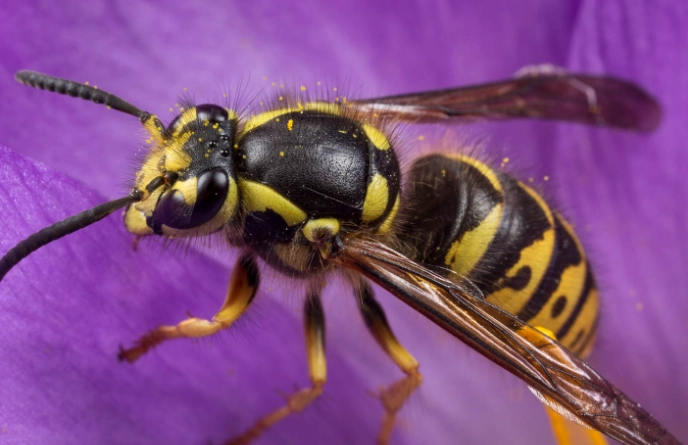
Immediate Steps:
- Get to a safe area away from further attacks.
- Scrape the stinger out if present (yellowjackets often don't leave one, but scrape with a credit card edge to be safe). Don't pinch with tweezers—it can squeeze more venom in.
- Wash with soap and water.
- Apply a cold pack to reduce swelling and pain.
- Take an antihistamine (like Benadryl) for itching and an NSAID (like ibuprofen) for pain/inflammation if you have no contraindications.
Forget the folk remedies. Baking soda paste, meat tenderizer, vinegar—their efficacy is anecdotal at best. Cold and oral antihistamines are your best bet.
When to Seek Emergency Care: Difficulty breathing, swelling of the lips/tongue/throat, dizziness, rapid heart rate, hives spreading over your body, or a feeling of doom. This is anaphylaxis. Use an EpiPen if prescribed and call 911.
Your Yellowjacket Questions, Answered
What's the fastest way to get rid of a yellowjacket nest in my backyard?
The fastest method is often a professional aerosol wasp spray with a long-range jet stream, applied at dusk or dawn when the colony is least active. However, speed shouldn't be your only concern. If the nest is larger than a softball, underground, or near a high-traffic area like a doorway, the risk of multiple stings skyrockets. In those cases, calling a professional is faster and safer in the long run, as they have protective gear and methods to eliminate the entire colony in one treatment.
How can I tell if I'm allergic to a yellowjacket sting after being stung?
Watch for symptoms beyond the normal localized pain, redness, and swelling. Severe allergic reaction (anaphylaxis) signs include hives spreading beyond the sting site, swelling of the lips, tongue, or throat, difficulty breathing, dizziness, a rapid pulse, or a feeling of impending doom. These can develop within minutes. A common misconception is that a first-time severe reaction is impossible. While rare, it can happen. If you experience any systemic symptoms, use an epinephrine auto-injector if prescribed and seek emergency medical help immediately.
Are DIY yellowjacket traps with sugar water actually effective for control?
They can be, but with a major caveat. Homemade traps (like soda bottles with sugary liquid) primarily catch foraging worker yellowjackets. This might reduce nuisance at a picnic but does little to impact a well-established nest, which can contain thousands of individuals. A trap placed too close to a nest or activity area can actually attract more yellowjackets to the location, worsening the problem. For true control, traps are best used as early-season monitors in spring to catch founding queens before they build nests, or placed at the perimeter of your property to intercept foragers away from living spaces.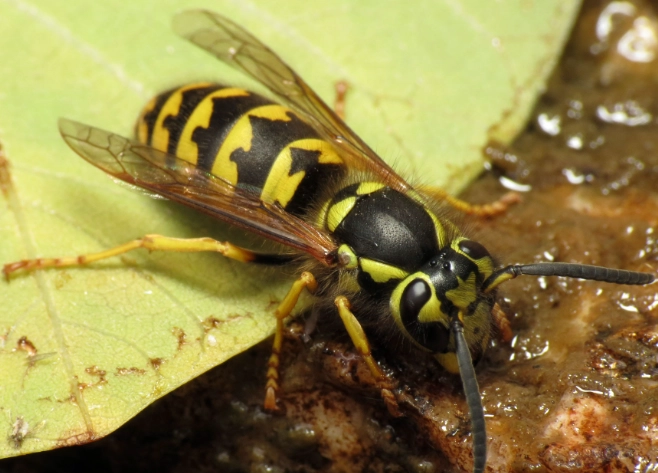
What should I do if I find a yellowjacket nest inside my house wall?
Do not attempt to seal the entrance hole. This is a critical error. Trapped yellowjackets are extremely aggressive and will chew through drywall, insulation, or even electrical wiring to find a new exit, potentially causing damage and emerging inside your living spaces. The only safe solution is professional pest control. A pro will identify the exact entry point, often use a dust insecticide that foragers carry deep into the nest cavity, and may need to create a temporary, controlled exit to ensure complete elimination before sealing the entry point permanently.
The bottom line with yellowjackets is respect. They're not mindless villains; they're efficient colony organisms defending their home. Your goal isn't to wage war on all insects, but to manage the specific risk they pose to your family and property. Accurate identification, a honest assessment of the threat level, and choosing the right tool—whether it's a can of spray, a bag of dust, or the phone number of a good pest control company—is what keeps everyone safe. Start with prevention, act decisively when needed, and you can enjoy your outdoor space without sharing it with uninvited, striped guests.
LEAVE A REPLY
Your email address will not be published. Required fields are marked *