You lift a pot or turn over a stone, and a dozen little gray armored creatures scatter. Your first thought might be "pest." I get it. I've watched them cluster on a tender bean seedling I'd just planted and felt that flash of gardener's frustration. But after years of watching them, I've learned that labeling pill bugs as pests is our biggest mistake. It makes us reach for solutions that harm more than help. The real story is more interesting, and understanding it will make you a better gardener.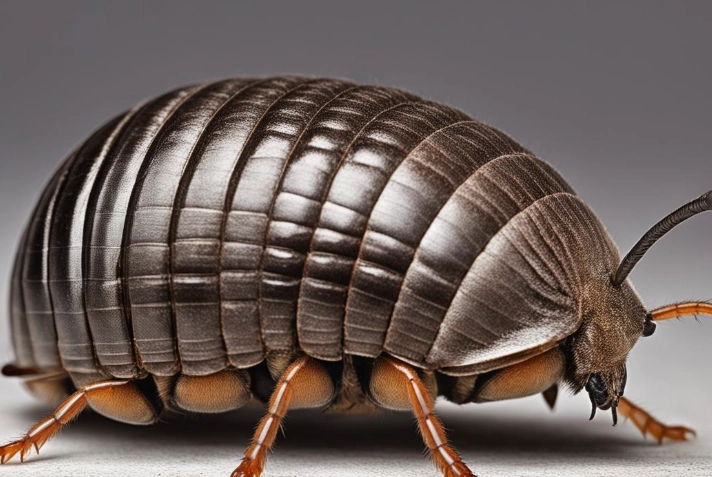
Quick Navigation
What Exactly Are Pill Bugs?
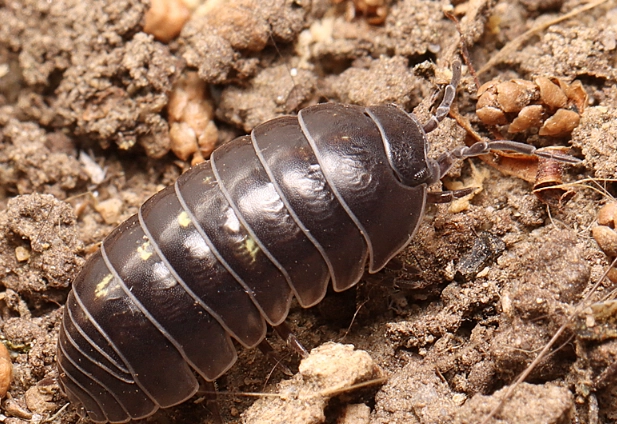
Let's clear this up first: they are not insects. Not even close. Pill bugs (Armadillidium vulgare) are terrestrial crustaceans, more closely related to shrimp and crabs than to ants or beetles. That's why they need moist environments—they breathe through gills. The "pill" name comes from their famous defensive curl into a perfect, hard ball.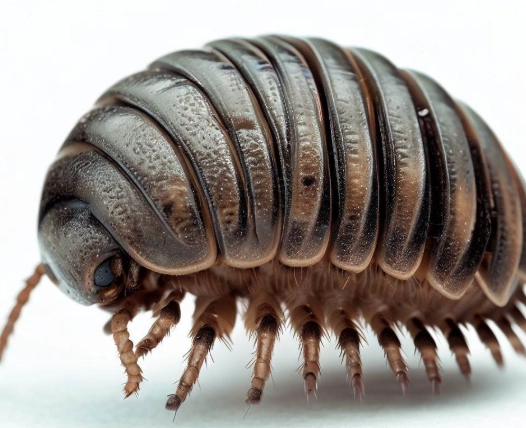
You'll find them under anything that retains moisture: mulch, logs, pavers, and decaying leaf litter. They're nocturnal, which is why you often only see the damage, not the culprits. Their primary diet is decaying organic matter. They're nature's ultimate recyclers, breaking down dead plant material and returning nutrients to the soil.
Key Identifiers: Gray, segmented, oval bodies with seven pairs of legs. They roll into a ball when touched. Sow bugs (their close cousins) look similar but have two tail-like appendages and cannot roll up completely.
The Surprising Benefits in Your Garden
Before you decide to wage war, consider what you'd be losing. A healthy population of pill bugs is a sign of active soil biology. Here’s what they do for you, for free:
They accelerate decomposition. They chew through dead leaves, fallen fruit, and rotting wood faster than fungi and bacteria alone. This speeds up the creation of humus, the rich, fertile part of your soil.
They improve soil structure. As they digest organic matter, their waste (called castings) is a valuable soil amendment. It helps aerate the soil and makes nutrients more available to plant roots.
They are a food source. Birds, toads, frogs, and even some species of ground beetles eat pill bugs. Eliminating them can disrupt this local food web.
I started seeing them differently once I watched a family of wrens picking them out of my compost pile. They were part of the system, not an invader.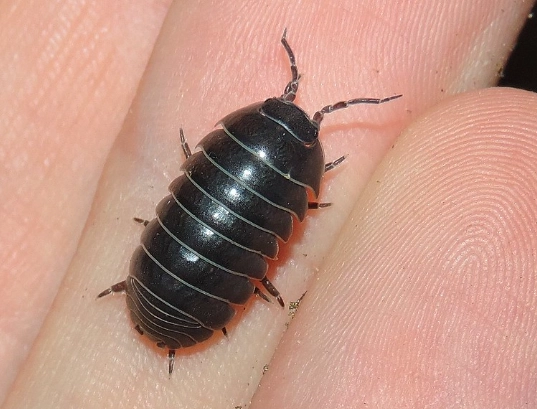
When Do They Become a Problem?
So why do they eat seedlings? It's usually a symptom, not the disease. Pill bugs are opportunistic. Think of their ideal buffet: soft, moist, decaying material. A freshly sprouted seed or a tender cucumber seedling stem, sitting in perpetually damp soil, can mimic that.
The Classic Scenario: It's early spring. You've direct-sown some zucchini seeds in cool, wet soil and covered them with a thick layer of straw mulch to retain moisture. The seeds sprout slowly. To a pill bug foraging at night, that pale, succulent stem is just another piece of soft, wet organic matter. They aren't being malicious; they're just doing their job in the wrong place.
Outbreaks are almost always linked to three conditions: excess moisture, an abundance of decaying matter (like old mulch or buried plant debris), and a lack of alternative food. In a balanced garden, they have plenty of their preferred food and leave your plants alone.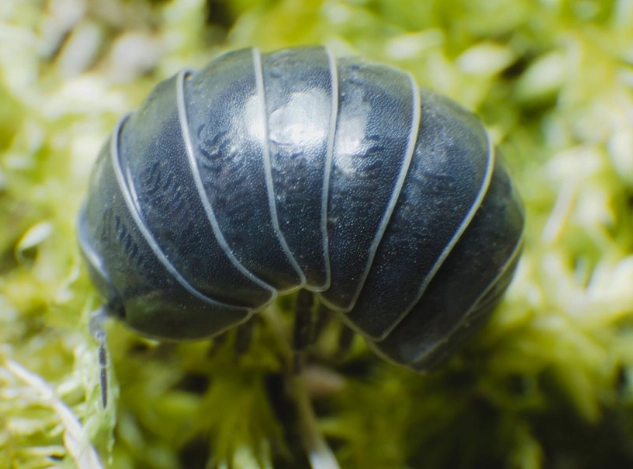
How to Manage Pill Bugs Without Harming Your Garden
The goal isn't eradication—that's impossible and undesirable. The goal is population management and habitat modification. You make the environment less inviting for overpopulation and protect vulnerable plants. Here’s a tiered approach.
1. Cultural Controls (Change the Environment)
This is the most effective long-term strategy. It addresses the root cause.
Reduce Moisture: Water plants in the morning so the soil surface dries by evening when pill bugs are active. Fix leaky faucets and improve drainage. Avoid over-mulching right against plant stems.
Clean Up Habitat: Remove boards, stones, and thick layers of decaying leaves right next to garden beds. Keep compost piles active and turned, not stagnant.
Provide Alternative Food: This is a pro-tip many miss. Place a few pieces of potato, carrot peelings, or orange rinds in the garden bed away from seedlings. Check them in the morning; they'll often be covered in pill bugs, which you can then relocate to the compost bin. You've just given them a better option.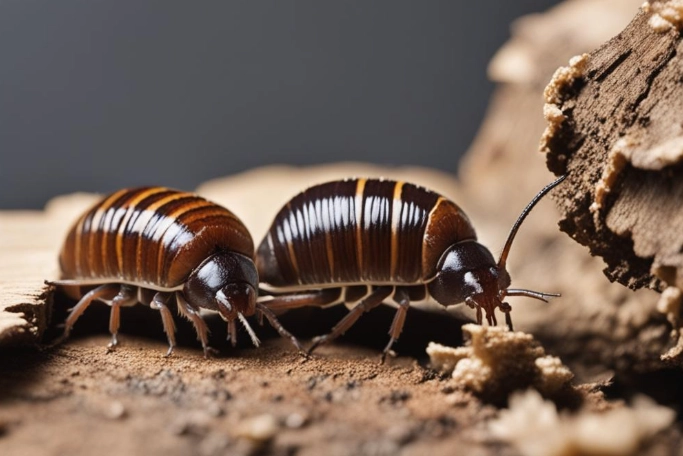
2. Physical Barriers and Traps
For direct protection of seedlings and prized plants.
Diatomaceous Earth (DE): Sprinkle a fine, dry ring of food-grade DE around plant stems. The sharp microscopic fossils damage the waxy layer on their exoskeletons, causing them to dehydrate. Important note: DE only works when bone dry and must be reapplied after rain or watering. It also affects other insects, so use it sparingly and precisely.
Collars: Make simple collars from plastic cups (with the bottom cut out) or toilet paper tubes pushed into the soil around seedlings.
The Beer Trap: It works. Bury a small container (like a yogurt cup) up to its rim and fill it halfway with cheap beer. The yeast attracts them, they fall in and drown. Empty and refresh every few days. It's a good monitoring tool to see how large the local population is.
3. What NOT To Do
Avoid broad-spectrum chemical pesticides. They will kill the pill bugs, but also the ground beetles, spiders, and other predators that help keep their numbers in check. You'll wipe out your natural defense system and likely cause a worse rebound later. It's a classic case of treating the symptom and making the underlying problem worse.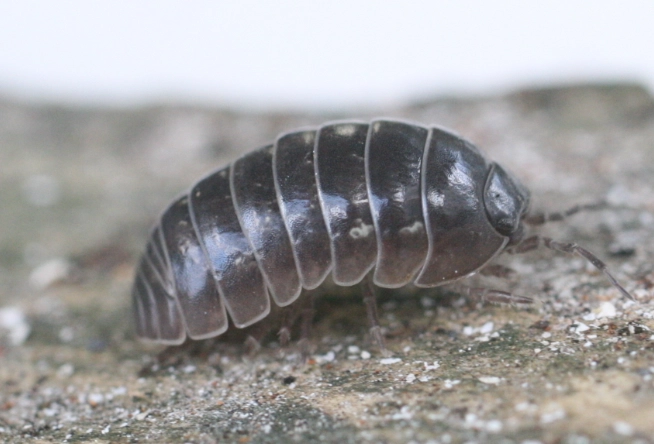
Your Pill Bug Questions Answered
The next time you see a pill bug, try to see it for what it is: a tiny, armored recycler, working the night shift to break down waste and build soil. Your garden is better off with them than without them. Our job as gardeners isn't to create a sterile environment, but to cultivate balance. By managing moisture, cleaning up excess debris, and shielding young plants, we can enjoy the benefits of these unique crustaceans without letting their enthusiasm for decay get the better of our seedlings.
LEAVE A REPLY
Your email address will not be published. Required fields are marked *