You're sitting at your desk, and a tiny, fuzzy spider with oversized eyes makes a startling leap from your monitor. Your heart jumps. Your first thought: do jumping spiders bite? The short, reassuring answer is: they can, but it's incredibly rare, and when it happens, it's almost always a defensive mistake, not an attack. I've kept and observed these creatures for years, and the gap between their fearsome appearance and their actual behavior is vast. Let's ditch the panic and look at what really happens.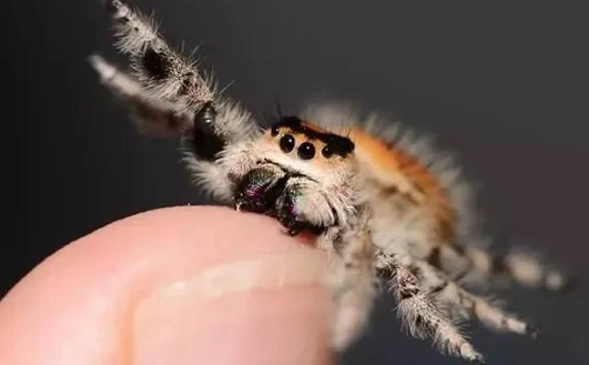
Quick Navigation: What You'll Learn
Will a Jumping Spider Actually Bite You? The Reality Check
Think of it this way: you could get hit by a falling acorn, but you don't spend your autumn days looking up in terror. The odds are similarly low with jumping spiders. These are visual hunters, interested in flies and mosquitos, not people. Their venom is designed for tiny insect prey, not mammals hundreds of times their size.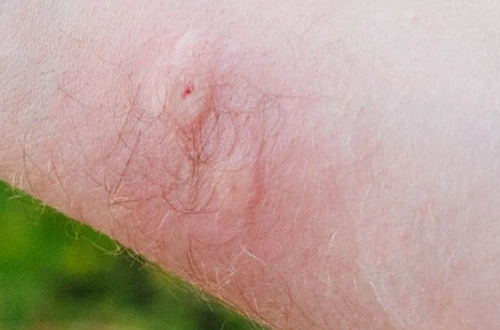
Bites occur almost exclusively under two specific, avoidable conditions:
- Trapping or Squeezing: The spider is pressed against your skin—think putting on a glove it's hiding in, or rolling over on it in bed.
- Prolonged Provocation: You've been persistently poking, handling, or cornering it, leaving it no escape route.
A Common Misconception I See: New arachnid enthusiasts often worry about "aggressive" behavior when a jumping spider raises its front legs. This isn't a threat display toward you; it's a defensive posture saying "I see you, please go away." It's a sign of fear, not aggression. An aggressive spider would just bite.
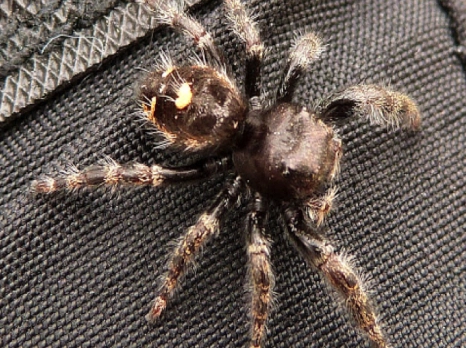
I once watched a bold Phidippus audax (the common bold jumper) explore my hand for a solid ten minutes. It jumped from finger to finger, tilting its head to look at me. At no point did it even consider biting. Its curiosity was palpable. They're assessing you as a large, interesting part of the landscape, not lunch.
What Does a Jumping Spider Bite Look and Feel Like?
If the unlikely happens, here's what to expect. It's crucial to manage expectations so you don't mistake a minor reaction for something serious.
Immediate Sensation and Appearance
You'll feel a quick, sharp pinch—comparable to a mosquito bite or a small needle prick. It's over in a second. There may be two tiny, close-together red puncture marks, but often it's just a single small red bump.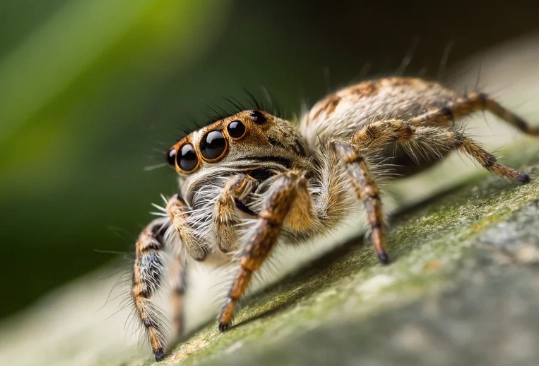
Typical Reaction Timeline
This is where most of the action happens, and it's mild.
- First 30-60 minutes: Localized redness and mild swelling, about the size of a dime or quarter.
- Next 24-48 hours: Itching becomes the main symptom. The area might feel warm and tender. The swelling usually subsides.
- Days 3-5: Any residual itching fades. The mark may linger as a small red dot before disappearing completely.
When It's NOT a Jumping Spider Bite: If you develop severe pain, extensive swelling (beyond the immediate area), muscle cramps, nausea, or a spreading rash, you were likely bitten by a different spider. Misidentification is common. In North America, only widows and recluses cause systemic reactions. If you have those severe symptoms, seek medical attention and try to safely capture the spider for identification.
What to Do If You're Bitten: A Simple Action Plan
Don't panic. Follow these steps. They're similar to treating any minor insect bite or puncture wound.
- Stay Calm and Wash Up: Gently wash the area with soap and cool water. This reduces the risk of a secondary bacterial infection, which is a more common complication than the venom itself.
- Apply a Cold Pack: Use a cloth-wrapped ice pack or cold compress for 10-15 minutes at a time. This reduces swelling and numbs the initial sting.
- Manage the Itch: An over-the-counter hydrocortisone cream or an oral antihistamine (like diphenhydramine or cetirizine) works wonders for the itching. A paste of baking soda and water can also provide relief.
- Leave it Alone: Avoid scratching. I know it's hard, but breaking the skin opens the door for infection. Keep the area clean and dry.
That's it. For 99.9% of people, no doctor visit, no antivenom, no drama is required. The body handles it efficiently.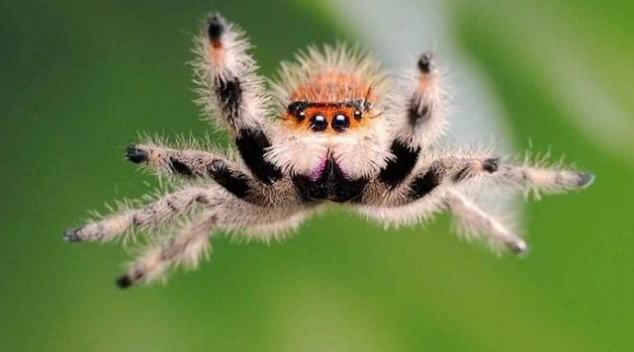
Living with Jumping Spiders: Prevention is Effortless
Given their beneficial nature, the goal isn't eradication, but harmonious coexistence. Here’s how to make sure bites never enter the equation.
Smart Home Habits
Jumpers come inside chasing prey. Reduce their food source, and you'll see fewer of them.
- Use window screens and seal cracks around doors.
- Install yellow bug lights outdoors to attract fewer flying insects near entries.
- Keep kitchen areas clean and store food in sealed containers to deter the ants and flies they hunt.
The Art of Safe Removal
When you find one, use the cup-and-card method. It's foolproof. Place a clear glass over the spider, slide a stiff piece of paper underneath, and carry it outside. They almost never bite during this process because they aren't trapped against your skin.
You can also gently coax them onto a piece of paper or even your hand—they have excellent grip and will walk on you without biting if you move slowly. Release them in a garden or shrubbery where they can hunt pests.
Understanding Their Role
This is the perspective shift. A jumping spider in your home is a free, non-toxic pest control agent. It's hunting flies, mosquitoes, moths, and even other spiders. According to integrated pest management (IPM) principles promoted by institutions like the Penn State Extension, preserving natural predators is a cornerstone of sustainable pest control. You're not hosting a pest; you're employing a specialist.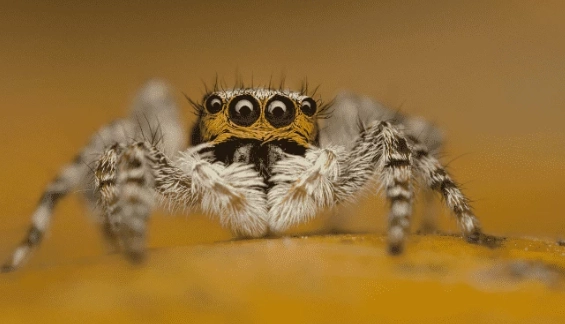
Clearing Up Common Confusion: Your Questions
So, the next time you see that fuzzy little acrobat on your wall, take a moment to appreciate it. Watch how it cocks its head, plans its jumps, and goes about its business. The question of whether jumping spiders bite has a simple answer: barely ever, and with no real consequence. The more interesting question is what fascinating behavior you might observe if you just let it be.
LEAVE A REPLY
Your email address will not be published. Required fields are marked *