That deep, low hum you hear near the old oak tree isn't a bumblebee. It's likely a European hornet (Vespa crabro), North America's only true hornet and an insect that commands both respect and a healthy dose of caution. Introduced in the 1840s, they've carved out a niche from the East Coast to the Midwest. I've been called to deal with their nests for over a decade, and the first thing I tell homeowners is this: they're not the mindless killers of lore, but underestimating them is a mistake that can leave you in the ER.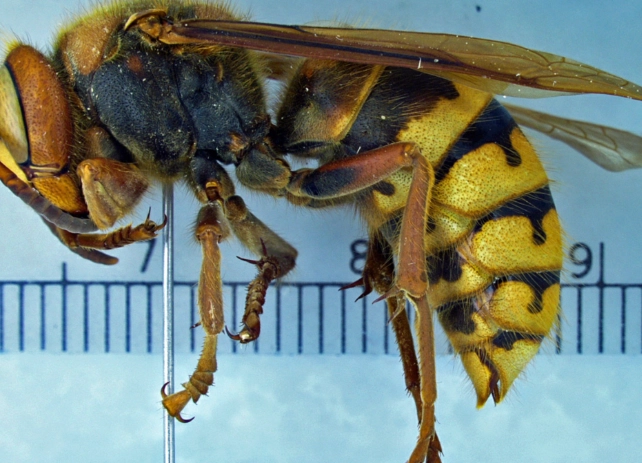
This guide cuts through the hype. We'll cover how to spot them, the real risks they pose (beyond the sting), and most importantly, a clear, step-by-step framework for dealing with them safely. Forget the generic advice. I'll point out the subtle mistakes that make a routine situation dangerous.
What's in this guide?
Spotting the Giant: How to Identify European Hornets
Mistaking them for yellow jackets is the first common error. A European hornet is substantially larger—about the length of your thumb from knuckle to tip. The key is in the colors and behavior.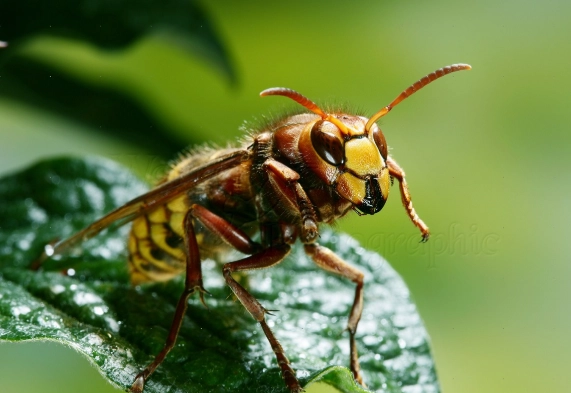
Look for a chestnut-brown thorax (the middle section) and a abdomen with yellow bands on a dark brown background, not the stark black and yellow of a yellow jacket. Their heads are pale yellow, almost orange, from the front. But the biggest giveaway is their flight. They're nocturnal fliers. Seeing a large wasp banging against your window screen at night, attracted to the light? That's almost certainly a European hornet forager. During the day, their flight is loud, heavy, and direct.
Quick ID Tip: If it's huge, flies at night, and looks more brown-and-yellow than black-and-yellow, you're probably looking at Vespa crabro.
Nest vs. Nest: Where They Build Their Homes
You won't find their nests in the ground like yellow jackets. They prefer aerial locations, but with a twist. Classic spots include:
- Tree Hollows: Their absolute favorite. A mature oak or maple with a rotten heart is prime real estate.
- Wall Voids & Attics: They exploit cracks in siding, soffits, or roof vents. You'll hear a persistent, papery rustling from inside the wall.
- Sheds & Outbuildings: The eaves of a garden shed or barn offer perfect shelter.
- Bird Boxes: They'll gladly evict former tenants.
The nest itself is a masterpiece of paper-mâché, made from chewed wood fibers. It can grow to the size of a basketball or larger, with a single entrance hole usually at the bottom.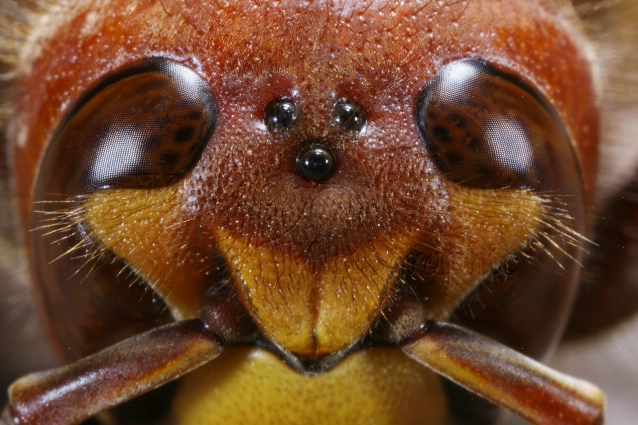
Not Just a Sting: The Real Risks They Pose
Everyone focuses on the sting. Yes, it hurts. It feels like a hot nail being driven into your skin, and the area can swell impressively for two days. For the allergic, it's a life-threatening emergency.
But the sting is only part of the story. Two other risks are rarely discussed enough.
1. The Structural Scraper Problem
This is my personal pet peeve with these insects. To build their nests, they need wood fiber. They don't eat the wood; they scrape it off with their powerful mandibles. Their preferred source? Weathered, unpainted wood. I've seen them systematically strip the gray, weathered layer off cedar fence posts, garden shed siding, and even old playground sets.
Over a single season, a large colony can cause visible, patchy damage. It's not termite-level destruction, but it accelerates the weathering process and looks terrible. If the wood was already soft, it can compromise it further.
2. The "Guard Zone" Aggression
European hornets are not inherently aggressive away from their nest. You can often walk right past a forager on a flower. The danger zone is a 10-15 foot radius around the nest entrance. Disturb that—a lawnmower vibration, a ladder leaning against the tree, a kid throwing a ball—and you'll trigger guard hornets. They will pursue the threat persistently and with purpose. This is when people get stung multiple times.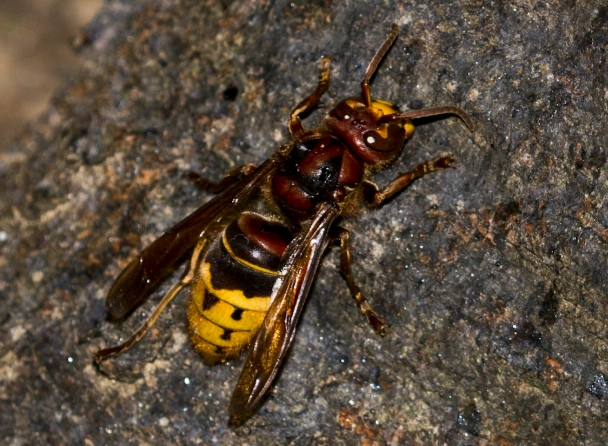
| Risk Factor | European Hornet | Common Yellow Jacket | Honey Bee |
|---|---|---|---|
| Aggression Level | Moderate (high near nest) | Very High | Low |
| Sting Pain | Severe | Moderate-Severe | Moderate |
| Nest Location | Aerial (trees, walls) | Ground or Aerial | Managed Hives |
| Key Nuisance | Nocturnal activity, wood damage | Disrupting picnics | Swarming (seasonal) |
When to Call a Pro vs. When You Can Wait
Not every sighting requires panic and a phone call. Here’s how to triage the situation.
Call a Licensed Pest Control Professional Immediately If:
- The nest is in a wall void, attic, or soffit. Removal requires opening the structure, and insecticides must be applied precisely to avoid driving hornets into living spaces.
- The nest is less than 15 feet from a high-traffic area like a doorway, deck, or children's play set.
- Anyone in the household has a known insect sting allergy.
- The colony is large and established (you see constant traffic all day). This usually means it's late summer.
You Can Often Monitor (For Now) If:
- It's a small, early-season nest (baseball-sized or smaller in early summer) in a remote tree.
- You discover the nest in late fall or after a hard frost. The colony is dead. You can safely remove the empty nest structure yourself for inspection.
- You only see occasional solitary foragers with no clear nest location nearby. They may be traveling from a neighbor's property.
The DIY Trap Fallacy: Those store-bought "wasp traps" with the sweet liquid? They're worse than useless for European hornets. They primarily attract and kill beneficial insects. Hornets are protein hunters (they kill other insects). A trap might catch one or two, but it won't put a dent in the colony and does nothing to address the nest.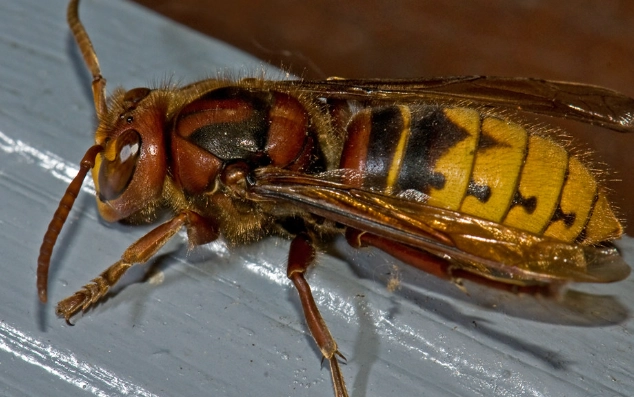
The Safe Removal Process: A Step-by-Step Walkthrough
If you've decided the nest must go and you're considering DIY (for a small, accessible nest), here's the framework. I strongly advise against it for most people, but understanding the process shows why pros are worth it.
1. The Nighttime Recon: At dusk, quietly pinpoint the exact entrance hole. All foragers will be home. Never use a white flashlight—they'll fly towards it. Use a red lens or cover your flashlight with red cellophane.
2. Gear is Non-Negotiable: A bee suit with a veil, sealed at the wrists and ankles. Thick gloves. No exposed skin. Denim and a hoodie won't cut it—their stingers can penetrate thin clothing.
3. The Right Chemical: You need an aerosol "wasp and hornet" jet spray that shoots a stream 10-15 feet. Soaking the entrance hole at night is the goal. Don't use a general-purpose bug spray.4. The Exit Strategy: Spray thoroughly, then leave the area immediately and completely. Do not stand and watch. Return only after 24-48 hours. If you see no activity for two consecutive days, you can carefully remove the nest.
See the complexities? Miss one step—wrong time, wrong gear, wrong chemical—and you're in for a world of hurt. This is why the professional's fee is for insurance, expertise, and keeping you safe.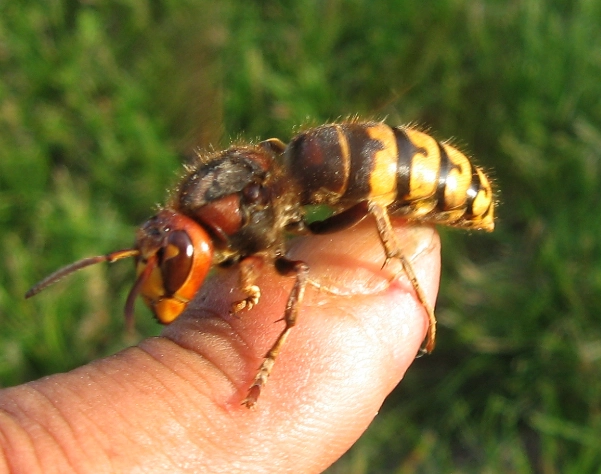
Long-Term Prevention Tips That Actually Work
Stopping them next year is easier than dealing with a nest this year.
- Seal Entry Points in Early Spring: Before queens become active, seal cracks in siding, roof vents, and soffits with caulk or hardware cloth. This is the single most effective step.
- Manage Wood Sources: Paint or stain untreated wood on fences, sheds, and play sets. It makes it less appealing for scraping.
- Reduce Night Lights: Since they're attracted to lights, consider switching to yellow "bug" bulbs for exterior fixtures near doors.
- Spring Queen Watch: In April-May, a solitary, large hornet investigating a crevice is a founding queen. If you see this, you can often dispatch her with a quick spray before she starts her colony, saving a huge headache later.
Your Questions Answered
European hornets are impressive, complex insects that have adapted well to living alongside us. Respect, not fear, should guide your actions. Correct identification is the first step. An honest assessment of the risk and your own capability is the second. When in doubt, the value of a professional isn't just in removing the nest—it's in the certainty that you, your family, and your home will be safe through the process. That peace of mind is worth every penny.
LEAVE A REPLY
Your email address will not be published. Required fields are marked *