What You'll Find in This Guide
If you've seen a large, reddish-brown insect scurrying across your kitchen floor at night, chances are it's an American cockroach. These pests are more than just a nuisance—they can pose real health risks and damage your property. I've dealt with them in homes and businesses for years, and let me tell you, most people approach it all wrong. In this guide, I'll break down everything you need to know, from identification to elimination, with practical steps that actually work.
What Are American Cockroaches and How to Spot Them
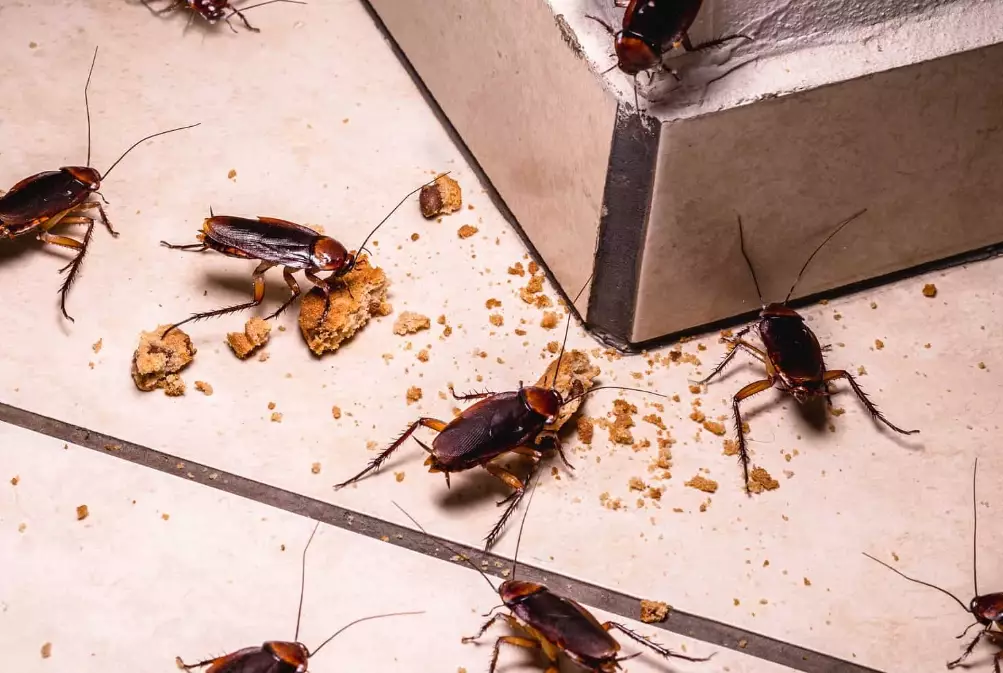
American cockroaches (Periplaneta americana) are one of the largest common cockroach species, often growing up to 1.5 inches long. They're not actually native to America—they likely hitched rides on ships from Africa centuries ago. But now, they're everywhere in warm, humid areas like basements, sewers, and kitchens.
Key Identification Features
Look for a reddish-brown color with a yellowish figure-8 pattern on the back of their head. They have wings and can fly short distances, which surprises many homeowners. I once had a client who mistook them for beetles, but the quick movements and antennae are dead giveaways.
Their habitats include damp, dark spaces. Think about your basement, crawl spaces, or around plumbing pipes. They love decaying organic matter, so if you have leaky pipes or food scraps lying around, you're inviting them in.
Why American Cockroaches Are a Big Problem
It's not just about the ick factor. According to the Centers for Disease Control and Prevention (CDC), cockroaches can spread bacteria like Salmonella and E. coli through their droppings and body parts. They contaminate food surfaces and trigger allergies, especially in kids. I've seen cases where persistent asthma in children was linked to cockroach allergens in the home.
Property damage is another issue. They'll chew on paper, fabrics, and even electrical wiring. One homeowner I worked with had a minor fire because cockroaches nested in an outlet box. It's rare, but it happens when infestations get out of hand.
Quick fact: A single American cockroach can produce up to 800 offspring in a year. That's why acting fast is crucial—waiting a few weeks can turn a sighting into a full-blown infestation.
How to Keep American Cockroaches Out of Your Home
Prevention is cheaper and easier than elimination. Most guides list basic tips, but here's what I've learned from field experience: sealing entry points is 80% of the battle. People focus on sprays and forget about gaps under doors or cracks in foundations.
Step-by-Step Prevention Plan
Start with a thorough inspection. Grab a flashlight and check these spots at night when they're active:
- Basements and crawl spaces: Look for moisture. A dehumidifier can reduce humidity below 50%, making the area less attractive.
- Kitchen and bathroom: Fix leaky faucets immediately. Even a small drip creates a water source.
- Exterior walls: Seal cracks with caulk. Pay attention to where pipes enter the house—use steel wool for small gaps.
Sanitation matters, but it's not just about cleaning counters. Store food in airtight containers, and take out the trash daily. I recommend using trash cans with tight-fitting lids. Pet food is a common oversight—don't leave it out overnight.
| Prevention Method | Why It Works | Common Mistakes |
|---|---|---|
| Sealing cracks with caulk | Blocks entry points; cockroaches can squeeze through tiny gaps | Using low-quality caulk that cracks over time |
| Reducing humidity with dehumidifiers | Cockroaches need moisture to survive; dry environments deter them | Placing dehumidifiers in the wrong areas (e.g., center of room instead of near damp walls) |
| Proper food storage | Removes food sources; cockroaches are scavengers | Leaving pet food bowls out or not cleaning spills promptly |
Landscaping can help too. Keep mulch away from your home's foundation, and trim bushes so they don't touch the walls. It reduces hiding spots and moisture buildup.
Getting Rid of American Cockroaches: What Actually Works
If you already have an infestation, don't panic. But avoid the rookie mistake of just spraying insecticide everywhere. It might kill a few, but it won't solve the root cause. Cockroaches are resilient—they can develop resistance to common chemicals.
DIY Approaches That Deliver Results
Start with bait gels and stations. They're effective because cockroaches eat the bait and carry it back to their nests, killing others. Place them near suspected harborage areas: under sinks, behind appliances, and in corners. I prefer products with fipronil or hydramethylnon—they work slowly but spread through the colony.
Diatomaceous earth is a natural option. Sprinkle it in dry, out-of-reach places like attics or behind cabinets. It dehydrates cockroaches by damaging their exoskeletons. Just wear a mask when applying to avoid inhaling dust.
For severe infestations, professional help is worth it. Pest control companies use integrated pest management (IPM) strategies, combining inspections, sanitation, and targeted treatments. Ask for a quote that includes follow-up visits—one-time sprays often fail.
Expert Tips: Common Mistakes You're Probably Making
After years in pest control, I've noticed patterns. Most homeowners underestimate American cockroaches. They think a clean house is immune, but these pests can thrive in clean environments if there's moisture and shelter.
Another pitfall: relying solely on over-the-counter sprays. They create a repellent barrier, but cockroaches just move to another room. I once inspected a home where the family sprayed the kitchen daily, but the cockroaches had migrated to the basement and multiplied unseen.
Timing is key. Treat infestations in the evening when cockroaches are active. And monitor with sticky traps—they're not just for catching pests; they help you track hotspots and gauge the severity.
Personal insight: In my experience, the biggest error is ignoring the outdoors. American cockroaches often originate from sewers or yard debris. Installing sewer gate valves or cleaning gutters can cut off their access routes. It's a step many miss, but it reduces reinfestation rates by half.
Your Top Questions Answered
Dealing with American cockroaches requires a mix of vigilance and smart strategies. Start with prevention, act quickly if you spot them, and don't hesitate to call a pro when needed. Remember, these pests are survivors, but with the right approach, you can keep your home cockroach-free.
Comments