Sewer rats aren't just creepy crawlies; they're a full-blown health hazard that can sneak into your home through drains and pipes. I've spent over a decade dealing with rodent infestations, and let me tell you, most people miss the early signs until it's too late. This guide cuts through the noise to give you practical, actionable steps to identify, prevent, and eliminate sewer rats for good. No fluff, just hard-earned insights from the field.
What You'll Learn in This Guide
What Are Sewer Rats Really?
When folks say "sewer rat," they're usually talking about the Norway rat, or Rattus norvegicus. These guys thrive in underground sewers, but they'll happily invade homes if given a chance. They're bigger than your average mouse—think 7 to 10 inches long, plus a tail—and they're excellent swimmers. I once saw one climb up a toilet pipe in a modern apartment building, which shocked the owner who thought only old houses had this issue.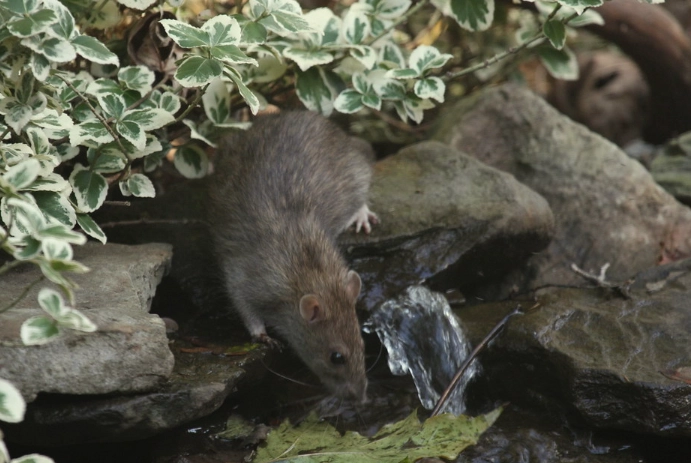
Their biology makes them tough to deal with. They can squeeze through holes as small as a half-inch, and they breed like crazy. A single pair can produce dozens of offspring in a year. The Centers for Disease Control and Prevention notes that rats in sewers can carry pathogens like leptospirosis, which is why ignoring them isn't an option.
How to Spot a Sewer Rat Problem Early
Most homeowners wait until they see a rat scurrying across the floor, but by then, you've got a full infestation. Here are the subtle signs I always look for first.
Unusual Noises from Drains or Walls
If you hear scratching, gnawing, or scurrying sounds coming from your pipes or walls, especially at night, that's a red flag. It's not just plumbing; rats are active when it's quiet. I had a client who mistook it for house settling, but it turned out to be a family of sewer rats nesting behind the drywall.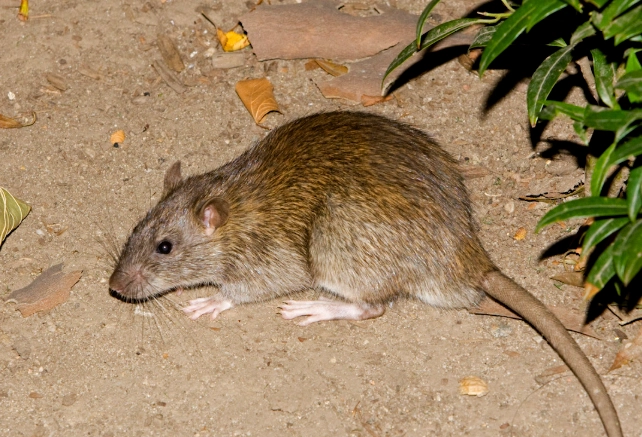
Droppings and Grease Marks
Sewer rat droppings are dark, spindle-shaped, and about half an inch long. You'll find them near food sources or along baseboards. They also leave grease marks from their fur along walls—look for dark smudges. Check under sinks, in basements, or around garbage areas.
Damaged Food or Wiring
Rats chew constantly to keep their teeth sharp. If you find gnawed food packages, frayed wires, or holes in walls, don't brush it off. I've seen cases where chewed wires led to electrical fires, so this isn't just about nuisance.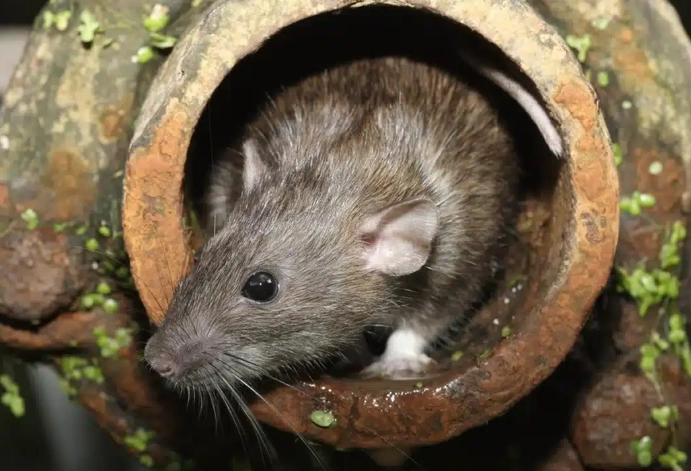
Here's a quick table to help you differentiate sewer rat signs from other pests:
| Sign | Sewer Rat Indicator | Common Mistake |
|---|---|---|
| Noises | Scratching from drains or pipes | Thinking it's water flow |
| Droppings | Large, dark, near water sources | Confusing with mouse droppings (smaller) |
| Damage | Chewed pipes or insulation | Blaming it on wear and tear |
The Hidden Dangers of Sewer Rats
Beyond the ick factor, sewer rats pose real risks. Their urine and feces can contaminate surfaces with bacteria like Salmonella. I recall a restaurant shutdown because rats got into the kitchen via a faulty sewer line—cost them thousands in fines and lost revenue.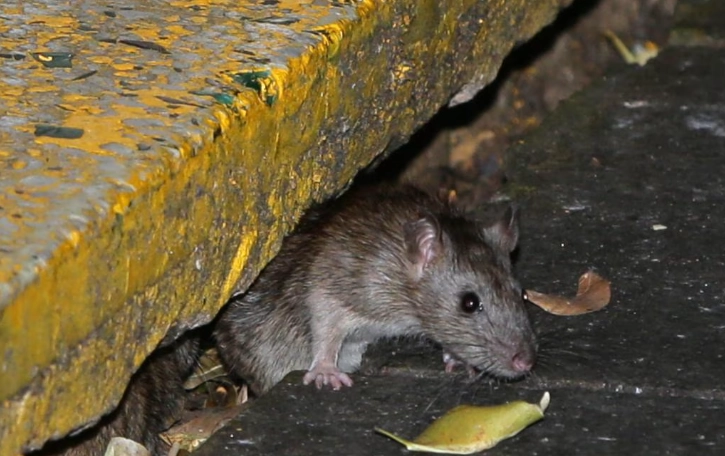
They also carry fleas and mites that can spread to pets. And let's not forget property damage: gnawed electrical wires are a fire hazard, and compromised pipes can lead to leaks. The National Pest Management Association highlights that rodents cause billions in damage annually, much of it preventable.
Personal take: Many DIY guides downplay the health risks, focusing only on traps. But if you have kids or pets, a sewer rat infestation is a ticking time bomb. Don't skimp on professional assessment if you're unsure.
Proven Strategies to Keep Sewer Rats Out
Prevention is cheaper than elimination. Here's what works, based on my experience.
Seal Entry Points
Inspect your home's exterior for cracks or holes, especially where pipes enter. Use steel wool or hardware cloth to seal gaps—rats can't chew through metal. Pay attention to drain covers; install mesh screens over outdoor drains. I've seen rats enter through uncapped sewer vents on roofs, so check those too.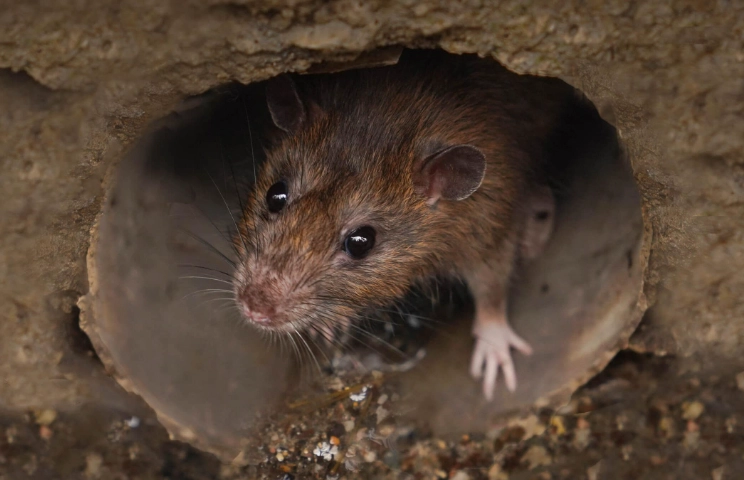
Maintain Sanitation
Keep food in airtight containers, take out trash regularly, and avoid leaving pet food out overnight. Reduce clutter in basements or garages where rats can hide. It sounds basic, but most infestations start with easy access to food and shelter.
Landscaping Tips
Trim trees and shrubs away from your house to eliminate bridges for rats. Keep firewood stored off the ground and away from walls. A client once had rats nesting in a woodpile right next to the foundation—moving it solved half the problem.
If you're in a high-risk area, consider installing rat-proof barriers around sewer lines. Some cities, like New York, have guidelines for this, but it's often overlooked by homeowners.
Step-by-Step Guide to Safely Get Rid of Sewer Rats
If you already have sewer rats, don't panic. Here's a methodical approach.
Step 1: Assess the Infestation
Figure out how bad it is. Set up monitoring traps or cameras near suspected entry points. I use non-lethal traps first to gauge activity—this avoids scattering rats and making things worse.
Step 2: Choose the Right Control Methods
Traps: Snap traps are effective but place them along walls where rats travel. Bait with peanut butter or dried fruit. Avoid glue traps; they're inhumane and less effective for larger rats.
Baits: Rodenticides can work, but use them cautiously. They're toxic to pets and kids, and dead rats might rot in walls. I prefer tamper-resistant bait stations placed in secure areas.
Professional Help: For severe infestations, hire a licensed pest control company. They have tools like sewer cameras and specialized baiting systems. Look for providers certified by organizations like the National Pest Management Association.
Step 3: Clean and Disinfect
After elimination, clean affected areas with a bleach solution to remove contaminants. Wear gloves and a mask. Repair any damage to pipes or walls to prevent re-entry. This step is often skipped, but it's crucial for long-term prevention.
I've seen people reuse traps without cleaning them, which can spread germs. Always disinfect tools after use.
Legal Bits You Should Know
Depending on where you live, there might be regulations around rodent control. For example, in some areas, landlords are required to address infestations in rental properties. If you're using poisons, check local laws—some places restrict certain rodenticides due to environmental concerns.
If sewer rats are coming from a municipal sewer line, you might need to contact your local public works department. I had a case where a city's neglected sewer main was the source, and getting them to fix it required persistent complaints.
LEAVE A REPLY
Your email address will not be published. Required fields are marked *