If you're in the Southeastern U.S. and haven't met a palmetto bug yet, consider yourself lucky. For the rest of us, that heart-stopping moment of flipping on the kitchen light to see a two-inch, mahogany-colored insect scuttle under the fridge is a rite of passage. Let's cut through the generic advice. I've dealt with these things for years in Florida, and the standard "spray and pray" method is a waste of money. Real control is about understanding the enemy and changing your environment. This guide is for anyone tired of the nightly raids and ready for a permanent solution.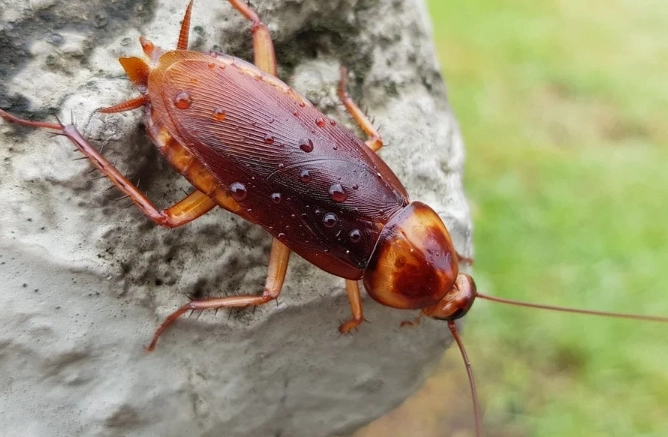
What You'll Find in This Guide
What Exactly Is a Palmetto Bug? (Spoiler: It's a Roach)
First, the straight talk. "Palmetto bug" is primarily a regional nickname for the American cockroach (Periplaneta americana). Sometimes the name gets tossed at other large roaches like the Smokybrown, but 9 times out of 10, it's the American. This isn't just semantics—knowing which species you're dealing with informs the best control strategy. The American roach is the big one, often over an inch and a half long, with a distinctive yellowish figure-8 pattern on the back of its head.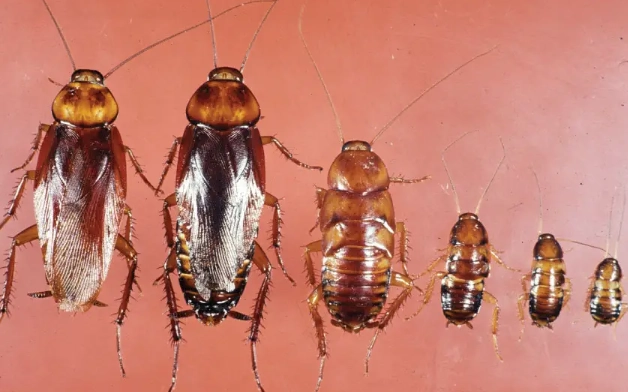
They love damp, decaying organic matter. Think mulch beds, tree holes, sewer systems, and the namesake palmetto bushes. They're strong fliers in warm weather, which is how they often end up on porches and, terrifyingly, sometimes right at you. They're primarily outdoor insects that become indoor pests when conditions are right—or when outside conditions are wrong (like a drought).
Palmetto Bug vs. German Cockroach: Why the Difference Matters
Mixing these up is the biggest mistake homeowners make. German cockroaches are the small, light-brown ones that infest kitchens and breed like crazy indoors. They're a whole different, and often worse, problem. Palmetto bugs (American roaches) usually come in from outside one or two at a time. Seeing a German roach typically means you have an established, breeding colony inside your walls or appliances.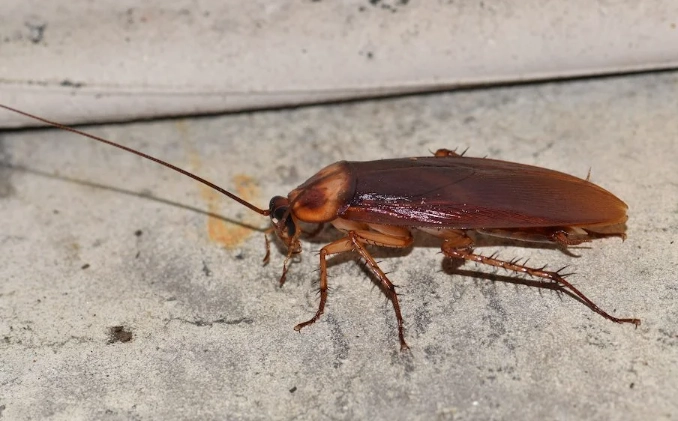
| Feature | Palmetto Bug (American Cockroach) | German Cockroach |
|---|---|---|
| Size | Large (1.5" - 2") | Small (0.5" - 0.6") |
| Color | Reddish-mahogany | Light brown with two dark stripes |
| Primary Habitat | Outdoors (mulch, sewers, trees). Indoors in damp areas like basements. | Indoors exclusively, near food/water/heat (kitchens, bathrooms). |
| Infestation Pattern | Often "invaders" from outside. Large numbers indoors signal a major entry point or outdoor harbor. | Breeds rapidly indoors. Seeing one means hundreds are hidden. |
| Control Focus | Exclusion & outdoor habitat management. | Intensive indoor baiting & insect growth regulators. |
Why Palmetto Bugs Are More Than Just a Nuisance
Sure, they're disgusting and startle you. But the risks are tangible.
Health Risks: They crawl through sewage, drains, and decaying matter, then track those bacteria (like Salmonella and E. coli) onto countertops, dishes, and food. Their shed skins and feces are potent allergens, a major trigger for asthma attacks, especially in children. The University of Florida's Entomology Department notes cockroaches as significant contributors to indoor allergens.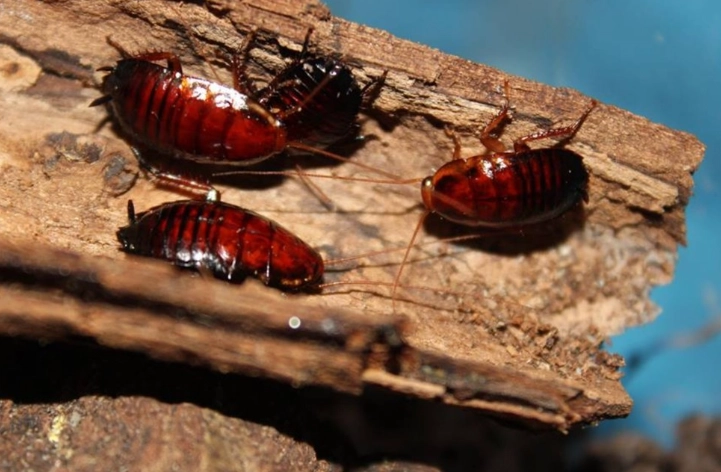
Property Damage: They'll chew on book bindings, wallpaper glue, and certain fabrics. I once found a cherished old paperback with the spine neatly gnawed—a palmetto bug's late-night snack.
The "Ick" Factor & Peace of Mind: This isn't trivial. Not wanting your home to host giant crawling insects is a perfectly valid reason to take action. The stress of wondering when the next one will appear ruins the comfort of your own space.
How to Prevent Palmetto Bugs from Entering Your Home
Prevention is 90% of the battle. Killing the ones inside does nothing if the highway in remains open. This is where most DIY efforts fail—they treat the symptom, not the cause.
Seal the Fortress: Your Home's Exterior
Grab a flashlight and do an evening inspection. Look for gaps, cracks, and holes. Pay obsessive attention to:
- Utility Penetrations: Where pipes, wires, and cables enter your house. Use expanding foam or copper mesh to seal these.
- Door Sweeps & Weatherstripping: A gap under a door is an open invitation. Ensure sweeps are tight to the ground.
- Vent Covers: Attic, crawlspace, and dryer vents should have tight-fitting, insect-proof screens.
- Foundation Cracks: Seal any cracks in the foundation with an appropriate sealant.
Eliminate the Welcome Mat: Outdoor Habitat Modification
This is the non-consensus, critical step most people ignore. You must make the perimeter of your house inhospitable.
- Mulch Management: Keep mulch beds at least 12-18 inches away from your foundation. Better yet, replace mulch near the house with a less attractive material like river rock or crushed stone. Mulch holds moisture and provides perfect harborage.
- Moisture Control: Fix leaky faucets and irrigation heads. Ensure downspouts direct water away from the foundation. Clean gutters. Palmetto bugs are drawn to moisture.
- Debris & Clutter: Remove leaf piles, stacked lumber, cardboard, and anything else that creates dark, damp hiding spots against the house.
- Vegetation: Trim back tree branches and shrubs so they don't touch the siding or roof. This removes aerial bridges.
How to Get Rid of an Active Palmetto Bug Infestation
When you're already seeing them inside, you need a tactical approach. Forget bug bombs—they're ineffective and dangerous. You need targeted, intelligent tools.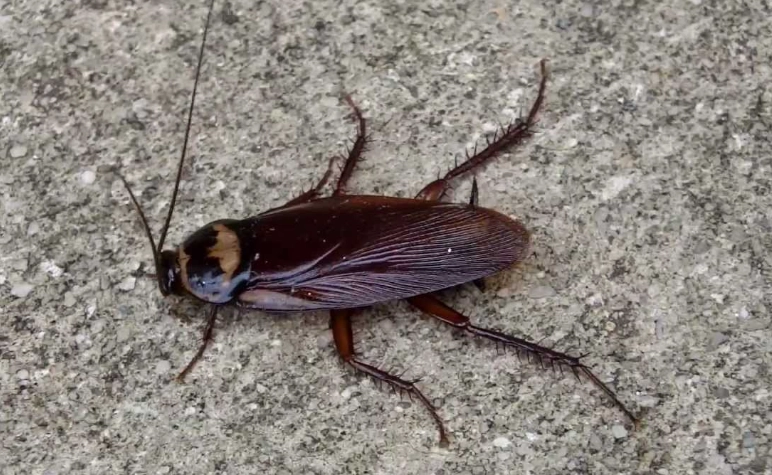
Strategic Indoor Control
Bait Stations & Gel Baits: These are your secret weapon. Roaches eat the bait, return to their harborage, die, and are then cannibalized by others, spreading the poison. Place them in hidden, damp areas where you see activity: under sinks, behind the fridge, in the basement corners, near the water heater. Brands like Advion Cockroach Gel are highly regarded by pros.
Insect Growth Regulators (IGRs): Products like Gentrol disrupt their reproductive cycle, preventing nymphs from maturing. It's a long-term population suppressor. Use it as a supplement to baiting.
Diatomaceous Earth (DE): A non-toxic powder that desiccates insects. Lightly dust it in wall voids, under appliances, and in attics. Use food-grade DE and wear a mask when applying. It's slow but effective and has no chemical resistance.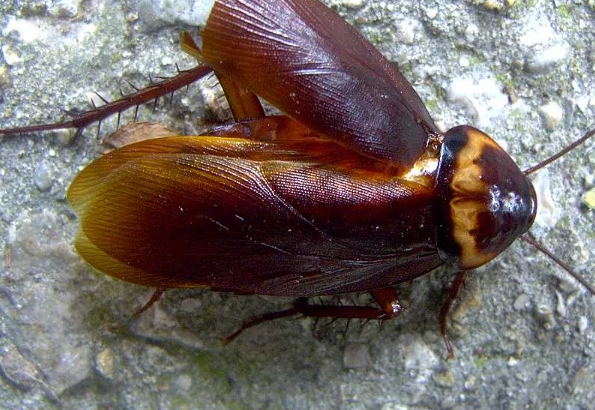
Critical Perimeter Defense
Create a chemical barrier outside to intercept them before they get in. A granular insecticide applied to the soil and foundation perimeter (following label instructions precisely) can provide months of protection. Look for products containing bifenthrin or deltamethrin. This breaks the invasion path.
But remember—this barrier is a backup. If you haven't done the habitat modification (the mulch, the moisture, the seals), they'll just find a way around it or through it eventually.
A Real-Life Case Study: My Garage Infestation
Let me tell you about my own failure and eventual success. My attached garage became a palmetto bug highway every summer. I'd see several a week. I sprayed the garage floor with over-the-counter insecticide. It killed a few, but the problem continued. I was treating the symptom.
Finally, I got serious. I moved everything out of the garage. In the back corner, against the house wall, was a stack of old cardboard boxes on a damp concrete spot. Beneath it? A congregation of palmetto bugs. The kicker? There was a 1-inch gap around the pipe where the washing machine drained. That was their front door.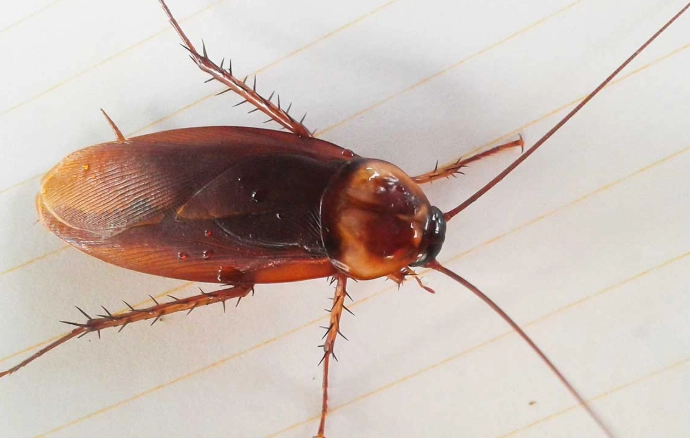
My action plan:
- Removed the harbor: Recycled all cardboard, cleaned the area, and fixed the minor drain leak.
- Sealed the entry: Packed that gap around the pipe with copper mesh and sealant.
- Modified the exterior: I had a lush flower bed with mulch right against that same section of the garage's exterior wall. I reduced the mulch depth and replaced the 6 inches closest to the wall with gravel.
- Applied targeted control: Placed bait stations in the now-clean garage corners and applied a granular insecticide to the new gravel zone.
The result? Within two weeks, sightings dropped to zero. I went from weekly encounters to maybe seeing one per season, usually after a heavy rain. It wasn't the insecticide that solved it; it was finding and eliminating the reason they were there.
Your Top Palmetto Bug Questions, Answered
I keep finding palmetto bugs in my bathroom. Does this mean they're coming up from the drains?
It's very likely. Bathrooms are often ground zero because they offer moisture and potential entry points. American cockroaches are notorious for traveling through sewer lines. They can come up through floor drains, sink overflow drains, or gaps around plumbing under sinks. Ensure all drain covers are in place and consider installing drain strainers with fine mesh. Pouring a mixture of baking soda and vinegar followed by hot water down seldom-used drains monthly can help keep pipes less inviting, but sealing physical gaps is more critical.
Are palmetto bugs dangerous to my pets if my dog eats one?
The bug itself isn't poisonous, but it can pose risks. The primary concern is the insecticide. If you've used bait stations or sprayed, a pet consuming a poisoned roach could ingest a secondary dose of the toxin. This is why placing baits in areas inaccessible to pets is a non-negotiable rule. The other risk is parasites; roaches can be intermediate hosts for certain parasites like the Physaloptera (stomach worm). While not extremely common, it's another good reason to control the population and discourage your pet from making them a snack.
I heard they're attracted to light. Should I keep my porch light off?
This is a classic half-truth. They are not attracted to light like moths. In fact, they are primarily nocturnal and negatively phototactic—they scatter when a light turns on. However, they are attracted to the warmth and UV light emitted by certain bulbs, particularly older incandescent and mercury vapor lights. The best practice is to switch porch and security lights to yellow "bug" bulbs (LEDs with a yellow tint) or sodium vapor lights, which are far less attractive to all nocturnal insects. This reduces the overall insect activity at your doors, which in turn reduces the hunting grounds for palmetto bugs and other pests.
Will cold winter weather kill off a palmetto bug problem?
No, and this is a dangerous assumption. While a hard freeze can reduce outdoor populations, it often drives them to seek shelter indoors with greater determination. Your warm house becomes a lifesaver. The insects you see in summer are just the scouts; the population is out there year-round in protected micro-habitats like sewer systems, mulch piles, and inside walls. Winter is actually the best time to execute your exclusion and sealing plan—you can work without the pressure of active invasions and be ready for spring.
What's the one tool or product you consider absolutely essential for DIY control?
A high-quality caulking gun and a case of silicone or acrylic latex caulk. Physical exclusion is the single most effective, longest-lasting, and cheapest form of pest control. Every tube of caulk is like a permanent, chemical-free insecticide barrier. After that, a good gel bait. But the caulk comes first. Spend an afternoon sealing, and you'll get more lasting results than from any spray you can buy.
LEAVE A REPLY
Your email address will not be published. Required fields are marked *