What's Inside?
Let's talk about red fuzzy ants. You've probably seen them. A trail of reddish-brown, slightly hairy-looking ants marching across your patio, maybe heading towards a crack in the foundation or a forgotten crumb. They're not the tiny black sugar ants, and they're not the big carpenter ants either. They're somewhere in between, and that fuzzy appearance makes them stand out. I remember the first time I saw a major trail of them in my own backyard garden; they were moving with a purpose that made me stop and take notice.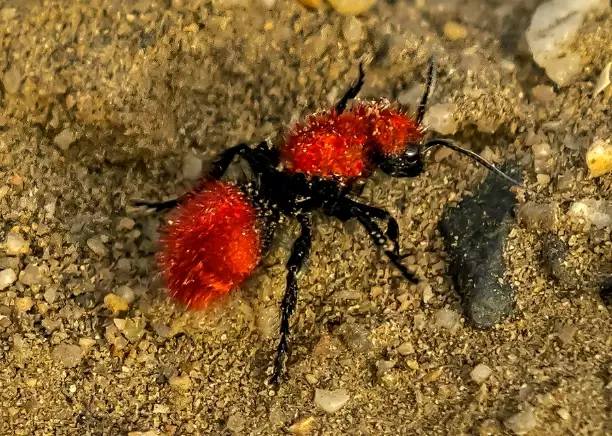
Most people's first reaction is a mix of curiosity and concern. What are these things? Should I be worried? This guide is here to cut through the confusion. We'll break down exactly what you're dealing with, how to confirm it's them, whether they're a real problem, and most importantly, what you can actually do about it.
What Exactly Are Red Fuzzy Ants?
When people say "red fuzzy ant," they're usually describing one of a few common species that fit the look. The most likely candidate in many areas is the velvety tree ant (Liometopum occidentale), but it could also be a species of Formica or even a larger pavement ant with a reddish hue. The "fuzz" isn't hair like on a mammal—it's a dense covering of tiny, fine hairs called setae that give the ant's exoskeleton a soft, velvety sheen, especially in sunlight.
These ants are typically outdoor nesters. They love to set up shop under rocks, in rotting logs, in soil at the base of plants, or sometimes in wall voids if they find a way inside. They're foragers, constantly on the hunt for food, which brings them into our spaces. They have a particular fondness for sweet substances (honeydew from aphids is a favorite) and protein sources.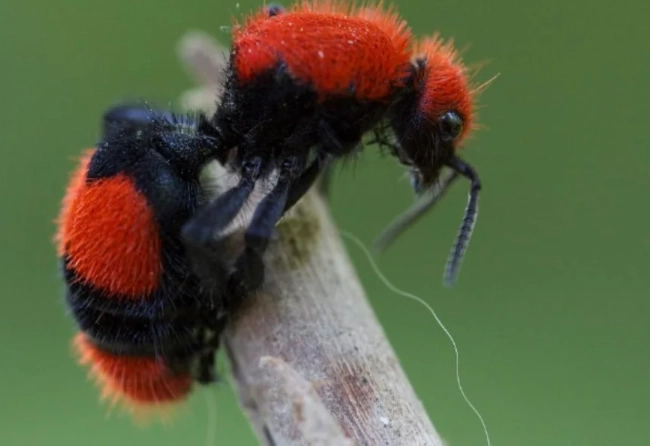
How to Spot Them: A Simple Identification Guide
Before you start any control plan, you need to be sure of your target. Misidentifying ants is a classic beginner mistake that leads to wasted time and money. Here’s a quick checklist to confirm you have red fuzzy ants:
- Color: Ranges from a reddish-brown to a darker, almost mahogany red. The workers are usually uniform in color.
- Size: Workers are generally between 1/8 to 1/4 inch long (3-6 mm). Not the smallest, not the largest.
- The "Fuzz": Look closely. The body, especially the thorax and abdomen, should have a noticeable sheen or textured appearance under good light. It looks soft, not smooth and shiny.
- Shape: They have the standard ant anatomy: head, thorax, abdomen, with a distinct "waist" (pedicel) featuring two nodes.
- Behavior: They often move in well-defined trails. If you disturb a trail, watch how they react—they can be somewhat aggressive and may emit a faint, odd odor when crushed (some describe it as lemony or rancid).
Still unsure? Try to follow a trail back to its source. Finding the nest—often a small crater of fine soil or an entrance under an object—is the best confirmation.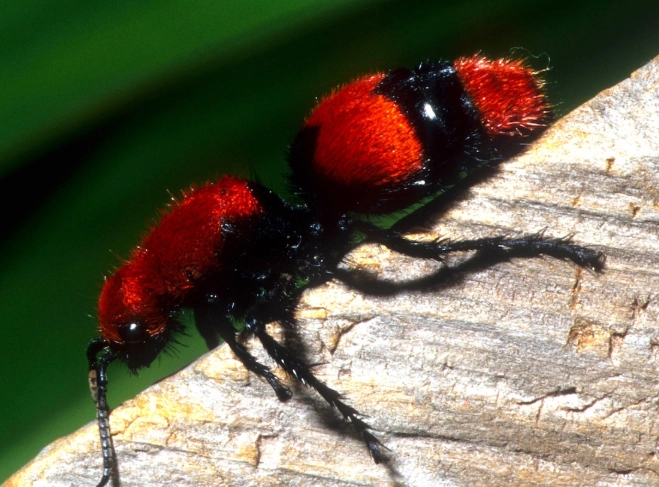
Are Red Fuzzy Ants Dangerous or Just a Nuisance?
This is the big question. Let's be clear: red fuzzy ants are not known to be major structural pests like carpenter ants, and they are not significant health threats like some stinging ants. Their primary crime is being a nuisance. However, "nuisance" can have different levels.
- Invasion of Space: They forage indoors for food and water, contaminating pantries and surfaces.
- Protective Behavior: They can bite if their nest is threatened. It's more of a pinch than a serious sting, but it can be surprising and mildly painful.
- Farming Aphids: Like many ants, they may "farm" aphids on your plants for their honeydew, which can harm your garden.
- Potential for Larger Issues: While rare, a large, established colony nesting in a wall void could, over a very long time, contribute to moisture problems.
So, are they an emergency? Usually not. But should you ignore a thriving colony right outside your back door? Probably not.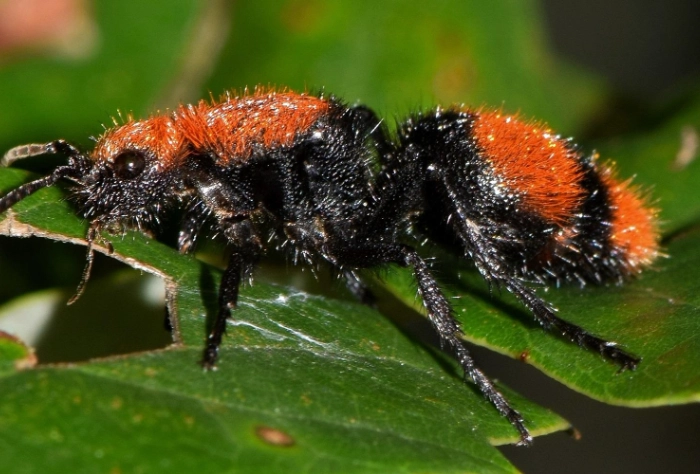
How to Prevent an Infestation Before It Starts
Prevention is always cheaper and easier than elimination. Think of your home and yard as a fortress. Your job is to close the gates and remove the welcome mat.
Seal the Entry Points
Grab a tube of silicone caulk and take a slow walk around your home's exterior. Pay close attention to:
- Cracks in the foundation >Gaps around utility lines and pipes >Spaces under doors and around windows >Holes in siding or brick mortar
Ants can fit through openings the width of a pencil lead. Be thorough.
Eliminate the Attractions
Ants are just looking for food, water, and shelter. Don't provide it.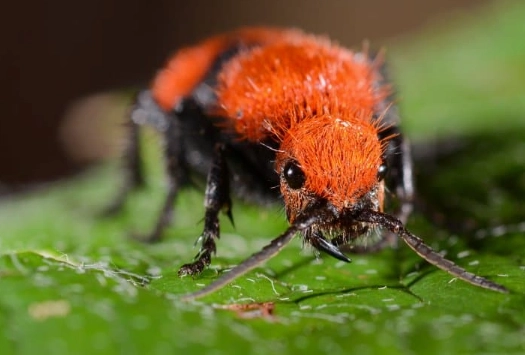
| Target | Action to Take | Why It Works |
|---|---|---|
| Food Sources | Store pantry items (especially sugar, syrup, pet food) in airtight containers. Wipe down counters and sweep floors daily. Take out trash regularly. | Removes the primary reason ants venture inside. |
| Water Sources | Fix leaky faucets and pipes. Ensure downspouts direct water away from the foundation. Don't let water pool in plant saucers. | Ants need water to survive. A dry perimeter is a hostile perimeter. |
| Outdoor Shelter | Move firewood, lumber, and rocks away from the house. Keep mulch beds thin and a few inches away from the foundation. Trim tree branches and shrubs so they don't touch the house. | Destroys potential nesting sites and the "bridges" ants use to access your home. |
How to Get Rid of Red Fuzzy Ants: A Step-by-Step Plan
Okay, they're already here. Time for action. A common error is to just spray the ants you see with a household insecticide. This kills the foragers but does nothing to the colony—the queen keeps producing more. You need a strategic approach.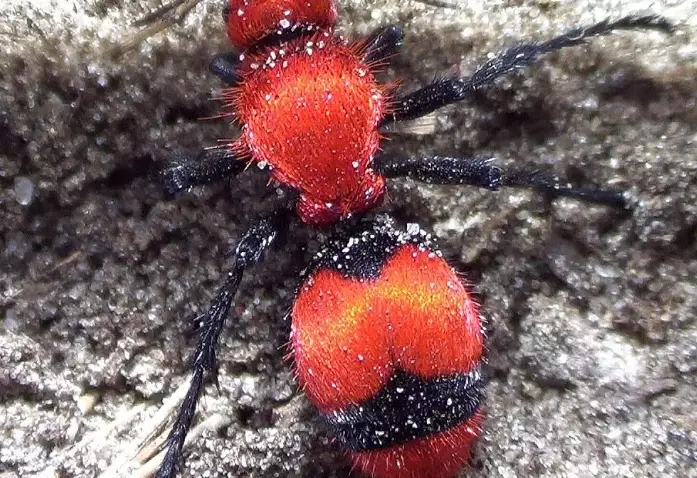
Phase 1: Find the Trail and the Nest
Don't kill the first ant you see. Watch it. See where it goes. Is it carrying food back to a nest? Follow the trail. The goal is to locate the colony itself. It might be under that flat stone in your flowerbed, at the base of that tree, or in a crack in the driveway.
Phase 2: Choose Your Weapon (The DIY Arsenal)
For small to moderate outdoor colonies, you can often handle it yourself. Here are your main options, ranked by effectiveness for this type of ant:
- Ant Baits (Gel or Stations): This is often the most effective DIY method. Foraging ants take the bait (which is a slow-acting insecticide mixed with an attractive food) back to the nest, where it gets shared, eventually killing the queen and colony. Pro Tip: Don't place baits right on the trail. Put them near the trail. If you kill the foragers immediately, the bait never reaches the nest.
- Diatomaceous Earth (DE): A fine, powder made from fossilized algae. It's non-toxic to humans and pets but lethal to insects. Sprinkle a thin line of food-grade DE around nest entrances and potential entry points. It works by damaging the ant's exoskeleton, causing them to dehydrate. It loses effectiveness when wet.
- Boiling Water: A classic, direct method for nests in the ground. Pouring 2-3 gallons of boiling water directly into the nest entrance can wipe out a colony. Major caveat: This will also kill any grass or plants in the immediate area, and it's not always 100% effective if the nest is deep or complex.
Phase 3: When to Call a Professional
If you've tried the above methods and the ants keep coming back, or if you discover the colony is inside your walls, it's time to call a licensed pest control professional (PMP). They have access to stronger, targeted products and the expertise to locate and treat hidden colonies. Look for a company with good reviews that specializes in integrated pest management (IPM).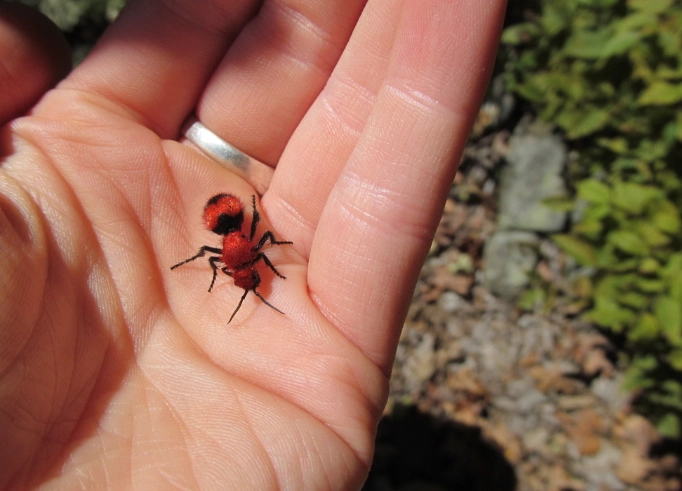
Your Questions, Answered
LEAVE A REPLY
Your email address will not be published. Required fields are marked *