You’re turning over a damp flowerpot or a pile of leaves in your backyard, and there they are: little gray, segmented bugs that immediately curl into perfect, armored balls. Rollie pollies. Everyone’s seen them, but how much do you really know about these humble backyard tenants? Let’s get one thing straight right away—they’re not even insects. That’s the first surprise. This guide cuts through the myths and gives you the straight facts on what they are, what they do, and whether you should welcome them or show them the door.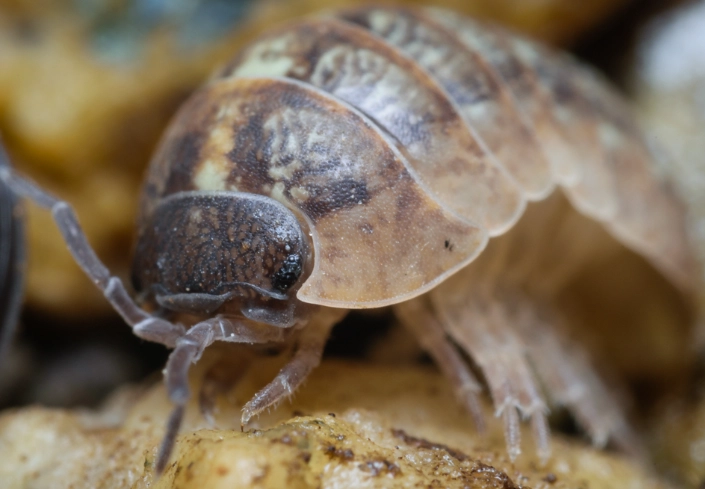
What You’ll Discover in This Guide
- What Exactly Are Rollie Pollie Insects? (A Biology Primer)
- Are Rollie Pollies Pests or Garden Allies? (The Truth Revealed)
- How to Identify a Rollie Pollie Infestation (Signs and Symptoms)
- Natural and Effective Ways to Manage Rollie Pollie Populations
- How to Create a Rollie Pollie-Friendly Zone (The Benefits)
- Common Myths and Misconceptions About Pill Bugs
- Rollie Pollie Insects: Frequently Asked Questions (FAQs)
What Exactly Are Rollie Pollie Insects? (A Biology Primer)
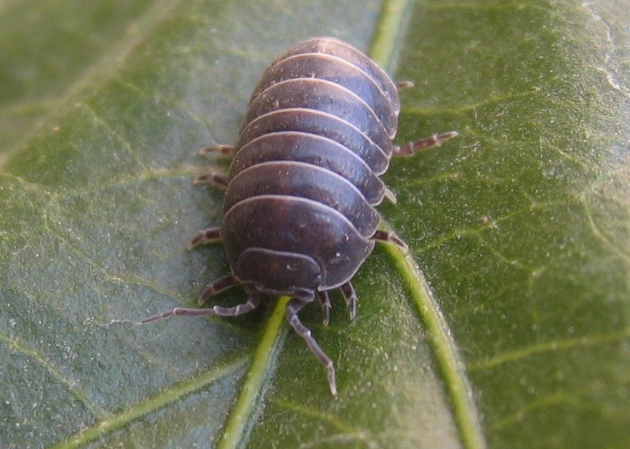
Let’s be clear: they are not insects. This is the most common misconception. Rollie pollies, also called pill bugs, woodlice, or by their scientific name Armadillidium vulgare, are terrestrial crustaceans. Think of them as the ocean’s shrimp or crabs that decided to move onto land millions of years ago. They still have gills, which is why they absolutely need moisture to survive.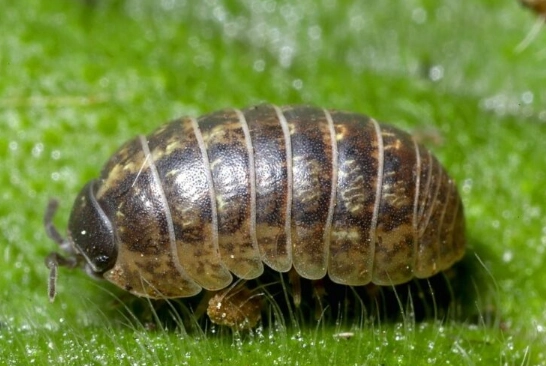
That rolling-into-a-ball trick? It’s called conglobation. It’s a brilliant defense mechanism against predators. Not all “woodlice” can do it—the ones that can’t are usually called sowbugs. If it rolls, it’s a pill bug (rollie pollie). If it scampers away, it’s likely a sowbug.
Quick Biology Card:
Scientific Name: Armadillidium vulgare (most common species)
Class: Malacostraca (Crustaceans)
Diet: Detritivores (eat decaying organic matter)
Lifespan: 2-5 years
Key Feature: Seven pairs of legs, two pairs of antennae (one long, one tiny), gills for breathing.
I remember as a kid, I thought they were kind of gross. But watching them up close changed my mind. They’re meticulous cleaners. Their primary job in the ecosystem is decomposition. They munch on dead leaves, rotting wood, and even deceased animals, breaking it all down and returning nutrients to the soil. They’re nature’s little recyclers.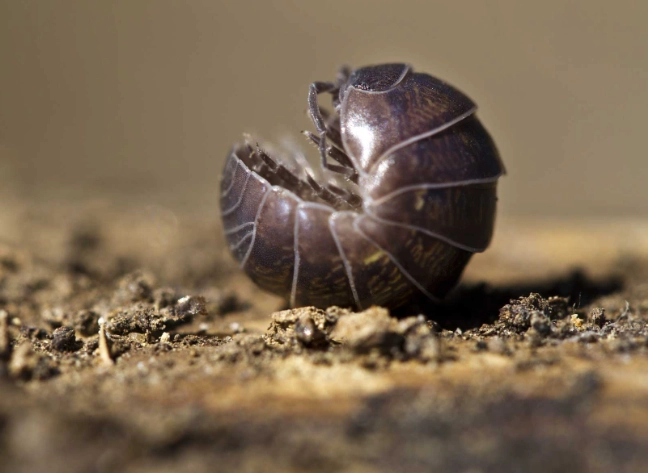
Are Rollie Pollies Pests or Garden Allies? (The Truth Revealed)
Here’s where most gardening forums get it wrong. The blanket statement “rollie pollies are good for your garden” is only half true. They are beneficial decomposers until their preferred food source runs out.
In a balanced garden with plenty of decaying matter, they’re allies. But in a damp, over-mulched vegetable garden with tender seedlings? They can become opportunistic feeders. When their main menu of decaying stuff is scarce, they might turn to living plant material—often starting with the soft, moist stems of seedlings or low-hanging fruits like strawberries touching the soil.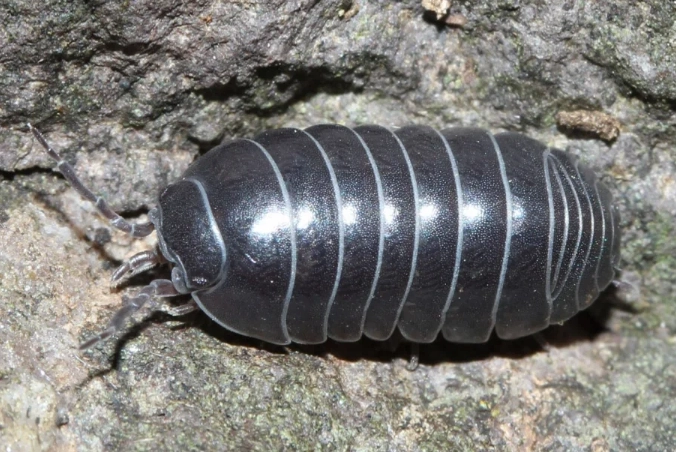
The expert nuance here that most beginners miss: The problem is rarely the pill bugs themselves. It’s the environmental conditions that create the problem. An overabundance of pill bugs is a symptom, not the root cause. The cause is usually excess moisture and excessive organic debris right against your plants.
| Situation | Friend or Foe? | Why |
|---|---|---|
| In a compost pile | Super Friend | They accelerate decomposition, no living plants to harm. |
| Around established shrubs & trees | Friend | They clean up leaf litter, aerate soil slightly. |
| In a seed tray or on new seedlings | Potential Foe | Tender stems are easy targets if decaying matter is lacking. |
| In a damp basement or garage | Nuisance | They’re harmless but indicate a moisture issue. |
How to Identify a Rollie Pollie Infestation (Signs and Symptoms)
You don’t have an “infestation” just because you see a few. They’re social creatures, so seeing a small group under a pot is normal. A problem arises when their population booms and you see damage. Look for these specific signs:
- Irregular Chewing Damage: Unlike slugs that leave large holes, pill bugs make small, irregular chews on seedlings, sometimes eating the entire stem at soil level. Look for damage on the lower parts of young plants first.
- Concentration in Damp Zones: Mass gatherings under mulch, thick layers of wet leaves, stones, or wooden boards next to your garden beds.
- The Potato Trap Test: This is an old gardener’s trick. Cut a potato in half, hollow out a bit of the center, and place it cut-side down near the affected plants overnight. Check it in the morning. If it’s teeming with pill bugs, you’ve confirmed high local activity.
- Presence in Unwanted Areas: Large numbers wandering into your home’s foundation, garage, or basement are a clear sign of excessive outdoor moisture driving them to seek shelter.
The damage is often blamed on slugs or caterpillars. A telltale sign it’s pill bugs? You rarely see them in the act during the day. They feed mostly at night.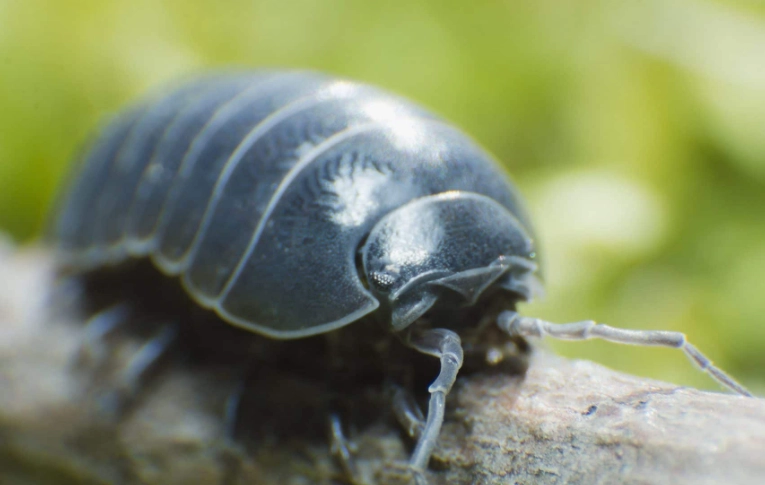
Natural and Effective Ways to Manage Rollie Pollie Populations
Reaching for a chemical pesticide is almost always the wrong move. It kills the beneficial insects and soil life you want, and it’s overkill for a crustacean. Management is about habitat modification, not eradication. Your goal is to make the immediate area around your prized plants less inviting.
1. Modify Their Habitat (The Most Effective Step)
This tackles the root cause. You need to create a dry, less cluttered barrier around your plants.
- Reduce Mulch Depth: Pull mulch back 2-3 inches from plant stems. This creates a dry moat they dislike crossing.
- Water in the Morning: This allows the soil surface to dry by evening, when pill bugs are most active. Drip irrigation is far better than overhead watering.
- Clean Up Debris: Remove boards, stones, thick leaf mats, and rotting vegetation right next to your garden bed.
- Elevate Pots: Use pot feet to keep containers off damp ground.
2. Create Physical Barriers
For especially vulnerable plants like seedlings, a simple barrier works wonders.
- Diatomaceous Earth (DE): Sprinkle a ring of food-grade DE around plants. It’s a fine powder that feels like razor blades to their exoskeletons, causing them to dry out. It must be reapplied after rain or watering.
- Copper Tape: Some gardeners swear by adhesive copper tape around pots or beds. It’s thought to give them a mild electrical shock. Results are mixed, but it’s a harmless option to try.
3. Use Strategic Traps (Not Poisons)
Traps reduce numbers humanely and let you monitor the population.
- The Grapefruit Half or Newspaper Roll: Place halved grapefruit rinds or rolled-up damp newspaper near problem areas overnight. In the morning, collect the traps with the pill bugs inside and relocate them to your compost pile.
- Beer Trap Caution: While famous for slugs, beer traps can attract and drown pill bugs too. But they can also attract more pests than you started with. I find them messy and less effective than dry traps for pill bugs specifically.
Avoid This Common Mistake: Don’t use salt to kill them. It’s cruel, increases soil salinity harming your plants, and does nothing to solve the environmental cause. It’s a short-sighted, destructive fix.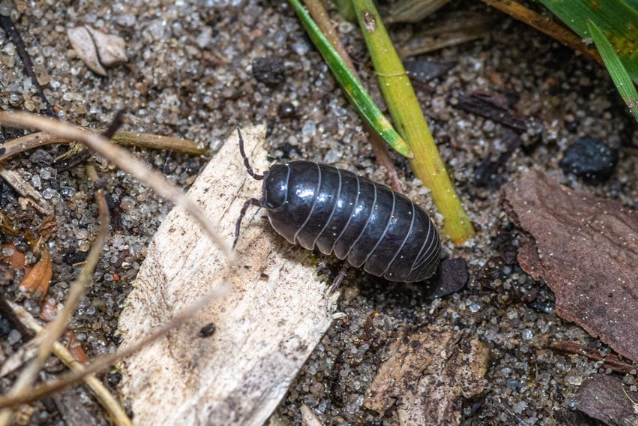
How to Create a Rollie Pollie-Friendly Zone (The Benefits)
Maybe you’ve decided you want these little decomposers around. They’re fascinating for kids to observe and great for soil health. Here’s how to set up a dedicated zone that keeps them happy and out of your vegetable patch.
Designate a corner of your yard, preferably shaded and out of the way. Build a simple “bug hotel” or just pile up:
- Rotting logs or untreated wood pieces
- A thick layer of damp leaves
- Stones or broken terracotta pots for hiding
- Keep this area consistently moist (not soaked) by watering it occasionally.
This gives them a paradise of their own food and shelter. By providing an attractive alternative, you draw them away from your garden beds. It’s a win-win. You get the benefits of their decomposition work in a controlled area, and your seedlings stay safe.
Common Myths and Misconceptions About Pill Bugs
- Myth 1: “They eat live plants first.” Truth: They prefer decaying matter. Live plants are a last resort or opportunistic snack.
- Myth 2: “They are insects.” Truth: They’re crustaceans, related to shrimp.
- Myth 3: “They bite or sting humans.” Truth: They are physically incapable of biting people. They have no stingers.
- Myth 4: “They carry diseases.” Truth: According to sources like university entomology departments (e.g., University of California Statewide Integrated Pest Management Program), they are not known to transmit any diseases to humans or pets.
- Myth 5: “They destroy wood structures like termites.” Truth: They only eat wood that is already rotting and damp. They won’t touch sound, dry wood.
Rollie Pollie Insects: Frequently Asked Questions (FAQs)
So, the next time you see a rollie pollie, you’ll see more than just a bug. You’ll see a tiny land-based recycler with a 400-million-year history, just going about its business. With a little understanding and some simple habitat tweaks, you can easily ensure they play a helpful role in your garden’s story, not a destructive one.
LEAVE A REPLY
Your email address will not be published. Required fields are marked *