What You'll Find Here
- What is a Pillbug? More Than Just a Rolling Bug
- How to Identify Pillbugs: Key Features to Look For
- Where Do Pillbugs Live? Understanding Their Habitat
- Are Pillbugs Harmful to Your Garden? The Truth Revealed
- How to Control Pillbugs Naturally: Step-by-Step Methods
- The Surprising Benefits of Pillbugs in Ecosystems
- Common Myths About Pillbugs Debunked
- Frequently Asked Questions About Pillbugs
Let's cut to the chase: pillbugs are those little gray critters you find under pots or in damp corners, and most gardeners either ignore them or panic. I used to be in the panic camp—until I spent a summer observing them and realized how much we get wrong. Pillbugs, also known as woodlice or roly-polies, aren't insects; they're crustaceans, related to shrimp and crabs. That alone should make you rethink your approach. In this guide, I'll walk you through everything from spotting them to managing their presence without harming your garden's balance. By the end, you might even appreciate these tiny recyclers.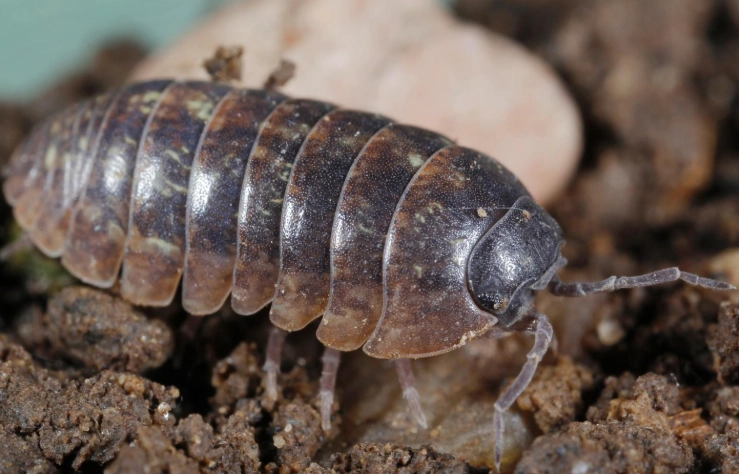
What is a Pillbug? More Than Just a Rolling Bug
When you see a pillbug, it's easy to lump it with pests like slugs or beetles. But here's the thing: pillbugs belong to the isopod family, specifically the genus Armadillidium. They breathe through gills, which means they need moisture to survive—that's why they're always in damp spots. I learned this the hard way when I tried drying out my garden shed and found them clustered near a leaky pipe. Unlike insects, they have seven pairs of legs and a segmented body that lets them roll into a ball when threatened, hence the name "roly-poly." This rolling behavior isn't just cute; it's a defense mechanism against predators like birds and spiders.
Most people don't know that pillbugs are decomposers. They feed on decaying organic matter—think dead leaves, rotting wood, and even animal droppings. In my garden, I noticed they were more active around compost piles than healthy plants. According to the University of California Agriculture and Natural Resources, pillbugs play a crucial role in breaking down waste, which enriches soil. So, if you're seeing them, it might indicate your garden has plenty of organic material, which isn't necessarily bad.
How to Identify Pillbugs: Key Features to Look For
Identifying pillbugs is straightforward once you know what to look for. They're often confused with sowbugs, which are similar but can't roll up completely. Here's a quick table to spot the differences: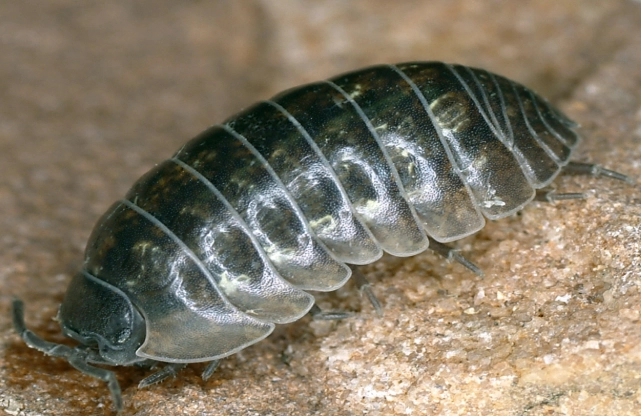
| Feature | Pillbug (Armadillidium vulgare) | Sowbug (Oniscus asellus) |
|---|---|---|
| Body Shape | Oval, can curl into a tight ball | Flatter, cannot roll completely |
| Color | Dark gray to brown, sometimes with mottling | Gray or brown, often with a patterned back |
| Tail Appendages | Two small tail-like structures (uropods) | Visible tail plates |
| Habitat Preference | Damp, shaded areas with organic matter | Similar, but often in wetter spots |
In my experience, pillbugs are about 1/4 to 1/2 inch long when unrolled. They move slowly and often gather in groups. If you lift a rock or log, you might see dozens scurrying away. Their antennae are short, and they have a distinct segmented shell that looks like armor. One subtle detail: pillbugs tend to be more active at night or on cloudy days, so check your garden after dusk if you're having trouble spotting them.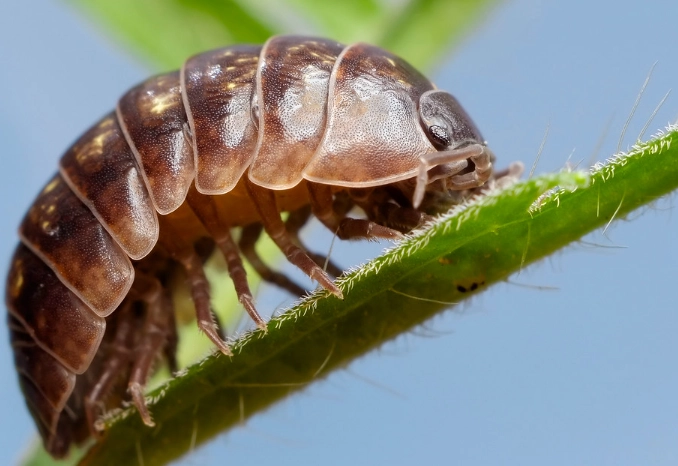
Where Do Pillbugs Live? Understanding Their Habitat
Pillbugs thrive in moist environments. Think under flower pots, in mulch beds, around compost bins, or even in basement corners. I once had a client who was convinced pillbugs were eating her seedlings, but when we inspected, they were clustered in a soggy patch of soil near an overwatered planter. Their gills require humidity, so they'll avoid dry areas. This is key for control—if you reduce moisture, you'll naturally reduce their numbers.
Common hotspots include:
- Garden beds with heavy mulch: The mulch retains moisture and provides food.
- Under decaying wood or stones: These offer shelter and a food source.
- Near water sources: Like leaky hoses or irrigation systems.
A pro tip: use a flashlight at night to scout for them. I did this in my own yard and found a colony under a wooden deck that I'd ignored for years.
Are Pillbugs Harmful to Your Garden? The Truth Revealed
This is where most gardeners go wrong. Pillbugs are primarily scavengers, not predators. They prefer dead or decaying material, but in high populations or very damp conditions, they might nibble on young, tender plants like seedlings or strawberries. I've seen cases where pillbugs damaged seedlings in a greenhouse, but it's rare—usually, they're blamed for damage caused by slugs or other pests.
The real issue isn't the pillbugs themselves, but the environment. If your garden is overly wet and has lots of decaying matter, pillbugs will multiply. They're a symptom, not the cause. For example, in a study by the Royal Horticultural Society, pillbugs were found to contribute less than 1% to plant damage in controlled gardens, compared to slugs which accounted for over 20%. So, before you reach for pesticides, assess your garden's moisture levels and cleanliness.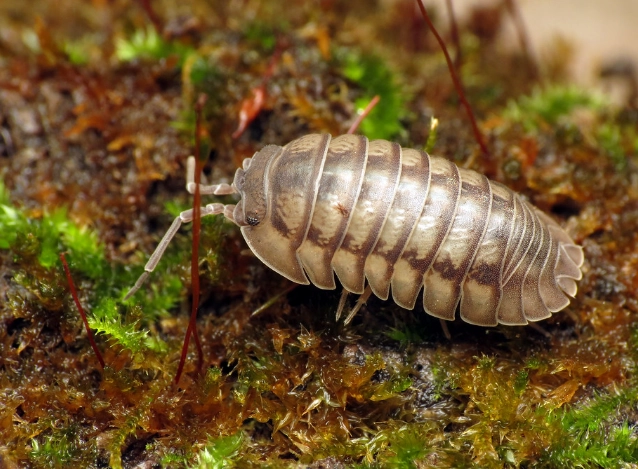
Personal insight: I used to spray insecticides on pillbugs, thinking they were destroying my beans. Later, I realized the damage was from earwigs, and the pillbugs were just cleaning up fallen leaves. It was a wake-up call to observe more carefully.
How to Control Pillbugs Naturally: Step-by-Step Methods
If pillbugs are becoming a nuisance, here are effective, natural ways to manage them. I've tested these in my garden, and they work without harming beneficial insects.
- Reduce Moisture: Fix leaky faucets, improve drainage, and water plants in the morning so soil dries by evening. I switched to drip irrigation and saw a 70% drop in pillbug activity within weeks.
- Remove Hiding Places: Clear away debris like old boards, stones, and excessive mulch. Keep garden beds tidy.
- Use Traps: Place damp newspaper or cardboard pieces in the garden overnight. Pillbugs will gather under them; in the morning, collect and relocate them to a compost area. It's a simple, non-lethal method.
- Barrier Methods: Sprinkle diatomaceous earth around plant bases. This natural powder dehydrates pillbugs but needs reapplication after rain. Copper tape can also deter them, though it's more expensive.
- Encourage Predators: Birds, frogs, and ground beetles eat pillbugs. Add bird feeders or a small pond to attract these natural controllers.
Avoid chemical pesticides—they often kill more than just pillbugs and can disrupt soil health. I made that mistake early on and ended up with a sterile garden that took months to recover.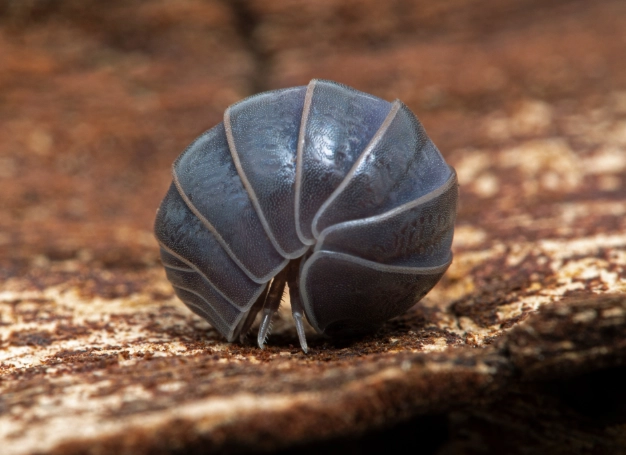
The Surprising Benefits of Pillbugs in Ecosystems
Pillbugs are unsung heroes in the garden. They break down organic matter, speeding up decomposition and releasing nutrients back into the soil. In forests, they're vital for nutrient cycling. I've noticed that areas with healthy pillbug populations have richer, darker soil because of their activity.
They also help aerate the soil as they move, similar to earthworms but on a smaller scale. In my compost bin, pillbugs are welcome guests—they munch on kitchen scraps and turn them into finer material that decomposes faster. If you're into organic gardening, consider pillbugs allies rather than enemies. Just keep their numbers in check by managing moisture.
Common Myths About Pillbugs Debunked
Let's bust some myths I hear all the time:
- Myth 1: Pillbugs eat healthy plant roots. False. They lack the mouthparts to chew through tough roots. They might feed on decaying roots, but that's actually helpful.
- Myth 2: Pillbugs are insects. Nope, they're crustaceans. This means they're more related to seafood than to ants or beetles.
- Myth 3: Rolling into a ball means they're dead or sick. It's a defense tactic—they're perfectly fine and will unroll when safe.
I once believed myth 1 and wasted money on root treatments. Observation taught me better.
Frequently Asked Questions About Pillbugs
Wrapping up, pillbugs are fascinating creatures that deserve a second look. Instead of fearing them, use this guide to manage them wisely. Remember, a balanced garden often includes a few pillbugs doing their cleanup duty. If you found this helpful, share it with fellow gardeners—it might save them from unnecessary pest control headaches.
LEAVE A REPLY
Your email address will not be published. Required fields are marked *