You notice them first as a faint, shimmering line across your kitchen counter. They're so small you almost miss them. A trail of specks, each no bigger than a grain of sand, leading from a tiny crack in the backsplash to a crumb you missed. You wipe them away, but they're back the next day, and the day after that. You've got ants, but not the big black carpenter ants or even the common odorous house ants. These are something else—stealthy, persistent, and frustratingly good at hiding. You likely have thief ants, one of the most misunderstood and mishandled household pests.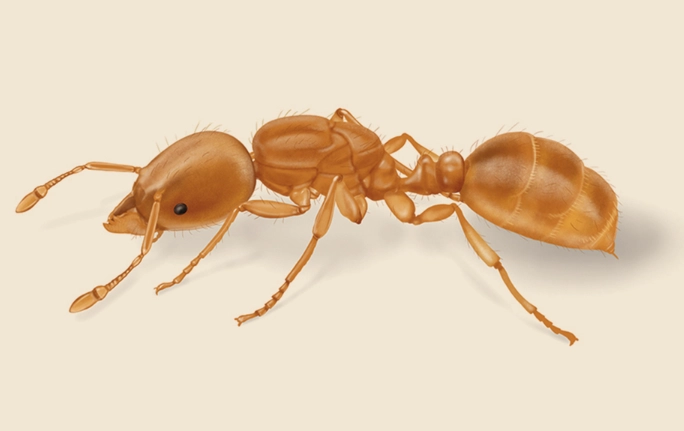
I've been in pest management for over a decade, and I can tell you most DIY attempts against thief ants fail. People spray the visible trail, only to see it reappear a foot away. They put down granular bait, which the ants ignore. The problem isn't your effort; it's that you're fighting an enemy you don't fully understand. This guide will change that. We'll strip away the guesswork and give you the exact strategy professionals use.
What You'll Find in This Guide
What Do Thief Ants Look Like? (The Critical Details)
Misidentification is the number one reason people lose the battle against these ants. You can't beat what you can't name correctly.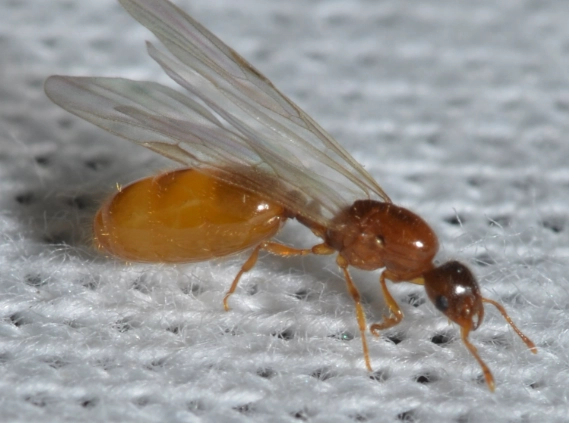
Size is the first clue. Worker thief ants (Solenopsis molesta) are incredibly small, measuring between 1.5 to 2.2 millimeters long. To give you a visual, that's about half the size of a common pavement ant. They're often described as "grease ants" because of their yellowish to light brown color, though some can appear darker.
Here’s the part most online guides get wrong: you need to look at more than just color. Grab a magnifying glass if you have one. Check their antennae—thief ants have a distinct 10-segmented antenna with a 2-segmented club at the end. Their thorax (the middle section) has an uneven profile with spines, but these are so tiny you might not see them without magnification.
The most telling sign isn't visual, it's olfactory. Crush a single ant between your fingers (sorry, little guy) and take a faint sniff. A distinct, rancid butter or rotten coconut smell is a dead giveaway for thief ants. This is different from the "blue cheese" smell of odorous house ants.
Thief Ants vs. Pharaoh Ants: The Confusion That Wastes Your Time
This is the critical comparison everyone needs to see. Mixing these two up means using the wrong bait, which is like trying to put out a fire with gasoline.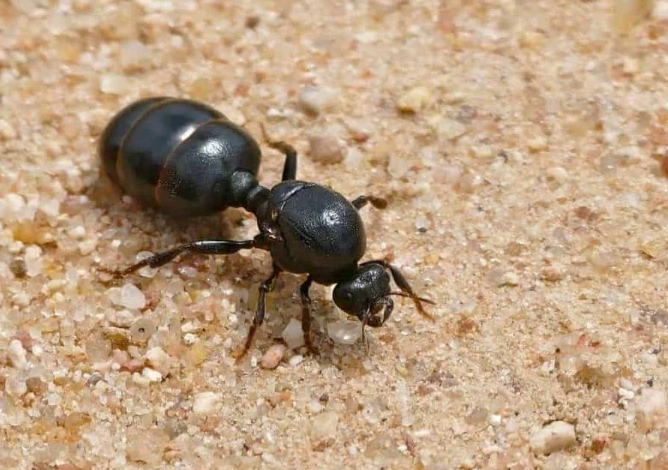
| Feature | Thief Ants | Pharaoh Ants |
|---|---|---|
| Color | Yellowish to light brown | Yellow to light brown, with a darker abdomen |
| Size | 1.5 - 2.2 mm (Very Small) | 1.5 - 2.0 mm (Very Small) |
| Key Distinction | Antennae have a 2-segmented club. Strong rancid odor when crushed. | Antennae have a 3-segmented club. No strong distinctive odor. |
| Preferred Diet | Protein and fats (meats, grease, nuts, other insects). | Extremely varied, but heavily favors sweets and proteins. |
| Nesting Behavior | Often nest near or inside nests of other ants to steal resources. | Nest in warm, hidden voids (wall spaces, behind baseboards). |
| Biggest Control Mistake | Using only sweet baits. They'll ignore them. | Using repellent sprays. Causes colony to split (bud). |
See the problem? If you buy a generic gel bait marketed for "sugar ants" to fight thief ants, you're just feeding the pharaoh ants that might also be around. You need the right tool for the job.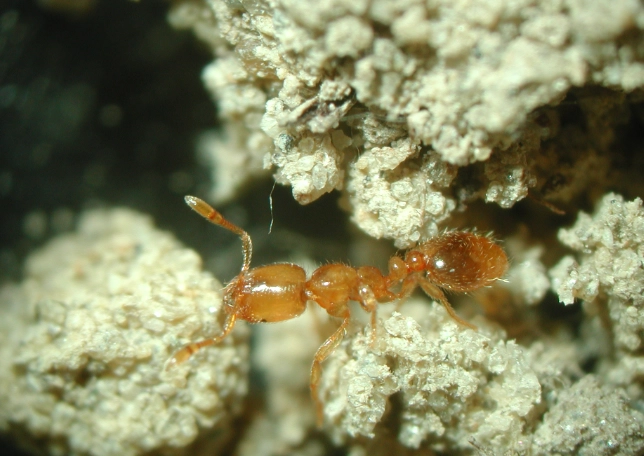
How Do Thief Ants Get Into Your Home?
They don't need much. Their size is their greatest superpower. We're talking gaps the width of a credit card.
- Cracks in foundation and exterior walls: Any hairline fracture is a potential highway.
- Utility lines and pipes: Where pipes enter your home, there's often a gap filled with insulation or sealant that degrades over time.
- Windows and door frames: Warped wood or worn weather stripping creates perfect entry points.
- Through firewood or potted plants: They can hitch a ride indoors if the plant or wood harbors a satellite colony.
I once inspected a home where the trail originated from a tiny, almost invisible gap where the kitchen sink's drainpipe went through the cabinet floor. The homeowners had been sealing the baseboards for weeks to no avail.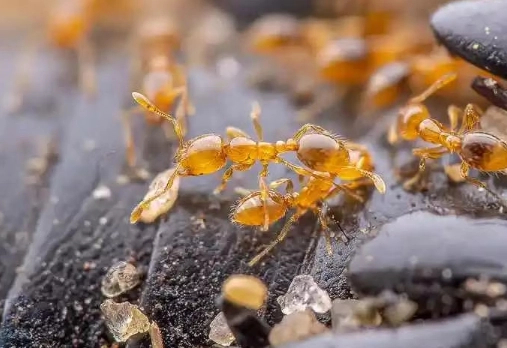
Pro Tip: Track the trail backwards. Follow the line of ants, even if it means getting on your hands and knees. The point where they disappear into a wall, floor, or cabinet is your primary entry zone. Mark it with a piece of tape. That's ground zero for your exclusion efforts.
Why Thief Ants Are So Hard to Eliminate
Understanding their biology is half the battle. Here’s what makes them a nightmare.
Multiple, Tiny Nests (Polygyny): A single property can host dozens of small, interconnected nests, each with its own queen. Spraying one trail might knock out one foraging group, but ten other nests remain untouched. This is why spot treatments fail.
Dietary Preferences: Their common name, "thief ant," comes from their habit of stealing food and even larvae from other ant colonies. This translates indoors to a strong preference for protein and fats. They love pet food, grease splatters behind the stove, dead insects in light fixtures, and nut butters. If you're only putting out sugar water or jam-based baits, they'll walk right past.
Nesting Sites: They prefer moist, protected areas. Indoors, this means inside wall voids near plumbing leaks, under flooring, in insulation, or even in abandoned termite galleries. Outdoors, they're often under stones, logs, or in the soil near foundation walls. You rarely find a central, easily targetable mound.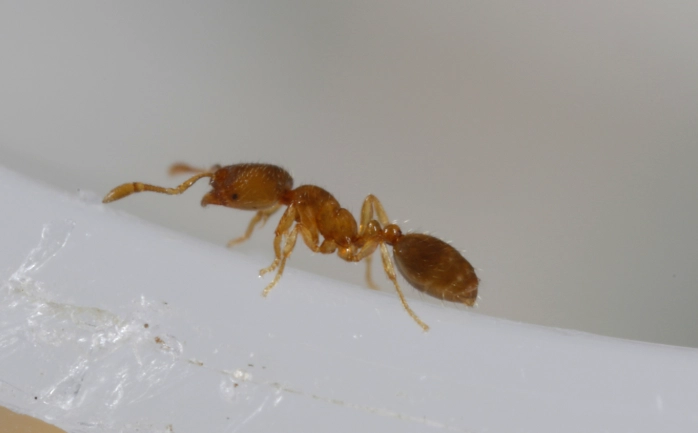
A Step-by-Step Plan to Get Rid of Thief Ants
This is the actionable plan. Skip steps at your own peril.
1. Sanitation: Cut Off the Food Supply
This isn't just about wiping counters. Be forensic.
- Wipe down all kitchen cabinet exteriors and interiors, especially corners and hinges, with a vinegar or all-purpose cleaner to erase pheromone trails.
- Pull out major appliances (fridge, stove) and clean the floors and walls behind them. This is a grease goldmine for thief ants.
- Store all open dry goods (cereal, pasta, nuts, pet food) in airtight containers. Glass jars or plastic bins with sealing lids are best.
- Take out the trash and recycling nightly. Rinse all cans and bottles before tossing them in the bin.
Sanitation alone won't eliminate them, but it makes your bait the most attractive food source in the area.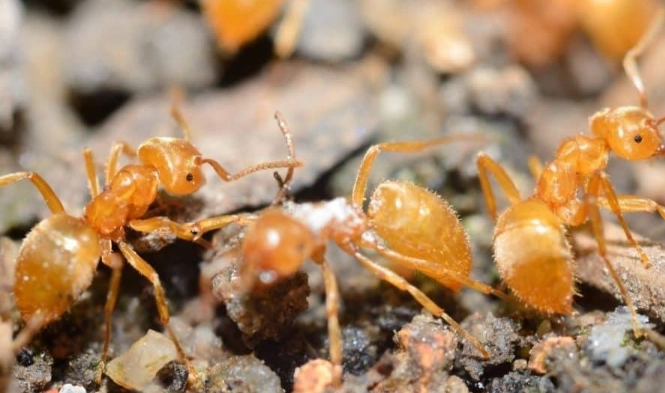
2. Baiting: The Only Effective DIY Chemical Control
Forget sprays. Repellent insecticides will scatter the colonies and make the problem worse. You must use baits.
Bait Selection is Critical: You need a protein-based or grease-based bait. Look for active ingredients like:
- Indoxacarb (in products like Advion Ant Gel): A top choice. It's a non-repellent toxin that works slowly, allowing workers to share it with the colony and queen.
- Fipronil (in some granular baits): Effective, but ensure the bait matrix is attractive to protein-loving ants.
- Borax-based protein baits: You can make a homemade version with 1 part borax to 3-4 parts peanut butter or blended cat food, but commercial gels are more reliable and safer to place.
The Big Mistake: Placing a huge glob of bait. More is not better. Thief ants are tiny and need only tiny droplets. Place small, pea-sized dots of gel bait every few feet along their trails, near entry points, and in corners where you've seen activity. If you put a large pile, they'll treat it as a food source to be harvested slowly, not a poison to be taken back to the nest quickly.
Patience is Key: Do not disturb the trails or kill ants you see near the bait for at least 48 hours. You want them to feast and carry the poison home. You should see increased activity at first (good, they're taking it!), then a gradual decline over 5-7 days.
3. Sealing Entry Points
Once activity slows, it's time to lock them out. Use a quality silicone caulk or copper mesh (for larger gaps) to seal every crack, crevice, and hole you identified. Pay special attention to areas where pipes and wires enter.
Keeping Thief Ants Out for Good
Think of this as ongoing home maintenance.
- Trim tree branches and shrubs so they don't touch your house. These are ant bridges.
- Keep mulch and landscaping beds at least 6 inches away from the foundation.
- Fix leaky faucets and pipes promptly. Moisture attracts them.
- Store firewood off the ground and away from the house.
- Consider applying a non-repellent, transferable insecticide like fipronil as a perimeter treatment in early spring. This creates a barrier that foraging ants cross, pick up, and carry back to their nests. It's a professional tactic available in some consumer products.
Your Thief Ant Questions, Answered
I see thief ants in my bathroom but not the kitchen. Where is the nest?
That's a classic sign of a nest inside a wall void near plumbing. The moisture from pipes or a small leak creates an ideal environment. They're foraging for water or perhaps dead insects in the walls. Check for condensation under sinks, around toilets, and near tubs. The nest could be directly above or below the bathroom in an adjacent wall space.
Are thief ants dangerous? Do they bite or sting?
They possess a small stinger, but it's incapable of penetrating human skin. They are not a direct health threat like some stinging ants. However, their real danger is contamination. They forage in garbage, dead insects, and unsanitary places before marching across your food and countertops, potentially spreading bacteria like Salmonella or E. coli.
I've used bait for two weeks and still see a few. Did it fail?
Not necessarily. Seeing a few stragglers after the main colony collapses is common. It often means you have multiple, independent satellite nests. One nest is gone, but a smaller one remains. This is the time for persistence, not changing tactics. Replenish the bait dots in the areas where you still see activity. If you've had consistent activity for over 3 weeks with proper baiting, the nest might be in a very protected area (like under a slab foundation), and professional intervention with specialized equipment may be needed.
Can they damage my house like carpenter ants?
No. Thief ants do not chew wood to create galleries. They are strictly looking for food and nesting in existing cavities. They are a nuisance and contamination pest, not a structural pest. That said, if you're seeing larger ants that look similar, you should rule out carpenter ants or pavement ants, which can cause damage.
What's the one thing a professional would do that most homeowners don't?
They'd perform a thorough inspection to find as many satellite nests as possible, often using a flashlight and mirror to look into voids. Then, they'd use a combination of baiting strategies—different protein-based baits in different locations—to account for slight dietary shifts within the same colony. They also have access to more potent, non-repellent insecticides for perimeter and void injections that provide longer-lasting control. The homeowner's advantage is time and persistence; you live there and can monitor and re-bait daily, which a pro can't do.
LEAVE A REPLY
Your email address will not be published. Required fields are marked *