You find a suspicious, itchy bite. You see a tiny, rusty spot on your sheet. Panic sets in. How did this happen? You keep a clean home. The truth is, bed bug infestations have very little to do with cleanliness. These pests are expert hitchhikers, and understanding how bed bugs get in your house is the first, most critical step in keeping them out. It's not about being dirty; it's about being in the wrong place at the wrong time and not knowing what to look for.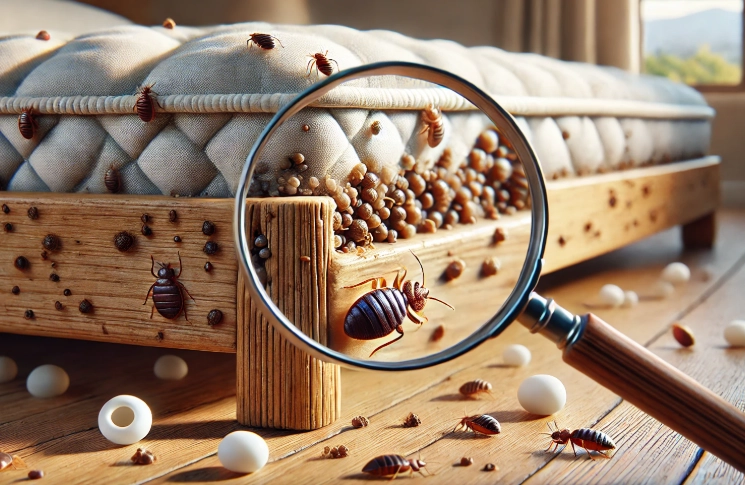
What You'll Learn in This Guide
The 7 Most Common Ways Bed Bugs Enter Your Home
Let's cut to the chase. Bed bugs don't fly or jump. They crawl. Slowly. For them to get from an infested location to your sanctuary, they need a ride. Here are the seven most frequent modes of transportation for these unwanted guests.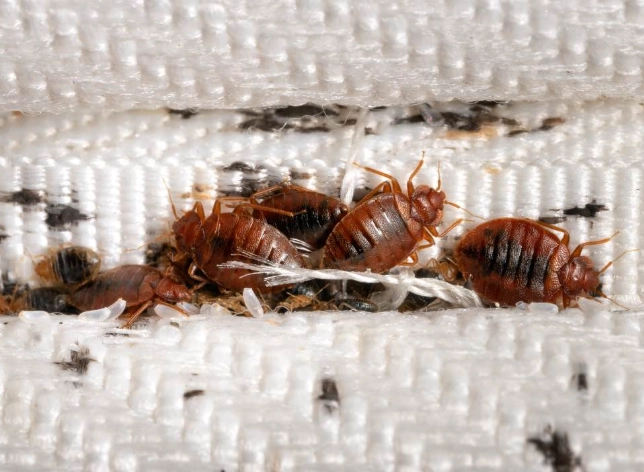
1. Through Luggage and Travel Gear
This is the grand champion of bed bug entry points. Hotels, motels, Airbnbs—even nice ones—can have problems. The bugs hide in mattress seams, behind headboards, and in furniture. They crawl into your suitcase, which you then place on your bed at home. A study often cited by pest management professionals highlights travel as a primary driver of infestations. I've seen cases where a single business trip led to a full-blown problem because the person unpacked directly into their bedroom hamper.
2. On Used Furniture and Mattresses
That charming vintage armchair from the flea market or the "perfectly good" mattress left on the curb is a giant, blinking "Free Ride" sign for bed bugs. They nest deep inside upholstery, in screw holes, and under labels. A common mistake is thinking you can spot an infestation easily. Early-stage infestations can be incredibly discreet, with bugs hiding in a single seam.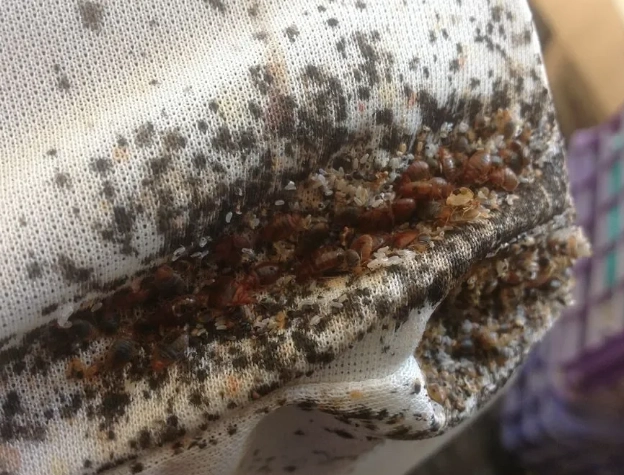
Expert Insight: The biggest error people make with used furniture is only checking the surface. You must inspect every crevice, seam, and fold. Remove drawers, check the interior frame, and use a flashlight. If you have any doubt, don't bring it inside. Treating a $50 couch can cost hundreds.
3. Via Guests and Their Belongings
Friends, family, or even a neighbor popping over can unknowingly bring a stowaway. It might be in the fold of their coat, their laptop bag placed on the sofa, or an overnight bag. This is a tough one because it feels rude to scrutinize your guests' things. The risk is higher if the visitor is coming from a high-risk environment like a multi-unit building with a known issue, a college dorm, or a healthcare facility.
4. Through Shared Laundry Facilities
Apartment dwellers, take note. This is a major vector in multi-family housing. An infested neighbor places their bedding or clothes in a communal washer or dryer. Bugs or eggs can transfer to the drum or simply crawl out of the laundry basket and wait for the next user. Always use a new, clean bag to transport laundry, and if possible, run the dryer on high heat for at least 30 minutes before adding your clothes.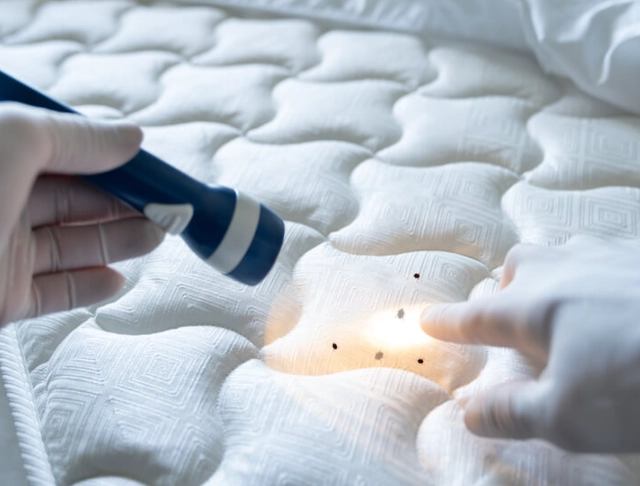
5. From Adjacent Apartments or Units
Bed bugs are mobile. They can travel through wall voids, electrical conduits, plumbing lines, and along heating pipes. If your neighbor has an untreated infestation, it's only a matter of time before they explore new territory—yours. This is why building-wide coordination is essential for effective control, a point stressed by organizations like the National Pest Management Association (NPMA).
6. On Second-Hand Clothing and Bags
Thrift stores, while economical, are a risk. A bug can hide in the seam of a jacket, the pocket of a pair of pants, or the lining of a purse. Always, always run second-hand textiles through a high-heat dryer cycle before bringing them into your living space. The washer alone isn't enough; the heat of the dryer is what kills all life stages.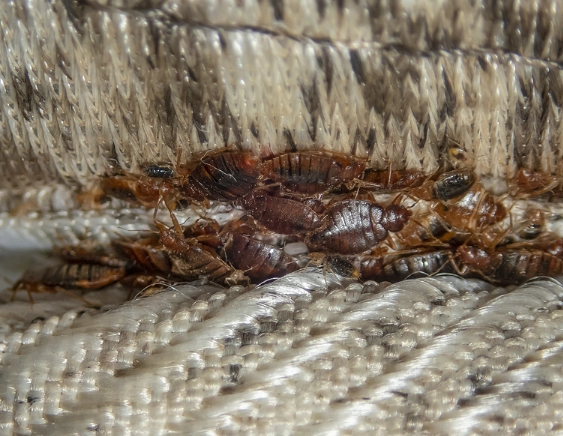
7. On You (or Your Pet), Directly
It's less common but possible. If you sit for an extended time in an infested seat—a movie theater, a bus, a waiting room, a library chair—a bug could crawl onto your clothing. They are attracted to the carbon dioxide and warmth we emit. Pets can also carry them in, though bed bugs prefer human hosts and won't live on your pet like fleas do.
Key Takeaway: The common thread in all these entry points is passive transportation. Bed bugs rely on us to move them. By interrupting this hitchhiking process at key moments, you build a strong defense.
How to Check for Bed Bugs After Potential Exposure
Let's say you just got back from a hotel stay or bought a used dresser. What now? Don't wait for bites. Be proactive with this inspection routine.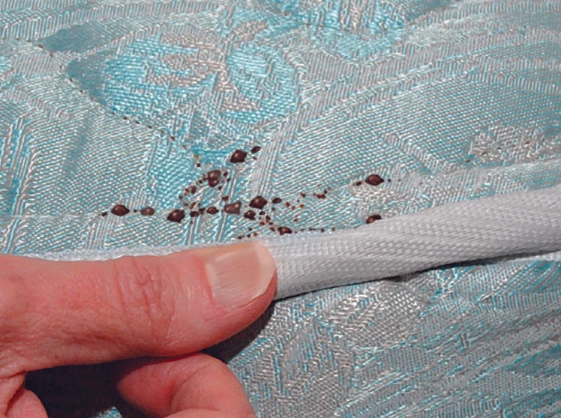
For Luggage: Unpack directly into a large, empty plastic trash bag. Seal it. Take all clothes and fabric items directly to the dryer and run on the highest heat setting for 30 minutes. Inspect the hard shell of your suitcase. Pay close attention to:
- Seams and stitching, especially inside pockets and along handles.
- Zipper teeth and the fabric behind them.
- Any folds or creases in expandable sections.
Wipe down the exterior with a damp cloth. Consider storing suitcases in a garage, basement (in a sealed plastic bin), or away from bedrooms.
For Furniture or Items: Conduct the inspection in a garage, on a driveway, or on a light-colored sheet—never directly in your living room. Use a bright flashlight and a credit card or flat tool to probe seams. Look for:
- Live bugs: Apple-seed sized, reddish-brown, flat if hungry, swollen if fed.
- Fecal spots: Tiny black or dark brown dots (like a marker tip). They smear.
- Cast skins: Pale, shell-like exoskeletons nymphs shed as they grow.
- Eggs: Tiny (1mm), pearly-white, and often stuck in clusters.
Proactive Steps to Prevent Bed Bugs from Getting In
Prevention isn't about living in fear; it's about building smart habits. Focus your energy on the highest-risk activities: travel and introducing used items.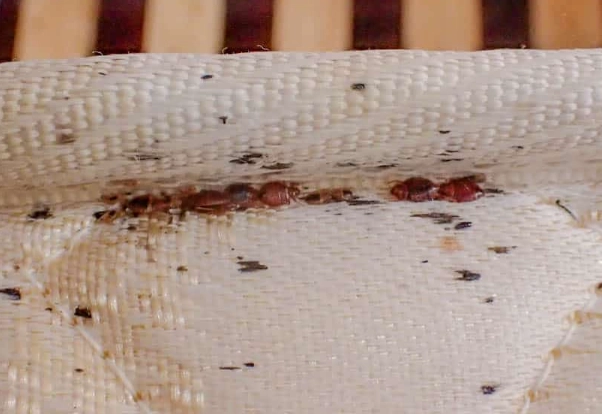
Create a Travel Protocol
Before you even leave, research your accommodation for recent bed bug reports (but take online reviews with a grain of salt). Pack large plastic bags (Ziploc big bags or garbage bags) to contain dirty laundry. When you arrive, do a quick hotel room inspection before bringing luggage past the doorway. Put your suitcase on the luggage rack or in the bathtub—surfaces bed bugs are less likely to crawl on.
Manage Second-Hand Items Intelligently
Adopt a "guilty until proven innocent" mindset. For any fabric item, the dryer is your best friend. For hard furniture, a thorough outdoor inspection is non-negotiable. Consider using a portable steamer on non-washable items; the high heat can kill bugs and eggs hidden in seams.
Physical Barriers for Your Home
These won't stop an infestation already inside, but they can help block new arrivals. Install high-quality, climb-up interceptors under the legs of your bed and favorite furniture. These simple cups trap bugs trying to climb up. Also, use mattress and box spring encasements. These don't repel bugs, but they trap any inside and make inspection of the mattress—a prime hiding spot—much easier by creating a smooth, light-colored surface.
Declutter, especially around your bed. It gives them fewer places to hide and makes your monitoring efforts more effective.
LEAVE A REPLY
Your email address will not be published. Required fields are marked *