You're not imagining things. That flash of black and red scurrying across your patio or clustered on your sunflower stem is one of nature's most common color combos in the insect world. I've spent years in gardens and homes dealing with these little guys, and the first thing I tell people is this: don't panic. Not every black and red bug is a villain. Some are harmless bystanders, a few are actually your allies, and yes, some are pests that need managing. The trick is knowing which is which. A wrong move could mean killing a beneficial insect that's controlling other pests, or letting a real problem get out of hand. This guide will cut through the confusion, showing you exactly how to identify the most common black and red bugs, understand their role, and take the right action—or no action at all.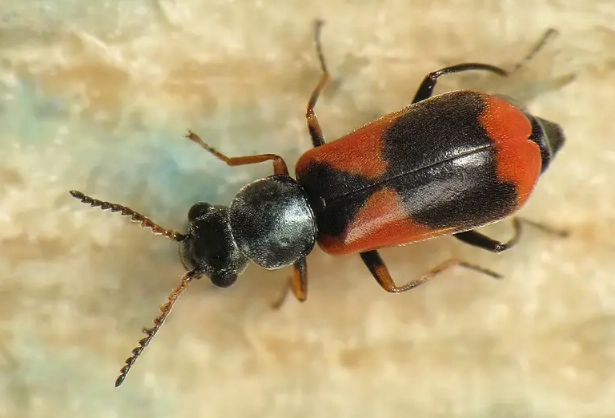
What's Inside This Guide
Why Black and Red is Nature's Warning Sign
In nature, bright colors like red, orange, and yellow paired with black often scream "Back off!" This is called aposematic coloration. It's an advertisement to predators that the insect might taste bad, be toxic, or can defend itself. Think of a ladybug—birds learn to avoid that red and black pattern. Many of the bugs we'll discuss use this to their advantage. The milkweed bug feeds on toxic milkweed, making itself unpalatable. The boxelder bug? It's mostly a bluff. It can emit a foul odor if crushed, but it's not truly harmful. Understanding this helps explain their behavior. They're often bold and slow-moving because they're counting on their colors to protect them. It's a key reason you find them out in the open, not hiding.
Meet the Usual Suspects: 4 Common Black and Red Bugs
Let's break down the most common culprits. I've organized them by where you're most likely to find them and the level of concern they should cause.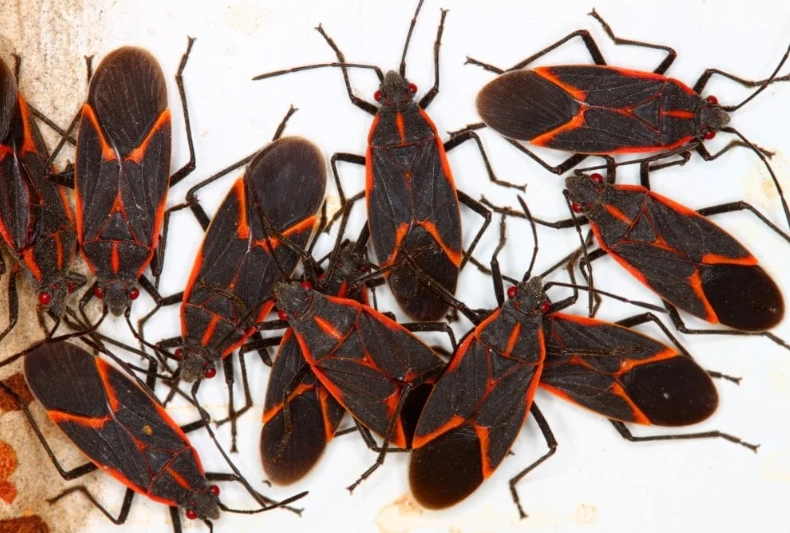
| Bug Name | Key Identifiers | Where You'll Find Them | Harm Level |
|---|---|---|---|
| Boxelder Bug | Black with distinct red lines on the thorax and wing edges. Elongated, oval shape. About 1/2 inch long. | Massed on sunny sides of houses (especially in fall), on boxelder, maple, and ash trees. | Nuisance. Can stain surfaces. Doesn't bite or damage structures. |
| Small Milkweed Bug | Bright red-orange and black with a complex, X-shaped pattern on its back. Narrower than boxelder bugs. | Exclusively on milkweed plants, often on seed pods in clusters. | Low. Feeds on milkweed seeds; rarely impacts plant health. |
| Large Milkweed Bug | Larger, with a wide red band across its middle and black ends. More robust. | Also on milkweed plants, often alongside the small species. | Low. Same as above. |
| Harlequin Bug | Shield-shaped (like a stink bug), glossy black with bright red, orange, or yellow markings. | On cabbage, kale, broccoli, and other cruciferous vegetables in gardens. | High. A serious agricultural pest that sucks plant juices, causing wilting and death. |
| Firebug | Bright red with distinct black dots and patterns. Looks a bit like a beetle but is a true bug. | Often in large groups at the base of trees (especially linden) or on sunny walls in Europe; less common in North America. | Very Low. Primarily feeds on fallen seeds from specific trees. |
Boxelder Bugs: The Fall Home Invader
This is the bug that triggers most panic calls. Come autumn, they gather by the hundreds, sometimes thousands, on south- and west-facing walls, seeking warmth and crevices to overwinter. They don't reproduce indoors, don't eat your wood or wiring, and don't bite. Their crime is being a massive nuisance and potentially leaving faint red stains (from their fecal matter) on curtains or walls if crushed. The biggest mistake I see? People spraying insecticides on the outside of their house in October. It kills a few, but does nothing to stop the main event and harms everything else. The solution is simpler and works better in spring.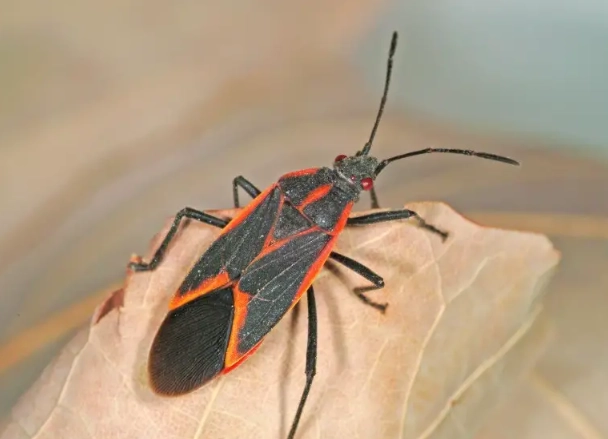
Milkweed Bugs: The Garden's Misunderstood Residents
If you're growing milkweed for monarch butterflies, you'll definitely see these. Many gardeners panic, thinking they're harming the plant or competing with monarchs. Here's the nuanced view: milkweed bugs feed almost exclusively on the seeds. They rarely harm the plant's overall health or its leaves, which are what monarch caterpillars need. In fact, their presence is a sign of a healthy, seeding milkweed patch. My non-consensus advice? Let them be. They're part of the milkweed ecosystem. Trying to eliminate them often does more harm to other insects than good. If their numbers are incredibly high and you want to save seeds, you can knock them off into soapy water, but consider it a last resort.
Harlequin Bugs: The One to Watch For
This is the true pest in the bunch. If you see a striking black and red shield-shaped bug on your collard greens, it's go-time. They pierce plant tissues and suck the sap, causing white blotches, wilting, and eventually killing the plant, especially seedlings. They're tough because, like their stink bug cousins, they're resistant to many common pesticides. My go-to method is hands-on: check the undersides of leaves for their barrel-shaped, white-striped eggs and crush them. Pick off adults and nymphs and drop them in soapy water. Encourage natural predators like spiders and birds. Row covers early in the season are a fantastic physical barrier.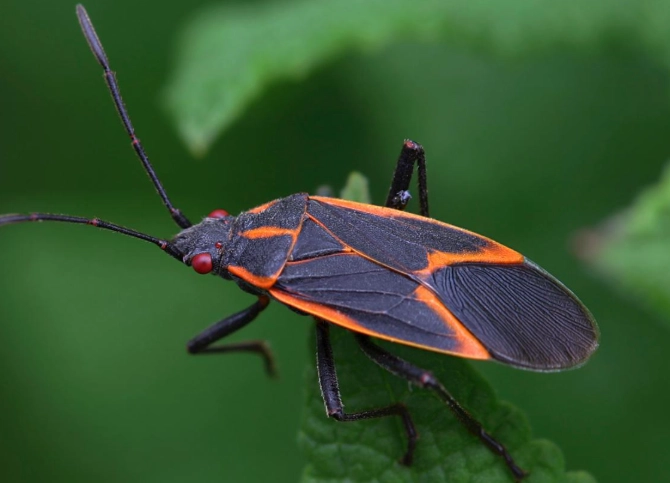
Smart Control Strategies: Prevention Over Poison
Throwing chemical sprays at every bug is like using a sledgehammer to hang a picture. It's messy, destructive, and rarely the right tool. Integrated Pest Management (IPM) is the smarter path, focusing on long-term prevention.
For Nuisance Bugs Like Boxelders (The Homeowner's Playbook):
- Seal Them Out (Spring/Fall): This is 90% of the battle. Use caulk to seal cracks around windows, doors, siding, and utility pipes. Install door sweeps. Repair screens. Do this in late spring before they lay eggs and again in early fall before they look for shelter. Resources from the University of Minnesota Extension detail this perfectly.
- Vacuum Them Up (Immediate Relief): For clusters indoors, use a vacuum hose. Empty the bag or canister outside immediately to prevent odors. It's immediate, chemical-free, and effective.
- Soapy Water is a Secret Weapon: A simple spray bottle with a few tablespoons of dish soap in water can be sprayed directly on clusters outdoors. It breaks down their waxy outer layer and is lethal to soft-bodied nymphs. It's cheap, safe for pets when dry, and highly targeted.
- Manage the Source (If Possible): If you have a female boxelder tree on your property, they will breed there. Removing it is a big step, but not always practical. Simply raking up fallen seeds (samaras) in summer can reduce local food for nymphs.
For True Plant Pests Like Harlequin Bugs (The Gardener's Playbook):
- Inspect Regularly: Make it a habit to check the undersides of leaves, especially on cabbage family plants.
- Handpick and Destroy: It's not glamorous, but it works. Drop them into a container of soapy water.
- Use Row Covers: Lightweight fabric covers over your crops physically block the bugs from reaching plants. Anchor the edges well.
- Practice Crop Rotation and Clean-Up: Don't plant the same family of vegetables in the same spot year after year. At season's end, remove and destroy old plant debris where eggs might overwinter.
- Encourage Beneficials: Plant a diverse garden with flowers that attract predatory insects and birds. They'll help keep many pest populations in check.
Broad-spectrum insecticides should be an absolute last resort. They wipe out the good bugs (ladybugs, lacewings, parasitic wasps) that are doing your pest control for you, often leading to worse outbreaks later.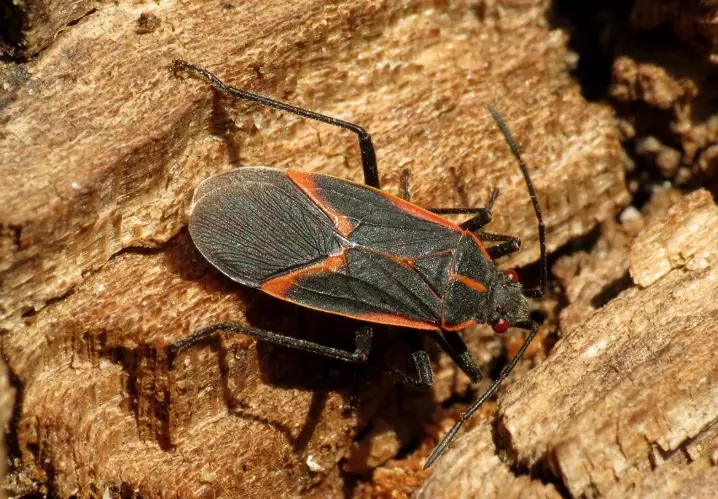
Your Black and Red Bug Questions Answered
Boxelder bugs are swarming my house in fall. What's the best way to keep them out?
Forget spraying the swarm. The effective work happens earlier. In late spring or summer, do a detailed walk-around your house. Caulk every crack you see around window and door frames, where siding meets trim, and around utility lines and vents. Install tight-fitting door sweeps. This physical barrier is more effective and longer-lasting than any chemical barrier you could apply. If they're already on the siding, a blast from the garden hose can disperse them temporarily.
I have milkweed bugs on my plants. Will they hurt my monarch butterflies?
Almost certainly not. They occupy different niches. Monarch caterpillars eat the leaves. Milkweed bugs suck nutrients from the seeds and seed pods. They generally ignore each other. In over a decade of butterfly gardening, I've never seen a milkweed bug attack a monarch egg, caterpillar, or chrysalis. Your energy is better spent protecting milkweed from aphids (which you can blast off with water) and keeping the plants healthy.
I think I saw a black and red bug that bit me. Is that possible?
The common black and red bugs discussed here—boxelders, milkweed bugs, harlequin bugs—do not bite humans. They have piercing-sucking mouthparts designed for plants. What might happen is a defensive pinch from their proboscis if you handle one roughly, but it's not a true bite and doesn't inject venom. If you were bitten by a black and red insect, it was likely something else entirely, like a conenose bug ("kissing bug") which is rarer, has different markings, and requires different identification. A good rule: if it's brightly colored and out in the open, it's probably not looking to bite you.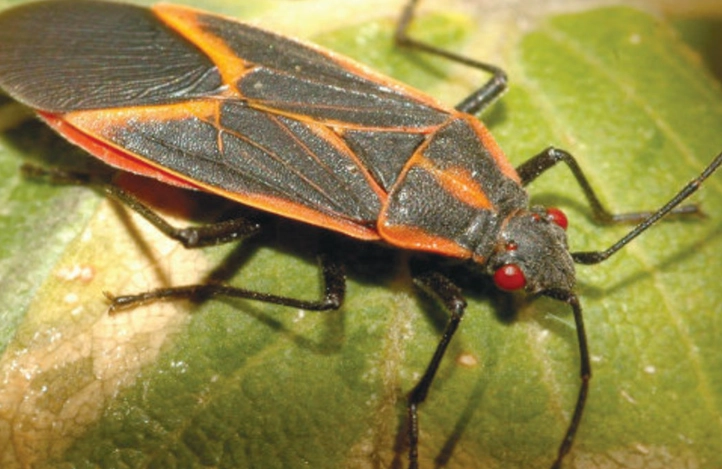
Are any of these black and red bugs actually beneficial?
This is a crucial distinction. Milkweed bugs, while not actively hunting pests, are important members of a native plant ecosystem and a food source for birds and other insects. They are not "beneficial" in the ladybug sense, but they are not harmful either—they're neutral. The real benefit comes from correctly identifying them so you don't kill them and waste effort. The truly beneficial insects are often other predators that might prey on pest eggs. By avoiding blanket insecticide use, you protect those real helpers.
What's the one tool every homeowner should have for dealing with these bugs?
A good quality caulking gun and a tube of silicone or acrylic latex caulk. It's cheap, lasts for years, and addresses the root cause of indoor invasions for boxelder bugs and many others. Second place goes to a handheld vacuum cleaner for quick, clean indoor removal. These two tools solve most problems without ever needing a chemical.
LEAVE A REPLY
Your email address will not be published. Required fields are marked *