That glossy black body with a red hourglass. It's an image that sparks instant recognition and a deep-seated unease for many homeowners. The black widow spider has earned its notorious reputation, but much of the fear stems from misunderstanding. I've spent years dealing with pest scenarios, and the panic around black widows often outweighs the practical knowledge needed to handle them. Let's cut through the myths. This isn't about inducing fear; it's about giving you a clear, actionable plan from identification to safe removal, based on what actually works, not just internet lore.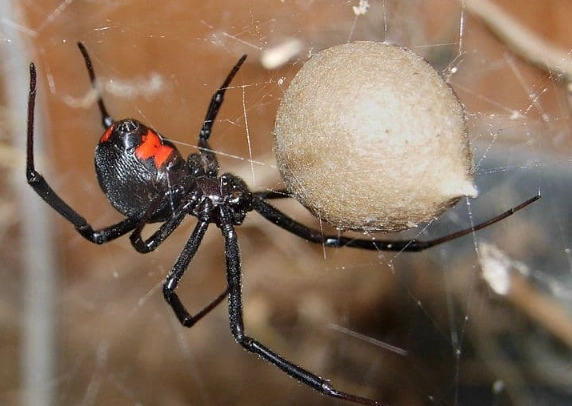
What You’ll Find in This Guide
What Does a Black Widow Spider Look Like?
You think you know, but the details matter. Relying solely on "black with a red mark" gets people into trouble, leading to unnecessary panic over harmless spiders or, worse, overlooking the real threat.
The adult female is the one you need to watch for. She's about 1.5 inches long including her legs, with a shiny, jet-black, rounded abdomen. It looks almost like polished onyx. The classic red hourglass is on the underside of that abdomen. Here's the first nuance most miss: the hourglass isn't always perfect. It can be two separate triangles, or sometimes just a single red blotch. In rare varieties, like the brown widow (a close relative becoming more common), the mark is orange or yellowish and often looks more like an abstract shape.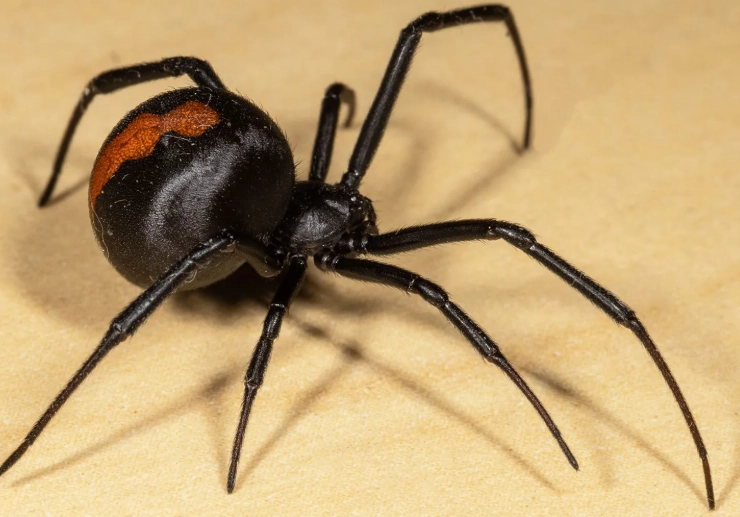
- Shine: The abdomen has a distinctive glossy, hairless appearance.
- Web Texture: Their webs are irregular, tangled, and incredibly strong—often described as "cobwebby" but with a noticeable toughness. They feel different, almost like coarse cotton, compared to a typical house spider's web.
- Location: You'll rarely find them in the open. Look low and in protected, undisturbed spots.
Males and juveniles look completely different—they're smaller, often brown or gray with stripes or spots, and possess little to no medical significance. This is a crucial point. If you're squashing a brown, striped spider in your garage thinking it's a baby black widow, you're likely eliminating a beneficial predator.
Where You're Most Likely to Find Them
Think like a recluse that hates light and disturbance. I once found a dense colony in the void behind a rarely-used outdoor electrical outlet box. Their favorite spots are predictable if you know their habits:
- Garages and Sheds: Behind stacked boxes, under workbenches, in the corners of door frames, and where the wall meets the floor.
- Outdoor Furniture: Underneath chairs, tables, and inside the folds of cushions left outside.
- Landscaping: In dense ground cover like ivy, under stones, around the bases of shrubs, and inside hollow yard decorations.
- Basements and Crawl Spaces: Around foundation vents, in cluttered storage areas, and near floor drains.
Their egg sacs are a telltale sign of an established presence. They're about the size of a small grape, tan or gray, and have a distinct papery texture with a noticeable bumpy surface. One female can produce multiple sacs, each holding hundreds of spiderlings.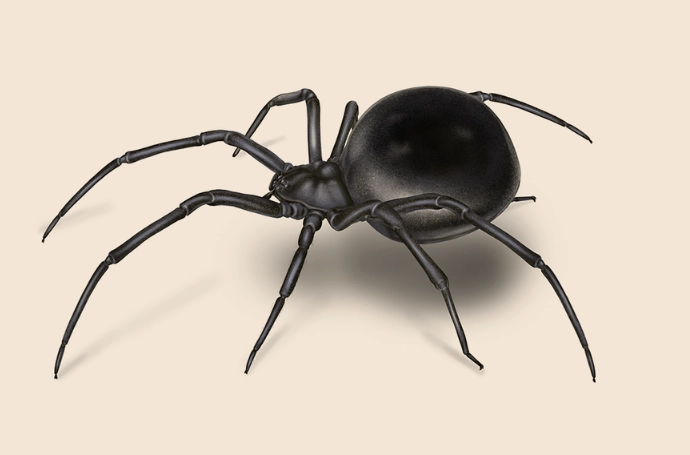
What Happens if a Black Widow Bites You?
The venom is a neurotoxin. It doesn't cause tissue necrosis like a brown recluse bite. Instead, it affects your nervous system. The bite itself might feel like a pinprick or go unnoticed. The real trouble starts 30 minutes to a few hours later.
The progression of symptoms often follows a pattern, but intensity varies wildly based on the amount of venom injected and your personal reaction.
| Stage | Symptoms | What It Feels Like |
|---|---|---|
| Initial (1-3 hrs) | Local pain, redness, slight swelling at bite site. | A dull ache or sharp pain around the bite. |
| Systemic (3-12 hrs) | Intense muscle cramps (abdomen, back, shoulders), sweating, nausea, headache, elevated blood pressure and heart rate. | Described as severe, vice-like abdominal cramping that isn't relieved by changing position. The sweating can be profuse. |
| Severe Reaction | Difficulty breathing, severe chest tightness, profound weakness, excessive salivation. | A medical emergency requiring immediate intervention. |
Immediate First Aid: Do's and Don'ts
Forget what you've seen in movies.
- DO: Wash the area with soap and water. Apply a cool compress to reduce swelling. Keep the bitten limb elevated if possible. Get to a doctor or emergency room. Try to safely capture or take a clear photo of the spider for identification (only if you can do so without risk).
- DON'T: Do not apply a tourniquet. Do not try to suck out the venom. Do not apply ice directly to the skin for prolonged periods. Do not take pain medication without consulting a doctor first (some can thin blood).
According to guidance from sources like the CDC, the primary treatment is supportive care and pain management, with antivenom reserved for severe cases. The mortality rate is extremely low (less than 1%), but the pain and discomfort are severe enough to warrant professional care.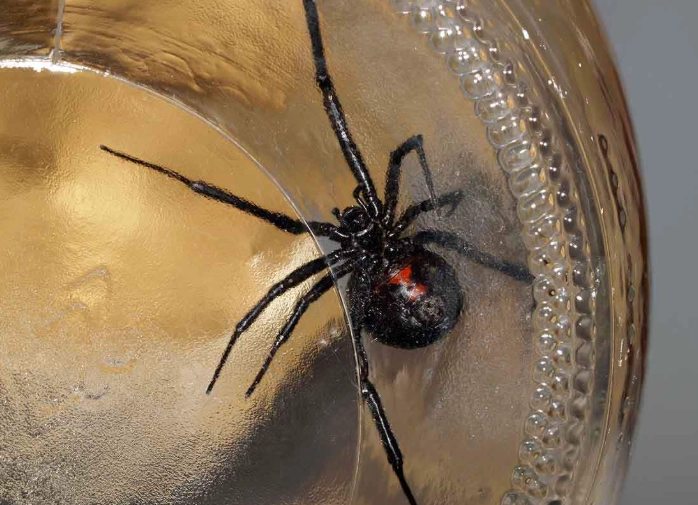
How to Get Rid of Black Widow Spiders Safely
Spraying a can of insecticide at a web might give you momentary satisfaction, but it's a short-term fix. A sustainable approach combines direct removal with making your property inhospitable. Here's a step-by-step method I've found most effective.
Step 1: Gear Up and Inspect
Before you start, put on thick gloves (leather gardening gloves work well), long sleeves, and pants tucked into socks. Use a bright flashlight and a long-handled tool like a yard stick or grabber. Conduct a thorough inspection of the hotspots listed earlier, paying special attention to dark corners and underneath objects.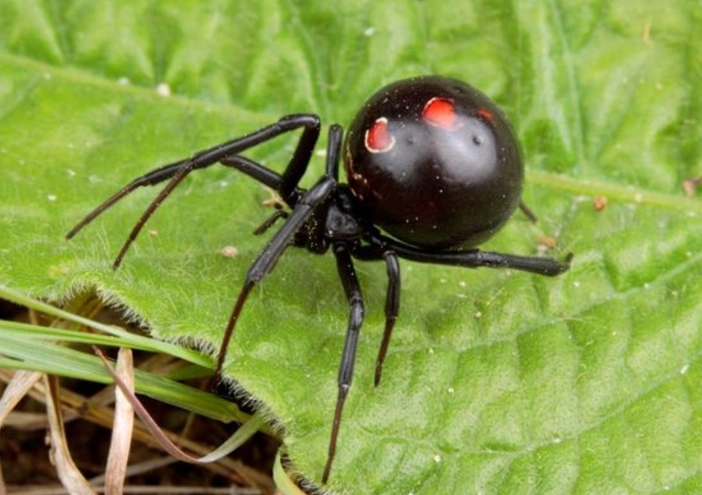
Step 2: Direct Removal and Web Destruction
For visible spiders and egg sacs, the vacuum cleaner is your best friend. Use a vacuum with a hose attachment and a disposable bag. Vacuum up the spider, its web, and all egg sacs. Immediately seal and dispose of the vacuum bag in an outdoor trash can. This method is direct, avoids chemical exposure in living spaces, and ensures you get the egg sacs.
For outdoor removal, you can also use a web-removal stick or simply knock down webs with a long tool, followed by careful disposal of the spider if it's on the ground.
Step 3: Targeted Chemical Controls (If Needed)
Residual insecticides can be useful as a barrier treatment. Look for products containing ingredients like pyrethroids (bifenthrin, cyfluthrin) labeled for spider control. Critical tip: Don't just spray the center of the web. Spiders don't usually walk through their own webs. Instead, spray the perimeter where they might travel—along baseboards, around door frames, and the points where walls meet the ground outside. Always follow the label instructions to the letter.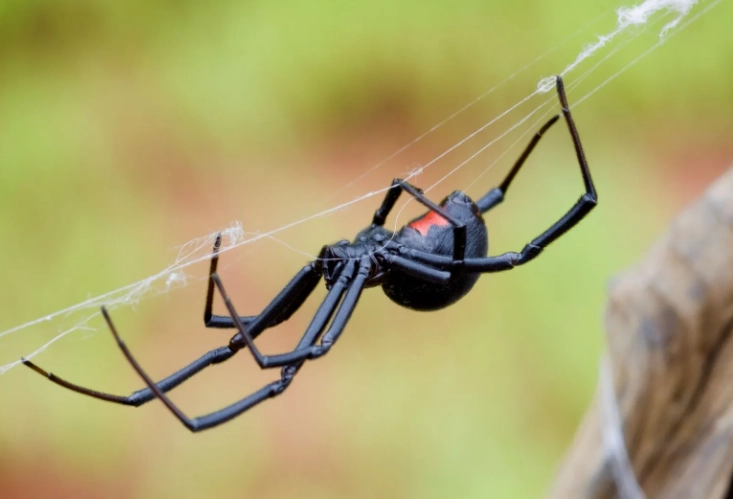
Step 4: Long-Term Prevention: Make Your Space Unfriendly
This is the most overlooked part. Black widows move in where they find food (other insects) and shelter.
- Reduce Clutter: Eliminate piles of wood, bricks, and debris near your home. Store boxes off the floor in garages and basements.
- Seal Entry Points: Caulk cracks in foundations, install tight-fitting screens on vents, and seal gaps around utility lines.
- Manage Lighting: Switch exterior white lights to yellow sodium vapor bulbs, which attract fewer night-flying insects that spiders eat.
- Regular Maintenance: Keep vegetation trimmed back from the house structure. Regularly sweep out garages, sheds, and under decks.
I remember helping a client who had recurring black widows under their patio furniture. We cleared the thick ivy bed next to the patio, stored the cushions indoors, and applied a simple perimeter spray. The problem vanished for the rest of the season. It was about changing the environment, not just killing the spiders.
Your Black Widow Questions Answered
The black widow spider commands respect, not hysterical fear. By learning its true identifying features, understanding the realistic course of a bite, and implementing a thorough removal and prevention strategy, you can significantly reduce any risk they pose. It's about practical knowledge replacing anxiety, allowing you to reclaim your spaces confidently and safely.
LEAVE A REPLY
Your email address will not be published. Required fields are marked *