Horsefly bites are no joke. If you've ever been on the receiving end of one, you know it's not your average mosquito nip. It's a sharp, burning sting that often swells into an angry, itchy lump that can last for days. I remember a family barbecue a few summers ago that was practically ruined by these relentless, buzzing dive-bombers. My cousin got bitten on the ankle, and the swelling was so bad she could barely walk for two days. That's when I decided to really figure these pests out.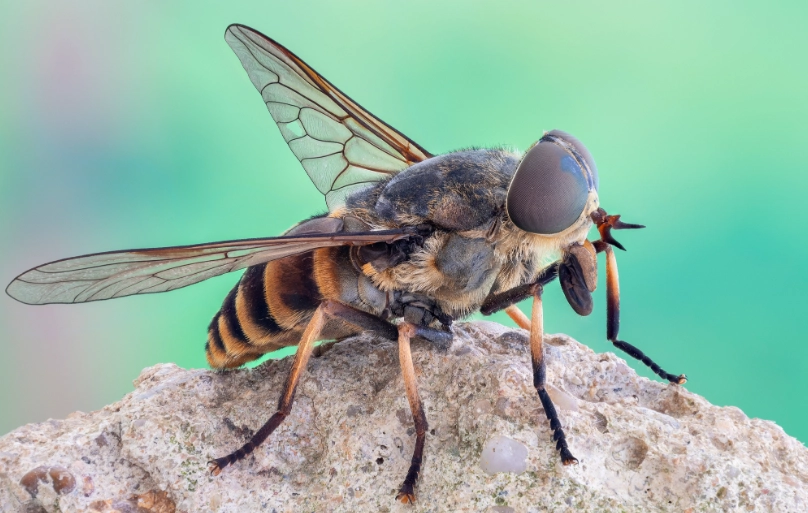
This guide isn't just a list of generic facts. It's the result of talking to entomologists, digging into resources from places like the University of Kentucky's Entomology Department, and learning the hard way through trial and error in my own backyard. We're going to cut through the noise and give you the actionable, specific information you need to deal with horseflies effectively.
What You'll Find in This Guide
Spot the Difference: Identifying Horseflies and Their Bite
First things first, you need to know your enemy. A common mistake is calling any large, biting fly a "horsefly." True horseflies (family Tabanidae) are robust, often over an inch long, with huge, iridescent eyes. Their bodies are usually dark, but some have colorful patterns. The key thing? They're silent hunters. Unlike the persistent whine of a mosquito, a horsefly often arrives with a sudden, heavy presence.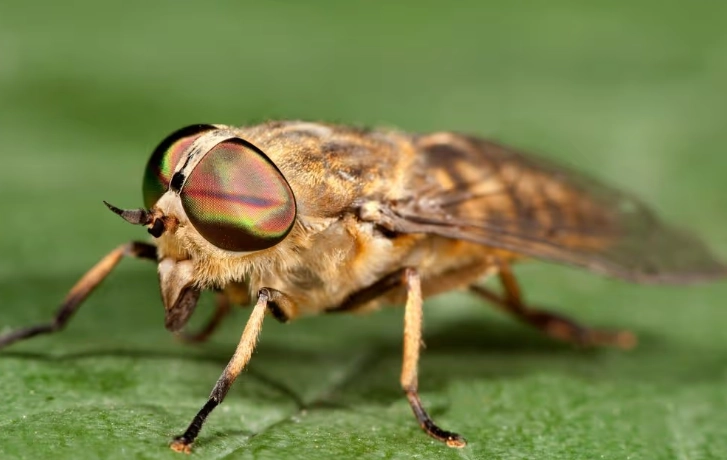
Their bite is uniquely unpleasant. A mosquito uses a needle-like proboscis. A horsefly uses a pair of razor-sharp mandibles that literally slice your skin open like scissors. Then, they use a sponge-like part to lap up the blood that pools. This cutting action is why the bite hurts immediately and bleeds more.
Key Identifiers of a Horsefly Bite: Immediate, sharp pain (not a delayed itch). A visible, small puncture or cut, often with a drop of blood. Rapid swelling around the site. Intense, localized itching that develops hours later. The bite can sometimes develop a central, red dot where the skin was cut.
If you see a large, silent fly that seems to be targeting moving objects (like you walking, or your dog running), and it leaves a painful, bleeding wound, you're almost certainly dealing with a horsefly.
How to Stop Bites Before They Happen
Prevention is infinitely better than treatment with horseflies. They are visual hunters, attracted to movement, dark shapes, and carbon dioxide. Here’s what actually works, based on what they're drawn to.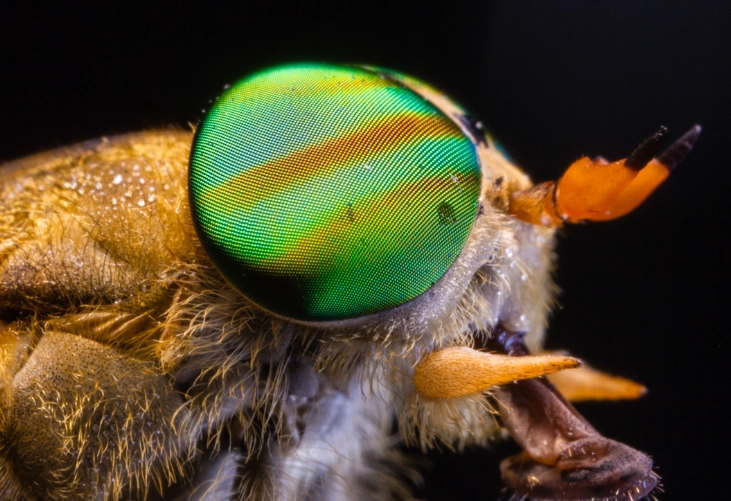
Personal Protection: Dress and Defend
Clothing is your first line of defense. A rookie mistake is wearing dark colors like black or navy blue, especially on a hot day. Horseflies love dark, moving silhouettes against a bright sky. Go for light-colored, loose-fitting clothing. Long sleeves and pants are a must in infested areas.
Now, about repellents. This is where many generic guides get it wrong. Standard DEET sprays work, but you need a high concentration (25-30%) and you must reapply frequently, especially if you're sweating. A more effective strategy I've found is using a picaridin-based repellent on skin and treating your clothing with permethrin. Permethrin is a game-changer—it's an insecticide that binds to fabric and kills flies that land on it. You can buy pre-treated clothing or use a spray-on treatment yourself (follow label instructions carefully). The combination of picaridin on skin and permethrin on clothes creates a powerful barrier.
- Light-colored, loose clothing (tan, white, light grey).
- High-concentration DEET (25-30%) or Picaridin (20%) on exposed skin.
- Permethrin-treated clothing for a lethal landing zone.
- Avoid strong perfumes or scented lotions, which can also attract them.
Environmental Adjustments
Horseflies breed in moist soil near water. If you have a pond, marsh, or even just a consistently muddy area on your property, that's likely the source. They are most active on hot, humid, windless days. Creating even a slight breeze can deter them—this is why a simple box fan on a patio can make a huge difference. They are poor fliers in turbulent air.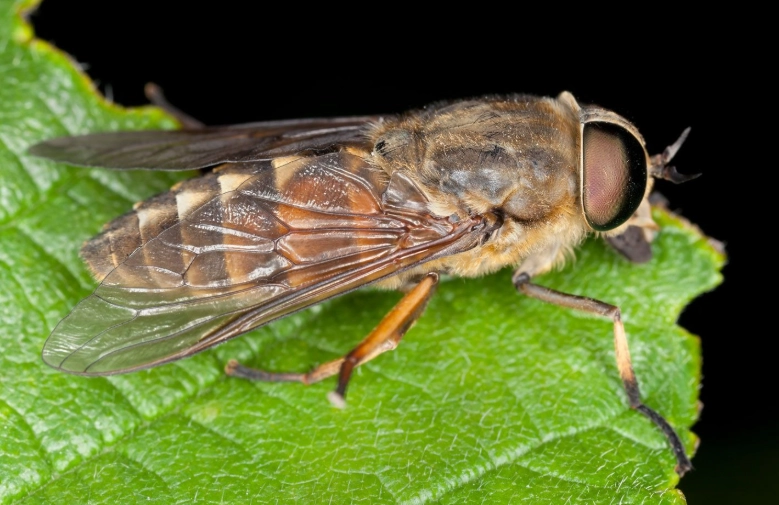
Treating a Horsefly Bite Properly (Step-by-Step)
You got bit. It hurts. Don't panic and don't start by slapping on random creams. The priority is managing the reaction and preventing infection because that cut is an open door for bacteria.
- Clean It Immediately: Wash the bite area thoroughly with soap and cool water. This is the most critical step to prevent a secondary bacterial infection, which is a common complication people don't expect.
- Apply Cold: Use an ice pack or a cold compress wrapped in a cloth. Apply it for 10-15 minutes at a time. This reduces pain, swelling, and slows the spread of any inflammatory agents from the fly's saliva.
- Use an Antiseptic: After cleaning and patting dry, apply an over-the-counter antiseptic like povidone-iodine or hydrocortisone cream with an antiseptic in it.
- Manage Itch and Swelling: Take an oral antihistamine (like cetirizine or loratadine) to control the systemic allergic itch. A topical hydrocortisone cream (1%) can help with local inflammation.
- Leave It Alone: Do not scratch. I know it's hard, but scratching dramatically increases the risk of infection and can lead to scarring.
When to See a Doctor: If the swelling spreads significantly beyond the bite site, if you see red streaks radiating from it (a sign of infection), if you develop a fever, or if the area becomes increasingly painful and pus-filled, seek medical attention. You may need antibiotics for a cellulitis infection.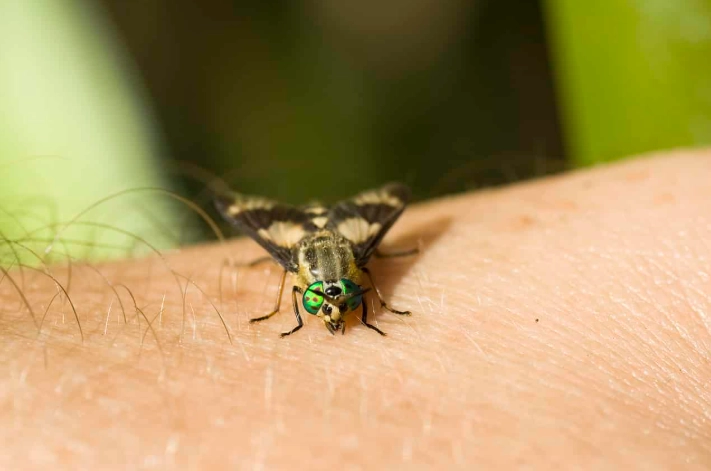
Horsefly vs. Deer Fly: Why It Matters
People use these terms interchangeably, but they're different, and the distinction can help you target your response. Both are in the same family, but their behavior varies.
| Feature | Horsefly | Deer Fly |
|---|---|---|
| Size | Generally larger (up to 1.25 inches) | Smaller (usually under 0.5 inches) |
| Wings | Clear or uniformly smoky | Often have dark bands or patterns |
| Eyes | Large, often solid-colored or iridescent | Often have colorful stripes or bands |
| Attack Pattern | Targets legs and lower body | Often targets the head, neck, and shoulders |
| Noise | Quiet | Can have a faint buzzing sound |
Why does this matter? Deer flies are notorious for swarming around your head. If you're being dive-bombed near your face and ears, you're likely dealing with deer flies. A hat, especially a light-colored one, and a head net are crucial defenses against them. Horseflies are more likely to go for your ankles as you walk through grass.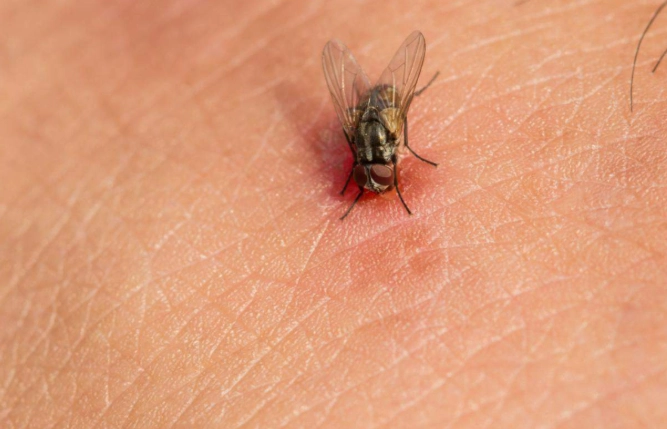
Long-Term Tactics to Reduce the Population
For property owners, short-term repellents aren't enough. You need to think about population control. This is about making your yard less inviting.
Eliminate Breeding Sites: This is the most effective long-term strategy. Fill in or drain any standing, muddy water. Improve drainage in wet, boggy areas of your yard. Keep vegetation trimmed around pond edges to reduce sheltered, moist soil.
Traps: Commercial horsefly traps can work, but you have to place them correctly. They usually use a visual attractant (a dark, moving ball) and/or CO2 to lure flies into a capture bag. Place the trap at the perimeter of the area you want to protect (like the edge of a field), not right next to your patio. You're trying to intercept them before they reach you.
Biological Control: Encouraging natural predators helps. Birds like swallows and martins are excellent at catching flying insects. Installing birdhouses can attract these allies. Some wasp species are parasites of horsefly larvae.
There's no instant, magic bullet for elimination. It's a combination of habitat modification, trapping, and consistent personal protection.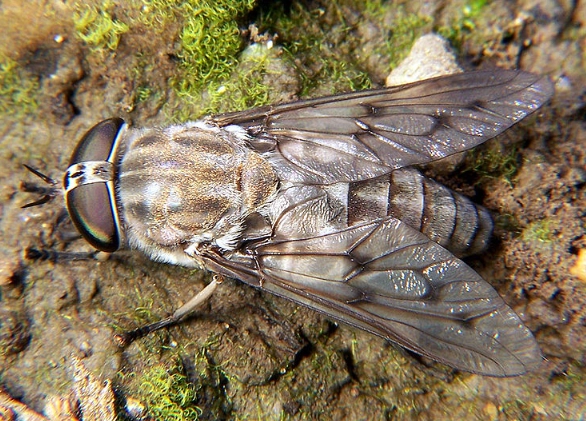
Your Questions, Answered by Experience
Why do horsefly bites swell up so much more than mosquito bites?
It's all about their saliva. A horsefly's saliva contains potent anticoagulants (to keep your blood flowing) and vasodilators. Your body mounts a massive inflammatory response to these foreign proteins. Think of it as your immune system going into overdrive because the insult (the cutting and the saliva cocktail) is so much more significant than a mosquito's delicate probe. The swelling is your body trying to wall off and dilute those irritants.
I've heard ammonia or vinegar can stop the itch from a horsefly bite. Does that work?
I'm skeptical of home remedies like ammonia or vinegar. At best, they might provide a brief, distracting sensation. At worst, they can irritate the broken skin further, increasing the risk of infection. The science points to cold therapy and antihistamines as the most reliable ways to manage the histamine response that causes itching. Stick with the proven, clinical steps: clean, cool, and use OTC meds designed for insect bite inflammation.
Are horseflies active at night, or is it safe to go out after sunset?
Here's a bit of good news: horseflies are strictly daytime biters. They are visual hunters and require light to find their targets. Once the sun goes down, their activity ceases almost completely. Your evening patio time is generally safe from them. Your problem will shift to mosquitoes, but that's a different battle.
Can horseflies transmit diseases like ticks or mosquitoes do?
This is a major concern and an area where horseflies are underestimated. While not as efficient as mosquitoes, horseflies are mechanical vectors for certain pathogens. Because their mouthparts get bloody, they can physically transfer bacteria from one host to the next. There is documented potential for transmitting things like tularemia or anthrax among animals, and theoretically to humans in rare circumstances. The more immediate disease risk from a horsefly bite is the secondary bacterial infection (like staph or strep) from scratching the open wound. That's why cleaning the bite is non-negotiable.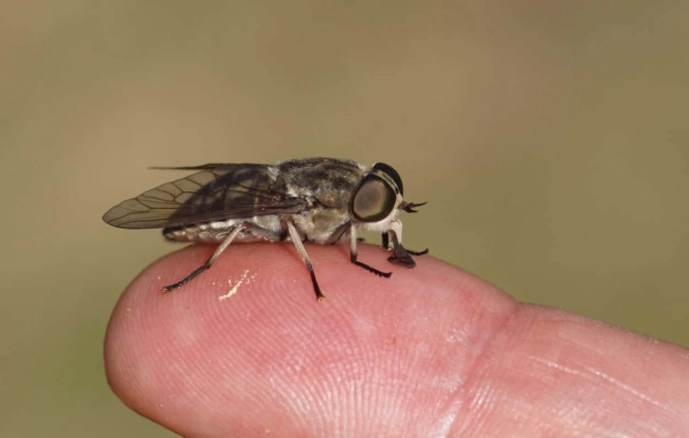
LEAVE A REPLY
Your email address will not be published. Required fields are marked *