You bring home a beautiful bunch of bananas. Two days later, your kitchen is hosting a fruit fly convention. It happens fast. These tiny, red-eyed pests seem to materialize out of thin air, hovering over your fruit bowl, your wine glass, your sink. If you're tired of swatting at air and want a real, lasting solution, you're in the right place. Getting rid of fruit flies isn't just about a trap; it's a short, focused campaign that targets their entire life cycle. Forget the quick fixes that fail by next week. Let's break down exactly how to win this war.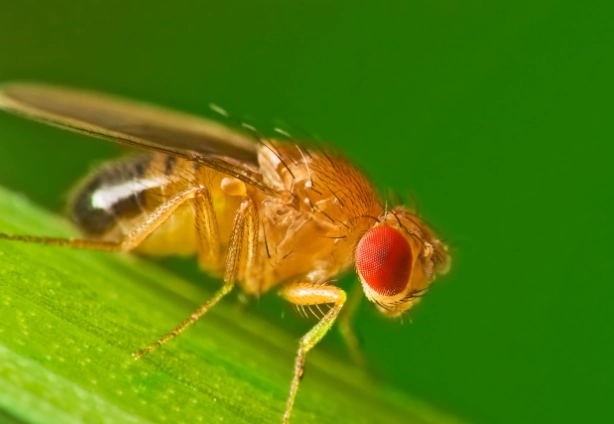
What You'll Find in This Guide
- Know Your Enemy: What Are Fruit Flies Really?
- How to Identify Fruit Flies Accurately (And Not Mistake Them)
- Your Fruit Fly Prevention Playbook: Stop Them Before They Start
- The Step-by-Step Elimination Protocol
- Trap Showdown: Which DIY and Commercial Options Actually Work
- Your Fruit Fly Questions, Answered
Know Your Enemy: What Are Fruit Flies Really?
Fruit flies (Drosophila melanogaster) are more than just a nuisance. They're prolific breeding machines. A single female can lay up to 500 eggs. Those eggs hatch into larvae (maggots) within 24 hours in the right conditions—like on the skin of an overripe peach or in the film lining your kitchen drain. The larvae feed for about a week before pupating and emerging as adults. The entire cycle can be as short as 8-10 days.
That speed is why an infestation explodes overnight. They're not coming from "outside" in the way houseflies do. They're almost always breeding inside your home, in a source you've overlooked.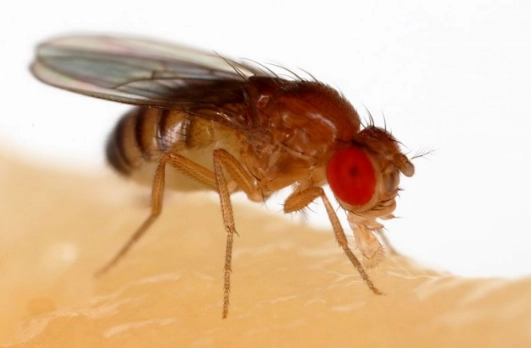
How to Identify Fruit Flies Accurately (And Not Mistake Them)
Correct identification is step one. You don't want to waste effort on gnats or drain flies. Here’s the breakdown.
| Feature | Fruit Fly (Drosophila) | Drain Fly / Moth Fly | Fungus Gnat |
|---|---|---|---|
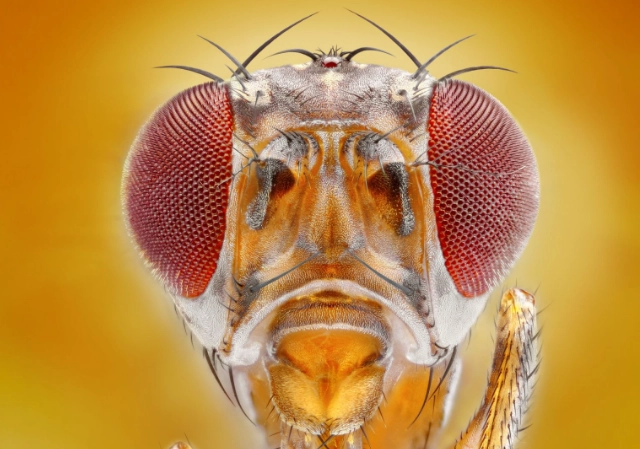
| Size & Look | Tiny (~1/8 inch), tan/light brown body, bright red eyes. | Fuzzy, moth-like, wings held roof-like, darker gray/brown. | Small, black, delicate with long legs, resembles a tiny mosquito. |
| Behavior | Hovers in lazy circles near fruit, drinks, trash cans. | Rest on walls near drains/sinks, fly in short, jerky hops. | Flies erratically near potted plants, often on the soil surface. |
| Breeding Source | Fermenting fruit/veg, organic sludge in drains, spills. | The gelatinous gunk inside sink, shower, and floor drains. | Overly moist potting soil rich in organic matter. |
| Key Differentiator | The bright red eyes are a dead giveaway. | Distinct fuzzy, moth-like appearance and resting posture. | Almost always associated directly with houseplants. |
If you see the red eyes and the behavior matches, you've got fruit flies. Time to move to phase two.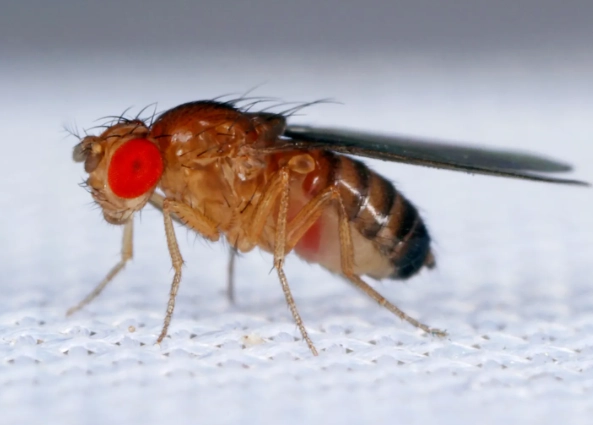
Your Fruit Fly Prevention Playbook: Stop Them Before They Start
Prevention is less about grand gestures and more about consistent, simple habits. This is where most guides are too vague. Let's get specific.
The Daily and Weekly Non-Negotiables
These actions form your first line of defense.
- Fruit Bowl Management: Don't just leave fruit out. Store ripe fruit in the refrigerator. If you must have a countertop bowl, only keep firm, unblemished fruit there and eat it within a couple of days. Wash bananas when you bring them home—eggs are often on the peel.
- Trcan and Recycling Rigor: Take out the kitchen trash every single day during fly season (summer/early fall). Rinse recycling containers—especially beer cans, soda bottles, and juice cartons—before tossing them in the bin. Use a trash can with a tight-sealing lid.
- The After-Dinner Wipe-Down: Crumbs, spills, and sticky spots on counters, stove tops, and floors are tiny buffets. A quick nightly wipe with a vinegar-based cleaner removes these attractants.
The Often-Forgotten Hotspots
Here's the expert insight: most reinfestations come from missing these spots.
1. The Kitchen Sink and Disposal: This is Public Enemy Number One. Food particles create a biofilm in your pipes that's perfect for breeding. Weekly, pour a mixture of boiling water and a half-cup of baking soda followed by a cup of white vinegar down the drain. Let it fizz for 10 minutes, then flush with more hot water. For disposals, run ice cubes and citrus peels through to help scour the blades and housing.
2. Under and Behind Appliances: A single spilled drop of juice can roll under the fridge and ferment for weeks. Pull out your fridge and stove every few months for a deep clean. You'll be horrified and enlightened.
3. Sponges and Dish Rags: A damp, food-covered sponge is a five-star fruit fly hotel. Microwave wet sponges for one minute daily or run them through the dishwasher's sanitize cycle. Wring out dish rags and hang them to dry completely.
The Step-by-Step Elimination Protocol
You have an active infestation. Follow this sequence. Skipping steps is why people fail.
Day 1: The Source Hunt (The Most Critical Step)
Your mission is to find and destroy every breeding site. This isn't just looking at the fruit bowl. Be a detective.
- Empty all trash and recycling bins, clean them with soapy water, and line with fresh bags.
- Inspect every piece of produce. Toss anything overripe, soft, or bruised. Check potatoes and onions in their bags.
- Clean under small appliances: the toaster crumb tray, the coffee maker's drip tray, the blender gasket.
- Check for forgotten items: a potato that rolled behind the pantry shelf, an old lunchbox, a reusable grocery bag with a peach pit in it.
Day 1-3: Deploy Traps (To Catch the Adults)
While you eliminate the breeding grounds, you need to kill the existing adult flies. This is where traps come in. Set multiple.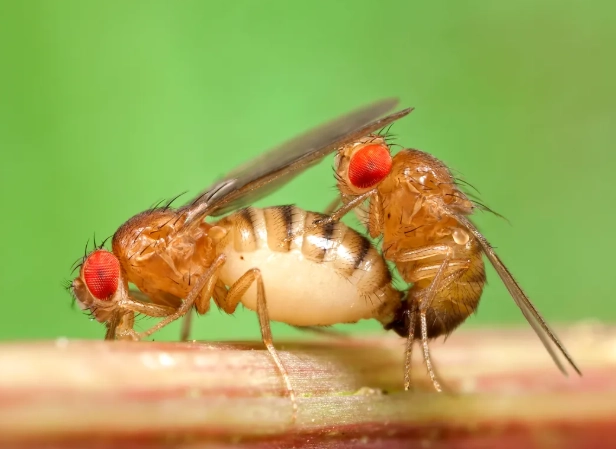
Trap Showdown: Which DIY and Commercial Options Actually Work
Let's cut through the noise. I've tried them all.
The Classic Vinegar Trap (Works, but can be improved): A small jar with apple cider vinegar and a drop of dish soap. The vinegar attracts them, the soap breaks the surface tension so they drown. It works, but it's passive. My tweak: create a paper funnel (cone) with a tiny hole at the bottom and place it in the jar's mouth. Flies go in, can't figure out how to get out. More effective.
The Fermented Fruit Trap (The Heavy Hitter): Take a piece of overripe banana or mango, put it in a jar, and cover the top tightly with plastic wrap. Poke a few tiny holes with a toothpick. This is irresistible. They'll find their way in and won't leave. This trap often outperforms vinegar alone.
The Red Wine Bottle (My Personal Favorite): Leave about an inch of red wine in the bottom of a bottle. Fruit flies will fly in and not come out. It's a natural, set-it-and-forget-it solution that feels satisfyingly efficient.
Commercial Sticky Traps: The yellow sticky ribbons or stakes you can buy. They're fine for monitoring and catching some adults, but they're ugly and don't attract from a distance. I use them in plant areas as a supplement, not a primary weapon.
What Doesn't Work Well: Fly swatters (futile), bug zappers (they don't attract fruit flies), and just spraying surface insecticide (doesn't touch the eggs or larvae).
Days 4-7: Monitor and Maintain
Keep traps in place. If you see new flies, you missed a source. Go back to the source hunt. The goal is to see zero new flies for three consecutive days.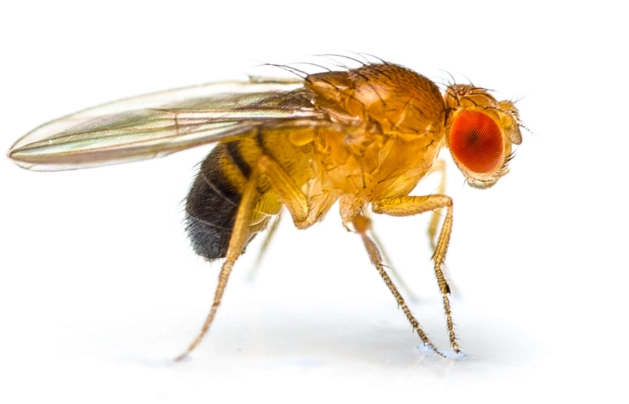
Your Fruit Fly Questions, Answered
What's the single best thing to put in a fruit fly trap?
I've cleaned everything and still see a few flies. Where are they coming from?
Are fruit flies harmful? Can they make you sick?
How do professionals get rid of a severe infestation?
Will fruit flies just go away on their own in the winter?
The key to beating fruit flies isn't a magic product. It's understanding their biology and being more thorough than they are persistent. It's a short, winnable war. Find the source, eliminate it, trap the stragglers, and maintain your defenses. Your kitchen will be clear again before you know it.
LEAVE A REPLY
Your email address will not be published. Required fields are marked *