You've seen them. Those little gray, segmented bugs that curl into a perfect ball when you poke them, rolling around in your palm like a tiny armored pea. Most people call them rollie pollies, or pill bugs. Your first instinct might be to squish them or reach for a pesticide. Hold on. After spending over a decade working with soil ecosystems, I've learned that reaction is usually a mistake. These aren't your typical garden pests. In fact, labeling them as pests is where most homeowners go wrong, leading to unnecessary chemical use and a less healthy garden. Let's get straight to the point: rollie pollies are primarily decomposers, not plant destroyers. This guide will show you how to tell them apart from real troublemakers, why you might want to keep them around, and only if absolutely necessary, how to manage their numbers safely.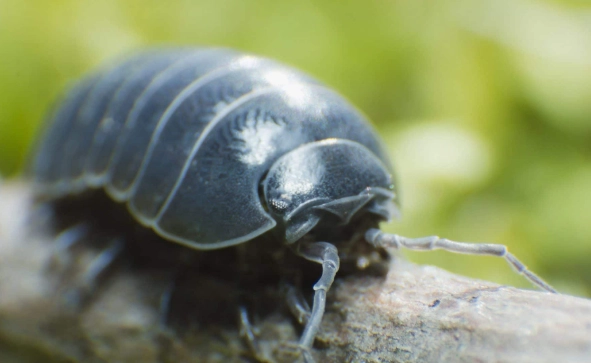
What You'll Find in This Guide
How to Identify Rollie Pollie Bugs (And Their Lookalikes)
Getting this right is step one. Misidentification is the root of most failed pest control. Rollie pollies (Armadillidium vulgare) are terrestrial crustaceans, more related to shrimp and crabs than to insects. Here's your field guide.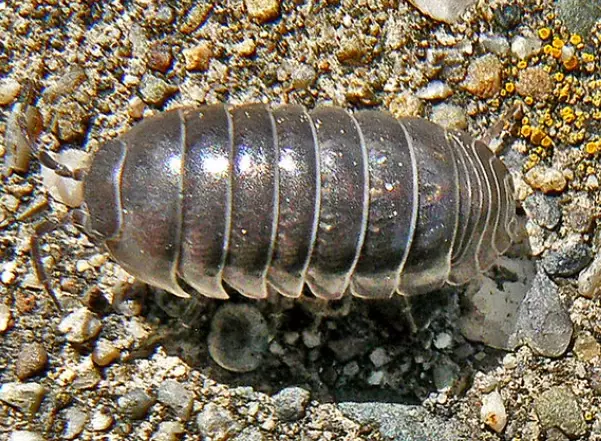
The Telltale Signs of a True Rollie Pollie:
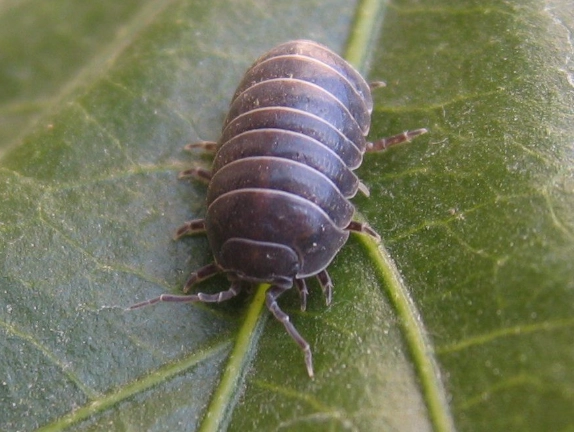
- The Roll: This is the big one. Gently touch one. If it curls into a tight, seamless ball, you've got a pill bug. Other bugs might tuck their legs in, but they can't achieve that perfect sphere.
- Appearance: They have a series of hard, overlapping plates (like a little armadillo). Color ranges from dark gray to brown. They have seven pairs of legs and two pairs of antennae (one pair is tiny).
- Habitat: They need moisture to breathe through gills. You'll find them under rocks, mulch, pots, compost piles, leaf litter, or anywhere dark and damp.
- Diet: They're munching on decaying organic matter—dead leaves, rotting wood, old fruit, even dead insects. This is their primary job.
Now, here's where things get tricky. In specific, high-moisture situations with limited food, rollie pollies might nibble on very tender plant parts. Think seedlings, strawberries touching wet soil, or melon rinds. But here's my non-consensus view: If rollie pollies are damaging healthy plants, it's almost always a symptom of a bigger problem—usually excess moisture and a lack of their preferred decaying food. They're scavengers, not hunters. They go for the easy, decaying meal first.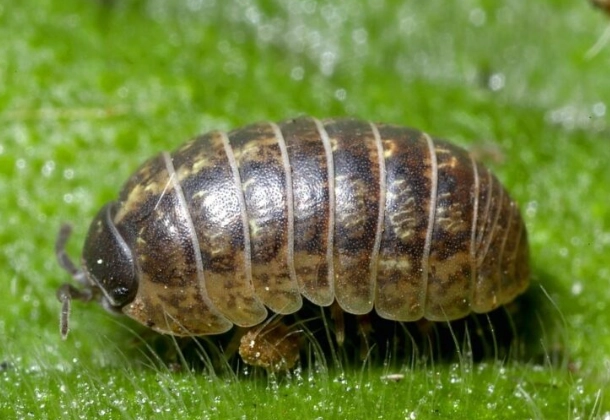
| Feature | Rollie Pollie / Pill Bug | Sowbug | Millipede (Common Confusion) |
|---|---|---|---|
| Ability to Roll | Rolls into a TIGHT ball | Cannot roll completely | Curls loosely, cannot ball |
| Body Segments | Hard, overlapping plates | Hard, overlapping plates | Many rounded segments, softer |
| Legs per Segment | One pair per segment (7 total pairs) | One pair per segment | Two pairs per segment |
| Primary Diet | Decaying organic matter | Decaying organic matter | Decaying plant material |
| Typical Role | Decomposer / Detritivore | Decomposer / Detritivore | Decomposer / Detritivore |
Are Rollie Pollies Bad for My Garden? The Surprising Truth
Let's flip the script. Instead of asking how to kill them, ask what they're doing for you. The answer might change your whole approach.
Rollie pollies are nature's premier cleanup crew. Their digestive process is a powerhouse for your soil. They consume decaying wood and leaves, breaking them down into smaller particles. Their waste then becomes a perfect food source for microbes and fungi, which ultimately release nutrients in a form plant roots can absorb. They are, in essence, tiny, free composting machines working directly in your garden beds.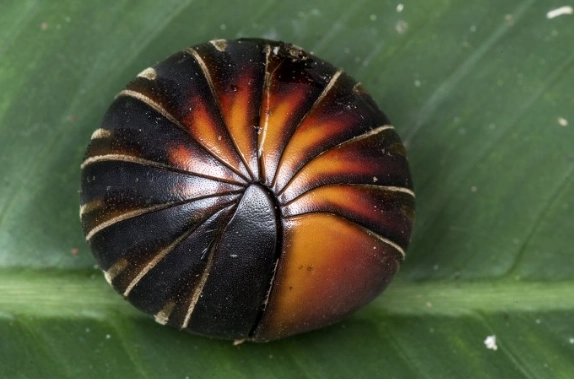
Research from institutions like the University of California's Statewide Integrated Pest Management Program notes that these organisms are important decomposers in the ecosystem. They help cycle nutrients and improve soil structure.
I made the mistake early in my gardening career. I saw a cluster under a pot and dusted the area with a common insecticide. A month later, I noticed my compost pile was breaking down slower, and the soil in that bed seemed denser, less crumbly. I'd eliminated a key worker in my soil's health assembly line.
So when are they a problem? Only in very specific, imbalanced scenarios:
- Greenhouse or Cold Frame Seedlings: The warm, consistently moist environment with tender, succulent growth can be irresistible if no other decay is present.
- Overwatered Garden Beds with Thick Mulch: Creates a paradise for them. If the population booms and decaying matter runs low, they'll sample living plants.
- Strawberries or Veggies Directly on Wet Soil: They'll scavenge on fruit that's already started to rot from ground contact.
See the pattern? Moisture + lack of their preferred food = potential for trouble. The solution isn't eradication; it's garden management.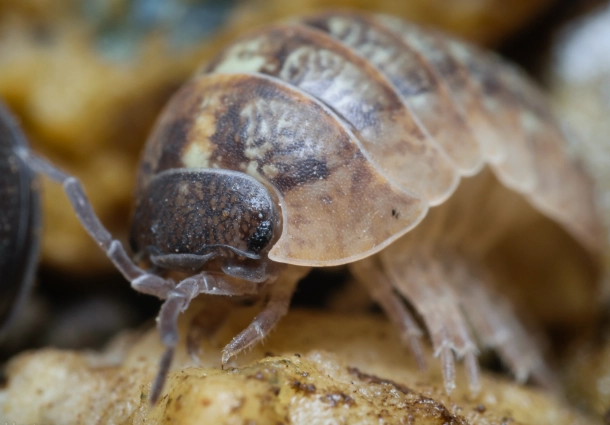
How to Get Rid of Pill Bugs Safely (If You Must)
If you've identified a true issue—like they're mowing down your zucchini seedlings overnight—the goal is population management, not annihilation. Poison sprays are overkill, harm beneficial insects, and ignore the root cause. Here's a step-by-step, organic-first strategy.
Step 1: Modify Their Habitat (The Long-Term Fix)
This addresses the "why are they here?" Make your garden less of a rollie pollie resort.
- Reduce Moisture: Water in the morning so the surface dries by evening. Fix leaky faucets. Improve drainage in soggy areas.
- Remove Hiding Places: Lift boards, stones, and unnecessary debris off the soil near problem plants. Keep mulch a few inches away from plant stems.
- Clean Up Decaying Matter: Move compost piles away from seedling areas. Pick up fallen fruit regularly.
Step 2: Create Traps and Barriers
These methods capture or deter without toxins.
- The Potato or Citrus Rind Trap: Cut a potato in half, hollow it out, and place it cut-side down near affected plants. Or use an orange peel. Check and empty it every morning. It works because it provides a moist, delicious decaying food they prefer over your plants.
- The Beer Trap: Bury a small container (like a yogurt cup) up to its rim. Fill it halfway with cheap beer. The yeast attracts them, they fall in and drown. It's morbidly effective for monitoring and reducing local numbers.
- Diatomaceous Earth (DE): This is a fine powder made from fossilized algae. Sprinkle a dry ring of food-grade DE around plant stems. It's sharp on a microscopic level and damages their exoskeletons, causing them to dry out. Major caveat: It also harms beneficial insects and loses effectiveness when wet. I use this sparingly, only as a last-resort barrier for precious seedlings.
- Copper Tape: For raised beds or pots, adhesive copper tape around the edges can act as a deterrent. They get a mild electrical shock when crossing it.
Step 3: Encourage Natural Predators
Nature has its own checks and balances. Rollie pollies are food for:
- Ground beetles (some of the best garden predators)
- Spiders
- Centipedes
- Small reptiles and amphibians (toads are fantastic)
Providing habitat like rock piles, log piles, or a small "toad abode" invites these predators to help manage the population for you.
Your Rollie Pollie Questions, Answered
How do I keep pill bugs out of my basement?
Are rollie pollies dangerous to dogs or kids if they eat them?
I see hundreds in my compost. Is that bad?
What's the one mistake everyone makes with rollie pollies?
Can they infest a house like ants or cockroaches?
LEAVE A REPLY
Your email address will not be published. Required fields are marked *