You’ve seen them a hundred times. Lift a damp flowerpot, move a pile of decaying leaves, or check under a rock, and there they are: little slate-gray armored bugs that instantly curl into perfect, pea-sized balls. Everyone calls them rollie pollies, but what are they actually doing in your yard? The story is more interesting than you think. They’re not insects, they’re ancient crustaceans related to shrimp, and whether they’re helping or hurting your garden depends entirely on the context. Most of the advice online treats them as a simple pest, but after years of watching them in my compost pile and raised beds, I’ve learned their role is nuanced. This guide cuts through the noise.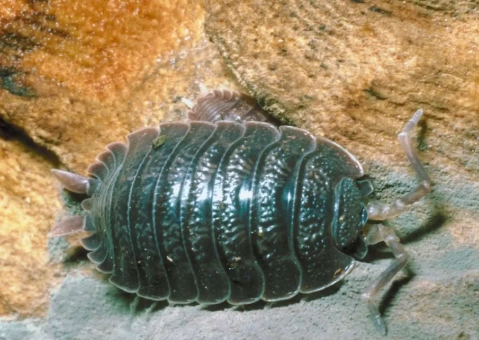
What's Inside This Guide?
What Exactly Are Rollie Pollies?
Let's clear up the biggest misconception first. Rollie pollies are not bugs. Technically, they're terrestrial isopods, a type of crustacean. Their closest relatives are lobsters, crabs, and shrimp. Think about that next time you see one—you're looking at a little land-shrimp that evolved to breathe air. Their scientific family is Armadillidiidae, which is fitting because they armor-plate themselves just like an armadillo.
They’ve been around for a long, long time. Fossil records suggest their ancestors were scuttling around during the Cretaceous period. They survived the dinosaurs.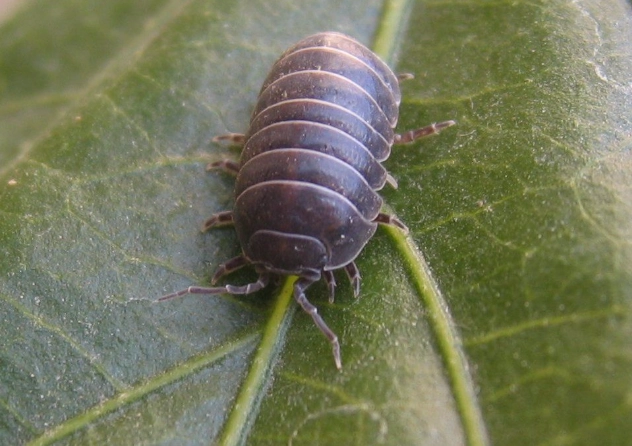
Their famous rolling trick is a primary defense mechanism. When threatened, they contract special muscles that tuck their head and limbs inward, forming an impregnable, sealed ball. This protects their soft underbelly from predators like spiders, centipedes, and birds. Not all "pill bugs" can do this perfectly—some species, often called "sowbugs," can only curl slightly and have two tail-like appendages sticking out.
Are Rollie Pollies Good or Bad for Your Garden?
This is the million-dollar question. The standard, lazy answer is "they're decomposers, so they're good!" But it's not that simple. Here’s the real breakdown from a gardener's perspective.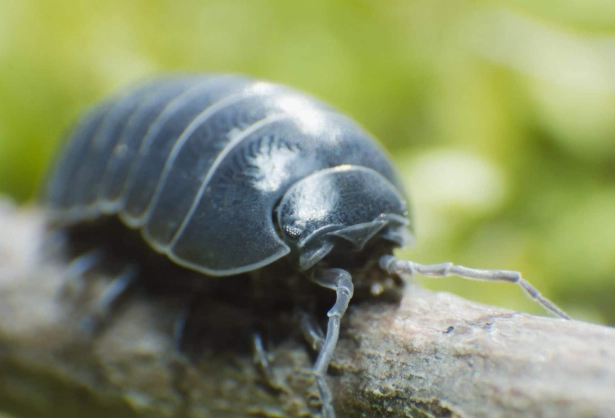
In a balanced ecosystem, they are overwhelmingly beneficial. Their main job is to shred and begin digesting tough cellulose and lignin in dead plant material. This kick-starts the decomposition process, making nutrients available to plants and improving soil structure. They're a key part of your soil's food web. Studies, like those referenced by the University of California's Statewide Integrated Pest Management Program, note their role in nutrient cycling.
The problem—and where they get their pest reputation—starts when their population booms and their preferred food (decaying stuff) runs low.
When Do They Cross the Line?
They become opportunistic feeders. In early spring, when you've just put out tender, expensive seedlings and there's not a lot of other decay around, a massive colony of rollie pollies might see your baby spinach or zucchini stems as the next best thing. They can also nibble on low-hanging fruits like strawberries or melons that are touching moist soil.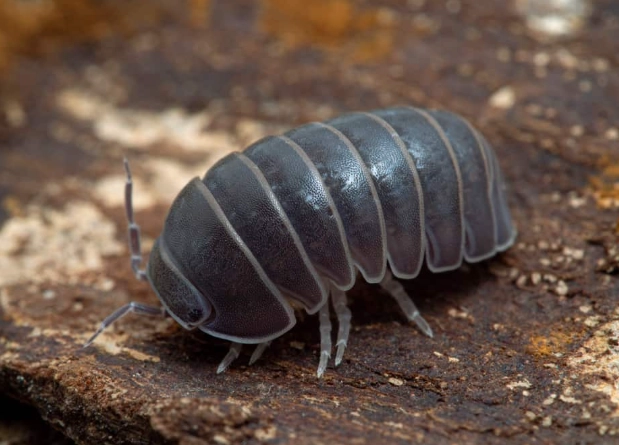
Here’s the subtle mistake most new gardeners make: they blame rollie pollies for damage often caused by slugs or cutworms. The tell-tale sign of rollie pollie damage is shallow, ragged chews on stems, leaves, or fruit surfaces. They don't create deep holes or completely sever stems like cutworms. If you see a seedling completely chopped off at the base, you've got a different culprit.
| Scenario | Are They Helpful or Harmful? | Why |
|---|---|---|
| In your compost bin | Extremely Helpful | They accelerate breakdown of vegetable scraps and paper. |
| In a mulch layer around established plants | Helpful | They process mulch into finer organic matter. |
| Around newly sprouted seeds & seedlings | Potentially Harmful | Tender growth is an easy target if other food is scarce. |
| In a waterlogged, over-watered garden bed | Likely a Problem | High moisture creates ideal conditions for population explosion. |
| In a dry, well-drained garden | Neutral/Rare | They can't survive without constant moisture. |
The bottom line? Don't declare war on sight. Assess the situation. A few under a pot are fine. Dozens skeletonizing your seedlings need attention.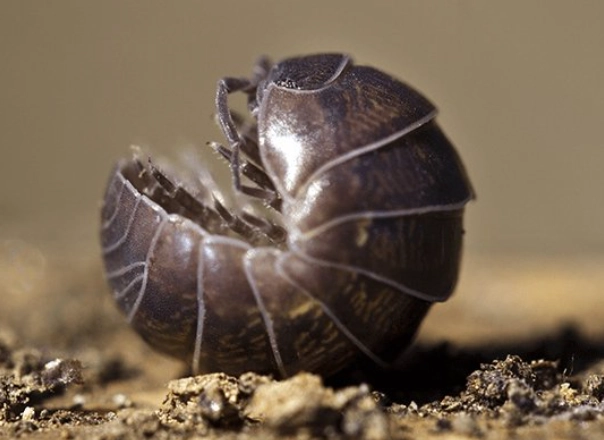
How to Find and Identify Them (Beyond the Ball)
Knowing exactly what you're dealing with is step one. Here’s your field guide.
Prime Habitat: You’ll find them anywhere dark, damp, and full of decaying material. That means under stones, pavers, and mulch. Inside the hollows of old tree stumps. Beneath the drip line of air conditioners or leaky faucets. My personal hotspot is always the gap between the soil and the side of my plastic compost bin—it's a rollie pollie metropolis in there.
Key Identifiers:
- Color: Usually slate gray, but can range from dark brown to almost black.
- Shape: Oval, segmented body with seven pairs of legs. They look like little armored tanks.
- The Roll Test: Gently nudge one. A true "rollie pollie" (Armadillidium vulgare) will form a tight, perfect sphere. A "sowbug" (Oniscus asellus) will scurry away or curl only partially.
- Antennae: They have two pairs. The first pair is tiny, the second pair is longer and more noticeable.
If you're curious about the diversity, there are over 4,000 species of terrestrial isopods worldwide. Some enthusiasts even keep colorful tropical varieties as pets in bioactive terrariums.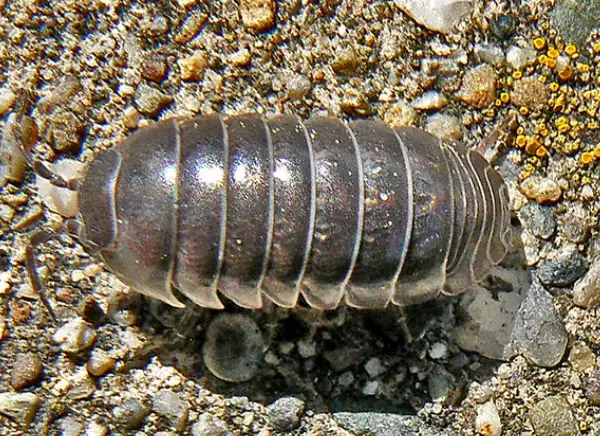
Practical Ways to Manage Rollie Pollies
If you've decided action is needed, the goal is management, not annihilation. Wiping them out is impossible and ecologically foolish. You want to reduce their numbers in specific, vulnerable areas.
1. Change the Environment (The Most Effective Step)
This tackles the root cause. Remember, they need moisture and hiding places.
Let the Soil Dry: Water your garden deeply but less frequently in the morning, so the surface dries by evening when they're most active. Use drip irrigation or soaker hoses instead of overhead sprinklers that keep everything wet.
Remove Hiding Spots: Pick up boards, stones, and debris near planting areas. Keep mulch a few inches away from the stems of young plants.
Elevate Your Plants: Use raised beds with good drainage. For strawberries or squash, use straw mulch or fruit supports to keep the produce off the damp soil.
2. Use Strategic, Organic Traps and Barriers
These methods are low-impact and highly targeted.
The Half-Potato or Citrus Rind Trap: This is an old, effective trick. Scoop out a half potato or place an orange rind, cut-side down, in the problem area overnight. The rollie pollies will congregate underneath for the moisture and food. Collect and relocate them in the morning. I’ve found citrus rinds work better—they seem to love them.
Diatomaceous Earth (DE): Food-grade DE is a fine powder made from fossilized algae. It’s sharp on a microscopic level and damages the waxy coating on their exoskeletons, causing them to dehydrate. Sprinkle a thin, dry ring around seedlings or garden beds. Critical tip: DE only works when bone dry. Reapply after rain or watering. It’s harmless to pets and people once settled.
Copper Tape: For pots or raised bed edges, copper tape can act as a deterrent. It gives off a slight electrical charge when touched by their mucus, which they dislike.
3. What About Pesticides?
I almost never recommend it. Broad-spectrum insecticides will kill all the beneficial insects too—the ground beetles and spiders that naturally prey on rollie pollies. If you have a severe, localized infestation threatening a crop, you might consider an iron phosphate-based bait (often sold as slug bait). It’s considered organic and is less harmful to non-target species, but it should still be a last resort.
The real secret is tolerance and observation. A healthy garden with diverse life can handle a population of rollie pollies without issue.
LEAVE A REPLY
Your email address will not be published. Required fields are marked *