Subterranean termites are the sneakiest pests you'll ever deal with. They work in silence, hidden underground, and by the time you notice them, they might have already caused thousands in damage. I've seen homes where the damage was so extensive, the owners had to replace entire floor joists. It's not just about spraying some chemicals; it's about understanding their behavior. Let's cut to the chase: if you own a property, especially in warmer climates, you need to know how to handle these critters. This guide pulls from years of pest control experience and homeowner stories to give you actionable steps.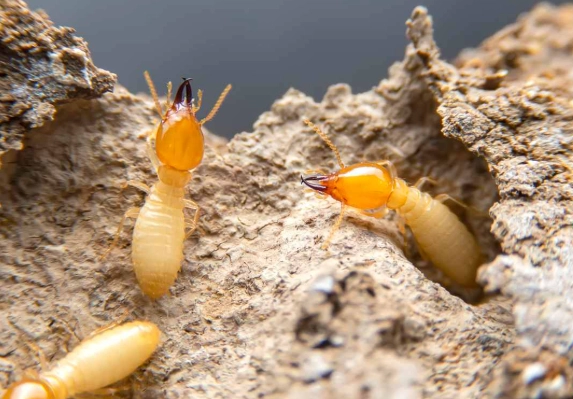
Jump Straight to What You Need
How to Identify Subterranean Termites
Most people miss the early signs because they're looking for the wrong things. You won't always see the termites themselves; instead, watch for their byproducts. A client once called me, convinced they had ants, but it was subterranean termite mud tubes on the foundation.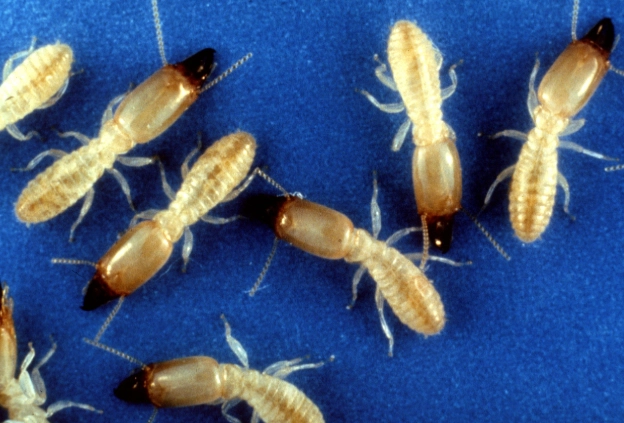
Signs You Can't Ignore
Look for mud tubes. These are pencil-thin tunnels made of soil and saliva, usually on walls, foundations, or crawl spaces. They're highways for termites to travel from the soil to your wood. Another telltale sign: hollow-sounding wood. Tap on baseboards or window frames; if they sound empty or crumble easily, you might have an issue. Swarmers—winged termites—are a red flag, especially in spring. But here's a nuance: discard wings near windowsills don't always mean an active infestation; they could be from a nearby colony.
Common Mistakes in Identification
People confuse termites with ants. Termites have straight antennae and uniform wings, while ants have elbowed antennae and wings of different sizes. Also, relying solely on visual inspection is a mistake. Use a screwdriver to probe wood in damp areas like basements. If it sinks in without resistance, call a pro. The National Pest Management Association notes that subterranean termites cause over $5 billion in damage annually in the U.S., so don't skip this step.
Pro Tip: Check your property after heavy rains. Moisture drives termites upward, making mud tubes more visible. I once found an infestation under a deck because the owner noticed water pooling there.
Preventing Subterranean Termite Damage
Prevention is cheaper than cure, but it's not just about spraying pesticides. It's about creating an environment termites hate. Many homeowners focus on chemicals and forget about moisture control, which is a huge error.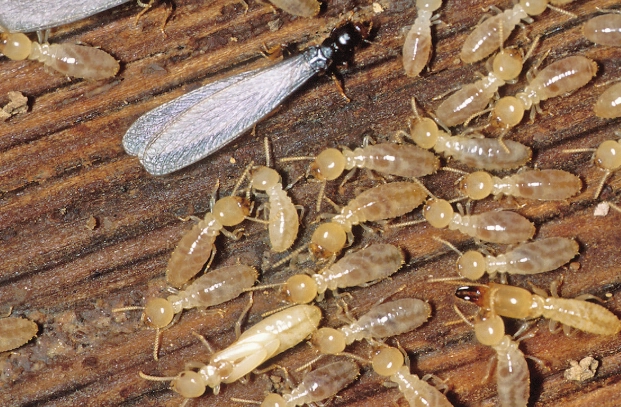
Soil Treatments and Barriers
Liquid termiticides applied to the soil create a barrier. Products like Termidor are popular, but they require professional application. For DIY, consider termite bait stations like Sentricon, but monitor them regularly. A table comparing options might help:
| Method | Cost Range | Effectiveness | Best For |
|---|---|---|---|
| Liquid Soil Treatment | $1,200 - $2,500 | High, lasts 5-10 years | New constructions or severe risk areas |
| Termite Bait Stations | $800 - $1,500 | Moderate, requires upkeep | Ongoing monitoring in low-risk zones |
| Physical Barriers (e.g., stainless steel mesh) | $2,000 - $4,000 | Very high, long-term | Retrofits during renovations |
Physical barriers, though costly, are underrated. They block termites physically without chemicals. I saw a home in Florida where stainless steel mesh installed during a remodel stopped infestations for 15 years.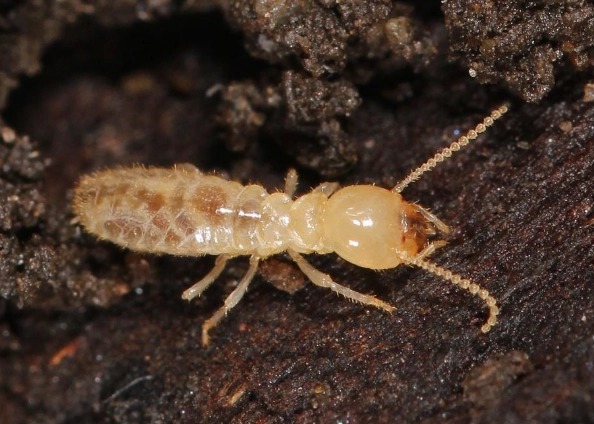
Moisture Control Strategies
Termites thrive in dampness. Fix leaks immediately—even a slow drip under a sink can attract them. Ensure gutters are clean and direct water away from the foundation. Use dehumidifiers in basements. A study from the University of Kentucky Entomology department emphasizes that reducing soil moisture around foundations cuts termite activity by up to 70%. Don't just rely on pesticides; manage your landscape. Keep mulch at least 6 inches away from your home's siding, and avoid wood-to-soil contact like fence posts touching the ground.
Here's a personal gripe: many pest control companies sell annual spray contracts, but if your moisture issues aren't fixed, those sprays are a band-aid. Invest in proper drainage first.
Eliminating an Active Infestation
Once termites are inside, it's a race against time. DIY methods often fail because they don't target the colony deep underground. I've had clients try vinegar or orange oil, only to see termites return in months.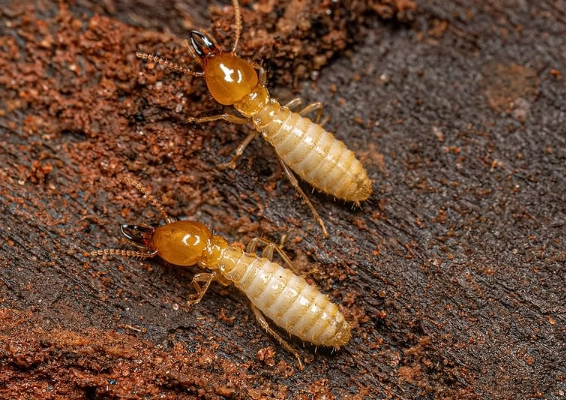
Professional vs. DIY Methods
Hiring a pro is usually best for active infestations. They use specialized tools like termite detection devices and inject termiticides directly into the soil or wood. Costs vary, but expect $1,500 to $3,000 for a full treatment. For DIY, if the infestation is small and localized, you might use termite foam or dust, but it's risky. The key is to hit the colony, not just the visible trails. Most store-bought sprays only kill surface termites, leaving the queen alive to reproduce.
Case Study: A Homeowner's Experience
Let me share a story. John from Texas noticed mud tubes in his garage. He applied a DIY spray, and the tubes disappeared for six months. Then, they came back worse. Why? The spray didn't reach the main colony underground. He called a professional who used a soil drench method, and after two years, no recurrence. The lesson: subterranean termites build colonies deep, so treatments must penetrate the soil. The Entomological Society of America recommends integrated pest management, combining chemicals with monitoring.
Post-treatment, monitor regularly. Set up bait stations or schedule annual inspections. Some companies offer warranties, but read the fine print—they often exclude moisture-related reinfestations.
Your Top Questions Answered
Remember, subterranean termite control isn't a one-time task. It's an ongoing process of vigilance and maintenance. Start with identification, fortify with prevention, and act swiftly if elimination is needed. Share your experiences in the comments—I've learned as much from homeowner stories as from textbooks.
LEAVE A REPLY
Your email address will not be published. Required fields are marked *