Let's be honest: yellowjackets are the worst. It's not just the sharp, sudden pain of a sting. It's the way they aggressively hover over your soda can at a barbecue, the menacing hum around a hidden nest, and the genuine fear they can instill, especially if someone has an allergy. This isn't about a few harmless bugs in the garden. This is about reclaiming your outdoor space safely and effectively. I've spent more summers than I'd like dealing with these striped terrors, from small paper nests under the deck to massive underground colonies. Through trial, error, and consulting with professional exterminators, I've learned what works, what's a waste of time, and what's downright dangerous. This guide cuts through the generic advice to give you a clear, actionable plan.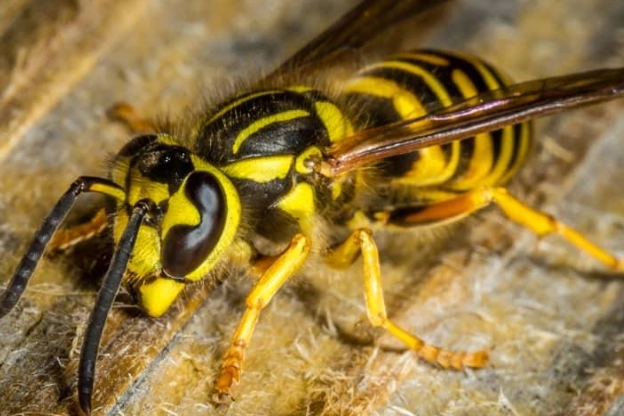
What's Inside?
- What Are Yellowjackets and Why Should You Care?
- How to Identify Yellowjackets: Don't Mistake Them for Bees
- The Ultimate Yellowjacket Prevention Playbook
- How to Get Rid of a Yellowjacket Nest: A Step-by-Step Guide
- Yellowjacket Sting First Aid: What to Do (and What Not to Do)
- Your Yellowjacket Questions, Answered by Experience
What Are Yellowjackets and Why Should You Care?
Yellowjackets aren't just any wasp. They're social insects that live in colonies, often with thousands of members by late summer. Their diet shifts through the season. In spring, they hunt other insects (which can be beneficial), but by late summer and fall, they become sugar-crazed scavengers. This is when they become a major nuisance at picnics, around garbage cans, and near fallen fruit.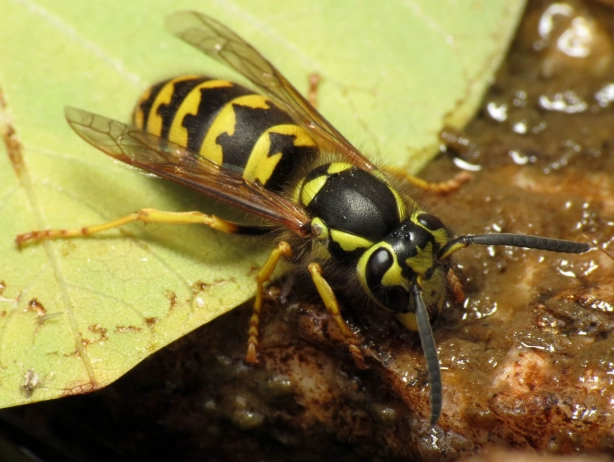
Their aggression is what sets them apart. Unlike honey bees that sting once and die, a yellowjacket can sting multiple times. Worse, they release an alarm pheromone when threatened, which signals the entire colony to attack. Disturb a nest, and you're not dealing with one angry insect—you're facing a coordinated defensive swarm. For the roughly 2% of the population with severe allergies, this poses a life-threatening risk (anaphylaxis). Even for those without allergies, multiple stings are intensely painful and can lead to serious reactions.
How to Identify Yellowjackets: Don't Mistake Them for Bees
Correct identification is your first line of defense. Many people panic at any flying insect with a stinger, but confusing yellowjackets with bees leads to poor decisions. Bees are fuzzy, pollen-collecting vegetarians crucial for pollination. Yellowjackets are smooth, predatory carnivores-turned-scavengers with a nasty attitude.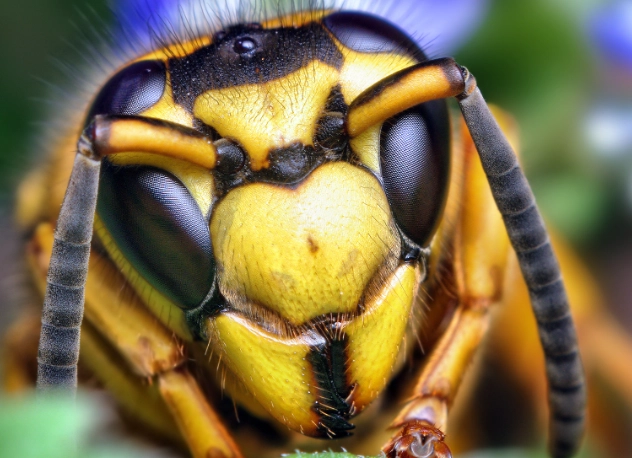
Look for these three key signs:
- The Body: Sleek, hairless bodies with bright, contrasting black and yellow bands. Their waist is pinched, giving them a distinct "wasp waist."
- The Nest: This is the biggest giveaway. Yellowjackets build papery nests from chewed wood fibers. The catch? The nest location. You might find a football-shaped nest hanging from a tree eave (aerial nesters, like the Dolichovespula genus), but the most common and problematic species (like the Vespula genus) build hidden nests in the ground (old rodent burrows, under roots) or inside structural voids (wall cavities, attics, under siding).
- The Behavior: Erratic, rapid flight. They don't hover gently over flowers like bees. They zoom directly to food sources—your burger, your trash, your sugary drink.
| Feature | Yellowjacket | Honey Bee | Paper Wasp |
|---|---|---|---|
| Body Texture | Smooth, shiny, hairless | Fuzzy, hairy | Smooth, slender |
| Color Pattern | Bright, bold yellow and black bands | Golden brown/amber with black stripes | Often brown with yellow markings; legs dangle in flight |
| Nest Type | Enclosed paper carton, often in ground or voids | Wax comb in hives (man-made or tree cavities) | Open, umbrella-shaped comb (cells visible) |
| Aggression | HIGH - Defends nest aggressively, scavenges food | LOW - Defends hive only, not interested in human food | MODERATE - Defends nest if disturbed |
The Ultimate Yellowjacket Prevention Playbook
An ounce of prevention is worth a pound of cure, especially when the "cure" involves angry wasps. Your goal is to make your property uninteresting and inaccessible. Most advice tells you to keep food covered, which is obvious. Let's talk about the less obvious tactics.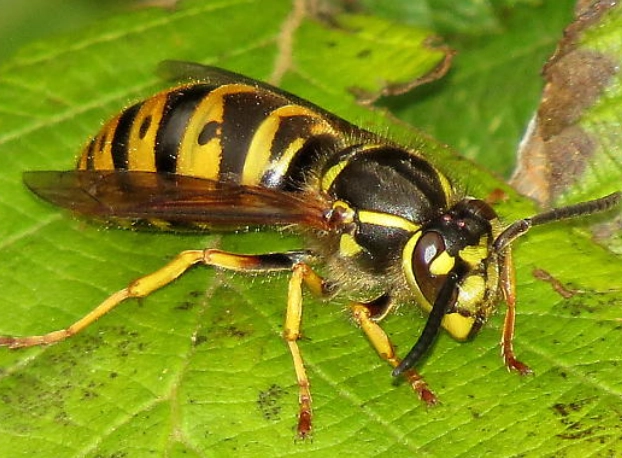
Seal the Buffet: Beyond the Picnic Table
Yes, cover food and drinks outdoors. Use lids and drink covers. But the real attractants are often overlooked.
- Garbage Management is Non-Negotiable: Use bins with tight-fitting, locking lids. Rinse out soda cans, beer bottles, and food containers before tossing them. I clean my outdoor bin with a vinegar solution weekly during peak season—it cuts the sweet smells that draw them in from yards away.
- Pet Food & Compost: Feed pets indoors. If you must feed outside, remove the bowl immediately after. Keep compost piles covered and far from the house.
- Fallen Fruit: Regularly pick up fallen apples, pears, or peaches from your yard.
Deny Real Estate: Early Season Scouting
In early spring, queens emerge to start new colonies. They look for sheltered spots.
Walk your property in April and May. Look for holes in the ground, gaps in your siding, openings in soffits or attic vents, and spaces under decks. Seal these entry points with caulk, steel wool, or hardware cloth. A queen excluded in spring means no thousand-member colony by August. This single step saves more headaches than any trap.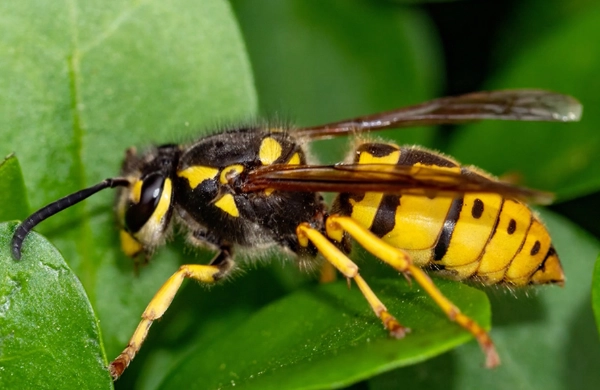
How to Get Rid of a Yellowjacket Nest: A Step-by-Step Guide
You've found a nest. Now what? The single most important factor is location. This dictates your entire approach and risk level.
Scenario 1: The Exposed, Ground-Level Nest
This could be in a bush, under a low deck, or hanging from a tree branch at a reachable height.
DIY Approach (With Extreme Caution):
- Timing is Everything: Treat at night or just before dawn when all foragers are inside and the colony is lethargic. They can't see well in the dark. Use a red-filtered flashlight (they see red light poorly).
- Gear Up: Wear thick, protective clothing. Tuck pants into socks, sleeves into gloves. A bee veil or hat is crucial.
- The Tool: Use a ready-to-use aerosol wasp & hornet spray with a jet stream that can reach 10-20 feet. Do not use gasoline or fire—this is illegal, environmentally disastrous, and incredibly dangerous.
- The Action: From a safe distance, aim the spray stream directly into the nest entrance. Saturate it. Leave the area immediately. Do not stand underneath a hanging nest. Check the next evening from a distance. If you see activity, repeat.
Scenario 2: The Hidden or High-Risk Nest
This includes any nest in the ground (you can't see its full size), inside a wall, in an attic, or high up on a second-story eave.
My Strong Recommendation: CALL A PROFESSIONAL.
Here's the expert insight most DIY guides gloss over: Underground nests can have multiple, hidden entrances. Spraying one might just redirect angry wasps into your living space through cracks in the foundation. A pro has the experience, protective gear, and often, insecticidal dusts that carriers spread throughout the hidden cavity, ensuring the entire colony is eliminated. For wall nests, removal often involves cutting into the structure after the colony is dead to remove the nest and prevent future problems with decay or attracting other pests. This is not a job for a can of spray from the hardware store.
The cost of a professional removal ($150-$500 depending on location and difficulty) is worth the safety and guarantee. I learned this the hard way after a DIY ground nest attempt led to wasps pouring out of a crack in my basement wall an hour later.
Yellowjacket Sting First Aid: What to Do (and What Not to Do)
Even with precautions, stings happen. Reacting correctly minimizes pain and risk.
Immediate Steps:
- Get to Safety: Move away from the area calmly but quickly to avoid more stings.
- Check for Stinger: Yellowjackets usually don't leave a stinger. If one is present (possible if swatted), scrape it off sideways with a credit card, don't pinch it.
- Clean & Cool: Wash the area with soap and water. Apply a cold pack or ice wrapped in a cloth to reduce swelling and pain.
- Over-the-Counter Relief: Take an antihistamine (like Benadryl) for itching and an anti-inflammatory (like ibuprofen) for pain/swelling. A paste of baking soda and water or hydrocortisone cream can help with itch.
When to Seek EMERGENCY Medical Help (Signs of Severe Allergic Reaction - Anaphylaxis):
- Difficulty breathing, wheezing, or tightness in the throat
- Swelling of the lips, tongue, or face
- Dizziness, rapid pulse, or a drop in blood pressure
- Hives spreading over the body
- Nausea or vomiting
If someone has a known severe allergy, use their epinephrine auto-injector (EpiPen) immediately and call emergency services.
LEAVE A REPLY
Your email address will not be published. Required fields are marked *