You find one. Then another. Those silvery, wiggly little bugs darting under the bathroom sink or scurrying across a book in the basement. Silverfish in the house aren't dangerous, but let's be honest—they're unsettling. They chew on your stuff, and their presence is a signal. A signal about your home's environment that most people miss. I've dealt with these ancient pests in old apartments and damp basements for years, and the biggest mistake I see? People treat the bug, not the reason the bug is there. This guide will walk you through exactly what to do, from positive identification to long-term prevention, cutting through the common myths.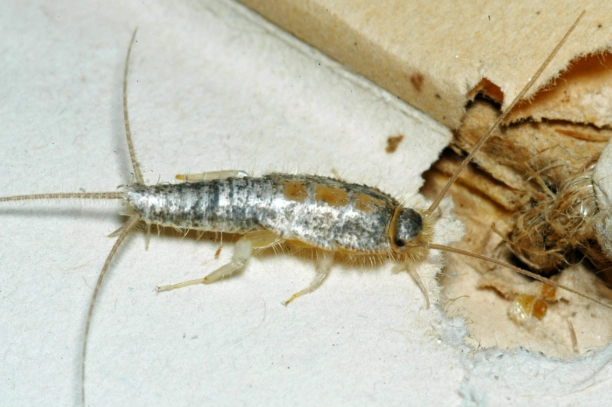
What's Inside This Guide
What Exactly Are Silverfish?
Silverfish (Lepisma saccharina) are primitive, wingless insects. They've been around for over 400 million years. Think about that—they outlived the dinosaurs. They're survivors, and your cozy, humid house is a five-star resort for them.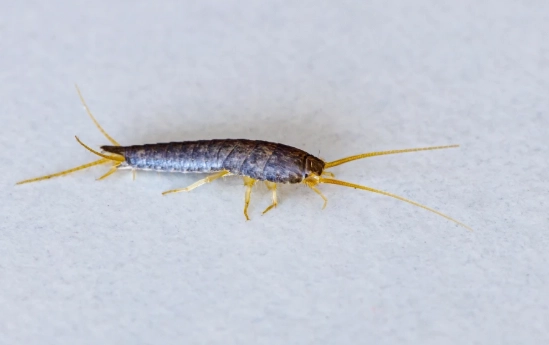
They get their name from their fish-like shape and silvery, metallic scales that rub off if you touch them. They have three long bristles at their rear and two long antennae up front. They move with a distinctive, fast, wiggling motion. They're nocturnal, which is why you usually only spot them when you turn on a light in a dark room.
Key Takeaway: Silverfish don't bite people or pets, and they don't carry diseases. The real problem is the damage they cause and what their presence reveals about your home.
Top Signs You Have a Silverfish Infestation
Seeing a live one is the obvious sign, but there are other clues they leave behind. Look for these in damp, dark areas.
- Yellowish Stains: Look for tiny, yellowish stains on fabrics, wallpaper, or cardboard. This is their excrement.
- Feeding Marks: Irregular holes, notches, or surface etchings on paper, book bindings, wallpaper, clothing, or even dried pasta. The damage looks like something has been scraped off the surface.
- Molted Skins: Silverfish shed their skin as they grow. You might find these tiny, translucent, empty shells that look like crumpled versions of the bug itself.
- Scale Traces: Sometimes you'll see their silvery scales left behind on surfaces where they scurried through.
The most common rooms? Bathrooms, basements, kitchens, and attics. Anywhere humidity stays above 60%.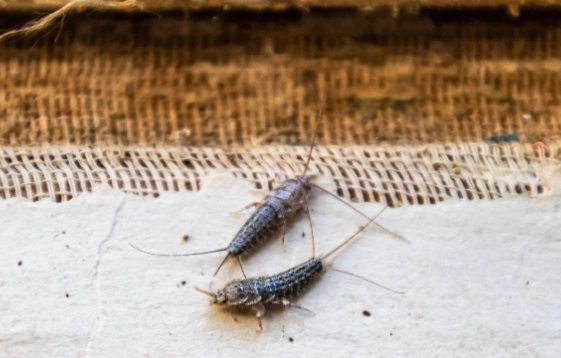
Why Silverfish Move Into Your House (It's Not Just Dirt)
Here's the non-consensus part everyone gets wrong. People assume a silverfish problem means a dirty house. That's rarely the primary cause. Silverfish are moisture pests first and foremost. They need high humidity to survive. A perfectly clean but damp basement is far more attractive to them than a dry, slightly cluttered one.
They're after two things: moisture and food. Their food sources are things rich in polysaccharides (starches and sugars):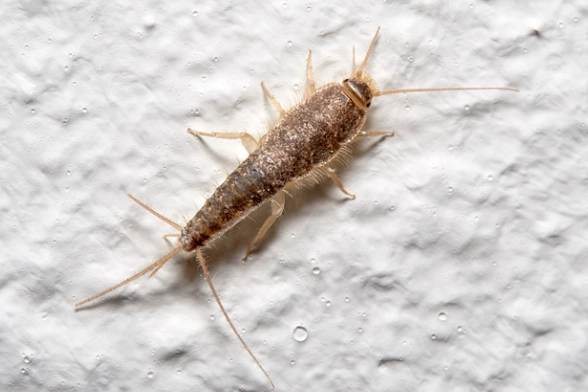
| Common Food Sources | Unexpected Food Sources |
|---|---|
| Paper & Books (glue in bindings) | Cotton & Linen (starch in fabric sizing) |
| Wallpaper & Glue | Silk & Synthetic Fabrics |
| Cardboard Boxes | Dandruff & Skin Flakes |
| Flour & Cereals | Dead Insects |
| Photographs | Certain Types of Paint |
So, if you're storing old tax documents in a damp garage, or have a bookshelf against a cool, exterior wall that gets condensation, you've built them a buffet.
How to Get Rid of Silverfish: A Step-by-Step Plan
Spraying a can of insecticide where you saw one is a temporary fix. You need a systematic approach. Do these steps in order.
1. Find and Dry Out the Source
This is the most critical step. Grab a hygrometer (a cheap humidity meter) and check your problem areas. Your goal is to get relative humidity below 50%.
- Run dehumidifiers in basements and damp rooms. Empty them daily.
- Improve ventilation. Use exhaust fans in bathrooms and kitchens religiously.
- Fix any plumbing leaks, no matter how small. Check under sinks, around toilets, and behind appliances.
- Insulate cold water pipes to prevent condensation sweat.
- Ensure your gutters and downspouts direct water away from your foundation.
2. Eliminate Hiding Places and Food Sources
Declutter with a purpose. They love cardboard, so switch to plastic bins with tight lids for storage.
- Move bookshelves, stored boxes, and furniture away from walls, especially exterior walls.
- Vacuum thoroughly and frequently—under appliances, in closets, along baseboards. This removes eggs, nymphs, and food debris.
- Seal cracks and crevices in baseboards, around pipes, and in foundations with caulk or foam.
3. Apply Targeted Treatments
Now you can bring in the weapons. I prefer baits and dusts over sprays for silverfish.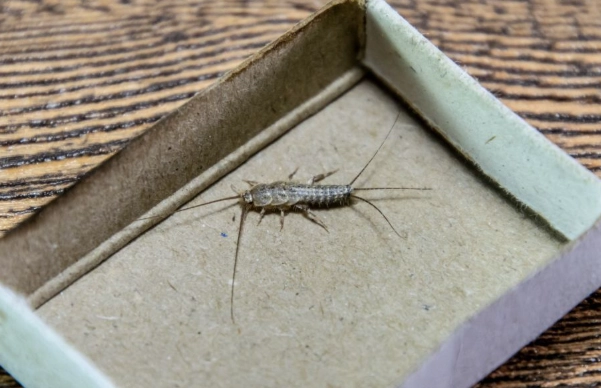
Expert Tip: Avoid widespread bug bombs or foggers. They drive pests deeper into walls and do little to address the core population or eggs. They're messy and often ineffective for silverfish.
Diatomaceous Earth (DE): This is a fine, abrasive powder made from fossilized algae. It's non-toxic to humans and pets (use food-grade). Dust it lightly into wall voids, under appliances, and along baseboards. It dehydrates and kills insects that walk through it over a day or two. It's a great long-term barrier.
Silverfish Baits: Commercial silverfish bait stations contain an insecticide mixed with an attractive food source. Place these in corners, under sinks, and behind toilets. The silverfish eat the bait and share it with others, spreading the control.
Boric Acid Powder: Similar to DE but a poison. It must be applied as a very fine, thin layer in inaccessible areas (like under cabinets). It's effective but use more caution around pets and children.
How to Prevent Silverfish From Coming Back
Prevention is about maintaining the environment you created during the elimination phase.
- Monitor Humidity: Keep that dehumidifier running in naturally damp seasons. Make it part of your routine.
- Store Smartly: Never store books, papers, or clothes directly on a basement or garage floor. Use shelving and plastic bins.
- Regular Inspections: Periodically check your usual trouble spots—under the bathroom sink, the back of the basement storage area. A sticky glue trap placed in a corner can be a great passive monitor.
- Landscape for Dryness: Keep mulch and soil away from your home's siding. Ensure the ground slopes away from your foundation.
It's a habit shift, not a one-time task.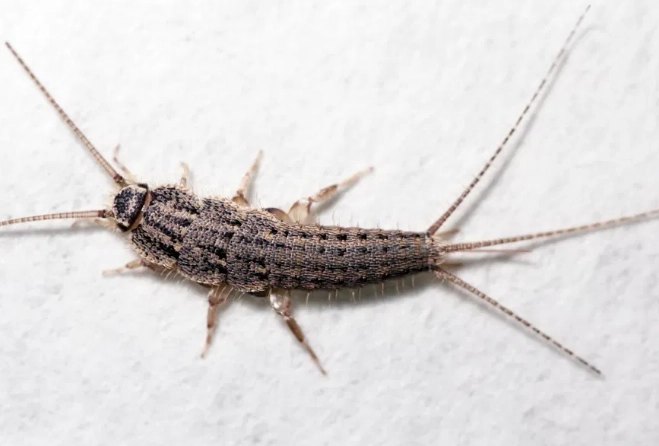
LEAVE A REPLY
Your email address will not be published. Required fields are marked *