You wake up with itchy, red bites in a line or cluster. Your mind races. You've heard the horror stories. As you lie there, a dark thought crosses your mind: could something have flown in and done this? Do bed bugs fly? The short, definitive answer is no, bed bugs cannot fly. They are completely flightless insects. But that fact alone doesn't make them any less of a nightmare. In some ways, understanding how they actually move is more critical to stopping them. Let's cut through the myths and get to the practical truth about bed bug movement, prevention, and elimination.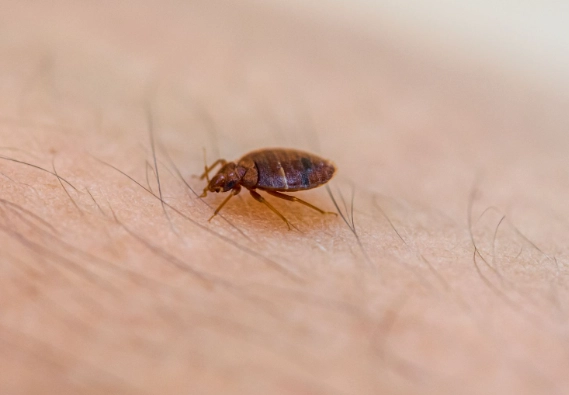
What's Inside: Your Quick Guide
The Anatomy Truth: Why Bed Bugs Are Grounded
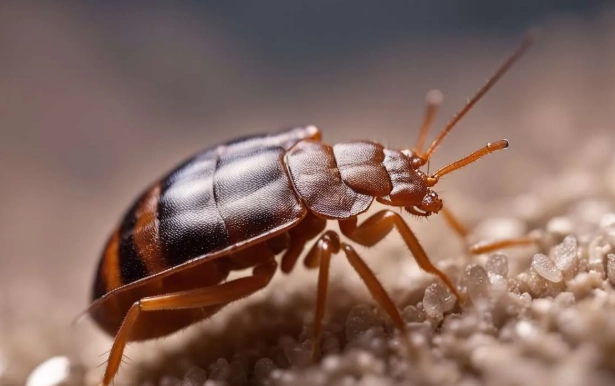
Look at a bed bug under a microscope, and you'll see the reason they're not aerial threats. Adult bed bugs have what are called "vestigial wing pads." These are tiny, non-functional flaps on their thorax where wings would be on other insects. They're essentially evolutionary leftovers, like our appendix. They serve no purpose for flight.
Compare that to a mosquito or a fly, which have fully developed wings and powerful flight muscles. Bed bugs lack all that machinery. Their bodies are built for a different life: flat for hiding in cracks, with legs designed for crawling quickly over surfaces. I remember a client once insisted they saw a "flying bed bug." After some investigation, it turned out to be a carpet beetle. That's a common mix-up.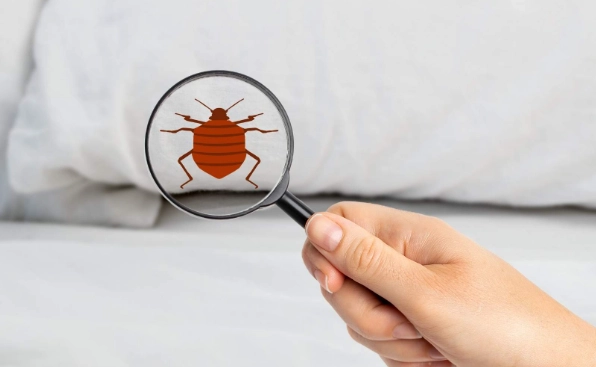
Key Takeaway: The presence of wing pads often confuses people. They see a hint of a wing-like structure and assume flight capability. In reality, those pads are useless for getting off the ground. Bed bugs are 100% committed to life as crawlers.
How Do Bed Bugs Move If They Don't Fly?
Since they can't fly, bed bugs are master hitchhikers. This is the core of the problem and where most infestations start. They don't migrate from a neighboring apartment through walls as their first choice; they get a ride.
Their Primary Mode of Transportation: Hitchhiking
Bed bugs crawl onto luggage, bags, clothing, furniture, and boxes. They're attracted to the carbon dioxide we exhale and our body heat, so they gravitate towards our stuff. Think about the last time you stayed in a hotel, sat in a movie theater, or visited a friend's apartment. Any of those are potential pickup points.
A study from the USDA Agricultural Research Service highlights their efficiency as passive transporters. They can survive for months without a meal, waiting patiently in a suitcase in your closet for the next opportunity.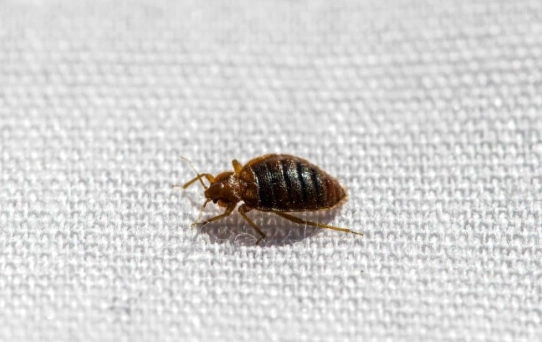
Crawling: Their Local Travel Method
Once inside a building, they crawl. They can move surprisingly fast for their size—about 3-4 feet per minute. They'll travel along pipes, electrical conduits, baseboards, and through wall voids to spread from room to room, especially in multi-unit dwellings like apartments and hotels.
Here’s a quick comparison of how bed bugs stack up against other common pests in the mobility department:
| Pest | Can It Fly? | Primary Movement Method | Speed/Distance |
|---|---|---|---|
| Bed Bug | No | Hitchhiking & Crawling | ~3-4 ft/min crawl; long-distance via human transport |
| Mosquito | Yes | Flying | 1-1.5 mph; several miles |
| House Fly | Yes | Flying | ~4.5 mph; several miles |
| Cockroach (German) | No (but can glide) | Crawling | ~3 mph crawl |
| Flea | No | Jumping | Jump up to 200x body length |
See the pattern? The flying insects cover ground quickly under their own power. Bed bugs rely on us. This is why public awareness is so crucial—their spread is directly tied to human activity.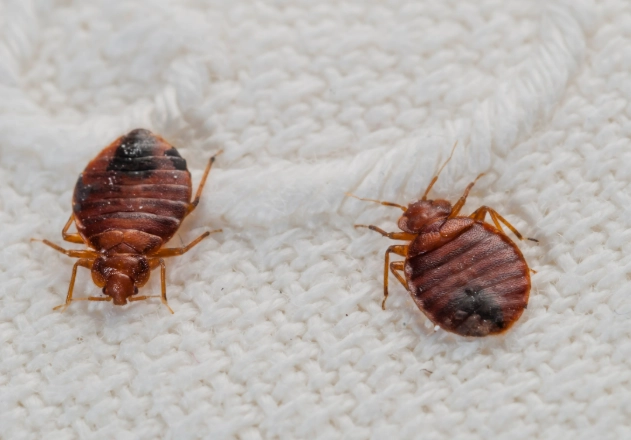
How to Spot Them Early (Before It's a Big Problem)
Because they're stealthy hitchhikers, early detection is your best weapon. Don't wait for bites. Be proactive, especially after traveling or having guests.
Inspect like a pro: When you check into a hotel, don't just plop your luggage on the bed. Put it in the bathroom (tile floor, fewer hiding spots). Pull back the sheets and inspect the mattress seams, especially at the corners. Look for:
- Live bugs: Apple-seed sized, reddish-brown, flat (if hungry) or swollen (if fed).
- Fecal spots: Tiny black or brown dots that look like a marker bled. They smear.
- Cast skins: Pale, shell-like remains they shed as they grow.
- Eggs: Tiny (1mm), pearly-white ovals, often in clusters.
At home, check your own bed frame, headboard, box spring seams, and nearby furniture. Use a credit card to scrape along seams—it can dislodge evidence. A common mistake is only checking the mattress. They love the cracks in wooden bed frames and the fabric tags on the box spring just as much.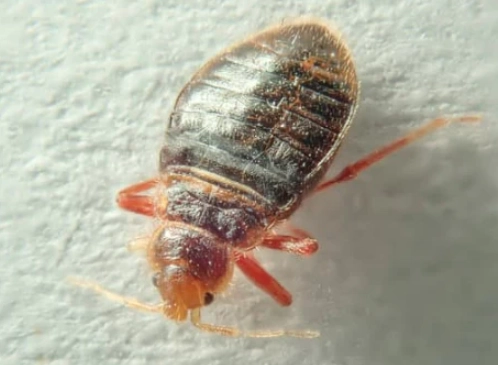
A subtle error most people make: They look for bugs only on the bed surface. Bed bugs are thigmotactic—they love tight contact on all sides. Flip the mattress? Sure. But you must unscrew and examine the underside of the headboard, the joints of the footboard, and inside the hollow legs of bedside tables. That's where established colonies often thrive, undisturbed.
How to Get Rid of Bed Bugs: A Practical Guide
Finding them is terrifying, but action beats panic. Here’s a step-by-step approach based on integrated pest management (IPM) principles, which the Environmental Protection Agency (EPA) recommends.
Step 1: Confirm and Contain
Don't start spraying over-the-counter insecticides. That can scatter them. Get a positive ID (a pest pro can do this, or compare to clear online guides from universities). Immediately isolate the affected room if possible. Don't move items from that room to other rooms—you'll spread them.
Step 2: Reduce Clutter
Clutter is a bed bug's paradise. It gives them endless hiding spots. Carefully bag and remove clutter for inspection and treatment later. Use clear plastic bags so you can see what's inside.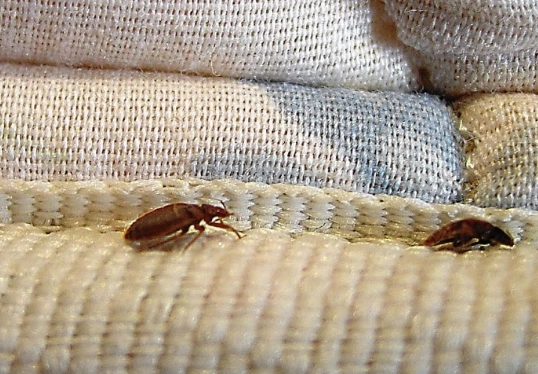
Step 3: Heat Treatment and Deep Cleaning
Heat is a killer. Wash and dry all bedding, clothing, and fabrics on the highest heat setting the fabric can tolerate. The dryer is your friend—run items for at least 30 minutes on high heat. For items that can't be washed, a portable heating chamber or carefully monitored black plastic bags in the sun (in a hot climate) can work, but professional equipment is more reliable.
Vacuum thoroughly—every seam, crack, and crevice. Use the crevice tool. Immediately empty the vacuum canister into a sealed plastic bag and dispose of it outside.
Step 4: Encase and Protect
Invest in high-quality, bug-proof mattress and box spring encasements. These zip shut and trap any bugs already inside, preventing them from biting and eventually starving them. They also create a smooth barrier with no hiding places for new bugs.
Step 5: Consider Professional Help
For significant infestations, professional treatment is almost always necessary. Pros have access to more effective tools: commercial-grade steamers, targeted insecticides, and whole-room heat treatments. Ask about their methods, guarantees, and if they use a canine inspection team for accuracy.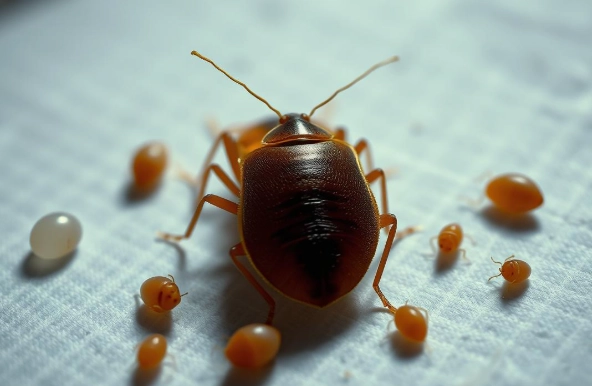
The process is disruptive and stressful. I've seen people try to cut corners by treating just the bed, only to find the bugs reappearing from a picture frame or bookshelf weeks later. You must be thorough.
Your Top Bed Bug Movement Questions Answered
LEAVE A REPLY
Your email address will not be published. Required fields are marked *