Quick Navigation
I still remember the first time I saw a brown banded cockroach. It was in my own kitchen, scurrying across the countertop—small, light brown, with those faint bands. I thought it was just a baby German cockroach, but I was wrong. That misunderstanding cost me weeks of frustration. Brown banded cockroaches are a different beast altogether, and if you're here, you probably know the feeling. They're sneaky, they infest clean homes, and they love hiding in spots you'd never expect. In this guide, I'll walk you through exactly how to identify them, prevent them, and get rid of them for good, based on years of hands-on experience and some hard-learned lessons.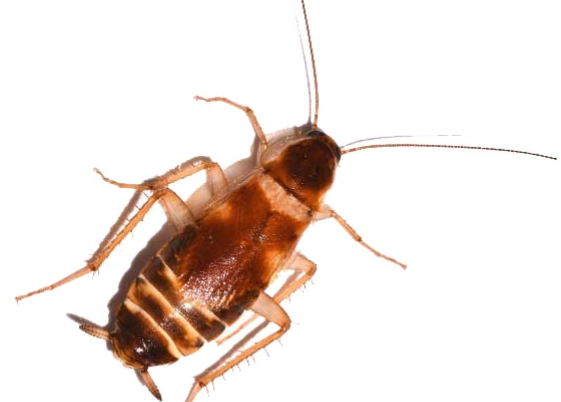
How to Identify Brown Banded Cockroaches
Let's cut to the chase. If you're seeing small cockroaches around your home, you need to know what you're dealing with. Brown banded cockroaches (Supella longipalpa) are often confused with German cockroaches, but they have key differences. Misidentification leads to using the wrong treatments, which is why so many people struggle.
Physical Characteristics
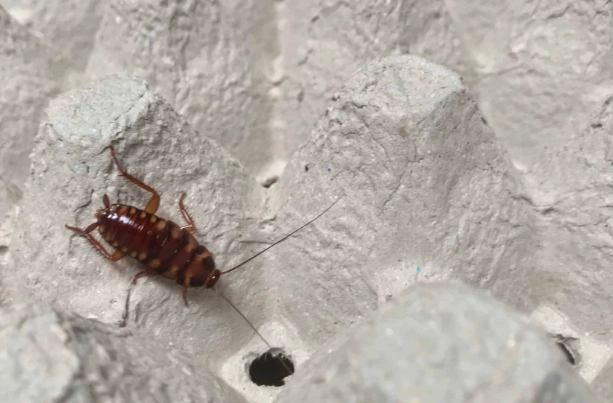
Adult brown banded cockroaches are about half an inch long. They're light brown to tan, with two lighter bands across their wings and abdomen. Males are slender and can fly short distances, while females are broader and don't fly. Nymphs (young ones) are darker and lack wings, but you'll see those bands as they grow. The bands aren't always obvious—sometimes you need a good look. I've had clients swear they had a different pest until I pointed out the subtle banding under a light.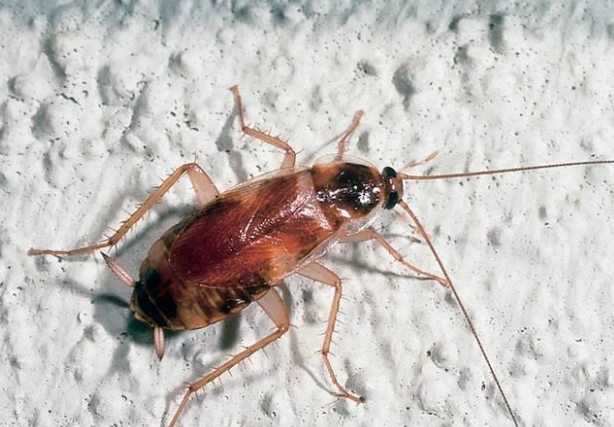
Habitats and Behavior
This is where things get interesting. Unlike other cockroaches that prefer damp areas, brown banded cockroaches like dry, warm spots. They're often found high up—on ceilings, in upper cabinets, behind picture frames, or inside electronics. Yes, electronics. I once helped a family who had an infestation in their TV and router. They thought it was a wiring issue, but it was cockroaches nesting in the warmth. They're also more active at night, but I've seen them during the day if the population is high. They avoid water sources, which is why they're in bedrooms and living rooms, not just kitchens and bathrooms.
Preventing Infestations: What Most Guides Miss
Most articles tell you to keep things clean. That's important, but it's not enough. Brown banded cockroaches can hitchhike into your home via boxes, furniture, or even grocery bags. Prevention is about sealing entry points and disrupting their habits. Here’s what often gets overlooked.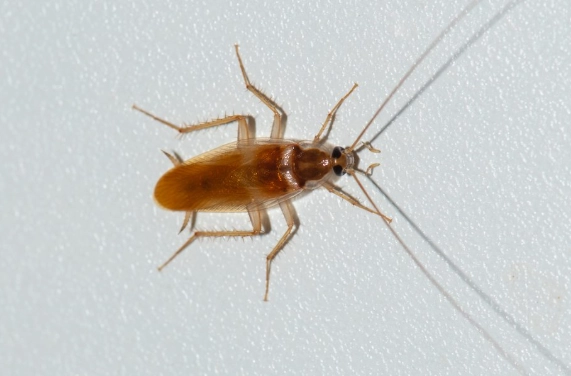
First, focus on clutter. These pests love cardboard and paper. I advise clients to replace cardboard storage boxes with plastic bins. It's a simple switch, but it cuts down hiding spots dramatically. Second, seal gaps. Use caulk to close cracks around windows, doors, and baseboards. Pay attention to electrical outlets and pipes—they use these as highways. Third, monitor humidity. Even though they prefer dry areas, keeping overall humidity below 50% with a dehumidifier can deter them. The University of Kentucky's Entomology Department notes that reducing clutter is critical for brown banded cockroach control, but many homeowners skip this step.
I've seen too many people rely solely on sprays. Sprays can repel them, pushing them deeper into walls. Instead, use baits and gels strategically. Place them near potential nesting sites, like behind bookshelves or inside cabinets. And don't forget about pet food—store it in airtight containers. One client had an infestation traced back to an open bag of dog food in a closet.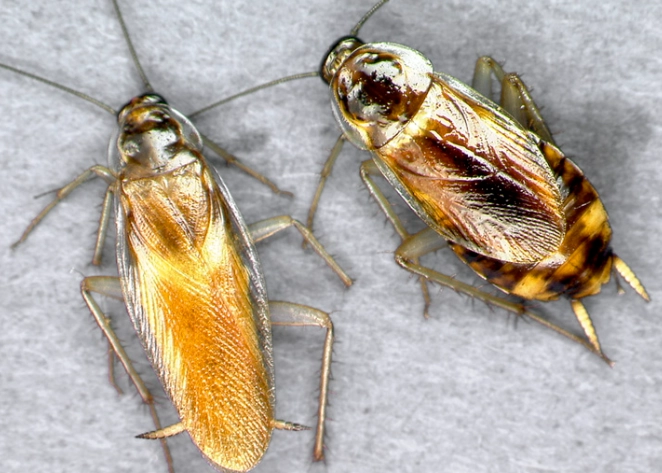
Getting Rid of Them: DIY vs. Professional
If you already have an infestation, action is needed. The approach depends on the severity. For small infestations, DIY methods can work if done right. For larger ones, professional help saves time and money in the long run.
DIY Methods That Actually Work
Start with inspection. Use a flashlight to look in those high, dry spots I mentioned. Look for droppings (tiny black specks), egg cases (oothecae), which are purse-shaped and about 5mm long, and shed skins. Once you locate them, here’s a step-by-step plan:
- Baits and gels: Use insecticide baits containing hydramethylnon or fipronil. Place dots near suspected nests, not just along baseboards. Brown banded cockroaches are neophobic—they avoid new objects—so give it time. Reapply every two weeks.
- Dusts: Apply diatomaceous earth or boric acid in voids, like behind outlets or under appliances. It’s a desiccant that dries them out. Wear a mask when applying.
- Traps: Sticky traps help monitor activity. Place them vertically on walls near hiding spots. They won’t eliminate the population but show you where to focus.
I tried a DIY approach once and made the mistake of using too much spray. It scattered the cockroaches, making the problem worse. Lesson learned: baits are better for these guys.
When to Call a Professional
If you’ve tried DIY for a month and still see activity, it’s time to call a pro. Professionals have access to stronger insecticides and tools like insect growth regulators (IGRs) that disrupt reproduction. They also know how to find hidden nests. Look for a pest control company that uses integrated pest management (IPM) strategies. IPM combines multiple methods and focuses on long-term prevention, which is key for brown banded cockroaches. The National Pest Management Association emphasizes IPM for effective cockroach control, but many local companies still rely on routine spraying without inspection.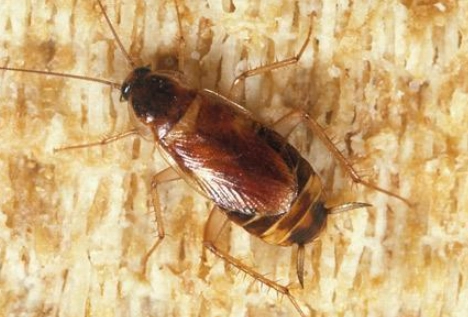
Cost varies, but expect $100-$300 per treatment. It’s worth it if the infestation is widespread. Ask for a detailed plan and follow-up visits.
Common Myths and Costly Mistakes
There’s a lot of bad advice out there. Let’s debunk some myths.
Myth 1: “Brown banded cockroaches only infest dirty homes.” Not true. They’re attracted to clutter and warmth, not filth. I’ve seen them in spotless apartments because of cardboard boxes or electronics.
Myth 2: “Ultrasonic repellents work.” Save your money. Studies, like those cited by the EPA, show these devices are ineffective against cockroaches. They might annoy pets more than pests.
Myth 3: “Once you spray, they’re gone.” Spraying can actually make things worse by dispersing them. Baits are more effective because cockroaches carry the poison back to nests.
A common mistake is not treating all infested areas. These cockroaches spread quickly. If you find them in one room, check every room. I helped a homeowner who only treated the kitchen, but the cockroaches had moved to the bedroom via electrical wiring.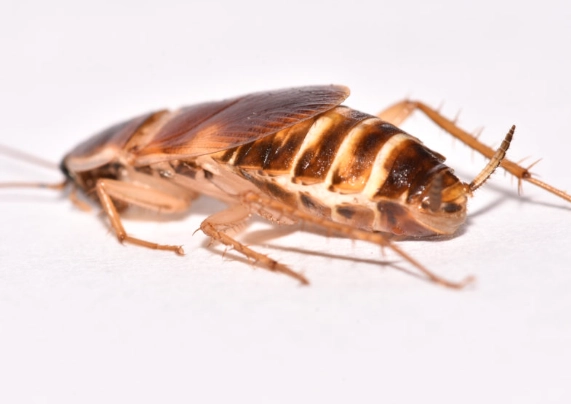
Your Top Questions Answered
Dealing with brown banded cockroaches is frustrating, but with the right knowledge, you can take control. Start by identifying them correctly, then focus on prevention and targeted elimination. Don’t hesitate to seek professional help if needed—it’s an investment in your peace of mind. Remember, these pests are adaptable, so stay vigilant and adjust your strategies as you go.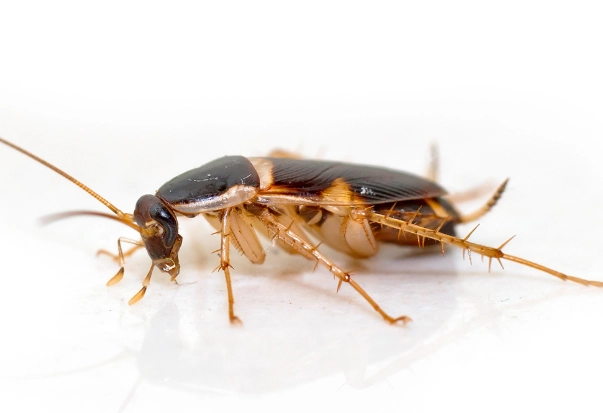
LEAVE A REPLY
Your email address will not be published. Required fields are marked *