You're in the basement grabbing a spare lightbulb, and something moves in the corner of your vision. Not a scurrying mouse, but a frantic, jerking leap. You flick on the light and see it—a pale, spindly insect with legs that seem too long for its body, perched on the wall. Your first thought might be "spider," but the antennae give it away. You've just met a spider cricket, also known as a camel cricket or cave cricket. And if you've seen one, there are almost certainly more.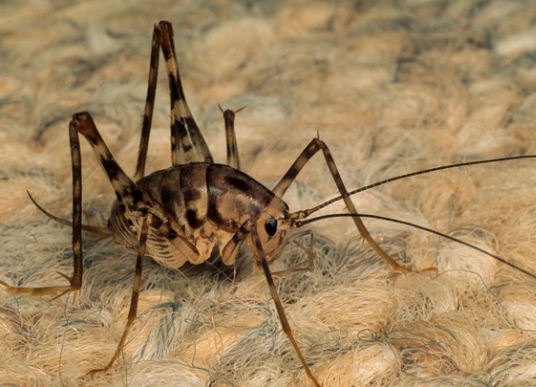
What You'll Find in This Guide
What Exactly Are Spider Crickets?
Let's clear up the identity crisis first. Spider crickets (Rhaphidophoridae family) aren't true crickets and they're definitely not spiders. They're a type of insect called an orthopteran, related to katydids and true crickets, but they've evolved for a life in dark, damp, and sheltered places. The "spider" part comes from their appearance: long, spidery legs, a humped back (the "camel" nickname), and a tendency to hang out on vertical surfaces.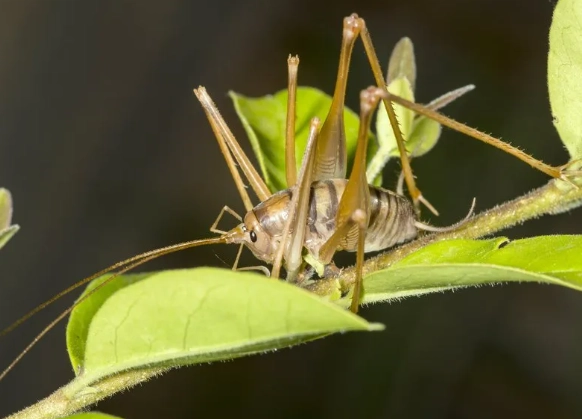
Key Identifiers: Look for a light tan to dark brown body, about 1/2 to 1 1/2 inches long (body only, legs add much more). They have extremely long antennae (often longer than their body), large hind legs built for jumping, and no wings. This last point is crucial—they can't fly at you, which is a small comfort when one leaps in your general direction.
Here's where most online guides get it wrong. They'll tell you spider crickets are "harmless." Technically true—they don't bite, sting, carry disease, or eat your house's structure. But the problem isn't physical harm; it's psychological warfare. Their erratic, startling jumps can make a calm person yelp. They can stain fabrics with their droppings. And a large infestation just feels... wrong.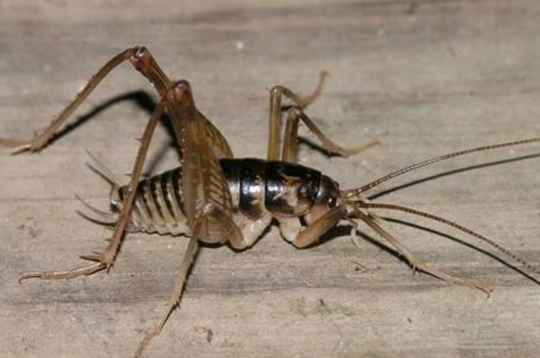
Spider Cricket vs. Common Look-Alikes
It's easy to mix them up. Here’s a quick breakdown.
| Insect | Key Differences from Spider Crickets | Why It Matters |
|---|---|---|
| House Cricket | Has wings, produces loud chirping sounds, darker color. | House crickets are attracted to light and sound, requiring different bait/trap strategies. |
| Wolf Spider | Only 8 legs (spider crickets have 6), two distinct body segments, different movement (runs, doesn't jump). | Wolf spiders are beneficial predators that eat pests, including spider crickets. Don't kill your allies! |
| Jerusalem Cricket | Much larger, striped abdomen, powerful jaws (can pinch). Found primarily in western North America. | These can deliver a painful pinch, so identification is important for safety. |
Why Are Spider Crickets in My House?
They aren't plotting to take over. They're simply lost. In nature, camel crickets live in leaf litter, caves, under stones—any cool, damp, and dark place. Your basement, crawl space, garage, or even a damp bathroom cabinet is a five-star cave to them. They're accidental invaders, usually coming in from overgrown foundation plantings, through cracks in the foundation, or via gaps around utility lines.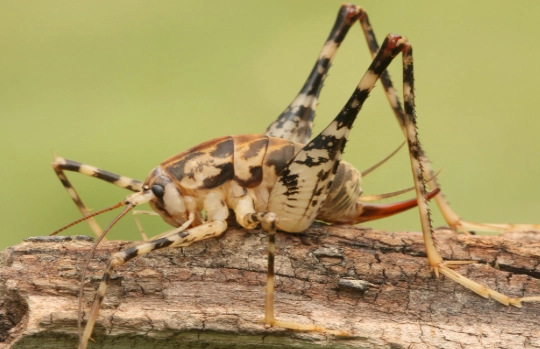
The single biggest attractor is moisture. I've seen homes where fixing a chronic condensation problem on basement pipes did more to reduce spider cricket numbers than any spray. They also seek shelter as outdoor temperatures drop in fall, which is when most people suddenly notice an "invasion."
A Common Mistake: People see spider crickets and immediately reach for a general-purpose bug spray. This is a waste of money and creates unnecessary chemical exposure. These sprays have little residual effect on crickets, and they do nothing to address the conditions attracting them. You'll kill a few you see, but the population in the shadows remains untouched.
How to Get Rid of Spider Crickets: A Step-by-Step Guide
Effective control is about changing the environment, not just killing bugs. Think of it as a campaign, not a single battle.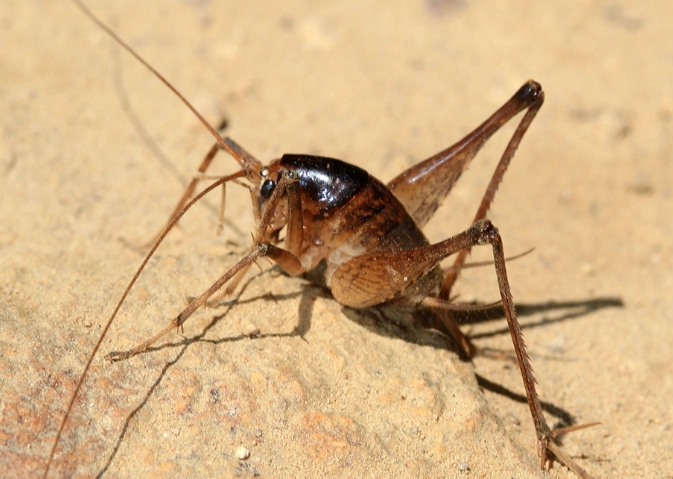
Step 1: The Inspection and Dry-Out
Grab a flashlight and your least-favorite pair of shoes. You need to find their harborage areas.
- Check: Along basement walls, especially where concrete meets framing. Behind stored boxes. In crawl spaces. Around sump pumps and floor drains. In utility rooms.
- Reduce Moisture: This is non-negotiable. Run a dehumidifier in the basement to keep humidity below 50%. Ensure downspouts direct water away from the foundation. Fix leaky faucets or pipes. Improve ventilation in crawl spaces.
Step 2: Exclusion – Seal Them Out
This is tedious but has the longest-lasting impact.
- Seal cracks in the foundation with caulk or expanding foam.
- Install door sweeps on exterior basement doors.
- Seal gaps around pipes, wires, and cables entering the house.
- Trim back vegetation and mulch so it doesn't touch your siding. This removes the "bridge" from their outdoor habitat to your walls.
Step 3: Population Reduction – Traps and Baits
Now, tackle the ones already inside.
- Sticky Traps: The gold standard for monitoring and control. Place them flat along walls, in corners, behind appliances. They're cheap and incredibly effective. Check and replace monthly.
- DIY Trap: A shallow dish filled with a little beer or a mix of water and molasses. They're attracted, fall in, and drown. It works, but it's messier than sticky traps.
- Insecticidal Dusts (for professionals or the very careful): Products like diatomaceous earth or boric acid can be puffed into wall voids and crawl spaces. They work by desiccating the insects. Warning: Wear a mask during application and keep away from pets/children. This is a last-resort for severe infestations in inaccessible areas.
Notice I haven't mentioned spraying insecticides on your basement floor. That's because it's largely ineffective for this particular pest. Their behavior doesn't lead them to walk across treated surfaces consistently.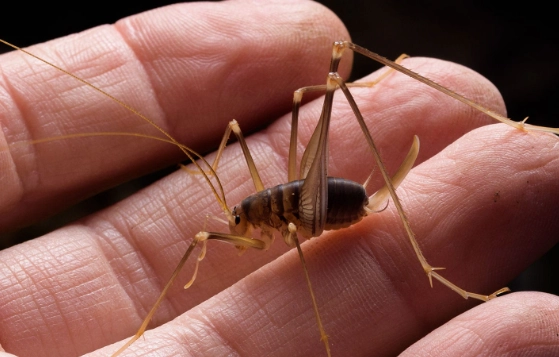
Step 4: Ongoing Monitoring and Maintenance
Keep a few sticky traps in place permanently in problem areas. They're your early warning system. If numbers spike, you know you have a new entry point or a moisture issue to address.
Spider Cricket FAQs: Expert Answers to Your Top Concerns
The bottom line with spider crickets is that they're a symptom, not the core problem. They point to excess moisture and entry points. Address those, use simple traps for the existing population, and you can reclaim your basement from these unsettling but ultimately manageable visitors. It takes a bit of effort, but it's a permanent solution, not just a temporary fix.
LEAVE A REPLY
Your email address will not be published. Required fields are marked *