You've probably seen them a hundred times. Those little gray armored bugs that curl into a perfect ball when you poke them. Rolly pollies, or pill bugs, are a childhood fascination. But as an adult with a garden, a curious kid, or maybe even a quirky pet keeper, you start to wonder: what do rolly pollies actually eat? The answer is more fascinating than you might think, and getting it right matters whether you're trying to attract them, repel them, or keep them alive in a terrarium. Let's cut straight to the chase: they're not bugs at all, but land-living crustaceans related to shrimp and crabs. And their diet is the key to understanding their entire role in your backyard.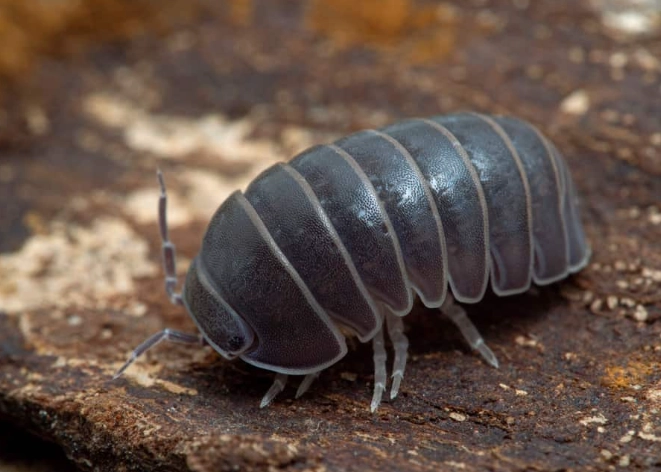
What's Inside?
The Rolly Polly's Ecological Role and Natural Diet
Calling them "bugs" is our first mistake. They're isopods, a type of crustacean that adapted to life on land millions of years ago. This heritage is crucial. Like their aquatic cousins, they have gills that need moisture to function. That's why you always find them in damp, dark places—under rocks, logs, and flower pots. Their diet is perfectly aligned with this lifestyle.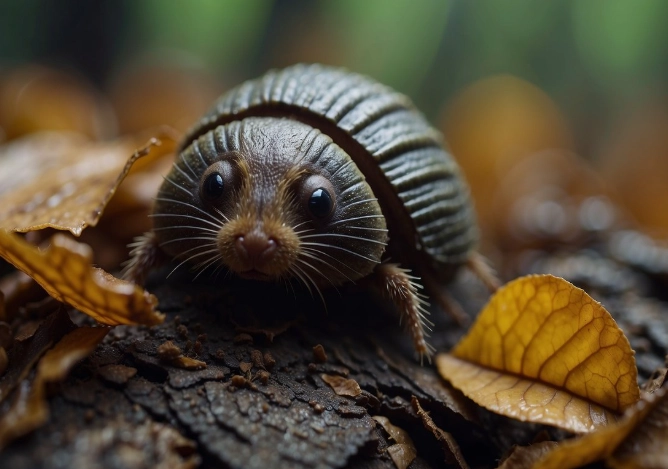
Rolly pollies are nature's ultimate clean-up crew, specifically detritivores. This means they primarily eat decaying organic matter. They're not hunting live prey. They're recycling.
What's on the Wild Rolly Polly Buffet?
In your yard, their menu is all about decomposition:
- Decaying Leaves: This is their staple food. A layer of leaf litter is a five-star restaurant for a colony of pill bugs.
- Rotting Wood: Soft, decomposing logs and bark are a fantastic source of fiber and nutrients.
- Dead Plant Stems: The old stalks from last year's garden? They'll slowly break them down.
- Decomposing Fruits and Vegetables: A fallen, overripe strawberry or a squash rotting on the vine is a feast.
- Fungal Matter: They'll consume mold and mildew growing on organic surfaces, which a lot of other creatures avoid.
- Even Their Own Feces (Coprophagy): This sounds gross, but it's a vital ecological function. By re-processing waste, they extract every last bit of nutrient and inoculate it with beneficial gut bacteria, speeding up the entire decomposition cycle. Research from institutions like the University of Kentucky Entomology Department highlights the importance of soil detritivores in nutrient cycling.
Here's a subtle point most guides miss: they need a calcium source. Their iconic armored shells (exoskeletons) are made of calcium carbonate. To molt and grow new shells, they must consume calcium. In the wild, they get this from chewing on weathered limestone, crushed eggshells (if they find them), or certain types of decaying wood and soil. If you're keeping them and their shells look thin or they have trouble molting, this is almost always the culprit.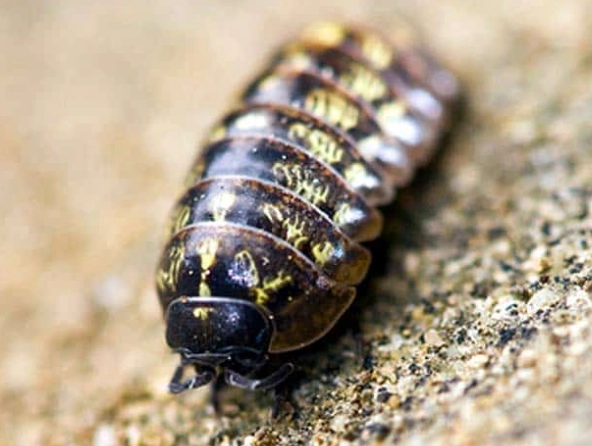
Why Their Diet Matters to You: Because they eat decaying stuff, they are generally beneficial. They help create healthy, aerated soil full of organic matter (humus). They're a sign of a active soil ecosystem. The panic starts when people see them on a seedling and assume they're the cause of the damage. More on that later.
How to Craft the Perfect Menu for Pet Rolly Pollies
Maybe your kid brought some home in a jar, or you've gotten into the fascinating hobby of keeping isopods. I've kept colonies for years, and their diet in captivity needs more thought than just tossing in a lettuce leaf.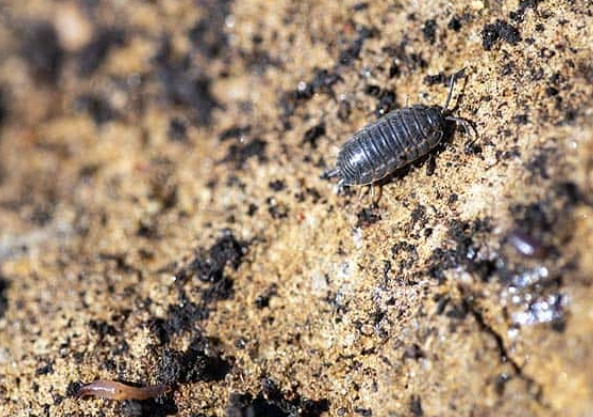
The biggest mistake new keepers make is offering only one type of food, like just carrots or just fish flakes. This leads to nutritional deficiencies. You need to mimic the variety they'd find in nature.
Setting Up Their Dining Room (The Habitat)
Before we talk food, their home needs to be right. A small terrarium or plastic bin with air holes works. The substrate is key: use 3-4 inches of a mix of potting soil (no fertilizers or pesticides), coco fiber, and crushed leaf litter. This isn't just dirt; it's their bedding and a constant, slow-release food source. Keep one side lightly misted so it's damp but not soggy. Include hiding places like bark or egg carton pieces.
The Balanced Pet Pill Bug Diet
Think of their diet in three categories: Main Course, Protein, and Calcium. Offer food in a small bottle cap or on a piece of bark to keep things tidy.
Main Course (Daily/Staple Foods): These should always be available in their leaf litter and substrate. You can also supplement with:
- Leaf litter (oak, maple, magnolia - baked at 200°F for 20 minutes to kill pests)
- Very small pieces of carrot, zucchini, or sweet potato
- Flake fish food or sinking algae wafers (crushed)
Protein (2-3 times a week): This supports growth and reproduction. Too little, and your colony stagnates. Too much, and you might get mite outbreaks.
- A single dried bloodworm or tiny piece of dried shrimp
- A crumb of high-quality dog or cat kibble
- A sprinkle of nutritional yeast (they go crazy for it)
Calcium (Constant Availability): This is non-negotiable. Place a separate, permanent source in the habitat.
- Cuttlebone (like for birds)
- Crushed, baked eggshells
- Pure limestone powder or a piece of natural chalk
Remove any fresh food that starts to mold after 48 hours to prevent fruit fly infestations. A piece of cucumber or lettuce is also over 90% water; it's more of a hydration snack than a nutritious meal. I like to offer a tiny slice of pumpkin or squash—it's nutrient-dense and they devour it.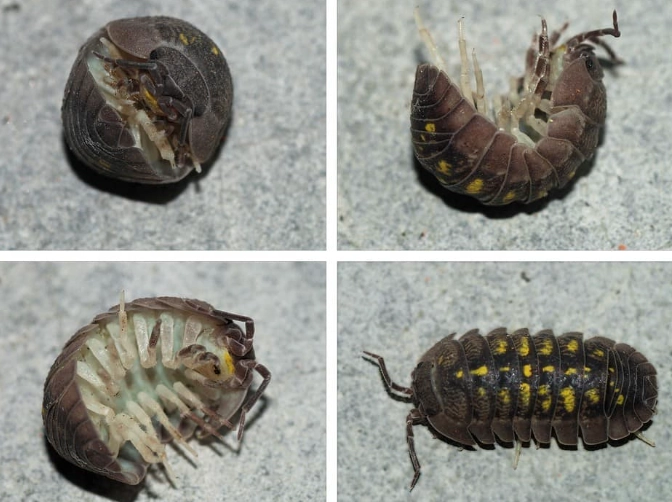
Rolly Pollies in the Garden: Friend or Foe?
This is where most of the confusion and online arguments happen. Are they good or bad? The truth is nuanced, and it all comes back to their preferred diet: decaying matter.
Most of the Time, They're Friends: In a healthy garden with abundant organic mulch, they're busy breaking down that mulch into rich soil. They're not interested in your healthy plants. Studies, such as those referenced by the University of Florida IFAS Extension, categorize them as minor nuisances at worst, and often as beneficial decomposers.
When They Become "Foes": They only switch to living plant tissue under two specific stress conditions:
- Overpopulation & Food Scarcity: If their population booms (often in consistently wet, mulched areas) and they exhaust their normal decaying food sources.
- Drought Followed by Tender Seedlings: During dry spells, they hide and become desperate. When you water newly planted seeds or delicate seedlings (like beans, squash, or lettuce), the combination of moisture and soft, succulent stem tissue becomes irresistible. They'll nibble on stems right at the soil line.
Notice they don't eat the roots. And they rarely bother established plants with tougher stems. The damage is almost always to very young transplants.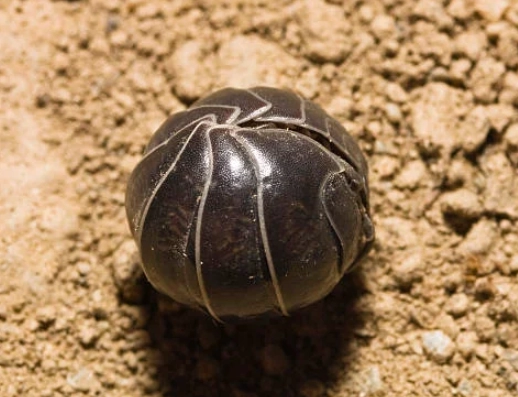
Don't Blame the Messenger: If you see significant damage on seedlings, rolly pollies are often just the secondary culprits. Slugs or earwigs usually make the initial holes and wounds. The pill bugs then come in to clean up the decaying damage, making it look like they started it. Look for slime trails to confirm slug activity.
Managing Them If They're a Problem
If they're mowing down your seedlings, don't reach for harsh pesticides. You'll wipe out your beneficial insects too. Try these methods instead:
- Delay Mulching: Keep mulch a few inches away from seedling stems until they get woody.
- Use Collars: Make simple plant collars from toilet paper rolls or plastic cups with the bottom cut out to create a physical barrier around each seedling.
- Trapping: Place damp, rolled-up newspaper or a halved potato (cut side down) near the problem area overnight. In the morning, gather it up with the pill bugs hiding inside and relocate them to your compost pile (where they belong!).
- Adjust Watering: Water in the morning so the soil surface dries a bit by evening, when they are most active.
Common Myths About What Rolly Pollies Eat
Let's clear up some persistent misinformation.
Myth 1: "They eat the roots of my plants." False. They lack the mouthparts to burrow into and consume healthy roots. If roots are decaying from overwatering or disease, they might move in, but they're a symptom, not the cause.
Myth 2: "They're insects that eat wood, like termites." Wrong on both counts. They're crustaceans, and they only eat wood that is already soft, wet, and rotting. They won't touch the structural wood of your house or deck.
Myth 3: "They eat live aphids or other pests." Nope. They are not predators. They are strictly scavengers and detritivores. Don't count on them for pest control.
Myth 4: "They eat concrete to get calcium." Not exactly. They might scrape at very old, crumbling mortar or concrete that's weathered into a powder, but they don't actively consume solid concrete. Provide a proper calcium source instead.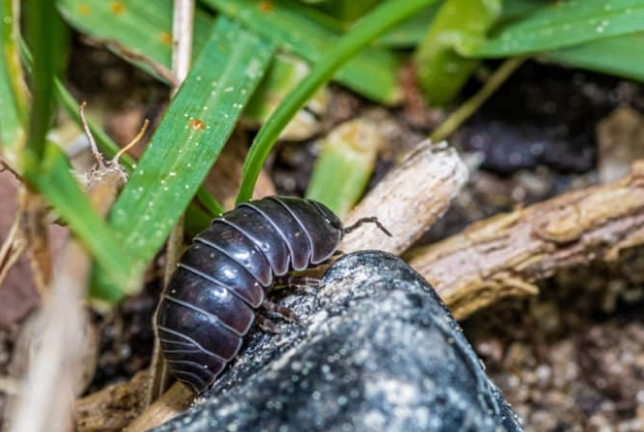
LEAVE A REPLY
Your email address will not be published. Required fields are marked *