That basketball-sized gray blob hanging from your tree isn't a beehive. And those black-and-white insects zipping around it with a purpose aren't your average yellowjackets. You've got bald-faced hornets (Dolichovespula maculata). Let's cut to the chase: they're defensive, their stings hurt like hell, and a nest near your door is a problem waiting to happen. But before you grab a can of spray and a baseball bat, stop. Misidentifying them or mishandling their nest is how people end up in the ER. I've been dealing with these things professionally for over a decade, and I've seen every mistake in the book. This guide isn't just about what they are; it's about what you should actually do.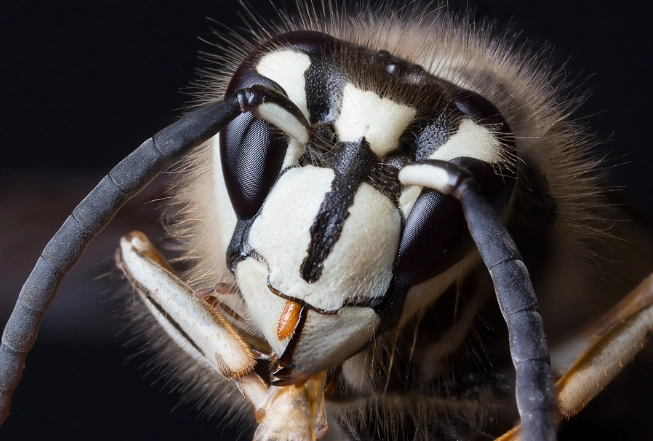
What You'll Find in This Guide
How to Accurately Identify a Bald-Faced Hornet
Mistaking these for paper wasps or yellowjackets is common. It's also a critical error that leads to using the wrong control methods. Here’s exactly what to look for.
Physical Appearance: More Than Just Black and White
They're about 3/4 of an inch long. The black body with stark white markings on the face, thorax, and abdomen is unmistakable. The "bald" face is actually white. Look for the white bands on the end of the abdomen—that's a dead giveaway. Yellowjackets have, well, yellow.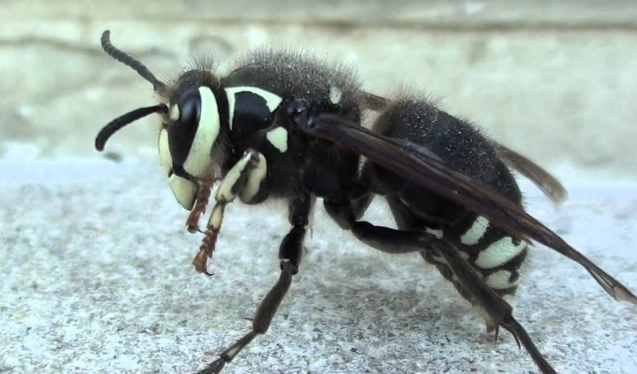
The Paper Castle: Identifying Their Nests
This is their signature. The nest is a teardrop or round-shaped structure made of chewed wood fibers, giving it a gray, papery appearance. It's not waxy like a beehive. Key locations:
- High in trees, often 10+ feet off the ground.
- Under sturdy eaves, roof overhangs, or on utility poles.
- Sometimes in dense shrubs, but that's less common.
The nest has a single entrance hole at the bottom. In late summer, a mature nest can house 400-700 workers. That's a lot of firepower.
Behavioral Tells: The Aggression Meter
They're not randomly aggressive. They're fiercely protective of a sphere around their nest, which can be 10-15 feet. Walk within that zone, bump the branch, or run a lawnmower nearby, and you'll trigger a swarm. Unlike bees, they can sting repeatedly.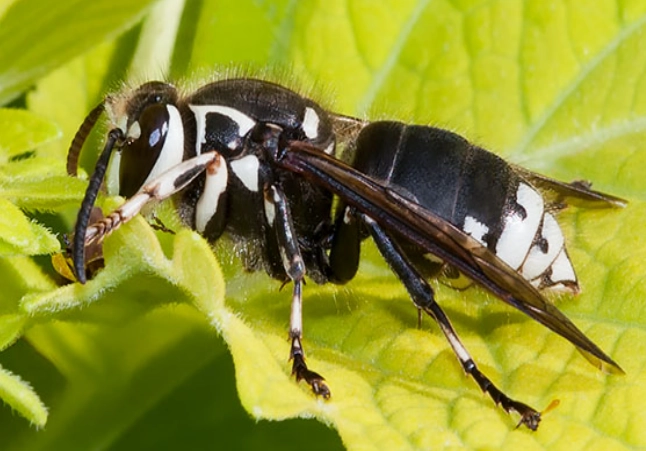
A crucial nuance most miss: In early summer, the nest is small (golf ball size) with just the queen and a few workers. They are far less defensive. This is the best time to note its location and plan, not the time to panic. The aggression ramps up with the population in late July through September.
Why Are Bald-Faced Hornets So Dangerous?
It's not just the sting. It's the context.
The Attack is Coordinated. When threatened, they release an alarm pheromone. This isn't a lone defender; it's a signal for the entire colony to swarm and target the perceived threat. You're not dealing with one angry insect; you're dealing with an airborne squadron.
The Venom Pack is Real. Their venom contains acetylcholine, which causes immediate, sharp pain—often described as a hot, electric jab. It also contains histamines that cause swelling and itching. For most people, it's a painful, localized reaction that lasts a few days.
The Allergy Risk is the Game-Changer. This is the silent, serious part. According to the CDC, insect stings send over 500,000 people to emergency departments each year. A bald-faced hornet sting can trigger a severe allergic reaction (anaphylaxis) in sensitive individuals, just like a bee or yellowjacket sting. Symptoms include difficulty breathing, swelling of the throat or tongue, dizziness, and a rapid pulse. This is a medical emergency.
My professional opinion, rarely stated: The biggest mistake homeowners make is underestimating the risk because the nest "looks quiet" or is "high up." All it takes is one kid throwing a ball, one branch falling in a storm, or one landscaper with a trimmer to turn that quiet nest into a mass casualty event on your property. The liability alone should make you think twice about leaving it.
The Ultimate Guide to Bald-Faced Hornet Nest Removal
Here's the meat of it. Do you DIY or call a pro? Let's break it down with a cold, hard look at reality.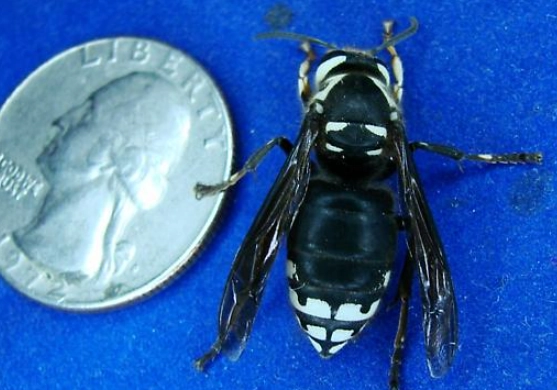
| Factor | DIY Approach | Professional Pest Control |
|---|---|---|
| Cost | Lower upfront ($20-$50 for spray). | Higher ($150-$400+ depending on location/height). |
| Risk | Extremely High. You are the sole target. | Very Low. Pros have training, gear, and insurance. |
| Effectiveness | Unreliable. Wrong spray or poor timing fails. | Guaranteed. They ensure the queen and colony are eliminated. |
| Best For | Very small, early-season nests (under 6 inches), easily accessible from a safe distance. | Any nest larger than a softball, above ground level, near high-traffic areas, or if you have allergies. |
If You MUST DIY: A Step-by-Step Survival Protocol
I don't recommend this for most people. But if the nest is tiny and you're determined, this is the only way I'd consider.
1. Gear Up Like Your Life Depends On It. No shorts and sandals. Wear a long-sleeved shirt, pants, socks, boots, and gloves duct-taped to your sleeves. A bee veil or hat with mosquito netting is the bare minimum. A proper beekeeping suit is better.
2. Choose the Right Weapon (Not Just Any Spray). You need a jet-stream wasp and hornet spray that shoots at least 10-15 feet. Aerosol "cones" won't cut it. Read the label—it must list hornets. Products with fast-acting pyrethroids (like tetramethrin) are common.
3. The Execution: Night Ops. Do this at night, when all the hornets are inside and sluggish. Use a red-filtered flashlight (they see red poorly), not a white light. Approach quietly. From your maximum spray distance, soak the entrance hole first, then the entire nest. Empty the can. Then leave immediately. Do not wait to watch. Do not poke it.
4. The Waiting Game & Cleanup. Leave the nest alone for at least 24-48 hours. No activity means success. Wait another day, then knock it down into a sealed bag and dispose of it. If you see any activity the next day, you failed. Do not re-spray immediately. You've now alerted a defensive colony. It's time to call a pro.
Why Professional Removal is Usually the Smart Choice
Pros have industrial-strength insecticides and application tools (like dusts) that are more effective and longer-lasting than consumer products. They can handle high nests with extension poles or ladders with proper protection. Crucially, they assume the risk. If something goes wrong, it's on them and their insurance, not on you facing a lawsuit from a stung neighbor.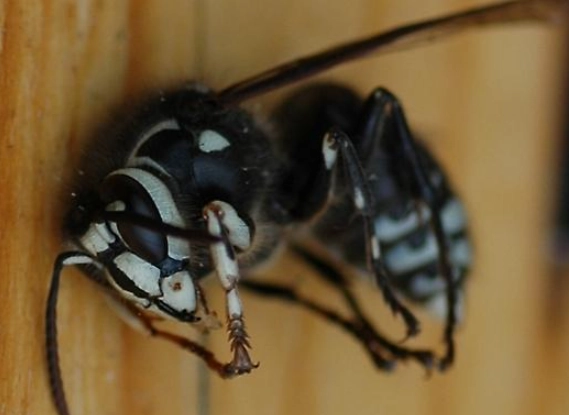
I once saw a homeowner try to spray a high nest with a garden hose attachment. He was soaked in chemical and got stung seven times. The nest was fine. The bill from the pro he finally called was less than his co-pay for the urgent care visit.
Long-Term Prevention Strategies That Work
Killing a nest is reactive. Prevention is smarter and cheaper.
Spring Scouting is Key. In April-June, regularly check under eaves, in sheds, and on low tree branches for the small, gray, golf-ball sized starter nests. A queen works alone here. At this stage, you can often just knock it down with a long pole at night—far less risk.
Reduce the Attractants. They are predators, feeding other insects to their young. They're also drawn to sugars later in the season.
- Keep trash cans tightly sealed.
- Manage other insect populations (like aphids on your plants, which produce honeydew).
- Clean up fallen fruit and keep soda cans/ sweet drinks covered outdoors.
Seal Entry Points. In early spring, seal cracks and crevices in attics, soffits, and wall voids where a queen might try to start a nest inside. Use caulk or screen mesh.
Prevention isn't about making your yard a fortress. It's about making it less appealing than the neighbor's.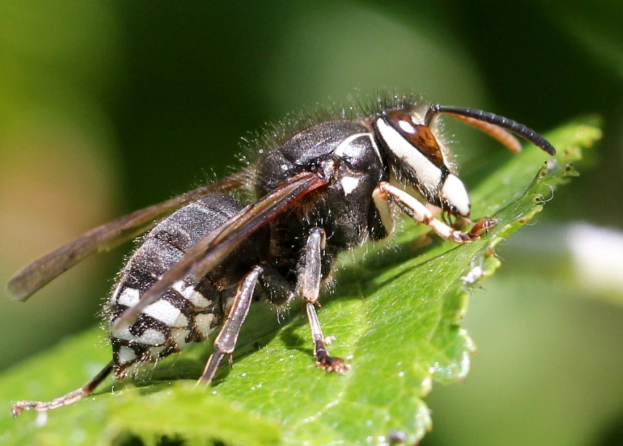
Your Questions, Answered (By Someone Who's Been Stung)
What's the one thing I should absolutely not do if I find a bald-faced hornet nest on my property?
I'm allergic to bee stings. Does that mean I'm automatically allergic to bald-faced hornet stings?
The nest is huge but it's late fall. Should I still remove it?
I've read that peppermint oil or other natural repellents keep them away. Do they work?
How can I tell if the nest is active or abandoned from a safe distance?
LEAVE A REPLY
Your email address will not be published. Required fields are marked *