You just spotted a cockroach skittering under the fridge. Your first thought, after the shudder, might be a desperate hope: "Maybe it's old. Maybe it'll die soon." I hate to break it to you, but that's rarely how it works. Asking "how long do cockroaches live?" isn't just about morbid curiosity. It's the key to understanding why they're such formidable pests and how to beat them. The short answer? It depends wildly on the species and conditions, but some can live for well over a year, and a single female can be responsible for thousands of offspring in that time.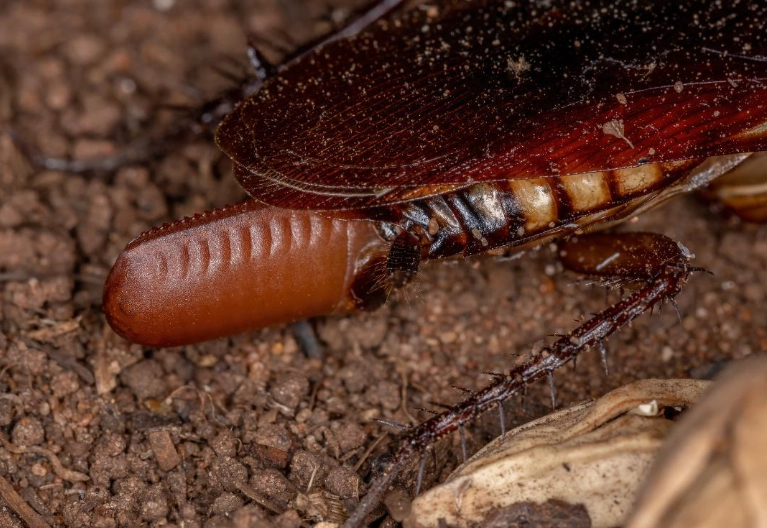
I've dealt with roaches in old apartments and helped friends battle infestations. The biggest mistake people make is underestimating the enemy. Knowing their lifespan isn't about trivia; it's about realizing you're in a marathon, not a sprint.
Quick Navigation: What's Inside?
Lifespan Showdown: Common Roach Species Compared
"Cockroach" is a broad term. The lifespan of the tiny German roach in your kitchen is a world apart from a large American roach in your basement. Here’s a breakdown of the usual suspects. This table isn't just numbers—it tells you what you're up against.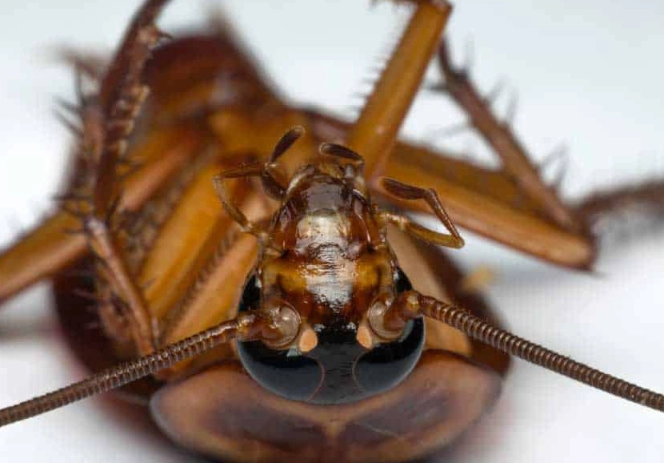
| Species | Average Adult Lifespan | Key Identifying Feature | Why Their Lifespan Matters |
|---|---|---|---|
| German Cockroach | 100 to 200 days | Two dark parallel stripes behind the head. | Short but explosive. A female produces an egg case (ootheca) every few weeks, each with 30-40 eggs. That 200-day life is a reproductive marathon. |
| American Cockroach | 1 to 1.5 years | Large, reddish-brown with a yellowish figure-8 pattern behind the head. | The long-haul trucker. They live longer, wander farther (from sewers into homes), and can survive longer without food. A year-long problem. |
| Oriental Cockroach | 1 to 1.5 years | Glossy black, slower moving, often found in damp, cool areas. | Their longevity in cold, damp places (like basements and drains) makes them persistent. They're less prolific but harder to dislodge from their niche. |
| Brown-Banded Cockroach | 3 to 11 months | Light bands across wings and abdomen. Prefers drier, warmer areas (upper cabinets, behind pictures). | Their scattered egg cases (glued to surfaces) and affinity for electronics/ furniture make them a diffuse, annoying problem with a moderate timeline. |
See the pattern? The German roach is the sprinter—short life, insane reproduction. The American is the endurance athlete. This directly impacts your strategy. A quick spray might knock back Germans for a month, but missing just one egg case resets the clock. For Americans, you need to think about cutting off their long-term migration routes.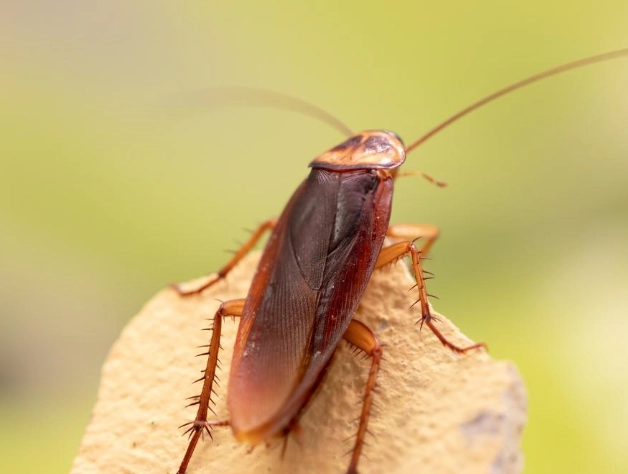
The Cockroach Life Cycle: From Egg to Nymph to Adult
Lifespan isn't just the adult stage. To get why they're so resilient, you need to see the whole journey. It's a three-act play.
Act 1: The Egg (Ootheca)
This is their survival pod. The female carries it (Germans) or glues it to a surface (most others) until the tiny nymphs are ready to hatch. This case is tough, often resistant to insecticides. This is the phase most DIY treatments miss completely. If you only kill adults, you've just delayed the problem by a few weeks.
Act 2: The Nymph
Baby cockroaches, or nymphs, look like pale, wingless miniatures of adults. This is the growth phase. They'll molt 6-13 times over weeks or months, depending on species and conditions. Each time they shed their skin, they grow larger. Here's a crucial, often-overlooked point: nymphs need to eat more frequently than adults. They're often more vulnerable to baits and growth regulators because they're constantly feeding to support their molting. This is your tactical window.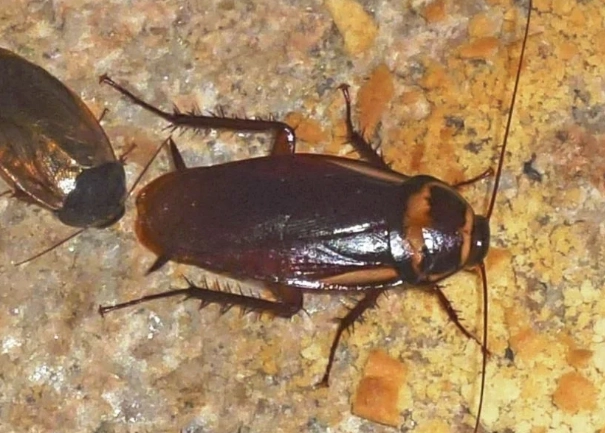
Act 3: The Adult
Once they develop wings (though not all fly), they're ready to mate and continue the cycle. The adult lifespan is what we usually talk about, but as you can see, it's just the final, reproductive chapter of a much longer story. An adult German roach might live 6 months, but from egg to death, its total lifespan could be 7-8 months.
What Makes a Cockroach Live Longer (Or Die Sooner)?
Cockroaches don't have a fixed expiration date. Their environment writes it. This is actually good news—it means you can influence it.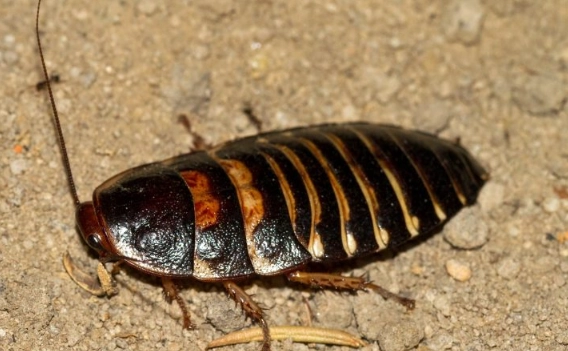
Things That Extend a Roach's Life (The Bad List)
- Abundant Food and Water: A crumb-filled kitchen with a leaky faucet is a cockroach retirement community. Consistent nutrition allows for optimal growth, reproduction, and longevity.
- Warm Temperatures: Most species thrive in the 70-85°F (21-29°C) range—exactly what we maintain in our homes. Heat speeds up their metabolism and life cycle.
- Hiding Places: Clutter, cardboard boxes, unused appliances, and wall voids provide safety from predators (like you) and allow them to live out their full lifespan undisturbed.
Things That Shorten a Roach's Life (The Good List)
- Lack of Water: Cockroaches can survive weeks without food but only about a week without water. Dehydration is a major weakness.
- Extreme Cold: Sustained temperatures below 45°F (7°C) can kill them. This is why they invade our warm homes in the first place.
- Predators & Pathogens: Spiders, centipedes, and certain parasitic wasps. Some fungi and bacteria also infect them. A healthy ecosystem indoors (for us) is a hostile one for them.
- Effective Insecticides: Obviously. But the key is using the right type (like insect growth regulators that disrupt molting) at the right life stage.
Think about your own home through this lens. Are you providing a longevity spa or a hostile environment?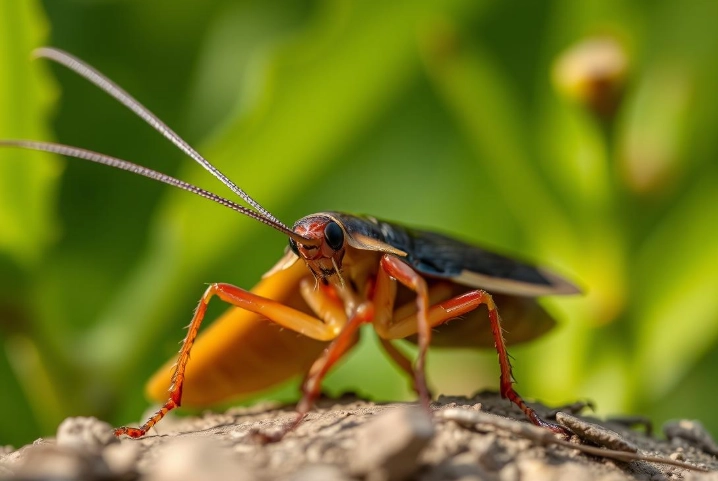
How to Use This Knowledge for Effective Pest Control
Now, the practical part. Knowing their lifespan and life cycle changes everything about how you fight them. Forget just spraying where you see them.
1. Target the Nymphs and Eggs: Since nymphs are the growing, feeding core of the population, use baits. Gel baits are perfect. The nymphs and adults eat the bait, share it via their disgusting habit of eating each other's poop and dead bodies (a process called trophallaxis), and it kills them over days, often reaching others in the nest. Insect Growth Regulators (IGRs) like hydroprene are fantastic—they mimic insect hormones, causing nymphs to molt improperly or sterilize adults, breaking the life cycle.
2. Think in Timelines, Not Days: Got German roaches? Your plan must cover at least 3-4 months to outlast multiple generations. For American roaches, you need to seal entry points (around pipes, cracks in foundations) to stop new long-lived adults from wandering in.
3. Create a Hostile Environment: This is the most underutilized strategy. Fix leaks immediately. Never leave pet food out overnight. Store dry goods in sealed containers. De-clutter. You're not just removing food; you're cutting their potential lifespan short by stressing their resources. A dehydrated, hungry roach is a more desperate, bait-prone roach.
4. Inspect for the Right Things: Don't just look for live adults. Look for the signs of their life cycle: tiny, pepper-like droppings; shed nymphal skins (they look like hollow, pale roaches); and the egg cases (German ones are brown, pill-shaped, about 1/4 inch long). Finding these tells you the infestation is active and growing, regardless of how many adults you see.
I learned this the hard way. I once cleared out an apartment of visible roaches with a spray, thought I'd won, and then a new wave of nymphs emerged three weeks later from hidden egg cases. I hadn't broken the cycle.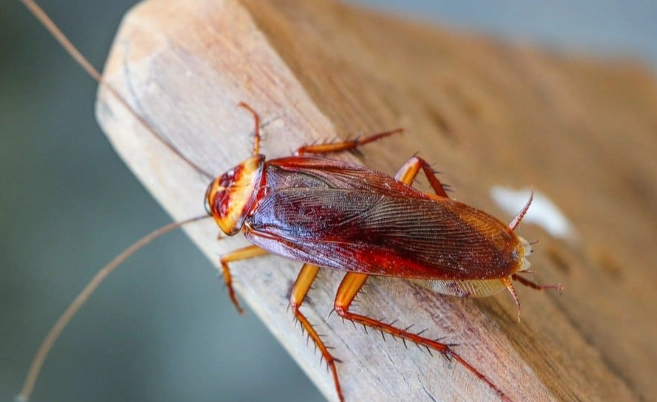
LEAVE A REPLY
Your email address will not be published. Required fields are marked *