That sound. It starts just as you're trying to fall asleep—a persistent, rhythmic chirping coming from somewhere in the basement, behind the washing machine, or maybe inside a wall. You've got house crickets. It's not just an annoyance; a few can quickly become a full-blown infestation. I've dealt with this in my own home and helped countless others. This guide cuts through the generic advice and gives you the specific, actionable steps to identify, prevent, and eliminate house crickets for good.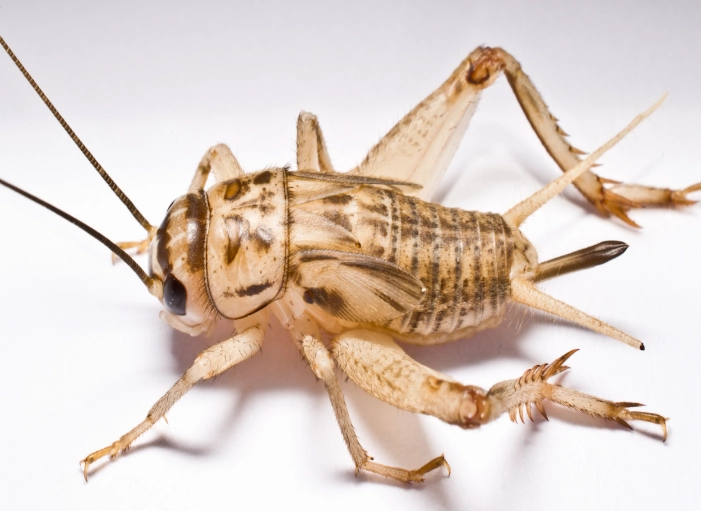
What You’ll Find in This Guide
What Exactly Is a House Cricket?
Let's be clear: we're talking about Acheta domesticus, the common house cricket. They're not the same as the large, black field crickets that occasionally wander in, nor the tiny, silent camel crickets (sprickets) you find in damp basements. House crickets are pale brown or yellowish, about 3/4 to 1 inch long, with long antennae and wings folded flat against their back.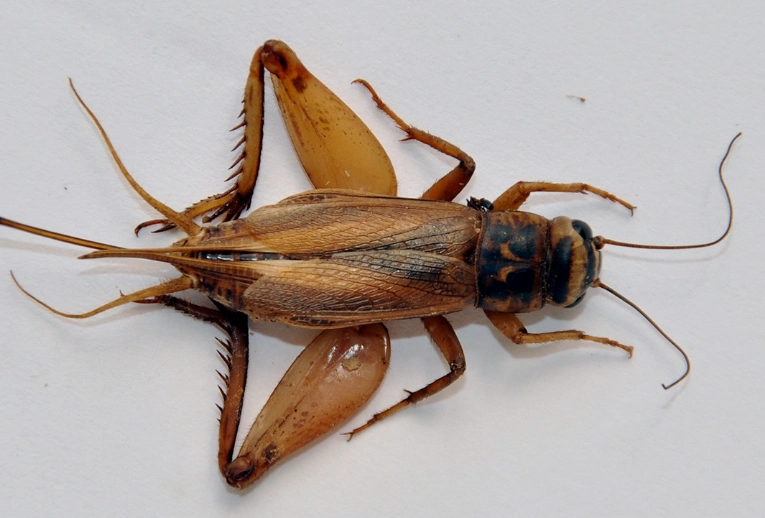
They're attracted to warmth, moisture, and food. In late summer and fall, as outdoor temperatures drop, they seek shelter. Your cozy, humid basement or garage is a five-star hotel. A common misconception is that they're harmless. While they don't bite or sting people, they can damage fabrics, paper, and even stored food. The real cost is your peace and quiet.
How to Identify a House Cricket Infestation
You usually hear them before you see them. But sound alone isn't enough for a positive ID. You need to look for physical evidence.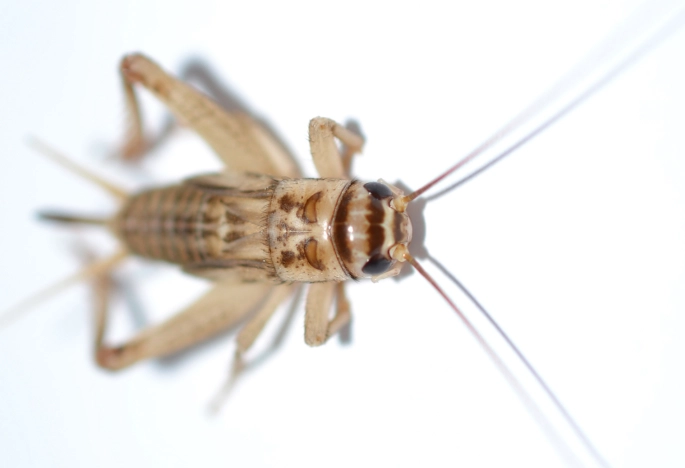
Signs You Have More Than Just a Lone Cricket
The Chirping: It's most prominent at night. Try to locate it. Is it centralized in one damp room (like a basement bathroom) or scattered? Multiple chirping points mean multiple crickets.
Visual Sightings: Seeing them during the day is a red flag. They're nocturnal, so daytime activity often indicates a crowded habitat where they're forced out. Look near baseboard heaters, under appliances, around water heaters, and in cluttered storage areas.
Droppings: House cricket droppings look like small, dark, elongated pellets (similar to mouse droppings but smaller). You'll find them concentrated in areas where they hide and feed.
Damage: Check for irregular holes in natural fiber clothing (wool, silk, cotton), curtains, or upholstery. Also look for damage to paper products like books or wallpaper. They'll even go after pet food left in bowls overnight.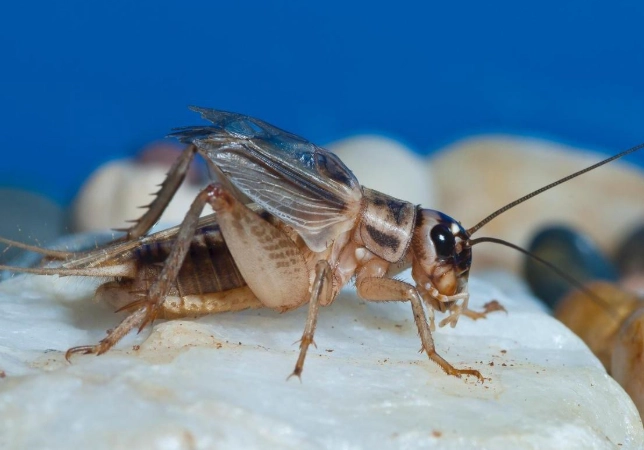
| Sign | What to Look For | What It Means |
|---|---|---|
| Auditory | Persistent chirping at night, from specific areas. | Active male crickets present. Multiple sounds = infestation. |
| Visual | Pale brown insects 1" long, seen in damp, warm areas. | Direct confirmation. Daytime sightings are a major warning. |
| Droppings | Small, black, rice-shaped pellets in corners or under objects. | Areas of high cricket activity and feeding. |
| Material Damage | Holes in fabrics, chewed paper edges, disturbed pet food. | Crickets are feeding and established. |
How to Prevent Crickets From Entering Your Home
Prevention is about making your home less attractive and accessible. Most advice tells you to "seal entry points," but misses the specifics. Here’s where you need to focus your energy.
Seal with Purpose: Don't just caulk random cracks. Crickets follow edges. Pay intense attention to where utility pipes (gas, water, cable) enter your foundation. Use a high-quality silicone or polyurethane sealant. Check the sealing around basement window frames and the threshold of exterior doors. A gap under a door is a cricket highway.
Manage Outdoor Attractants: This is huge. Keep grass and weeds trimmed short around your home's foundation. Move woodpiles, compost bins, and dense mulch beds at least 20 feet away from the house. Outdoor lighting attracts insects, which attract crickets. Consider switching porch lights to yellow "bug" bulbs or sodium vapor lamps, which are less attractive.
Control Indoor Humidity: House crickets need moisture. A damp basement is an invitation. Get a dehumidifier and aim to keep relative humidity below 50%. Fix any leaky pipes or faucets immediately. Ensure your clothes dryer vents to the outside properly—a clogged vent pumps humid air right into your home.
Declutter Strategic Zones: Reduce hiding places in key areas: the basement, garage, and crawl spaces. Get storage boxes off the floor and onto shelves. I made the mistake of leaving cardboard boxes on my basement floor one fall; it became a cricket condo complex by November.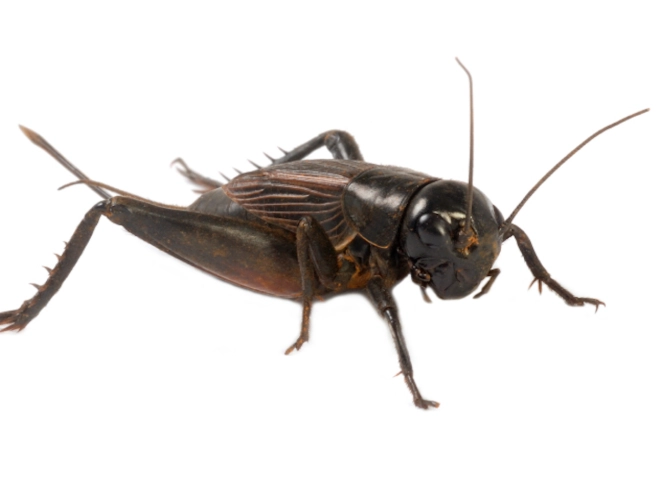
How to Get Rid of a Cricket Infestation
If you're past prevention, you need an elimination plan. A single method rarely works. You need a layered approach.
Step 1: Locate and Reduce Hiding Spots
Before you set a single trap, clean up. Move appliances, clear clutter, and vacuum thoroughly—especially in corners, under furniture, and along baseboards. This disturbs them, removes eggs, and clears the stage for your traps and treatments.
Step 2: Deploy Traps (The Right Way)
Sticky traps are effective, but placement is everything. Don't just toss them in the middle of the room.
You can make a simple bait trap with a shallow dish of molasses and water. They're attracted, fall in, and drown. It works, but it's messy. For a serious infestation, commercial sticky traps are less hassle.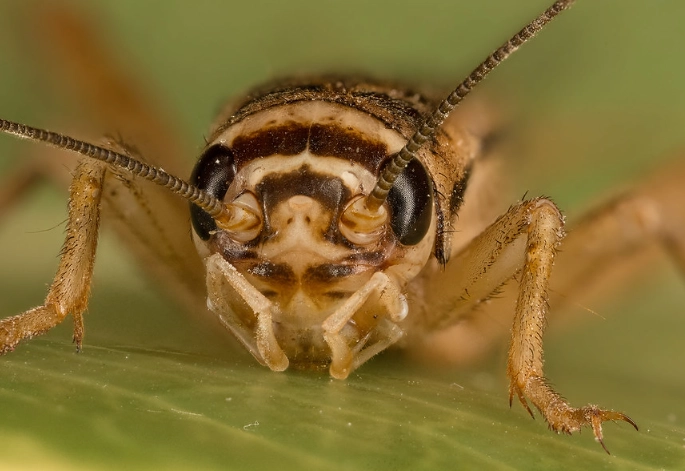
Step 3: Apply Targeted Treatments
Insecticides: Look for products labeled for crickets with residual ingredients like bifenthrin, deltamethrin, or cyfluthrin. The key is to apply them as a thin, continuous barrier—not a spray-and-pray method. Apply along baseboards, around door thresholds, and in cracks and crevices where they hide. Always follow the label to the letter.
Diatomaceous Earth (DE): This is a fine, powdery silica that damages insects' exoskeletons. Use food-grade DE. Lightly dust it in areas where you can't or don't want to use chemicals: under cabinets, along basement walls, in attic spaces. It's non-toxic to pets and people once the dust settles, but wear a mask when applying. It only works when dry.
Natural Predators: This is more of a garden solution, but encouraging spiders, birds, or even a cat in your basement can provide some control. It's not a reliable standalone method for an indoor infestation, but it's part of the ecosystem approach.
Step 4: Know When to Call a Professional
If you've done all the above and the chirping chorus continues, or if you're dealing with a large property (like a restaurant or warehouse with many entry points), call a pro. They have access to stronger, professional-grade products and the expertise to find the core nesting area. According to the National Pest Management Association, structural pest issues often require professional assessment for complete resolution.
Your Cricket Questions, Answered
The key with house crickets is consistency. They exploit small opportunities—a crack here, a bit of damp clutter there. By systematically sealing, drying, and cleaning, you take away their reasons to move in. If they're already there, a combined trap-and-treatment strategy, focused on their hiding habits, will silence the noise for good. Start with the easiest prevention step tonight, like moving that mulch away from your foundation. Every little action adds up.
LEAVE A REPLY
Your email address will not be published. Required fields are marked *