You find a small, silvery, wiggly insect darting under the bathroom sink. Or maybe you discover tiny holes and yellow stains on an old book or a favorite cotton shirt. That's your introduction to silverfish bugs. They're one of the most common household pests, and honestly, one of the most misunderstood. They don't bite or sting, which makes people think they're harmless. That's the first big mistake. I've been dealing with pest issues for over a decade, and I can tell you, ignoring silverfish is how you end up with damaged photo albums, chewed-up wallpaper, and a creeping feeling in your own home.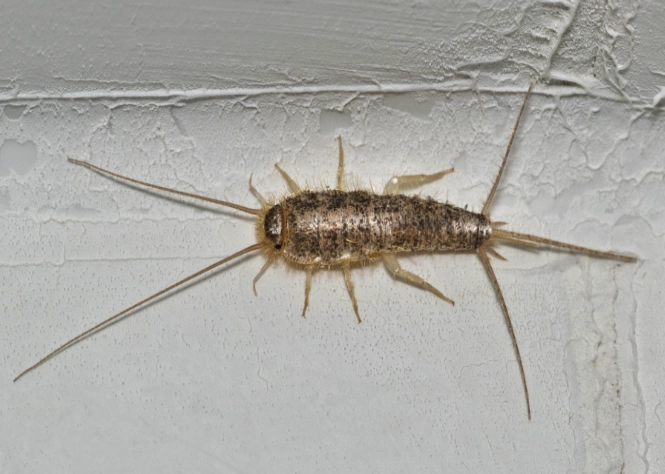
This guide isn't just a list of facts you can find anywhere. It's based on the patterns I've seen in hundreds of homes. We'll cut through the noise and get straight to what works, what doesn't, and the subtle errors most homeowners make that keep silverfish coming back.
What You'll Find Inside
What Are Silverfish Bugs and Why Should You Care?
Silverfish (Lepisma saccharina) are primitive, wingless insects. They've been around for millions of years, which tells you they're survivors. They're about half an inch long, covered in silvery-gray scales, and have three tail-like appendages and two long antennae. They move with a distinct fish-like wiggle, hence the name.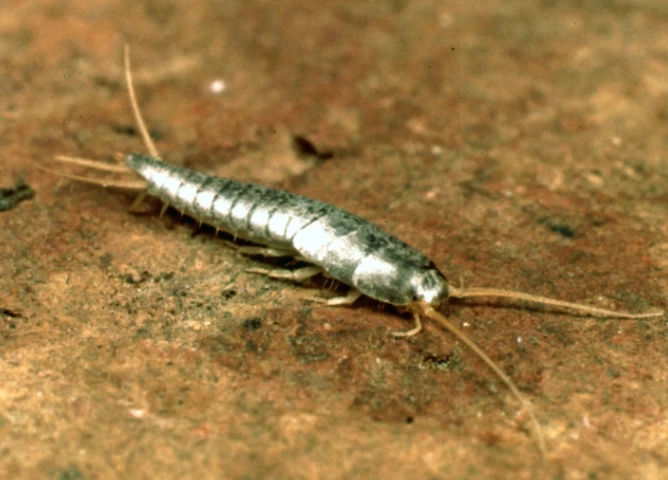
Here's the core issue: their diet. Silverfish crave polysaccharides—starches and complex sugars. This includes the glue in book bindings, wallpaper paste, photographs, cotton, linen, silk, and even your cereal boxes. According to information from sources like the National Pest Management Association (NPMA), they can also feed on mold and dead insects.
The Non-Consensus View: Most articles say silverfish are "mostly a nuisance." I disagree. The damage is slow and cumulative. You won't wake up to a destroyed library. Instead, you'll slowly lose sentimental items: the wedding album in the basement, the childhood books in the attic, that box of important documents. The cost isn't in medical bills; it's in irreplaceable personal history.
Where Do Silverfish Hide?
They seek darkness, moisture, and their next meal. You'll almost never see them in the open during the day. Their favorite real estate includes: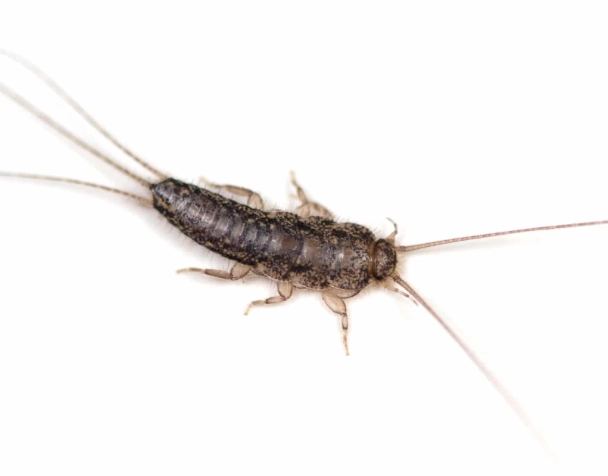
- Bathrooms: Under sinks, around tubs, inside damp cabinets. The humidity is perfect.
- Basements and Crawlspaces: Often damp, cluttered, and full of cardboard boxes (which they love to eat).
- Attics: Especially if there are stored books, papers, or old clothes.
- Kitchens: Behind appliances, under flooring, in pantries near spilled flour or grains.
- Inside Walls: They can enter through tiny cracks and live behind wallpaper.
How to Spot the Signs of a Silverfish Problem
Seeing one silverfish usually means there are more. But since they're nocturnal and secretive, you need to look for other evidence.
1. The Damage: This is the biggest clue. Look for irregular feeding marks—not clean holes, but surface scrapings or etchings. On paper, it looks like someone took a tiny grater to the edge. On fabric, you'll see small holes or a shaved appearance. You might also find yellow stains (their excrement) or tiny black pepper-like droppings.
2. The Shed Skins: Silverfish molt throughout their lives. These discarded exoskeletons are tiny, translucent, and shaped like the insect itself. Finding these in a drawer or on a basement shelf is a definitive sign of an active population.
3. Starch Trails: A less common sign is noticing tiny, unexplained holes in starchy items like a forgotten bag of flour or the cardboard seam of a pasta box.
I once inspected a home where the client only complained of "dust" in her linen closet. It wasn't dust; it was a pile of silverfish molts. They'd been quietly feasting on her cotton sheets for months.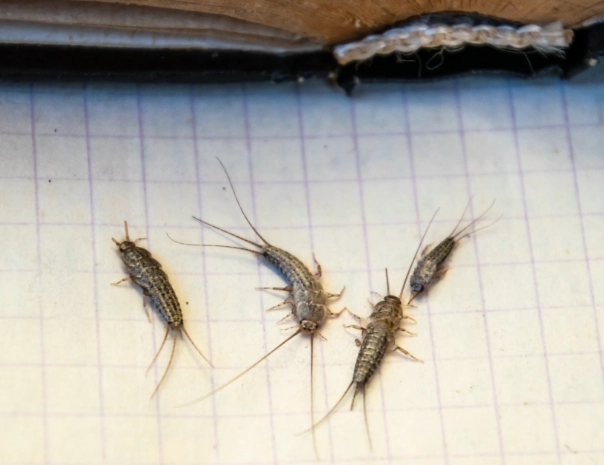
How to Prevent a Silverfish Invasion (The Right Way)
Prevention is always cheaper and easier than elimination. Most guides list the basics: reduce humidity, seal food. They're right, but they miss the nuance.
- Control Humidity RELENTLESSLY: Get a hygrometer. Aim for below 50% humidity indoors. Use dehumidifiers in basements and crawlspaces year-round, not just in summer. Ventilate bathrooms and kitchens aggressively during and after use. This single step removes their preferred environment.
- Declutter, But Be Strategic: It's not just about tidiness. Remove their harborage sites. Get cardboard boxes off basement floors—they absorb moisture and are a food source. Use plastic bins with tight lids for storage instead.
- Seal Entry Points Meticulously: Caulk cracks in baseboards, around pipes, and in foundations. Pay special attention where utilities enter the home. Silverfish can flatten themselves to slide through gaps you'd think are too small.
- Store Vulnerables Properly: Important papers, books, and natural fiber clothing should be in sealed plastic containers, not cardboard boxes on a damp floor. Add silica gel desiccant packets for extra protection.
The subtle error? People often fix the big leaks but ignore the chronic, low-level moisture. The condensation on cold water pipes, the slightly damp corner behind the washing machine, the musty smell in a closet—these are silverfish magnets.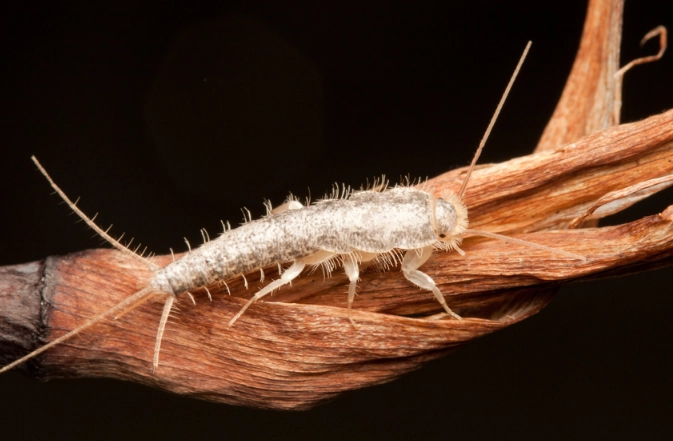
How to Get Rid of Silverfish: A Step-by-Step Plan
If you already have them, you need a plan. Sprays alone won't cut it. You need a multi-pronged approach that tackles the current population and protects against future ones.
Step 1: Inspection and Sanitation
Grab a flashlight and look in the areas listed above. Be thorough. Move stored items. Look for droppings, molts, and damage. Vacuum thoroughly in these areas—this removes eggs, nymphs, and food debris. Empty the vacuum cleaner bag or canister outside immediately.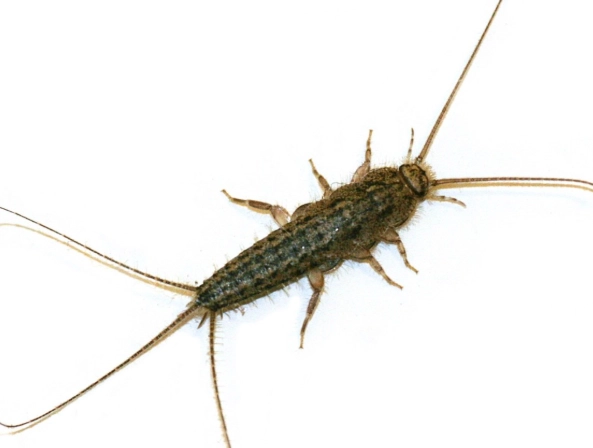
Step 2: Choose Your Control Methods
Here’s a breakdown of common methods. I've ranked them based on effectiveness and ease of use in a typical home.
>A pro can find the core nest and use specialized equipment for crack-and-crevice treatment. It's an investment that saves time and frustration.| Method | How It Works | Best For | My Take |
|---|---|---|---|
| Diatomaceous Earth (DE) | Fine powder that damages insects' exoskeletons, causing dehydration. | Creating barriers in wall voids, under appliances, along baseboards. | Excellent, non-toxic physical barrier. Use food-grade DE. It's slow but very effective when kept dry. |
| Silverfish Baits & Traps | Attractants lure silverfish to a poison (boric acid, insect growth regulators) or a sticky trap. | Placing in cabinets, under sinks, behind furniture. Monitoring population. | Sticky traps are great for monitoring. Poison baits are effective but must be placed in their runways, not out in the open. |
| Boric Acid | A stomach poison and abrasive dust. | Dusting lightly in hard-to-reach areas (voids, behind outlets). | A classic and powerful tool. Use extreme caution around pets and children. It must be applied as a light dust, not piles. |
| Insecticide Sprays | Residual chemicals that kill on contact. | Treating baseboards, cracks, and crevices where they travel. | Can be part of the solution. Look for products labeled for silverfish with residual action (like pyrethroids). They don't solve the root cause (moisture). |
| Professional Pest Control | Expert assessment and application of stronger, targeted materials. | Large, persistent infestations, or if DIY methods fail after 4-6 weeks. |
Step 3: Implement and Monitor
Combine methods. Place baits and traps in key locations. Apply DE or boric acid dust (carefully) into voids. Use a spray for immediate knockdown in active areas. Then, go back to Step 1—keep the area dry and sealed. Check your traps every two weeks. If numbers don't drop significantly after a month, you've missed a harboragesite or a moisture source.
The most common failure point? People treat the visible area but not the adjacent wall void where the main population lives. You have to think like a bug and treat the pathways.
Your Silverfish Questions, Answered
Do silverfish bugs bite humans or spread disease?
No, they do not bite, sting, or transmit diseases to humans. The primary risk is property damage. The anxiety and disgust they cause are real problems, but from a medical standpoint, they are not a direct threat. The real concern is that a damp environment conducive to silverfish can also encourage mold growth and other pests.
I see one silverfish every few months. Do I have an infestation?
Probably not a large one, but it's a warning sign. An occasional scout is common, especially in older homes. However, it means your home has at least one attractive zone (moisture, food, shelter). Your goal shouldn't be panic, but proactive prevention. Implement the humidity control and sealing tips now, before a lone scout signals a colony to move in.
What's the biggest mistake people make when trying to get rid of silverfish?
Focusing only on killing the bugs they see and ignoring the environment. Spraying a visible silverfish gives a false sense of accomplishment. If you don't fix the moisture problem and remove the food sources (cardboard, paper clutter), new silverfish will simply move into the vacant, comfortable niche you've left for them. The environment is the root cause; the bugs are the symptom.
Are natural remedies like cedar or lavender oil effective against silverfish?
They have limited, repellent effects at best. Strong scents might deter them from a specific drawer or small area temporarily. However, they are not reliable for eliminating an established population. Silverfish are driven by strong survival needs for food and moisture. When hungry, they will ignore a pleasant smell. I view these as supplementary at best—nice for scenting a storage chest, but not a foundation for control.
Can silverfish completely destroy a book or a piece of clothing?
Given enough time and population density, absolutely. I've seen books where the spine glue and several pages have been completely eaten away, leaving the text block separated. With clothing, the damage is often more scattered—multiple small holes or a thinned, frayed area. The destruction is slow, which is why it often goes unnoticed until you pull something out of long-term storage and find it ruined.
LEAVE A REPLY
Your email address will not be published. Required fields are marked *