If you're reading this, you've probably seen one. That light brown, half-inch long insect scuttling under your fridge or across the kitchen counter at night. The german cockroach is the most common roach pest in apartments, homes, and restaurants worldwide. Let's be clear from the start: getting rid of them is a battle, not a skirmish. I've spent over a decade in pest management, and I can tell you that the standard advice of "just spray something" fails miserably against these guys. They're resilient, reproduce at an alarming rate, and have evolved to avoid many common threats. This guide isn't about temporary fixes; it's about the systematic strategy you need to win the war.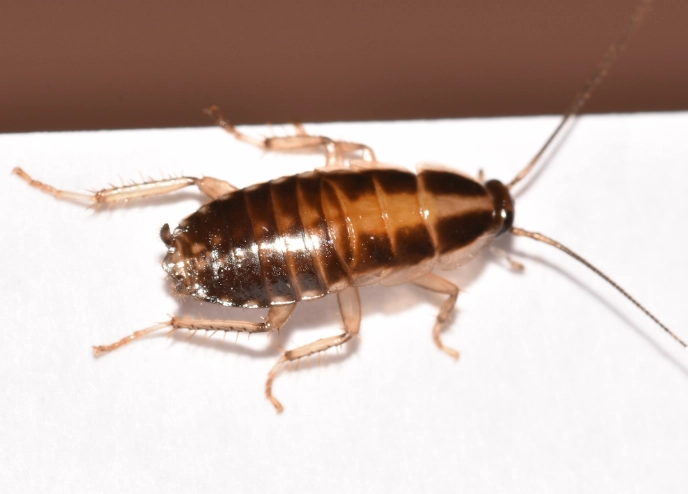
What You'll Find Inside
Spotting the Difference: Accurate German Roach Identification
Mistaking a german roach for another type is your first potential misstep. Misidentification leads to using the wrong tactics. Here’s how to be sure.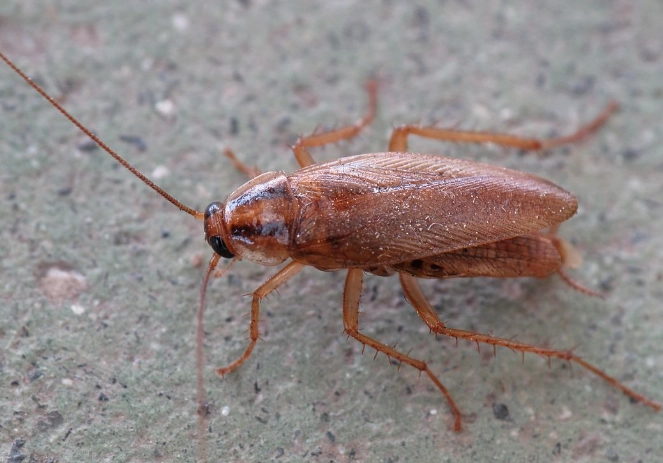
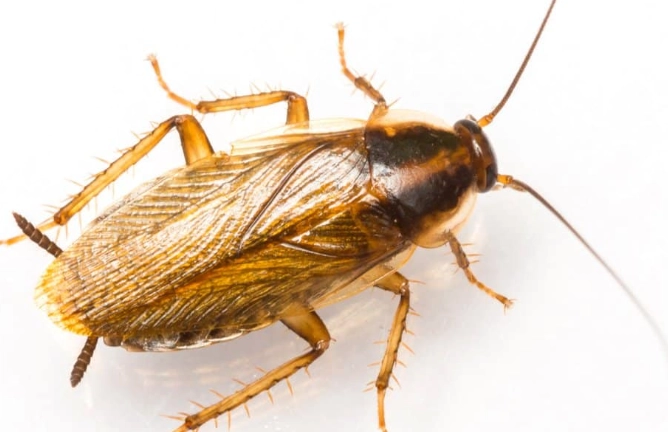
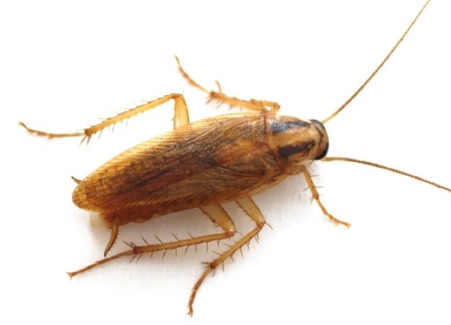
Adult german cockroaches are light brown to tan, with two distinctive, parallel dark stripes running from the back of their head to the base of their wings. They're small, typically between 1/2 to 5/8 of an inch long. The nymphs (babies) are darker, almost black, and wingless, but they still carry the same general shape and those stripes become visible as they grow.
The most common mix-up is with the American cockroach. This mistake wastes effort. American roaches are much larger (over 1.5 inches), reddish-brown, and have a yellowish figure-8 pattern on the back of their head. They often come from sewers or outdoors. German roaches are almost exclusively indoor pests that hitchhike in on bags, boxes, or used appliances.
Why They Win: The Biology That Makes Them a Nightmare
Understanding your enemy is rule number one. Their biology explains why DIY efforts often fall short.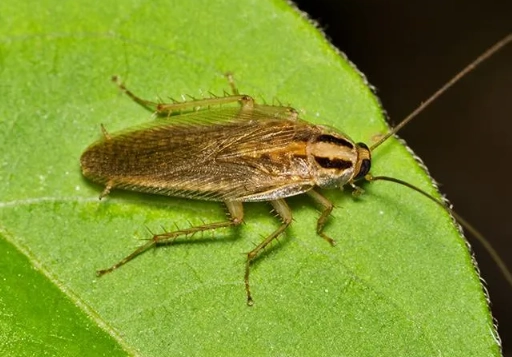
Reproduction Rate: One female can produce 4 to 8 oothecae in her lifetime, each containing 30 to 48 eggs. In ideal conditions, that's hundreds of offspring from a single roach in a year. The population can explode before you even realize you have a serious problem.
Harborage Habits: They prefer warm (70°F+), humid areas close to food and water. We're talking about the tiny gaps behind your stove, under the fridge's drip pan, inside the motor compartment of appliances, behind outlet plates, and in the folds of cardboard boxes. They spend 75% of their time hidden.
Dietary Flexibility: They'll eat anything organic. Crumbs, grease, pet food, toothpaste, book bindings, soap scraps. Starving them out in a typical home is virtually impossible.
Here’s the subtle error most people make: they treat the roaches they see. The ones scurrying in the open are often the excess population from an already saturated harborage. The real colony is hidden, safe, and continuing to breed. You must target the harborage, not just the foragers.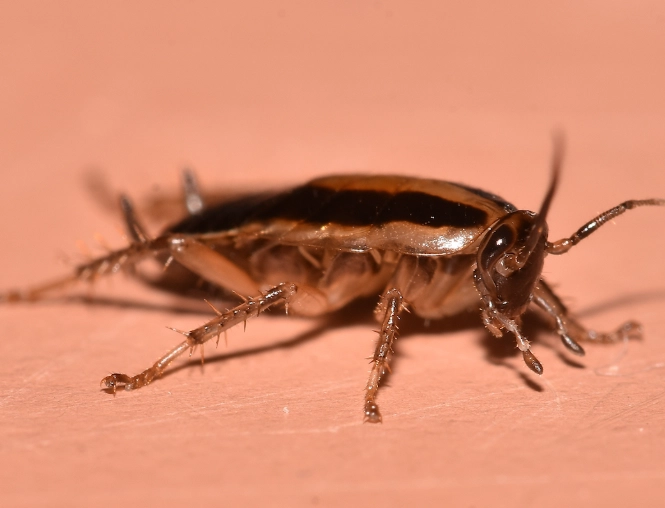
The Elimination Playbook: A Step-by-Step Strategy
This is a multi-week process. Patience and thoroughness are non-negotiable. I recommend tackling it over a weekend and then maintaining for a month.
Phase 1: Inspection and Sanitation (The Foundation)
Grab a flashlight and a mirror. You need to find the core harborage areas. Look in every dark, warm, tight space in the kitchen and bathrooms. Pull out appliances. Check cabinet hinges and drawers. Sanitation is not just cleaning counters; it's removing the habitat. Get rid of cardboard boxes (they love the glue). Fix leaky faucets. Store food in airtight containers. Vacuum thoroughly, especially along edges and under appliances—this removes eggs, droppings, and the attractive "aggregation pheromones" in their feces.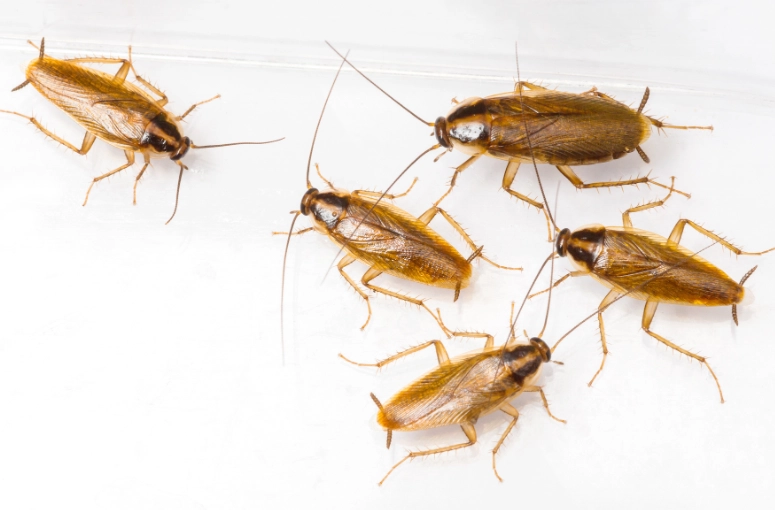
Phase 2: Strategic Product Placement (The Attack)
This is where precision matters. Forget indiscriminate spraying. It scatters roaches and creates pesticide resistance.
- Gel Baits: Your primary weapon. Products with insecticides like fipronil, indoxacarb, or hydramethylnon are highly effective. Place small pea-sized dots in areas where roaches travel but pets/children can't reach: along cabinet hinges, under the sink rim, behind the fridge, in the corners of drawers. The beauty of baits is the transfer effect—roaches eat the bait, return to the harborage, die, and are cannibalized by others, poisoning the colony.
- Insect Growth Regulators (IGRs): Products like Gentrol. These don't kill adults but sterilize them and prevent nymphs from maturing. They break the reproductive cycle. Use an IGR aerosol or point-source dispenser in conjunction with your baits for a one-two punch.
- Dusts: Inorganic dusts like CimeXa or Diatomaceous Earth are excellent for void areas. Lightly puff them into wall voids, behind electrical outlets (turn off power first!), and under baseboards. They work mechanically, dehydrating the roach, so resistance isn't an issue.
| Product Type | Best Use Case | Key Advantage | Common Mistake to Avoid |
|---|---|---|---|
| Gel Bait | Kitchen cabinets, appliance voids, under sinks | Targets hidden colony via transfer | Placing it in the open where it dries out; using near repellent sprays |
| IGR (Gentrol) | Broad area treatment in infested rooms | Breaks reproduction cycle, no resistance | Not using it alongside a killing agent |
| Desiccant Dust | Wall voids, under appliances, electrical boxes | Long-lasting, mechanical kill | Applying too heavily—a fine, invisible film is best |
Phase 3: Monitoring and Persistence
Don't clean up the bait dots for at least 6-8 weeks. Reapply gel bait as it's consumed. Place sticky traps in cabinet corners and under appliances to monitor activity. You'll see a spike in trapped roaches a few days after baiting (they're coming out to feed), then a gradual decline to zero. That's your sign of success.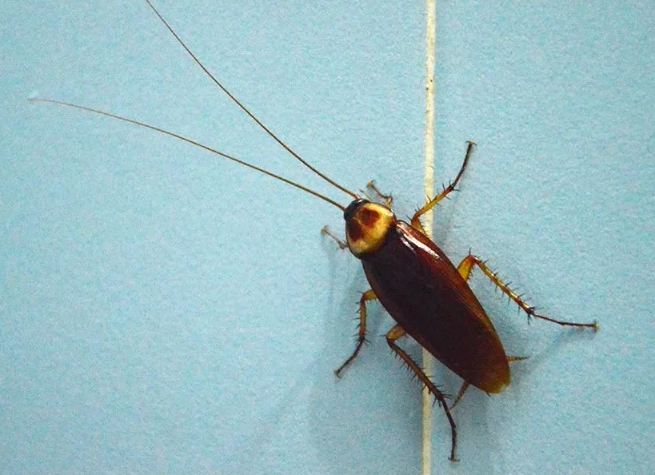
Keeping Them Out: Long-Term Prevention Is Key
Elimination is pointless if they just walk back in. German roaches are master hitchhikers.
Inspect every bag, box, or used item (especially electronics and furniture) before bringing it inside. Be vigilant after grocery shopping. Seal cracks and crevices around pipes, baseboards, and cabinets with caulk. This removes their highway system. Maintain a clean kitchen—wipe down counters, don't leave dishes overnight, take out the trash regularly. Consider placing bait stations behind appliances as a permanent sentry line. In multi-unit housing, this is critical, as they can migrate from neighbors.
I once worked with a client who kept getting re-infested. We finally traced it to the weekly grocery delivery. The insulated bags were being stored in a communal area of the building and were harboring roaches. A simple change in bag handling solved years of frustration.
Your Tough Questions, Answered
LEAVE A REPLY
Your email address will not be published. Required fields are marked *