What's Inside This Guide?
Let's be honest. The thought of bedbugs makes your skin crawl. It's not just about the itchy bites. It's the violation, the feeling that your safe space has been invaded. I've been in pest management for over a decade, and I've seen the panic firsthand. The good news? You can take control. This isn't about fear-mongering; it's about giving you a clear, actionable roadmap based on what actually works, not just internet myths.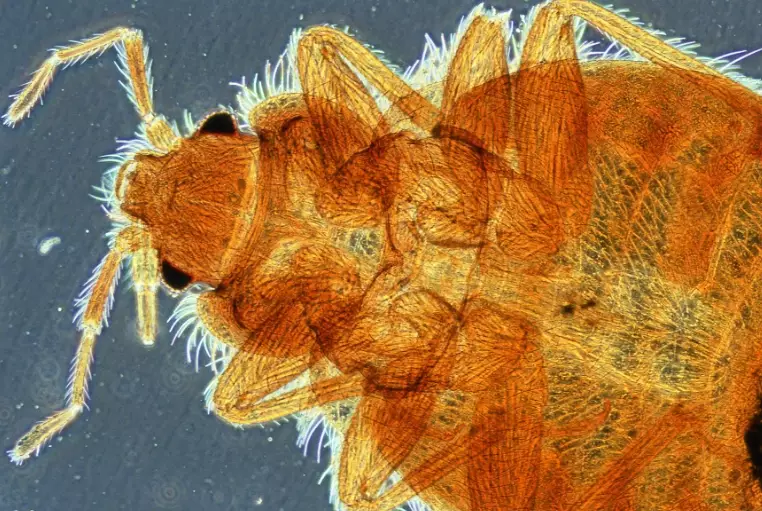
What Exactly Are Bedbugs and Why Are They a Problem?
Bedbugs (Cimex lectularius) are small, flat, reddish-brown insects that feed exclusively on blood. They're about the size of an apple seed when fully grown. They don't fly, but they can move quickly across floors, walls, and ceilings. Contrary to popular belief, they aren't a sign of dirt or poor hygiene. They are hitchhikers. They'll happily set up camp in a five-star hotel or a spotless apartment.
The problem goes beyond the welts and itching from their bites (which not everyone reacts to, by the way). The real issue is the psychological toll and the sheer difficulty of eradicating a well-established infestation. Females lay hundreds of eggs in their lifetime, and nymphs (juveniles) can survive for months without a meal. According to the Centers for Disease Control and Prevention (CDC), while they are not known to transmit disease, their presence can cause significant anxiety and sleeplessness.
Key Point: Bedbugs are equal-opportunity pests. They are attracted to carbon dioxide and body heat, not dirt. Finding them is not a reflection on your cleanliness.
How to Detect Bedbugs: A Step-by-Step Guide
Early detection is everything. The smaller the infestation, the easier and cheaper it is to solve. Don't wait until you see bugs crawling on your sheets.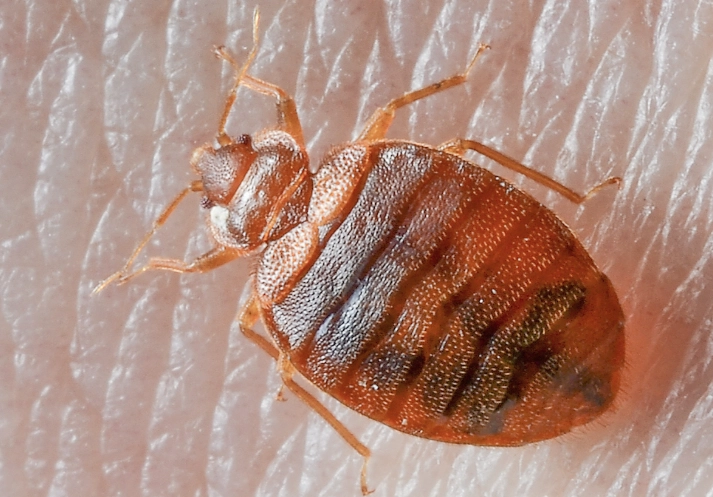
The Telltale Signs (What to Look For)
You're looking for evidence, not just the bugs themselves. Grab a flashlight and a credit card (to scrape into seams).
- Rusty or Reddish Stains: These are crushed bedbugs on your sheets or mattress.
- Dark Spots (about this size: •): This is bedbug excrement. It often bleeds into the fabric like a marker would.
- Eggs and Eggshells: Tiny (about 1mm), pale yellow skins that nymphs shed as they grow.
- Live Bedbugs: Obviously. But remember, they hide incredibly well during the day.
Where to Look (The Inspection Checklist)
Most people only check the mattress. That's mistake number one. You need to be a detective.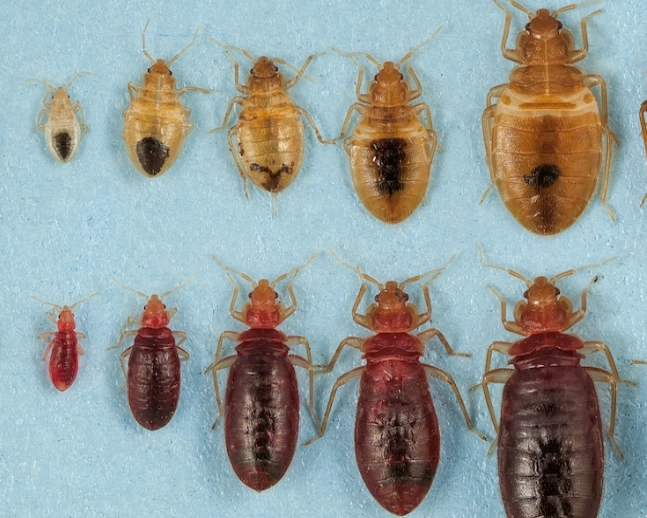
Start with the bed. Strip it completely. Check every seam, piping, and fold of the mattress and box spring. Look behind the headboard (take it off the wall if you can). Then, move outward in a 10-15 foot radius. This is their "harborage zone."
- Seams of upholstered furniture (couches, chairs)
- Drawer joints
- Where carpet meets the wall
- Behind loose wallpaper, picture frames, and electrical outlet plates
- In the folds of curtains
A Common Oversight: I've lost count of the jobs where we found the main colony living not in the bed, but in the seams of a nearby armchair or in the screw holes of a bed frame. If you only treat the mattress, you've failed.
How Do Bedbugs Spread?
Understanding this is key to prevention. They spread primarily by crawling from one location to another, but they are master stowaways.
Travel is the #1 vector. They crawl into luggage, backpacks, and laptop bags in hotels, Airbnbs, taxis, and even movie theaters. Secondhand furniture, especially mattresses and upholstered items, is a huge risk. They can also move between units in multi-family housing through wall voids and electrical conduits.
Think about that next time you plop your suitcase on the hotel bed.
How to Get Rid of Bedbugs: A Detailed Action Plan
This is the core of it. There is no single magic bullet. Effective elimination almost always requires a combination of methods. You have two main paths: DIY and Professional. Your choice depends on the severity.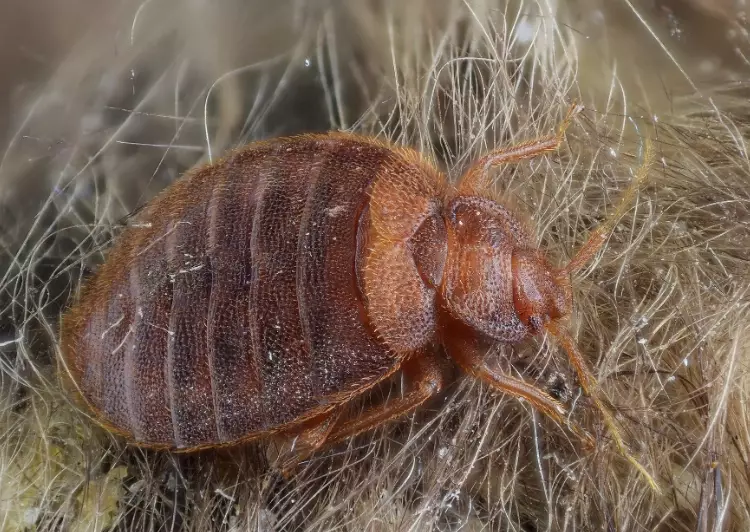
Option 1: The DIY Approach (For Very Early, Confined Infestations)
If you found a few bugs only on your bed, you might try this. It's labor-intensive and requires relentless attention to detail.
- Contain and Isolate: Get high-quality, bedbug-proof mattress and box spring encasements. This traps any bugs already inside and prevents new ones from getting in. Put climb-up interceptor traps under each bed leg.
- Heat Treatment (Your Best DIY Weapon): Wash and dry all bedding, clothing, and fabrics on the highest heat setting possible. The dryer is your friend—45 minutes on high heat kills all stages. For items that can't be washed, use a portable home heater in a sealed plastic bag or a specialized bedbug heating box.
- Vacuum Meticulously: Use a vacuum with a hose and crevice tool. Vacuum every inch of the bed, frame, furniture, and baseboards. Immediately seal the vacuum bag in a plastic bag and dispose of it outside.
- Consider Insecticides Carefully: If you use them, follow the label exactly. Look for products with specific bedbug labels containing ingredients like pyrethroids, but be aware many populations are resistant. Never use "bug bombs" or total-release foggers—they scatter bedbugs deeper into walls and make the problem worse.
Option 2: Professional Extermination (For Most Infestations)
For anything beyond a few bugs in one room, call a pro. It's more costly upfront but saves money and sanity in the long run. Here are the two main professional methods: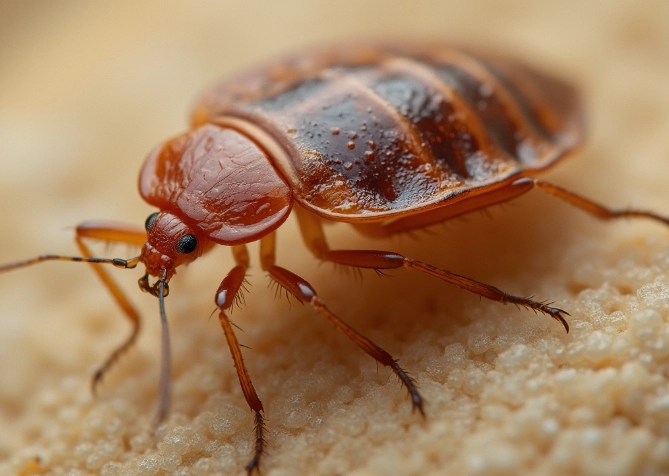
| Treatment Method | How It Works | Pros & Cons |
|---|---|---|
| Whole-Room Heat Treatment | Professionals use powerful heaters and fans to raise the temperature of the entire room (or home) to 120-135°F (49-57°C) and hold it for several hours. This heat penetrates walls and furniture. | Pros: Kills all life stages (bugs and eggs) in one treatment. No chemicals. Can be done in one day. Cons: More expensive. Requires removing heat-sensitive items (aerosols, candles, certain electronics). |
| Targeted Chemical Treatment | A trained technician applies a combination of liquid insecticides, dusts (like diatomaceous earth or CimeXa), and possibly insect growth regulators to targeted harborages. This is usually done in 2-3 visits, 2 weeks apart. | Pros: Often less expensive than heat. Residual protection can last weeks. Cons: Requires multiple visits. Preparation is intense (clutter must be removed). Some people prefer to avoid chemicals. |
The best companies often use an integrated approach, combining elements of both. Ask lots of questions: Do they offer a warranty? What's their preparation checklist? Can they provide references?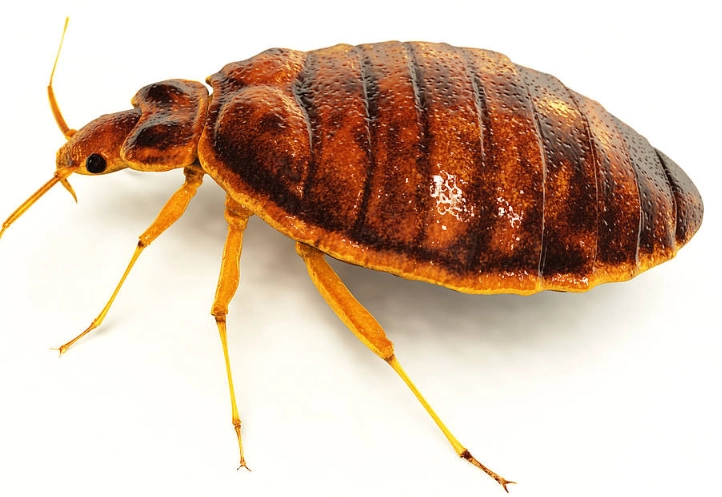
How to Prevent Bedbugs from Ever Coming Back
Once you're clear, stay clear. Vigilance is cheap compared to another infestation.
When Traveling:
- Never put your luggage on the bed or floor. Use the luggage rack, and keep it away from walls.
- Do a quick inspection. Pull back the sheets and check the mattress seams near the headboard.
- When you get home, unpack directly into the washing machine. Tumble dry on high heat. Store your suitcase in a garage or basement, not your bedroom.
At Home:
- Reduce clutter. It gives them fewer places to hide.
- Consider protective encasements on mattresses and box springs as a permanent barrier.
- Be extremely cautious with secondhand furniture. Inspect it thoroughly outdoors before bringing it inside.
- Seal cracks and crevices in baseboards and walls.
LEAVE A REPLY
Your email address will not be published. Required fields are marked *