You're puttering in the garden and see a long-legged, kinda creepy-looking bug on a leaf. It freezes. You might think "spider" or just "weird bug." But if it has a distinct curved beak tucked under its head, you've just met an assassin bug. The family Reduviidae is vast, with over 7,000 species worldwide. Most are silent, beneficial predators. A few, like the infamous kissing bug, are serious health concerns. The confusion between the two is where most people, even experienced gardeners, get tripped up. This isn't just bug trivia. Knowing the difference can save you from unnecessary panic, protect a helpful ally in your pest control, or alert you to a genuine risk.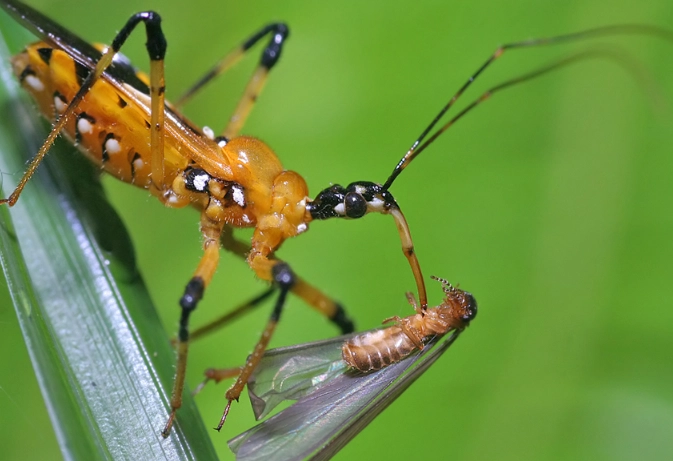
What's Inside?
How to Spot an Assassin Bug (The Right Way)
Forget the vague descriptions. Let's get specific. I've watched them in my own backyard for years, and the textbook features don't always jump out. Here’s the checklist I use.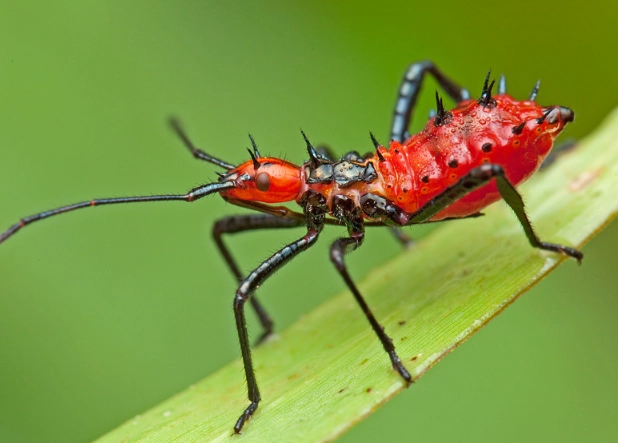
The Beak (Proboscis): This is the non-negotiable feature. It's not just a pointy mouth. It's a sturdy, curved, needle-like straw that folds neatly under the head, pointing backward toward the body. When hunting, they unfold it lightning-fast. If the bug has chewing mouthparts (like a beetle) or a straight tube (like a butterfly), it's not an assassin.
The Head and Eyes: Look for a head that appears narrow behind the eyes, often with a distinct "neck." They have prominent, often bulging compound eyes. Many species have a groove on the front legs used for cleaning that beak – a fascinating little detail.
Body and Posture: They're built for ambush. Bodies can be slender or robust, but the posture is alert. Long legs hold the body off the surface. They don't scuttle like a roach; they move deliberately, then freeze. Common colors are browns, grays, blacks, sometimes with red or orange markings. The wheel bug, a North American species, has that unmistakable cog-like crest on its thorax.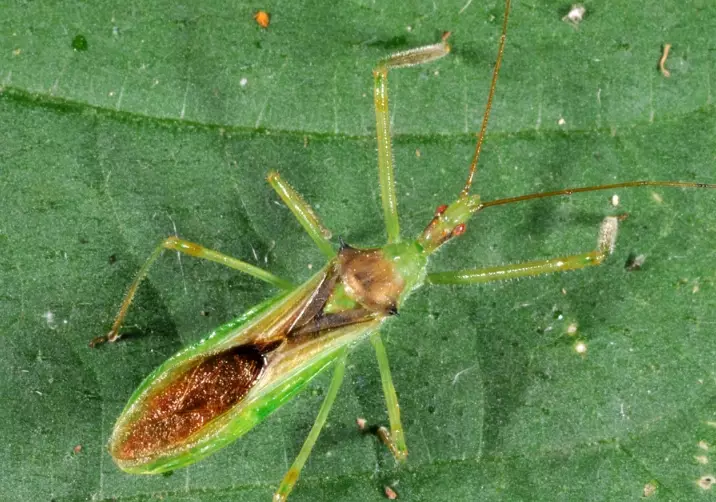
Pro Tip from the Field: Don't rely on color alone. I once spent ten minutes watching a dark brown assassin bug on a sunflower stalk, thinking it was just a bit of debris. Their camouflage is that good. Look for the silhouette and the behavior—the patient, still waiting—more than the specific hue.
Common Look-Alikes and How to Tell Them Apart
This is where everyone gets confused. Leaf-footed bugs and squash bugs are the usual impostors. They hang out on the same plants and are similar in size and color.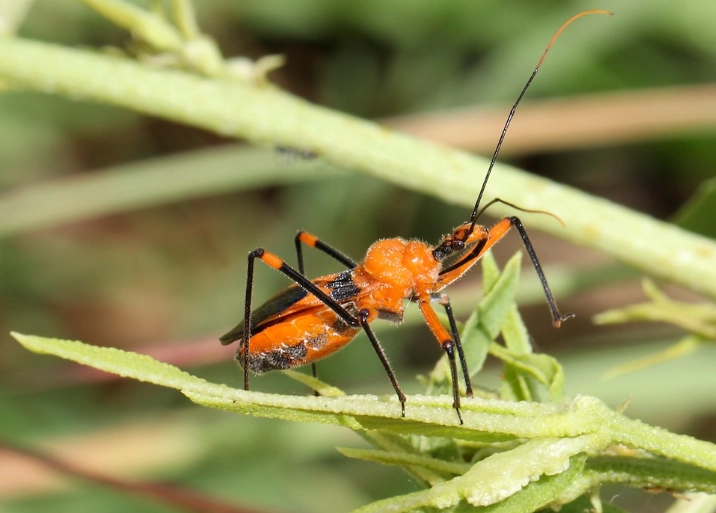
| Insect | Key Feature to Check | Mouthparts | Typical Behavior |
|---|---|---|---|
| Assassin Bug | Curved, needle-like beak under head | Piercing-sucking (for prey) | Sits and waits, moves deliberately |
| Leaf-Footed Bug | Wide, leaf-like expansions on hind legs | Piercing-sucking (for plants) | Often found in groups on fruits/vegetables |
| Squash Bug | Alternating brown and gray on abdomen edges | Piercing-sucking (for plants) | Clusters on squash/pumpkin plants |
| Stink Bug (Predatory) | Shield shape, wider body | Piercing-sucking (some are predatory) | Slower moving |
See the pattern? The plant-eaters are usually found on the plant they're damaging. The assassin bug is often near them, waiting for the plant-eaters to become lunch.
The Friend or Foe Truth: Benefits vs. Bite Risks
This is the core tension. Are they good bugs or bad bugs? The answer is frustratingly: both, depending on context. Let's break down the two sides.
The Garden Ally (99% of the time): Most assassin bugs are apex predators in the insect world. Their diet reads like a list of garden pests: aphids, caterpillars (including hornworms), leafhoppers, beetles, even other bugs. They are a cornerstone of natural pest control. A study from the University of Florida's Entomology Department highlights their significant role in suppressing pest populations in agricultural and garden settings. They don't eat plants. They work for free. From an ecological and gardening perspective, they are unequivocally beneficial.
The Defensive Biter (When provoked): Here's the catch. They have no interest in you. But if you accidentally press one against your skin (picking up a log, gardening without gloves, putting on clothes where one was hiding), they will defend themselves. That beak can pierce human skin. It's not a venomous sting like a bee, but they inject saliva that dissolves the tissues of their prey. In us, it triggers intense, localized pain.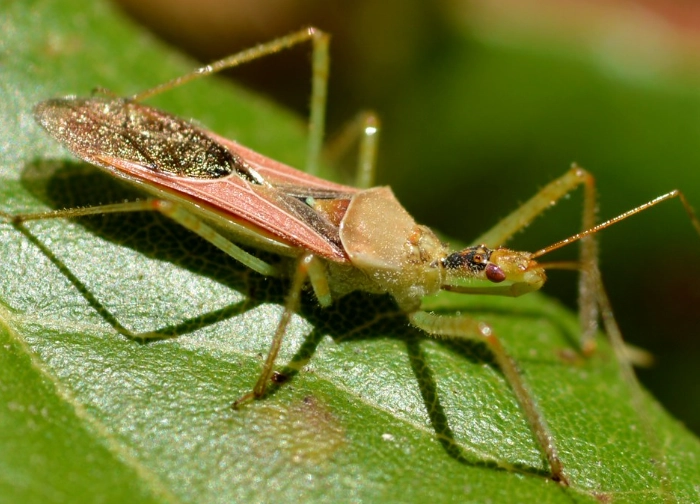
The Pain Reality: I've spoken to entomologists who've been bitten for science. The consensus is that it's a sharp, sudden, burning pain, often compared to a bee sting or worse. The pain can last for hours. For some individuals, it can cause localized swelling and redness that persists for days. Allergic reactions, while rare, are possible. The key takeaway: respect their personal space. They are not aggressive, but they are well-armed.
The Critical Difference: Assassin Bug vs. Kissing Bug
This is the most important section in this article. The panic around "assassin bugs" often stems from conflating the entire family with one notorious subfamily: the kissing bugs (Triatominae).
All kissing bugs are assassin bugs, but not all assassin bugs are kissing bugs. Think of it like all squares are rectangles, but not all rectangles are squares.
The common garden assassin bugs (like the wheel bug, masked hunter, or milkweed assassin bug) are predators of other insects. They live outdoors, hunt actively, and bite humans only in self-defense. Their bite is painful but generally medically minor.
Kissing bugs are blood-feeders on vertebrates. They are attracted to the carbon dioxide and warmth of sleeping animals (and humans). They are more likely to enter homes, often through cracks or pet doors. Their bite is usually painless (they feed at night), but their danger lies in the potential to transmit the parasite that causes Chagas disease, a serious illness prevalent in the Americas.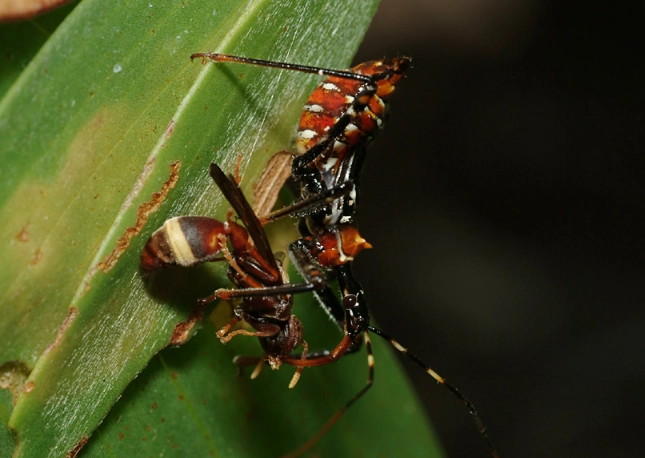
How to tell them apart in areas where kissing bugs are found (primarily southern US, Central & South America):
- Color & Markings: Kissing bugs are often uniformly dark brown or black, with distinct yellow, red, or orange stripes around the edge of their body.
- Head Shape: Kissing bugs have a more elongated, cone-shaped head.
- Behavior & Location: Found near rodent nests, dog kennels, chicken coops, or inside homes. They are nocturnal. A bug found actively hunting on a plant during the day is almost certainly a beneficial predator, not a kissing bug.
If you suspect a kissing bug, do not crush it. Capture it in a sealed container and contact your local health department or university extension service for identification. The CDC website has detailed resources on kissing bug identification and Chagas disease.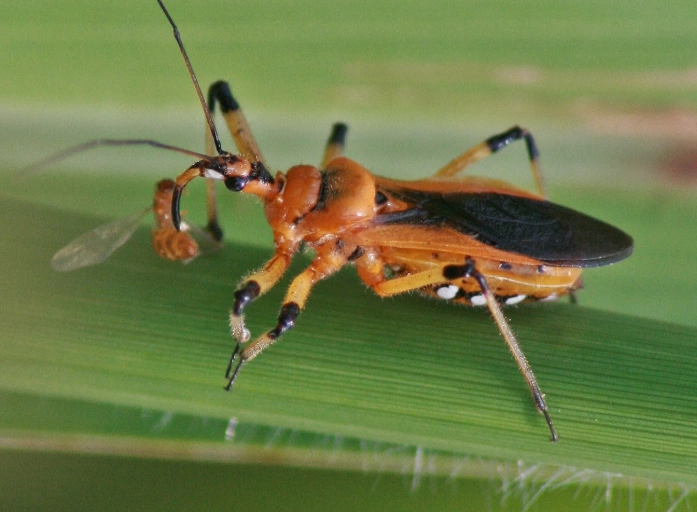
What to Do (and Not Do) If You Get Bit
Let's say it happens. You feel a sharp jab while gardening. You see the bug. Stay calm. Here's the step-by-step protocol, based on first-aid guidelines and my conversations with experts.
1. Immediately wash the area thoroughly with soap and cool water. This helps remove any surface contaminants.
2. Apply a cold compress or ice pack (wrapped in a cloth) to the site. This is the single most effective thing you can do for the pain and swelling. Do it for 10-15 minutes at a time.
3. Take an over-the-counter pain reliever like ibuprofen or acetaminophen if the pain is significant.
4. Monitor the site. It's normal to have a red, raised, painful bump for several days. It might itch as it heals.
What NOT to do:
- Do not apply heat. This can intensify the pain and swelling.
- Do not try to "suck out" the venom or make cuts. The saliva is already injected and spreading heat worsens it.
- Avoid scratching. You can break the skin and cause a secondary bacterial infection.
Seek medical attention if: You experience signs of a severe allergic reaction (difficulty breathing, swelling of the lips/tongue, dizziness), the pain is unbearable and unmanaged by OTC meds, or the site shows signs of infection (increasing redness, warmth, pus, red streaks).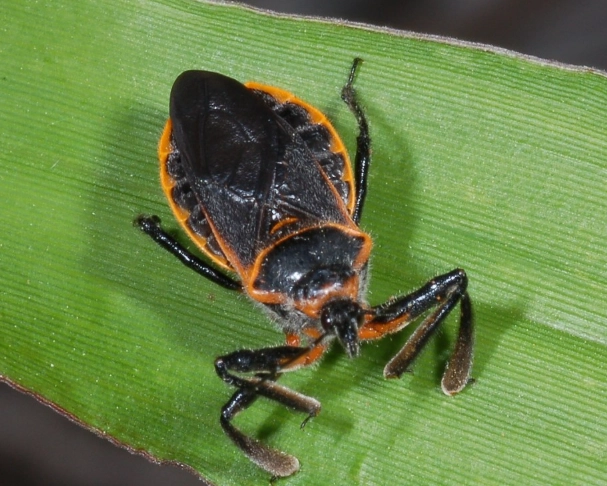
How to Manage Them Around Your Home Safely
The goal isn't eradication. It's intelligent coexistence. You want them patrolling your garden, not your patio furniture. Here’s an integrated pest management (IPM) approach.
For Outdoor Areas (Garden & Yard):
- Wear gloves when gardening. This is your primary defense against accidental bites.
- Shake out towels, gloves, and cushions that have been left outside before use.
- Keep vegetation trimmed away from sitting areas, decks, and doorways. This reduces their ambush points near high-traffic human zones.
- Use outdoor lighting strategically. Lights attract their prey (other insects), which in turn attracts them. Consider yellow "bug" lights or move lighting away from seating areas.
If One Gets Indoors:
Don't reach for the spray can. They are slow and easy to catch. Gently coax it onto a piece of paper or into a cup, slide a card underneath, and release it outside away from doors. Remember, it's just lost and eating any house spiders or pests it finds.
The Nuclear Option (Insecticides):
I almost never recommend this for assassin bugs. Broad-spectrum sprays will kill them along with every other beneficial insect, disrupting your garden's ecosystem and potentially causing pest outbreaks. If you have a severe, localized issue (e.g., a nest near a children's play set), consider a targeted, spot treatment with a pyrethrin-based insecticide, applied by a professional. But exclusion (sealing cracks) and habitat modification are always preferable.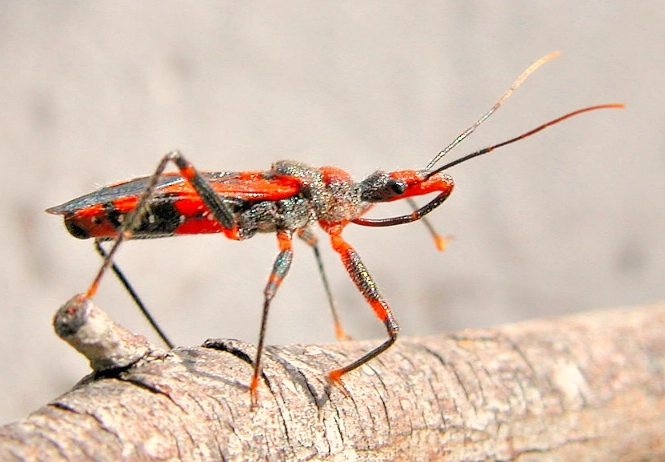
LEAVE A REPLY
Your email address will not be published. Required fields are marked *