If you live in the Southeastern United States, you've probably seen them—or at least heard the stories. Massive, golden webs stretching between power lines, across porch corners, and high in the trees. At the center, a strikingly colored spider with a body the size of a grape and legs that can span a human hand. This is the Joro spider (Trichonephila clavata), an invasive arachnid from East Asia that's been rapidly expanding its territory since it first hitched a ride to Georgia around 2013. I remember the first time I saw one of their webs in my own neighborhood; it looked like something out of a fantasy novel, a perfect, intricate golden trampoline catching the morning sun. But beauty aside, their sheer numbers have homeowners, gardeners, and ecologists asking the same questions: Are they dangerous? Should I kill them? What's the long-term impact?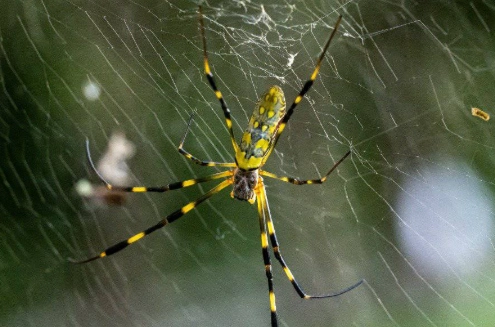
Let's cut through the hype and fear. This guide isn't just a rehash of basic facts. I've spent years tracking their spread and talking to extension agents from the University of Georgia, where much of the early research was done. We'll go beyond "they're big and yellow" to give you the actionable, nuanced information you need to make informed decisions about these new eight-legged neighbors.
What's Covered in This Guide
How to Identify a Joro Spider (Key Features)
Misidentification is common. People often panic, thinking every large spider is a brown recluse or a black widow. Joros are neither. Here’s exactly what to look for, so you know what you're dealing with.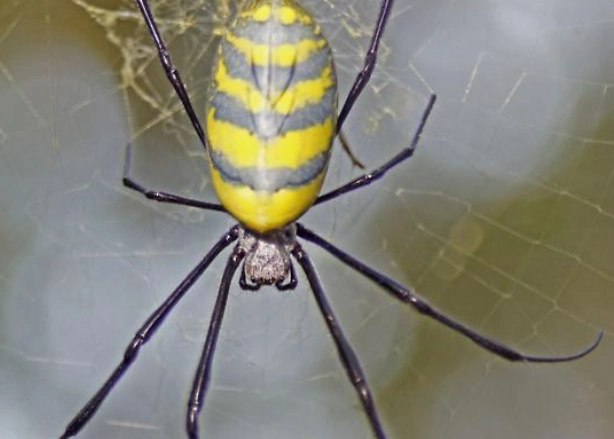
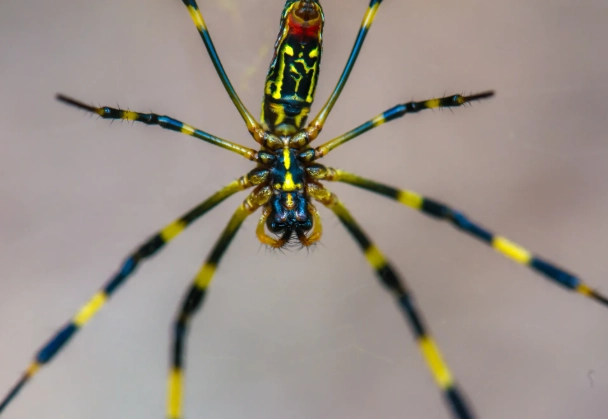
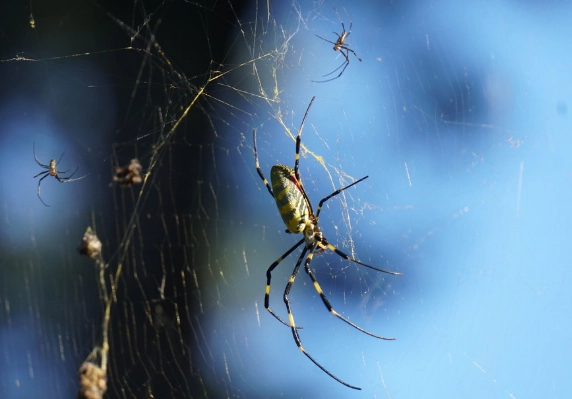
The females are the showstoppers. Their abdomen is a vibrant mix of yellow, blue-black, and red stripes on the top, with a distinct, bold yellow and black pattern on the underside. Their long legs are black with bright yellow-orange bands. Males are tiny, drab, and brown—you'll rarely notice them. The web is the other dead giveaway. It's a large, orb-shaped, golden-yellow silk web, often positioned in open, sunny areas well off the ground. They love the edges of forests, along trails, and the space between utility lines and trees.
Where most online guides stop is just saying "they're colorful." The nuance is in the timing and location. You'll see the large females and their impressive webs from late summer through late fall (August to November). In early summer, you might only see smaller, less conspicuous webs. And they strongly prefer to build in these open aerial corridors, not typically in dense shrubbery or right on your front door like some other spiders.
Joro Spider vs. Common Look-Alikes
It's easy to mix them up with native orb weavers. This table breaks down the key differences.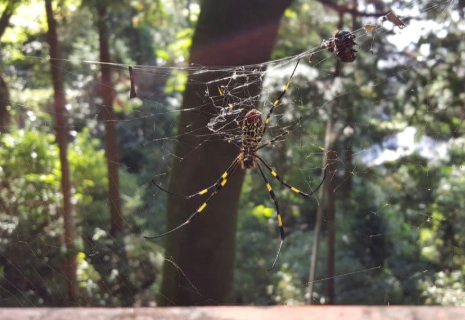
| Feature | Joro Spider (Female) | Common Garden Spider (Argiope) |
|---|---|---|
| Primary Colors | Blue-black & yellow abdomen with red accents; black legs with yellow bands. | Bright yellow and black on abdomen ("writing spider" pattern); silver legs. |
| Web Color & Position | Golden-yellow silk. Often very high (10+ ft), between trees/power lines. | Standard white/grey silk. Often at human-eye level in gardens/fields. |
| Body Size | ~1 inch (25 mm) long, legs can span 3-4 inches. | ~0.75 inches long, similar leg span. |
| Underside Pattern | Distinct, bold yellow and black markings (a key identifier). | Mostly brown or black, less patterned. |
One subtle mistake I see even experienced gardeners make: they spot a big web and assume it's a Joro. Take a second look at the spider itself. No bright yellow bands on black legs? It's probably a native species doing its job eating pests.
Are Joro Spiders Dangerous to Humans?
This is the number one concern. The short, direct answer is no, they are not considered a significant threat to people. Let's unpack why, because understanding this reduces unnecessary panic and misguided attempts at control.
Joro spiders possess venom to subdue their prey (flies, mosquitoes, stink bugs—lots of stink bugs), but their venom is not medically significant to humans. Their fangs are often too small to easily penetrate human skin. Even if they do manage to bite, which is exceedingly rare as they are incredibly timid, the reaction is typically milder than a bee sting—think localized redness, slight itching, or minor swelling that goes away in a day.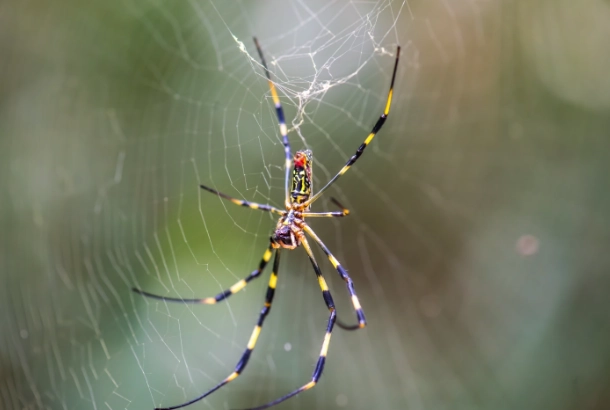
The real "danger"—and where I think most public discussion misses the mark—isn't to us, but to local ecosystems. As a generalist predator, the Joro spider consumes a wide variety of insects. Research is ongoing, but the concern among ecologists, as noted in resources from the USDA National Invasive Species Information Center, is that they could outcompete native orb-weaving spiders for food and space. We don't have the long-term data yet, but that's the ecological angle that deserves more attention than the overblown fear of bites.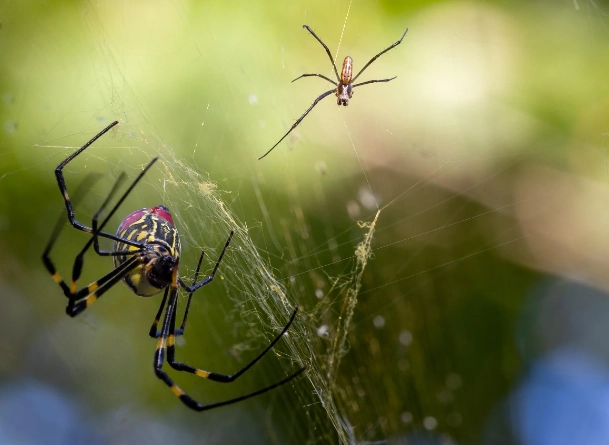
Practical Joro Spider Control & Management
You don't like giant webs on your property. I get it. They can be a nuisance, especially when you walk into one. The goal here is effective management, not necessarily eradication (which is likely impossible now). Here’s a tiered approach, from simple to more involved.
Step-by-Step: What to Do If You Find Joros
- Assess the Situation. Is the web in a high-traffic area (over a sidewalk, by your front door)? Or is it tucked away in a corner of the yard? If it's not causing a problem, consider leaving it. They're excellent pest control.
- Physical Removal (The Most Effective Method). For unwanted webs and spiders, use a long stick, broom, or pole to break down the web. The spider will usually drop to the ground and flee. You can then gently guide it into a container and relocate it to a less bothersome area, like a wooded edge. A vacuum cleaner with a hose attachment works well for removing spiders and webs from eaves or corners.
- Environmental Management. Reduce attractants. Turn off exterior lights that draw in the insects they eat. Keep vegetation trimmed back from the sides of your house and clear branches away from utility lines to reduce prime web-building spots.
- Seal Entry Points. While Joros prefer the outdoors, ensure cracks around windows, doors, and siding are sealed to prevent any spiders (Joro or otherwise) from wandering inside.
Chemical Control: A Word of Caution
Broad-spectrum insecticide sprays are overkill and counterproductive. They kill far more beneficial insects (bees, butterflies, other predatory bugs) than they do Joros. The spiders often just rebuild their webs a few days later. If you feel you must spray, target specific web sites with a direct stream, and use products labeled for spiders, following all label instructions. But honestly, the physical removal method is faster, cheaper, and better for your local environment.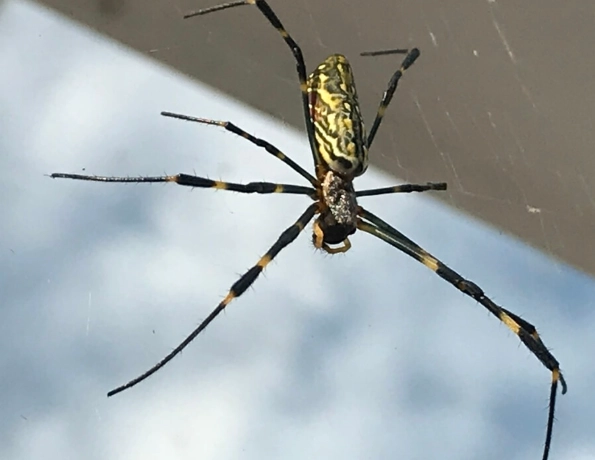
For large-scale infestations on commercial property or if you're simply unable to handle it, professional pest control services can help. Expect to pay for a targeted exterior treatment, which might range from $150 to $300 depending on property size.
Your Joro Spider Questions Answered
LEAVE A REPLY
Your email address will not be published. Required fields are marked *