You've probably heard the horror stories. A calm afternoon in the yard turns into a nightmare as a cloud of angry bees descends, chasing a person for hundreds of feet. These aren't your garden-variety honey bees. They're Africanized honey bees, often called "killer bees," and their reputation for extreme defensiveness is well-earned. First introduced in Brazil in the 1950s, they've since spread north through Central America and into the southern United States. The key thing to understand is that they're not a different species—they're a hybrid of African and European honey bees. But that African genetics flipped a switch on their defensive behavior. This guide isn't about fear-mongering; it's about giving you clear, actionable knowledge. Because the biggest danger isn't the bee itself, it's not knowing how to react when you encounter them.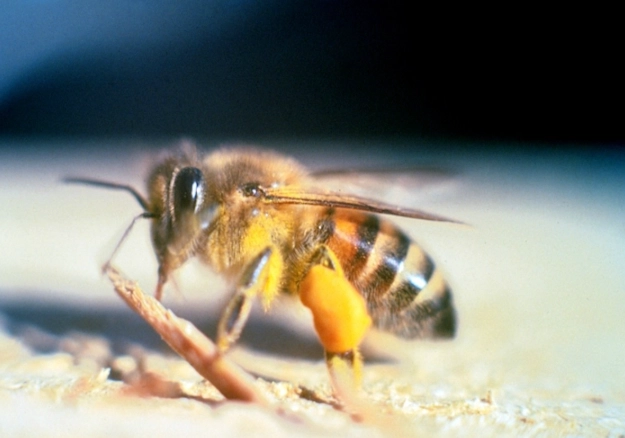
What You'll Learn in This Guide
How to Identify Africanized Killer Bees (You Can't, Just By Looking)
Here's the first critical piece of expert advice that most articles get wrong: You cannot reliably tell an Africanized honey bee from a European honey bee with the naked eye. Telling people to look for slight size or color differences sets them up for failure. I've seen seasoned beekeepers misidentify them. The only definitive method is laboratory analysis of the bees' morphology (wings, body parts) or DNA. So, if visual identification is off the table, what do you do?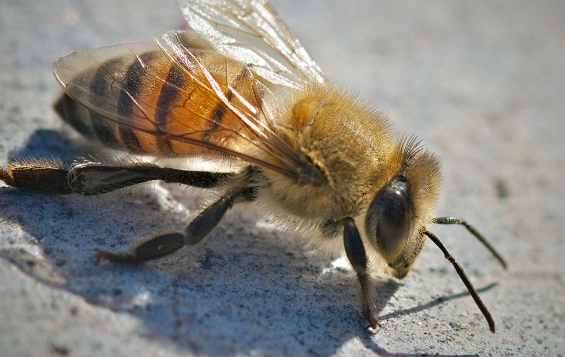
You identify them by their behavior and the context. This is your new rule of thumb. If you're in a region where Africanized bees are known to exist (think Southern California, Arizona, Texas, Florida, Nevada, and parts of the Southwest), you should assume any wild bee colony has the potential to be Africanized. The U.S. Department of Agriculture maintains maps of their confirmed spread.
Behavioral Red Flags: Look for a rapid, mass response to a disturbance near their nest. European bees might send out 10-20 guards. Africanized bees can send hundreds or thousands, and they will pursue a threat for a much longer distance—a quarter mile or more is not uncommon. They also tend to nest in more exposed or inconvenient places compared to the sheltered cavities preferred by European bees.
| Characteristic | European Honey Bee | Africanized Honey Bee ("Killer Bee") |
|---|---|---|
| Primary Identification Method | Visual identification is possible but not always reliable for the public. | Cannot be visually distinguished; identification is by BEHAVIOR or lab test. |
| Defensive Response | Moderate. Sends dozens of guards. Pursues for a shorter distance (often | Extreme. Sends hundreds/thousands. Pursues relentlessly (up to 1/4 mile or more). |
| Nesting Site Preference | Prefers larger, enclosed cavities (hollow trees, wall voids, standard bee boxes). | Will use smaller, more exposed cavities (water meter boxes, concrete blocks, old tires, ground holes, low-hanging branches). |
| Swarming Frequency | Swarm 1-2 times per year. | Can swarm much more frequently, as often as every 6 weeks, leading to rapid spread. |
| Venom Potency | Identical. A single sting is no more toxic. | Identical. The danger comes from the number of stings, not the venom strength. |
Why Are Africanized Bees So Aggressive? Understanding the "Why"
Calling them "killer bees" makes it sound like they hunt people. They don't. Their aggression is purely defensive, but the threshold for what they consider a "threat" is incredibly low. Imagine a European bee colony has a sophisticated alarm system with motion sensors and a delay. An Africanized colony has that same system, but it's wired to a hair-trigger, and instead of a siren, it deploys an entire SWAT team instantly.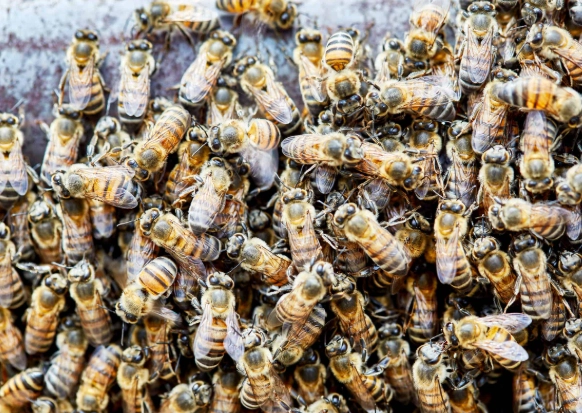
This trait evolved in Africa, where they faced constant threats from predators like honey badgers. The colonies that responded with overwhelming force survived. That genetics got passed on. The real-world consequence for you? Vibrations from a lawnmower, the sound of a hedge trimmer, or even just walking too close to a hidden nest can trigger a massive attack. They also mark perceived threats with alarm pheromone more intensely, directing more bees to the target.
The Real Risk: Number of Stings, Not the Venom
This is crucial. The venom in an Africanized bee's sting is chemically the same as a European bee's. One sting feels the same. The life-threatening risk for adults comes from mass envenomation—receiving hundreds of stings. For children, the elderly, or those with allergies, far fewer stings can be fatal. The toxic dose of bee venom is about 10 stings per pound of body weight. For a 150-pound person, that's 1,500 stings. An agitated Africanized colony can deliver that.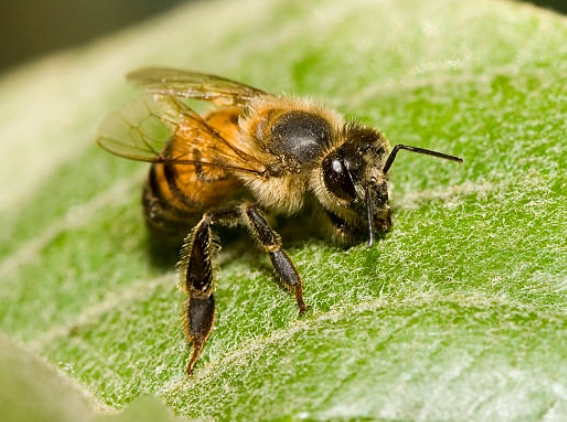
What to Do If You Are Attacked by Africanized Bees
Your reaction in the first 10 seconds determines the outcome. Forget everything you've seen in movies.
DO NOT JUMP INTO WATER. They will wait for you to surface. I've read incident reports where this fatal mistake was made. They will hover and sting the moment you come up for air.
Run. Immediately. Get to the nearest enclosed shelter—a car, a building. Don't worry about looking silly. Run in a straight line. They pursue moving targets, but your goal is distance and cover. If you can't get to a building, run through dense brush or shrubs if possible; it can disrupt their pursuit.
Protect your head and neck. Use your shirt, a jacket, anything to cover your face, especially your eyes, nose, and mouth. Stings around the airways can cause swelling that leads to suffocation. Keep your mouth closed and your eyes squinted.
Do not swat or flail. This increases movement and releases more alarm pheromone, making you a bigger target. Once inside, check for bees that came in with you. Scrape stingers out sideways with a fingernail or credit card—pinching the venom sac can inject more venom.
If someone else is being attacked and cannot run, the best thing you can do is call 911 immediately and try to create a smoke barrier between them and the bees from a safe distance, if possible. Do not run directly into the swarm yourself.
How to Prevent Africanized Bees from Nesting on Your Property
Proactive prevention is 90% of the battle. Africanized bees are opportunistic. Your goal is to make your property the least appealing rental on the block.
Conduct a quarterly "bee-proofing" inspection. Walk your property looking for potential nest sites. Bring a flashlight.
- Check utility boxes: Water meter boxes, irrigation valve boxes, and electrical boxes are prime real estate. Ensure lids fit tightly. Consider sealing small openings with caulk or fine mesh hardware cloth (1/8 inch or smaller).
- Inspect structures: Look for holes in walls, cracks in eaves, gaps around window frames, and openings where pipes or wires enter your home. Seal them with durable sealant, steel wool, or concrete.
- Clear yard debris: Remove old tires, empty flower pots, overturned wheelbarrows, unused grills, and piles of lumber. Clean up fallen tree limbs and hollow logs.
- Examine sheds and outbuildings: Check for gaps under doors and in roofing.
- Don't forget the ground: Fill in rodent holes and other ground cavities.
If you have a swimming pool or pet water bowls, they will attract bees to drink. Providing a water source away from high-traffic areas (like a dripping bird bath with stones for them to land on) can sometimes keep them away from where your kids play.
Finding and Removing an Established Nest: Leave It to Professionals
You find a nest. A steady stream of bees is flying in and out of a crack in your garden shed. Your first instinct might be to grab a can of insecticide. This is the single most common and dangerous mistake homeowners make.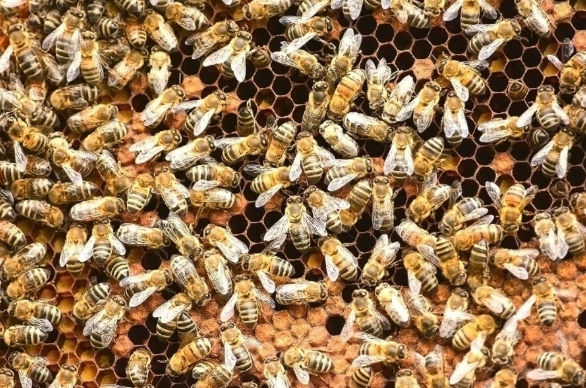
Spraying at the entrance will aggravate the colony without eliminating it. You'll now have thousands of angry, poisoned bees erupting from every possible exit, which could be inside your shed or even into your house if the nest has expanded. It turns a controlled removal into a chaotic emergency.
The only safe and effective course of action is to call a professional pest control operator or a beekeeper who specifically advertises experience with Africanized or removal of aggressive colonies. Ask them about their experience over the phone. A true professional will:
- Wear a full bee suit, often with extra taping at the seams.
- Assess the nest location and size carefully, often at night when bees are less active.
- Use techniques like insecticidal dusts that bees track into the nest, which is more effective and less likely to trigger a massive defensive response than sprays.
- Remove the entire comb after the colony is neutralized to prevent robbing and future pest issues.
- Advise you on how to seal the entry point after removal.
LEAVE A REPLY
Your email address will not be published. Required fields are marked *