You find a few discarded wings by the window sill. Or maybe you notice a small pile of what looks like sawdust under a beam. Your mind jumps to the worst. Is it termites? If it is, what kind? That's the million-dollar question, because the answer changes everything—how bad the damage could be, how fast you need to act, and most importantly, how you get rid of them. Treating all termites the same is like using a band-aid for a broken arm. It misses the root cause.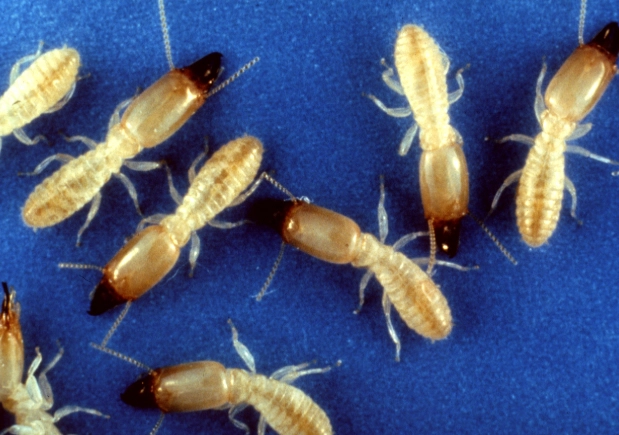
I've been in pest control for over a decade, and the single biggest mistake I see homeowners make is misidentifying the enemy. They'll spray a surface treatment for what they think are flying ants, only to find the real colony—subterranean termites—still munching away from underneath. Or they'll panic over drywood termite pellets and spend thousands on a whole-house tenting when a localized treatment would have sufficed.
Let's cut through the confusion. This isn't just a list of bugs. It's a practical guide to figuring out which termite type you're dealing with, understanding its game plan, and knowing the specific steps to stop it.
What’s Inside This Guide
The Three Main Termite Types You Need to Know
In the U.S., you're almost certainly dealing with one of three main categories. Forget the scientific names for a second. Think about their lifestyle and where they set up shop. That's what tells you how they'll damage your home and how to fight back.
- Subterranean Termites: These guys live in the soil. They build massive underground colonies and send out workers to forage for wood above ground. To do this safely, they construct mud tubes. They're the most common and cause the most damage nationwide, according to data from the National Pest Management Association. They're a constant, underground threat.
- Drywood Termites: The complete opposite. They don't need contact with soil or even much moisture. A single pair can fly into your attic, crawlspace, or furniture, drill a tiny hole, seal it behind them, and start a new colony inside a single piece of wood. They're more localized but can be everywhere.
- Dampwood Termites: As the name screams, they love wet, decaying wood. They're less likely to infest the sound, dry wood of a well-maintained home. But if you have a chronic leak, wood-soil contact, or a pile of old, damp firewood against your house, you're rolling out the welcome mat.
There's a fourth sometimes mentioned—Formosan termites. But here's a pro tip: think of them as a particularly aggressive, super-colony-forming subtype of subterranean termites. The identification and initial response are similar, but the infestation can be more severe and faster-moving.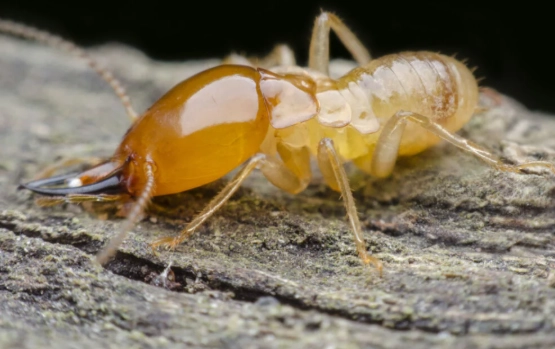
How to Identify Subterranean Termites (The Most Destructive)
If termites were an army, subterranean termites would be the organized, tunneling infantry. They work from a central command (the main nest in the soil) and establish forward operating bases (secondary nests in walls).
The #1 Sign You Can't Miss: Mud Tubes. These are pencil-sized (or smaller) tunnels made of soil, saliva, and feces. They're highways that protect the termites from drying out and predators as they travel from the soil to your wood. Look for them on foundation walls, in crawl spaces, on piers, and along pipes. If you break one open and see small, creamy-white insects scrambling, you've got active subterranean termites.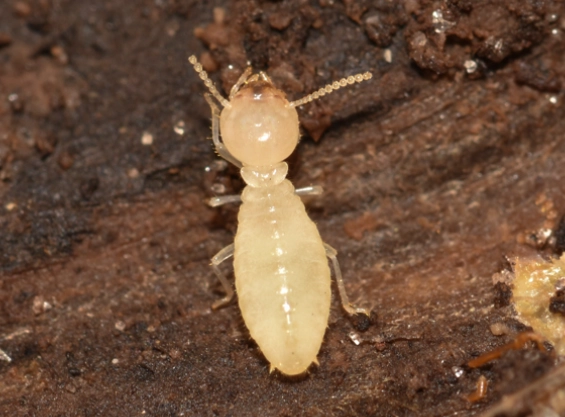
A Common Misidentification
People often confuse termite swarmers (the reproductive ones with wings) with flying ants. The dead giveaway? Termite swarmers have a thick waist, straight antennae, and two pairs of wings that are equal in size. Flying ants have a pinched waist, elbowed antennae, and front wings longer than the back wings. If you see these winged insects emerging from a baseboard or your foundation, it's a major red flag.
Damage Pattern: Subterranean termites eat with the grain of the wood, often leaving a honeycomb pattern. Because they need moisture, they'll often start damage in vulnerable, damp areas: sill plates, floor joists in crawl spaces, and areas around leaking pipes. The outside of the wood may look perfectly normal, but it's hollowed out from the inside. Tap on suspected wood with a screwdriver handle; a hollow sound or easy puncture is a bad sign.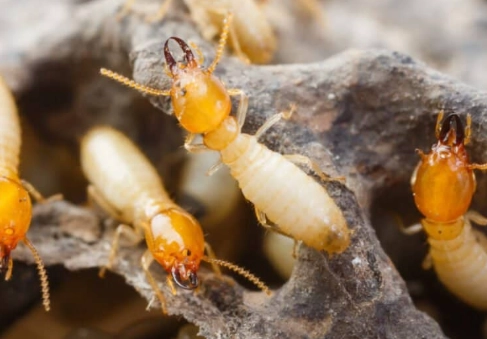
Why DIY Fails Here
Spraying the visible tubes or even the wood they're attached to is almost useless. You're killing a few workers, but the queen deep in the ground is still producing thousands more every day. Effective control requires creating a continuous chemical or physical barrier in the soil between the colony and your house, or using bait systems that the workers carry back to the nest. This is almost always a job for a pro with the right tools and materials.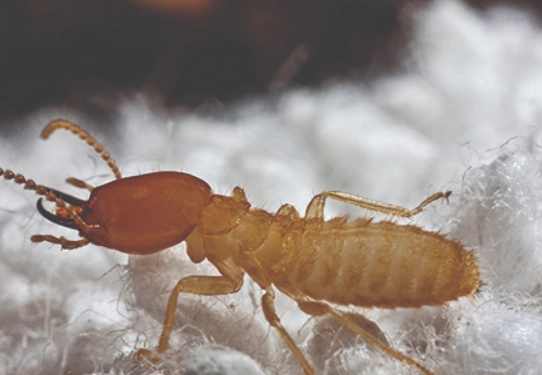
Spotting Drywood Termites: The Hidden Colonists
Drywood termites are the special ops. They operate in small, independent cells. I once inspected a home where the owners had beautiful, solid-looking oak trim throughout the living room. One piece sounded slightly off when tapped. We opened a small section and found a fully functional colony living inside that single 4-foot piece of trim, completely isolated from the rest of the house.
The Telltale Sign: Frass. This is a polite word for their fecal pellets. Drywood termites keep their galleries clean by kicking these tiny, six-sided, wood-colored pellets out of "kick-out" holes. You'll find small piles of granules that look like coarse sand or sawdust below infested wood (window sills, door frames, attic beams, furniture). If you blow on the pile and it scatters, it's likely sawdust. If the pellets bounce and scatter, it's probably frass.
Damage Pattern: They create large, smooth galleries that cut across the wood grain. Since the colony is inside the wood, you might also hear faint clicking or rustling sounds (soldiers banging their heads against the wood to signal danger) if you press your ear against an infested area during quiet hours.
The Localized vs. Whole-House Decision
This is critical. If the infestation is truly isolated to one window frame or a single piece of furniture, a professional can sometimes use localized treatments like injecting foam or dust insecticides directly into the galleries, or even removing and replacing the wood. However, if you find multiple colonies or signs in scattered areas (attic, several rooms, garage), whole-structure fumigation (tenting) might be the only way to guarantee elimination. A good inspector will use moisture meters, sound detection devices, and thermal cameras to map the extent before recommending a course of action.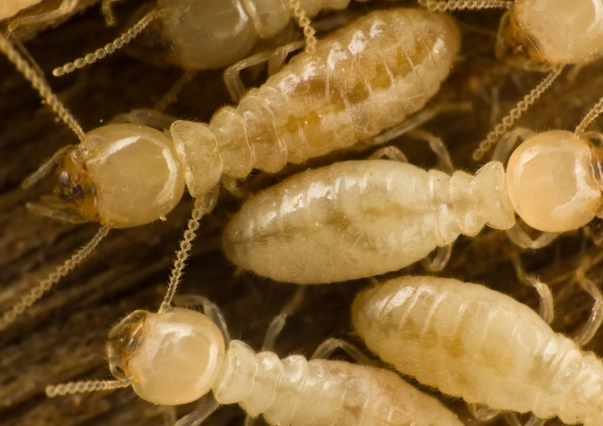
Dampwood Termites: The Moisture Lovers
Dampwood termites are often the least of your worries in a modern, dry home, but they're a brilliant warning signal. They only attack wood with high moisture content—typically above 20%.
You'll find them in:
- Rotting fence posts or landscape timbers in direct soil contact.
- The damp ends of roof eaves where there's a leak.
- Woodpiles stored against the house for years.
- Old tree stumps in your yard.
Signs: They don't make mud tubes. Their galleries are large and clean, like drywood termites, but the wood will be obviously damp, soft, and decaying. You might also see their larger, darker swarmers. The frass is different too—it's often stuck together in clumps because of the moisture.
The treatment here is straightforward: fix the moisture problem. Replace the rotted wood, fix the leak, improve drainage, and move the woodpile. Once the wood dries out, the colony usually dies or leaves. Sometimes a direct wood treatment is needed, but controlling moisture is 90% of the battle.
Termite Type Comparison: Damage, Signs, and Solutions
This table breaks down the key differences at a glance. It’s the cheat sheet you can come back to.
| Termite Type | Primary Habitat | Key Identifying Sign | Typical Damage Location | Primary Control Strategy |
|---|---|---|---|---|
| Subterranean | Soil, with mud tubes to wood | Mud tubes on foundations, swarmers from soil | Foundations, sill plates, floor joists, areas near moisture | Soil barrier treatments, baiting systems |
| Drywood | Inside dry, sound wood | Piles of six-sided fecal pellets (frass), kick-out holes | Attics, window/door frames, furniture, siding | Localized injection/heat or whole-structure fumigation |
| Dampwood | High-moisture, decaying wood | Found in damp/rotting wood, larger swarmers | Rotting fences, leaky roof eaves, old stumps | Moisture control, wood replacement, direct treatment |
LEAVE A REPLY
Your email address will not be published. Required fields are marked *