If you've found a suspicious spider in your basement or garage, your first question is probably "where do brown recluse spiders live?" Let's cut to the chase: their range is smaller than you think, but within it, they're masters of hiding in the exact places you'd rather not reach into. I've spent years tracking spider reports and misidentifications, and the biggest mistake people make is assuming every tan spider in a dark corner is a brown recluse. The truth about their habitat is more specific, and knowing it can save you a lot of unnecessary panic.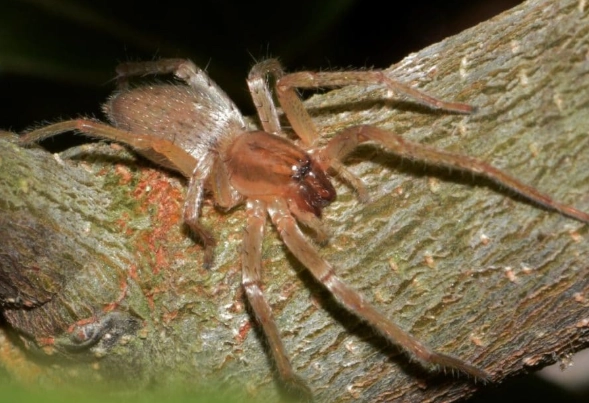
What You'll Find in This Guide
Their Natural, Outdoor World
Outside, brown recluses are not jungle adventurers. They're recluses for a reason. Think dry, sheltered, and forgotten.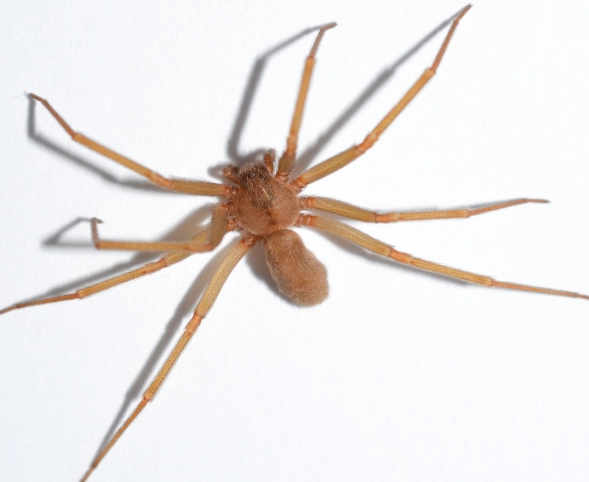
You won't find them in lush, damp gardens or actively hunting on your lawn. Their preferred real estate is undisturbed debris. We're talking about piles of rocks, stacks of weathered lumber, dead tree bark that's peeling away from the trunk, and abandoned rodent burrows. I once helped a friend clean out an old woodpile that had been sitting against his shed for five years. Underneath the bottom layer, against the soil, we found a small colony—not a web-filled nest, but several individual spiders tucked into separate crevices. They don't live in big, social groups, but prime habitat can support many individuals.
The key factor is undisturbed clutter. A woodpile you move every season for firewood? Probably not. The forgotten stack of bricks behind the garage from that patio project you never finished? Prime suspect.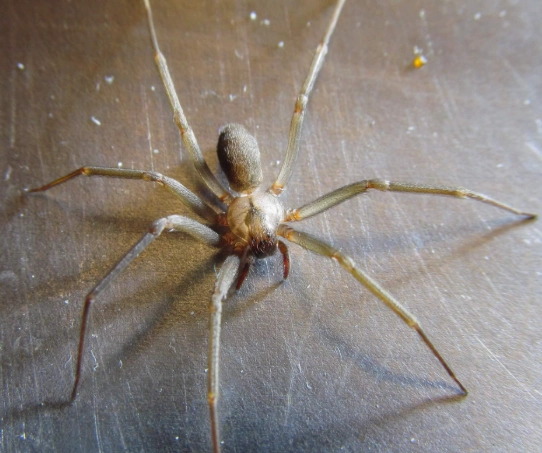
Where They Hide Inside Your Home
This is where it gets personal. Brown recluses are synanthropic, meaning they thrive in human-made environments. They don't come inside looking for you; they come in looking for the perfect, quiet, dark apartment. They are hitchhikers, often brought in with boxes, furniture, or firewood from an infested area.
Once inside, they follow a simple real estate mantra: location, location, location. They seek spaces that are rarely disturbed, dark, and dry.
- Basements and Cellars: The number one spot. Cluttered corners, behind stored items, and especially in cardboard boxes are ideal.
- Attics: Particularly in older homes with insulation gaps and stored memorabilia.
- Void Spaces: This is a big one. Inside wall voids, behind baseboards, under the lip of built-in cabinets, and in the drop-ceiling of basements. They can live for years in these spaces without ever being seen.
- Storage Areas: Closets filled with seasonal clothes, garages with stacked boxes, and under beds with stored containers.
- Furniture: Rarely, but sometimes, inside the folds of seldom-used upholstered furniture or in the hollow legs of beds.
Here's the expert nuance everyone misses: they love cardboard. Cardboard boxes are like luxury condos for them. The corrugation provides perfect, layered hiding spots, and the material retains dryness. Plastic totes are a much safer storage option if you're in brown recluse territory.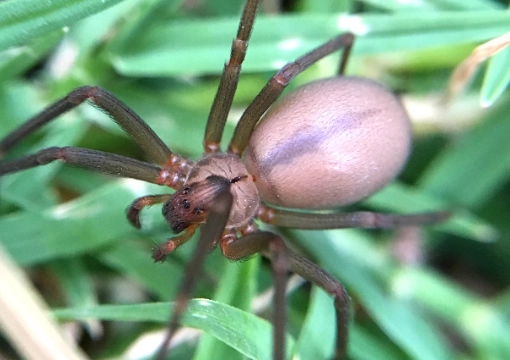
The Brown Recluse Map: States & Regions
This is the most critical piece of information. The fear of brown recluses is nationwide, but their established range is not. The spider's native range is centered on the south-central United States. According to maps from authorities like the University of California Statewide Integrated Pest Management Program, their range is clearly defined.
If you live outside the following states, the chance of finding a native, established brown recluse population in or around your home is extremely low. Occasional finds happen due to travel with goods (a spider in a box from a warehouse in Missouri, for example), but these are isolated incidents, not infestations.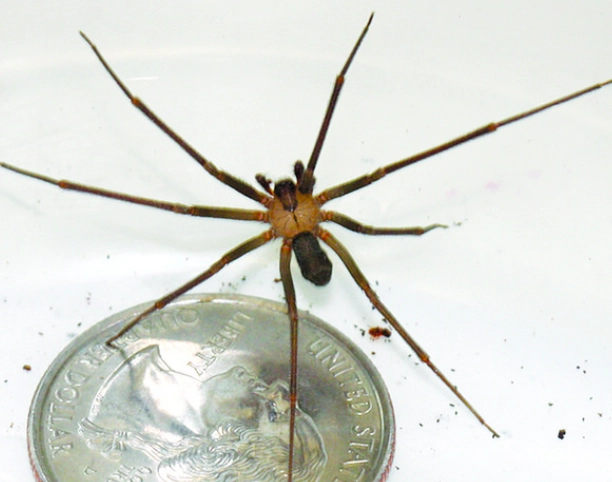
| Region | Core States (Common) | Peripheral States (Less Common/Partial) |
|---|---|---|
| Central & Southern U.S. | Nebraska, Iowa, Illinois, Indiana, Ohio, Kansas, Missouri, Kentucky, Tennessee, Arkansas, Louisiana, Mississippi, Alabama, Georgia, Texas, Oklahoma | Western parts of Pennsylvania, West Virginia, Virginia, North Carolina, South Carolina; southern parts of Wisconsin; edge cases in eastern Colorado and New Mexico |
Let's be brutally clear: If you're in Florida, California, New York, Washington, or most of the Northeast and Pacific Northwest, you almost certainly do not have brown recluses living around your home. The spiders you're finding are likely harmless look-alikes like male southern house spiders, cellar spiders, or funnel weavers. Misidentification is rampant and causes unnecessary anxiety.
How to Actually Identify One (Common Mistakes)
Knowing where they live is useless if you can't ID the spider. Everyone talks about the "violin" shape on the cephalothorax (the front body segment). It's a good clue, but it's not foolproof. The color of the violin can be faint, and other spiders have similar markings.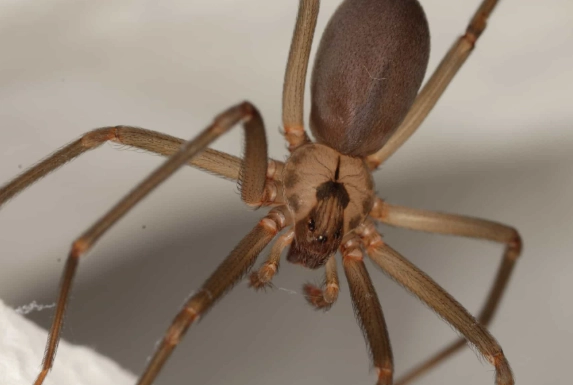
Here’s what you need to look at, in order:
1. The Eyes (The Most Reliable Feature)
This is the expert tip. Brown recluses have six eyes, arranged in three pairs (dyads) in a semicircle. Most spiders have eight eyes. This is hard to see without a magnifier, but it's the gold standard. If you can safely get a close-up photo with macro mode, check the eyes.
2. The Color and Legs
The body color is a uniform tan to dark brown. The legs are long, slender, and lack spines or significant hair. They're smooth. The abdomen is also uniformly colored, without any stripes, spots, or patterns.
3. The Violin
Finally, look for the darker violin-shaped marking, with the "neck" of the violin pointing toward the abdomen. It should be fairly clear, but don't rely on this alone.
If you're unsure, the safest bet is to take a clear, top-down photo and use a resource like iNaturalist or consult with a local university's entomology department. Don't trust generic online image searches—they're full of mislabeled pictures.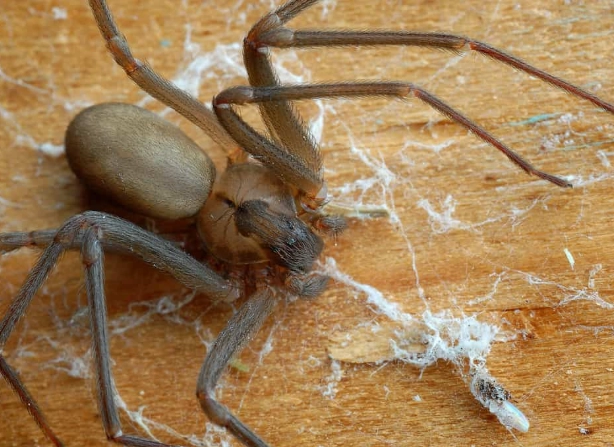
Making Your Home Less Inviting
If you're in the range, prevention is about habitat denial. You're not building a fortress, you're just making your space less appealing than your neighbor's.
Start with the perimeter. Move firewood, lumber, and rock piles as far from the house foundation as practical. Seal cracks and gaps around utility entries, pipes, and foundation vents with copper mesh or silicone caulk. Install tight-fitting door sweeps.
Inside, the war is won on clutter. Reduce cardboard storage. Switch to plastic, sealable totes, especially for items in basements and attics. Keep storage areas tidy and off the floor on shelving when possible. Perform routine checks and vacuuming in storage zones, using the hose attachment to get into corners and along baseboards. Vacuuming is remarkably effective at removing spiders and their egg sacs.
Sticky glue traps (like those used for mice or cockroaches) placed flat along walls in basements, utility rooms, and garages are excellent passive monitoring tools. They'll tell you what's crawling around when you're not looking.
What to Do If You Find One
Stay calm. The spider is more afraid of you. Their bite is a defensive last resort, usually happening when they are pressed against skin—like when putting on clothes they've crawled into or rolling over on one in bed.
Don't try to smash it with your hand. Use the "cup and card" method: gently place a clear cup over it, slide a stiff piece of paper underneath to trap it, then carry it outside and release it far from the house. If you're not comfortable with that, a vacuum cleaner works. Insecticide sprays are generally not recommended for a single spider; they cause the spider to run and are less effective than direct mechanical removal.
If you find multiple brown recluses regularly, it's time to call a professional pest management company. They can perform a thorough inspection and use targeted, crack-and-crevice treatments.
LEAVE A REPLY
Your email address will not be published. Required fields are marked *