That sudden, sharp pain followed by fiery burning – if you've felt it, you know a vespid wasp sting is no joke. It's more than just a nuisance; for some, it's a medical emergency. I remember helping a friend who was stung multiple times after accidentally disturbing a ground nest. The panic was real, and the standard advice of "just put some ice on it" felt woefully inadequate. This guide cuts through the noise. We'll move past generic tips and dive into the specific, actionable steps you need to take, whether you're dealing with a single angry yellow jacket or a full-blown allergic reaction.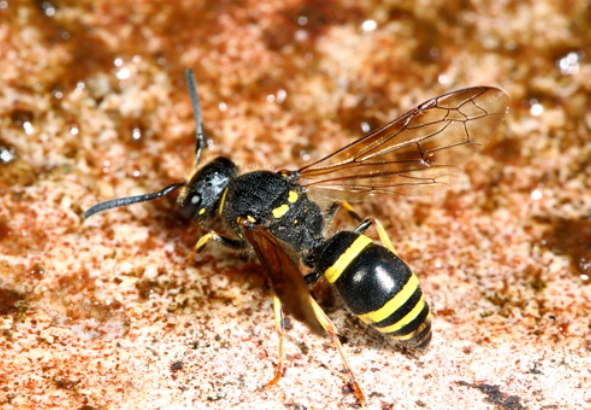
What You'll Find in This Guide
How to Identify a Vespid Wasp Sting (And Why It Matters)
Not all stinging insects are created equal. Knowing you're dealing with a wasp, and not a bee, changes your first aid approach right away. Vespid wasps include yellow jackets, hornets, and paper wasps. They have smooth stingers, meaning they can sting you multiple times. A bee leaves its barbed stinger (and venom sac) behind in your skin; a wasp does not.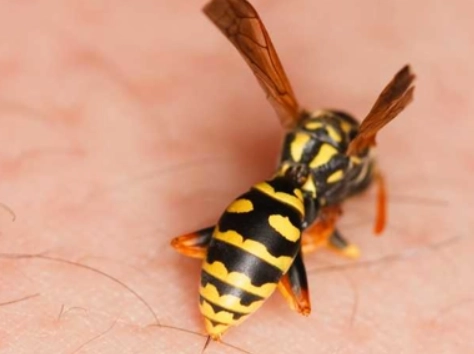
Here’s what you’ll typically see and feel within minutes of a vespid wasp sting:
- Instant, Sharp Pain: This isn't a slow burn. It hits fast and hard.
- Intense Burning or Throbbing: The pain often evolves into a deep, hot ache at the site.
- A Raised, Red Bump (Wheal): The center will be a pale raised area where the stinger pierced, surrounded by immediate redness.
- Rapid Swelling: The area around the sting will start to puff up quickly. For a sting on the arm, expect the swelling to cover an area the size of your palm or larger.
- No Stinger Left Behind: This is the key visual differentiator. Look closely. If you see a tiny black barb embedded, it's a bee. If the skin is just punctured, it's almost certainly a wasp.
Why this matters: The "no stinger" fact means you should not spend precious time scraping or digging at the site looking for one. That's a common mistake that just irritates the wound further. Your focus should shift immediately to managing the venom already injected.
Immediate First Aid: Your Step-by-Step Response Plan
Time is your most important asset. What you do in the first 10-15 minutes can significantly reduce the pain and swelling. Forget the old wives' tales about vinegar or baking soda pastes. The efficacy is spotty at best. Here's the protocol I follow and recommend, backed by sources like the CDC and the American Red Cross.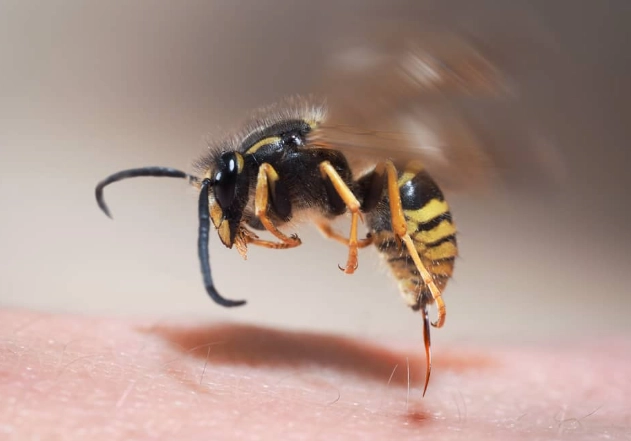
The First 5 Minutes: Damage Control
1. Get to Safety. Move away from the area calmly but quickly. Wasps release alarm pheromones that can attract others. Don't swat wildly.
2. Wash the Area. Use soap and cool water. This isn't about neutralizing venom (you can't), but about cleaning the puncture wound to prevent a secondary bacterial infection, which is a surprisingly common complication people ignore.
3. Apply a Cold Compress. This is your most effective tool. Wrap ice in a thin cloth and apply it to the sting for 15-20 minutes at a time. The cold constricts blood vessels, slowing the spread of venom and reducing swelling and pain. Don't apply ice directly to the skin.
Managing Pain and Itch (The Next Few Hours & Days)
After the initial cold treatment, you'll need to manage the lingering symptoms.
| Symptom | Best Over-the-Counter Remedy | How to Use It | My Personal Take |
|---|---|---|---|
| Pain & Swelling | Ibuprofen (e.g., Advil, Motrin) | Take as directed on label. It reduces inflammation. | More effective than acetaminophen (Tylenol) for wasp stings because it tackles inflammation directly. |
| Itching & Hives | Antihistamine (e.g., Cetirizine, Loratadine, Diphenhydramine) | A non-drowsy one for daytime (Cetirizine). Diphenhydramine (Benadryl) at night can help you sleep through the itch. | Don't wait for the itch to start. Take an antihistamine proactively within the first hour. |
| Localized Itch | Hydrocortisone 1% Cream | Apply a thin layer 2-3 times a day to the red, itchy area. | Works well, but give the oral antihistamine time to work first. This is for targeted relief. |
A mistake I see often? People pop an antihistamine once, see no magic cure in 30 minutes, and give up. These medications work cumulatively over hours. Stick with the regimen for at least 24-48 hours.
Recognizing a Severe Allergic Reaction (Anaphylaxis)
This is the section you need to read even if you think you're not allergic. Anaphylaxis can happen on a first sting or a subsequent one. It's a whole-body reaction that can be fatal. The symptoms usually develop rapidly, within minutes to an hour.
Call Emergency Services (e.g., 911 in the US) immediately if you or someone else experiences ANY of the following after a wasp sting:
- Difficulty breathing, wheezing, or a feeling of throat tightness.
- Swelling of the lips, tongue, face, or throat. (Different from swelling right at the sting site).
- Dizziness, lightheadedness, a rapid pulse, or fainting.
- Widespread hives or itching beyond the sting site.
- Nausea, vomiting, or diarrhea.
If the person has a known allergy and carries an epinephrine auto-injector (EpiPen), use it immediately as directed, then call for help. Do not delay.
There's a grey area between a large local reaction (big, painful swelling around the sting) and a systemic one. A swollen hand or forearm from a sting on the wrist is unpleasant but typically not dangerous. Swelling that crosses major joints (like from your hand up past your elbow) or involves your neck/face is a red flag to seek urgent medical care, even without other anaphylactic symptoms.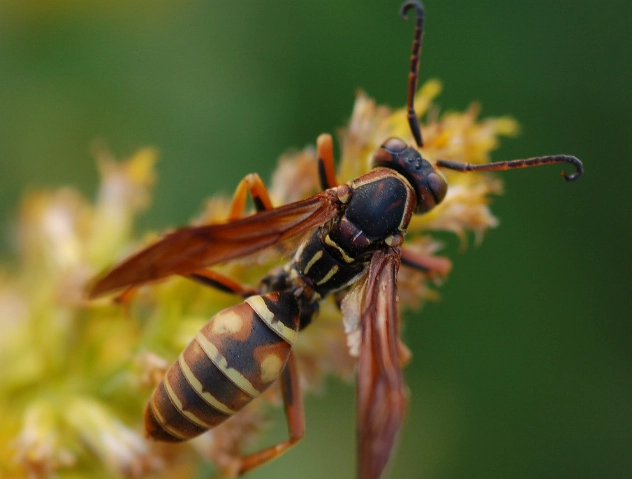
Proven Strategies to Prevent Wasp Stings
Treatment is reactive. Prevention is proactive and far less painful. Wasps aren't inherently aggressive; they sting in defense of their nest or if they feel threatened. Your goal is to avoid triggering that defense.
Modify Your Behavior (The Most Effective Tool)
- Stay Calm and Move Slowly. Flailing arms are perceived as a threat. If a wasp is circling you, walk away steadily.
- Watch Your Food and Drinks. Keep food covered outdoors, especially sugary drinks and meats. Check your drink can before taking a sip!
- Avoid Strong Scents. Perfumes, scented lotions, and brightly colored clothing can attract wasps.
- Wear Closed-Toe Shoes. Many painful stings happen from stepping on ground-nesting yellow jackets.
Manage Your Environment
If you find a nest on your property, you have a decision to make. A small, early-season paper wasp nest under an eave far from traffic might be left alone. A large yellow jacket nest in a garden wall or underground near a patio is a hazard.
For DIY Removal (Small, Accessible Nests Only):
- Act at night or very early dawn when wasps are less active and all inside.
- Wear protective clothing – thick layers, gloves, goggles, and a veil or hat with netting. This is non-negotiable.
- Use a commercial wasp spray with a long-range jet stream. Saturate the nest entrance according to the label.
- Do not stand directly underneath the nest. Retreat immediately after spraying.
- Leave the nest for 24 hours before removal.
When to Call a Professional: For any large nest, hard-to-reach nest (inside a soffit, wall cavity, or deep underground), or if you are allergic. It's worth the cost. A report from the National Pest Management Association highlights that improper DIY removal is a leading cause of multiple stings.
Your Burning Questions, Answered
How long does the pain and swelling from a wasp sting typically last?
The intense pain usually subsides within a few hours. Significant swelling peaks around 48 hours after the sting. For a normal local reaction, the redness and swelling should gradually improve and be mostly gone within 5-7 days. If swelling is still increasing after 48 hours or the area becomes increasingly red, hot, and tender, see a doctor to rule out a bacterial infection.
I got stung and the area is hot, very red, and I have a fever. Is this normal?
No, that's not a normal reaction to the venom itself. Those are classic signs of a secondary bacterial skin infection, like cellulitis. The puncture wound from the stinger can introduce bacteria deep under the skin. This requires prompt medical attention and likely a course of antibiotics. Don't wait it out.
What should I do if I'm in a remote area (like hiking) and get stung, far from medical help?
This is a serious scenario. Your priority is monitoring for signs of anaphylaxis. If you have a known allergy, you must carry two epinephrine auto-injectors. For anyone, carry a basic first aid kit with antihistamines (like Benadryl), ibuprofen, and antiseptic wipes. Clean the sting, take the antihistamine, and use a cold compress from a stream-cooled bandana if possible. If any systemic symptoms (throat tightness, dizziness) begin, you must activate an emergency locator beacon (like a PLB or inReach) or send someone for help immediately. The "wait and see" approach is too risky in the backcountry.
Are there any effective natural remedies for wasp stings?
Most have limited evidence. However, a paste made from unseasoned meat tenderizer containing papain (a enzyme derived from papaya) can sometimes help break down venom proteins if applied immediately. The key is "immediately." By the time you mix it up, the venom has often dispersed. My practical view? Don't waste time hunting for meat tenderizer in your pantry. Grab the ice pack first—it's consistently effective and buys you time. If you want to try the tenderizer later, fine, but don't prioritize it over cooling and cleaning.
How can I tell if my child is having an allergic reaction to a sting?
Watch for the same systemic signs: difficulty breathing, lip/face swelling, widespread hives, vomiting, or significant lethargy/confusion. Children may not articulate "my throat feels tight." They might say their "neck feels funny" or start coughing repetitively without a cause. Any behavioral change coupled with a sting is a warning. Err on the side of caution and seek medical evaluation for any concerning symptom.
LEAVE A REPLY
Your email address will not be published. Required fields are marked *