You're relaxing on your patio, and a cluster of bold red and black bugs catches your eye on the sunny side of your house. Or maybe you find a few indoors near a window. Your first thought might be alarm—are they dangerous? Will they bite? Should you call an exterminator? Take a breath. Most red and black bugs are more of a nuisance than a genuine threat, but knowing exactly what you're dealing with is the first step to peace of mind. This guide cuts through the confusion, helping you identify common culprits, understand their behavior, and implement effective, often simple, control strategies.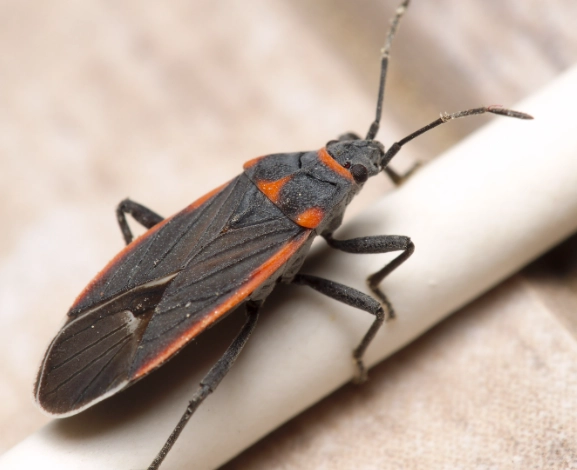
What You'll Find Inside
Why Correctly Identifying Red and Black Bugs Matters
Jumping straight to the bug spray is a classic rookie mistake. I've seen it dozens of times. A broad-spectrum insecticide might kill the bugs you see, but it's often overkill, can harm beneficial insects, and does nothing to stop the next wave if you haven't addressed the why. Proper identification tells you:
- Risk Level: Are they plant-eaters, minor home invaders, or potential biters? Spoiler: true biters in this color scheme are rare in North America.
- Source: Are they attracted to a specific tree (like a boxelder or maple), feeding on weeds in your garden, or just seeking winter shelter?
- Best Action: The right strategy for a Boxelder Bug is different from that for a Milkweed Bug.
Misidentification wastes time and money. Let's get you the right information.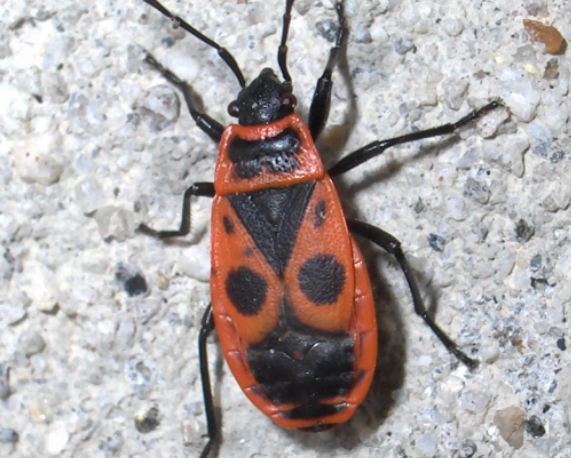
The Top 3 Red and Black Bugs You're Likely Seeing
Based on frequency of encounters across North America and Europe, these three are the usual suspects. Use the table below for a quick comparison, then we'll dive into the specifics.
| Bug Name | Key Identifying Features | Primary Habitat & Food | Nuisance Level |
|---|---|---|---|
| Boxelder Bug | Dark grayish-black with three distinct red lines on the thorax and red wing veins. Oblong shape, about 1/2 inch long. | Clusters on sunny walls. Feeds on seeds of boxelder, maple, and ash trees. | High in fall (seeking shelter). Can stain surfaces with feces. |
| Firebug | Bright red with a distinct black diamond and two black dots on its back. Rounder, shield-like shape. | Sunny ground, often near lime trees or mallows. Common in Europe, spreading in parts of North America. | Low. Mostly outdoors, rarely enters homes. No damage. |
| Small Milkweed Bug | Bright orange-red with a broad black band across its back and two black spots on the wings. Smaller than Boxelder Bug. | On milkweed plants (hence the name), feeding on seeds. Often in gardens or meadows. | Very Low. Stays on its host plant. Beneficial for monarch butterfly habitat. |
Boxelder Bug: The Fall Home Invader
This is the one that drives people crazy, especially from late summer into fall. They don't reproduce indoors, don't eat wood or fabric, and don't bite. Their crime? Wanting to overwinter in your nice, warm walls. They gather by the hundreds on south-facing siding, then sneak in through cracks.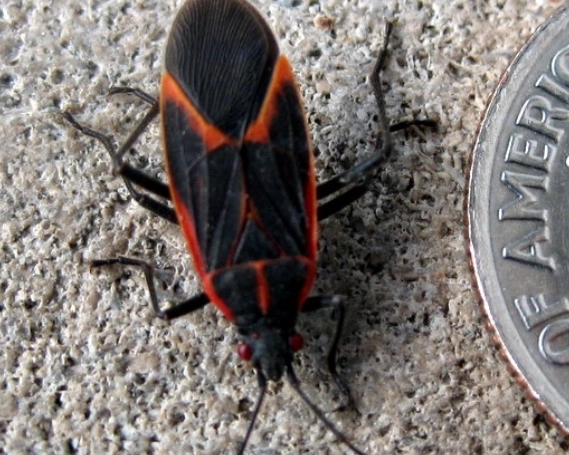
I once helped a friend who had a severe infestation on a house flanked by two large boxelder trees. The bugs were literally covering entire window frames. The long-term solution wasn't weekly spraying; it was discussing the removal of the female boxelder trees (the seed-producing ones they feed on) and a meticulous late-summer sealing of the house's exterior.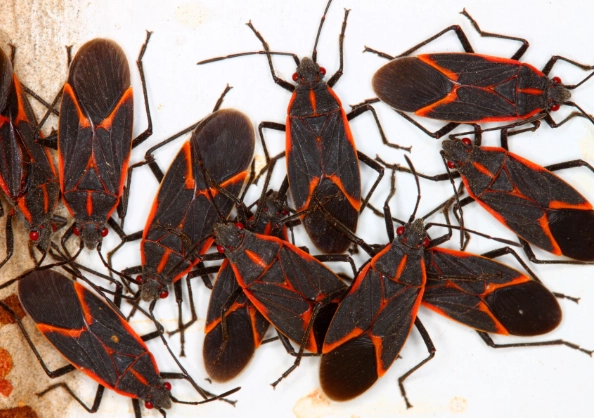
Firebug: The Mostly Harmless Sunbather
Often confused with a more dangerous insect due to its "fire" name and bold colors, the Firebug is largely innocuous. If you see these in North America, you're likely in the Pacific Northwest or a few northeastern states where they've been introduced. They form large, conspicuous groups on sunny patches of ground, tree trunks, or walls.
Here's the expert nuance: their grouping behavior is for thermoregulation and mating, not an assault on your home. They have piercing-sucking mouthparts but use them almost exclusively on seeds of specific plants like lindens. They are not a structural pest. My advice? Leave them be if they're outside. They're a curiosity, not a crisis.
Small Milkweed Bug: The Garden Visitor
If you're growing milkweed to support monarch butterflies, you'll almost certainly see these. They are specialized feeders on milkweed seeds. While they can be numerous, they compete only minimally with monarch caterpillars (which eat the leaves). In fact, their presence is a sign of a healthy native plant patch.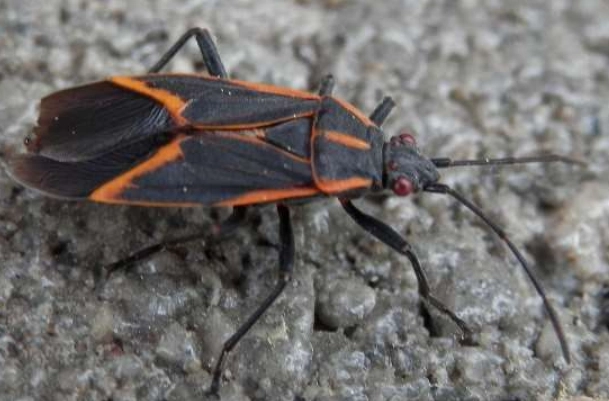
Control is rarely needed. If their numbers are overwhelming a small garden patch, you can physically remove them by hand into a soapy water bucket. Avoid insecticides, as you'll kill the monarchs and other pollinators you're trying to attract. This is a perfect example of where identification prevents an unnecessary and counterproductive battle.
Prevention First: How to Make Your Home Less Inviting
For bugs like Boxelders that seek shelter, an ounce of prevention is worth a pound of cure. This work is best done in late summer, before the cooling weather triggers their search for warmth.
- Seal the Fort: This is the single most effective step. Use high-quality silicone or silicone-latex caulk to seal cracks around window and door frames, utility pipes, siding joints, and foundation cracks. Pay special attention to the south and west sides of your house. Install door sweeps on exterior doors.
- Manage the Landscape: If you have female boxelder, maple, or ash trees on your property, consider if removal or replacement is feasible. At the very least, keep the area directly around your foundation clear of these trees and their fallen seeds. Keep vegetation and mulch beds away from the foundation to reduce habitat.
- Vent and Screen: Ensure attic and crawl space vents are intact and properly screened with fine mesh (1/8 inch or smaller). Repair any torn window screens.
I've found that most homeowners focus on the spray and ignore the seal. They'll spend $100 on insecticides but balk at a $10 tube of caulk. The caulk lasts years; the spray lasts days.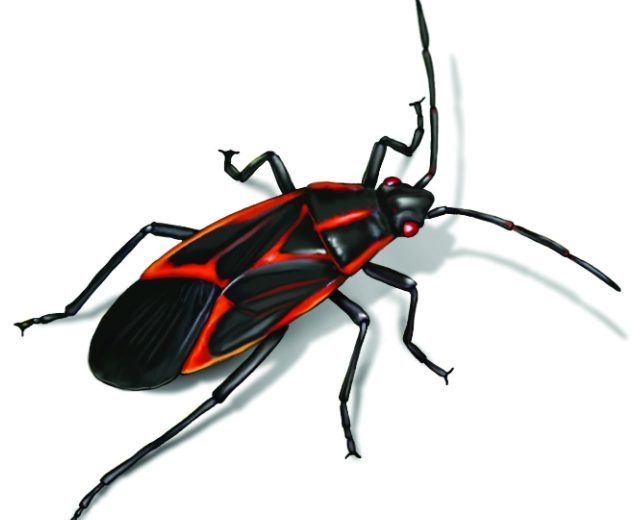
Safe Removal Tactics: From Vacuuming to Targeted Sprays
When bugs are already present, you need a safe removal plan.
For Indoor Intruders
The Vacuum Cleaner is Your Best Tool. Use a hose vacuum to suck up clusters on walls, curtains, or in corners. Immediately take the vacuum bag or empty the canister into a sealed bag outside. This avoids odor and stains. A shop-vac works great for this purpose.
Soapy Water Spray: For bugs on non-porous surfaces, a simple spray bottle with a mixture of dish soap and water (about 1-2 tablespoons per quart) can be remarkably effective. The soap breaks down their waxy outer coating and suffocates them. Spray directly, let them sit for a few minutes, then wipe or rinse away.
For Outdoor Populations
A strong blast from a garden hose can dislodge and disperse clusters on siding. For persistent outdoor populations on surfaces, a residual insecticide labeled for "boxelder bugs" or "exterior perimeter treatment" can be applied to siding, door frames, and other gathering spots. Look for active ingredients like bifenthrin, cyfluthrin, or lambda-cyhalothrin. Always follow the label instructions to the letter. Apply in late summer or early fall as a barrier treatment.
The professional approach isn't just about chemicals. It's the combination we've discussed: 1) Correct Identification, 2) Exclusion (sealing), 3) Habitat Modification, 4) Mechanical Control (vacuuming, hosing), and 5) Judicious, targeted use of pesticides only when needed. This IPM strategy from sources like University Extension services is more sustainable and effective long-term.
LEAVE A REPLY
Your email address will not be published. Required fields are marked *