You’re watering your houseplants or checking your vegetable seedlings, and there they are. Clusters of almost impossibly small, white, oval-shaped bugs, some with distinctive black spots, clinging to stems and the undersides of leaves. Your first thought might be, "What on earth are these?" followed quickly by, "How do I make them go away for good?"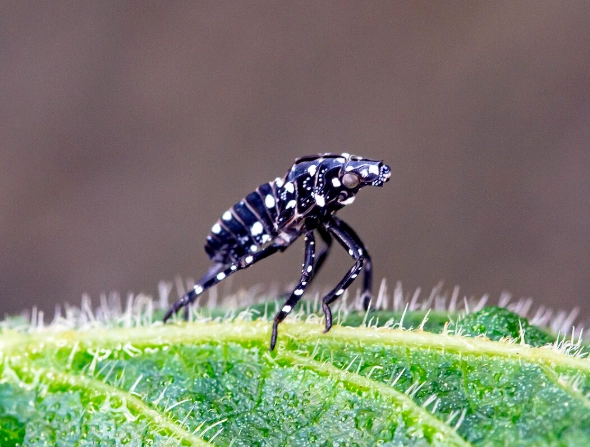
I’ve been gardening and dealing with household pests for over a decade, and I can tell you this sight is incredibly common. Most people jump straight to spraying something—anything—but that’s often the first mistake. Misidentification leads to wasted time, money, and sometimes more harm to your plants. Let's cut through the guesswork. This guide will walk you through exactly what you’re dealing with, why it’s a problem, and a step-by-step plan that actually works.
In this article
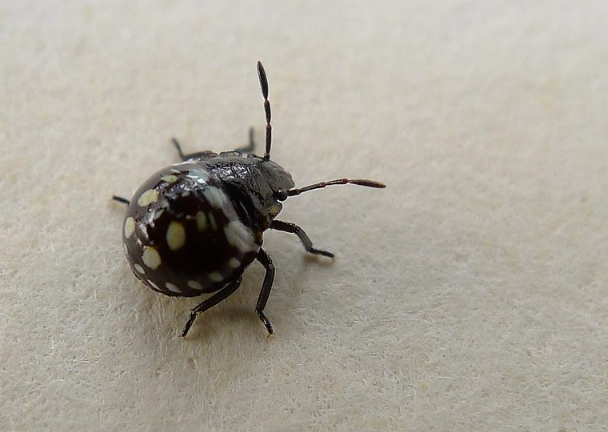
What Exactly Is This Tiny White Bug with Black Spots?
In nearly all cases, you’re looking at an aphid, specifically a nymph (young) stage. Adult aphids come in many colors—green, black, yellow—but the immature ones of certain species, like the Melon Aphid or Green Peach Aphid, often appear pale white, yellow, or light green. The black spots are actually their cornicles—the little "tailpipes" on their rear end—which are more prominent and dark in some species and stages.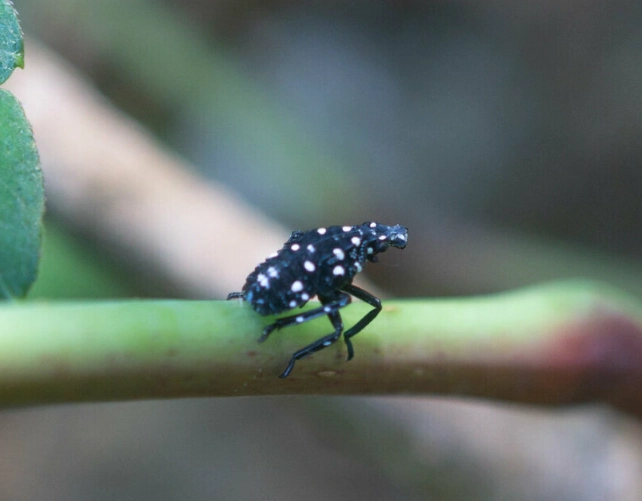
Here’s a quick breakdown to confirm:
- Size: Tiny. We’re talking 1-2 mm, about the size of a pinhead.
- Shape: Pear-shaped or oval, soft-bodied.
- Color: Pale white, yellowish, or light green. The key identifier is those two small black spots (the cornicles) on the back end.
- Location: Almost always in groups on new growth—the tips of stems, under young leaves, and flower buds. They’re lazy feeders and go for the easiest, most nutrient-rich sap.
- Other Signs: Look for sticky residue on leaves below (honeydew) and possibly black, sooty mold growing on that honeydew. You might also see ants farming them for the sweet honeydew.
Why Is This Little Bug Such a Big Pest?
Don’t let their size fool you. An aphid infestation is a triple threat to your plants:
- Sap-Sucking Damage: They pierce plant tissue and suck out the phloem sap. This weakens the plant, causing leaves to curl, yellow, wilt, and stunt growth. For seedlings or stressed plants, this can be fatal.
- Honeydew and Sooty Mold: They excrete huge amounts of sticky honeydew. This coats leaves, blocks sunlight, and attracts ants. The honeydew then grows black sooty mold, further inhibiting photosynthesis.
- Virus Transmission: This is the silent, most damaging threat. Aphids are notorious vectors for dozens of plant viruses (like mosaic viruses). They pick up a virus from an infected plant and inject it into the next healthy one they feed on. There is no cure for viral infections in plants.
I learned the hard way about viruses years ago. I had a minor aphid issue on some zucchini I thought was under control. I didn’t realize they had hopped to my precious heirloom tomato starts. Within weeks, the tomatoes were stunted and mottled with incurable mosaic virus. I lost the entire crop. Controlling aphids isn’t just about aesthetics; it’s about preventing irreversible disease.
How to Get Rid of Tiny White Bugs with Black Spots: A 4-Step Action Plan
Throwing insecticide at the problem is tempting but rarely the best first step. It can kill beneficial insects that would naturally control the aphids for you. Follow this escalating strategy.
Step 1: Immediate Physical Removal (For Light Infestations)
If you’ve caught it early, you can often solve the problem with no sprays at all.
- Blast Them Off: Take your plants outside or to a sink and use a strong jet of water from a hose or spray bottle to dislodge the aphids. They are weak and often can’t climb back. Do this every other day for a week.
- Prune and Destroy: For heavily infested stems or leaves, simply prune them off. Seal them in a plastic bag and throw them in the trash, not the compost.
- Manual Squishing: Wear gloves and run your fingers along stems, squishing colonies. It’s gross but effective for small, localized outbreaks.
Step 2: Deploy Natural and Organic Controls
When water alone isn't enough, bring in the reinforcements.
| Method | How It Works | Best Use Case & Notes |
|---|---|---|
| Insecticidal Soap | Coats and disrupts the insect's cell membranes, causing dehydration. Must contact the bug directly. | Excellent for spot treatment. Spray thoroughly, especially under leaves. Reapply every 4-7 days as needed. Test on a leaf first. |
| Neem Oil | Acts as an antifeedant and growth disruptor. Has some residual effect. | Good for broader prevention and mild infestations. Mix as directed. Avoid spraying in full sun or extreme heat to prevent leaf burn. |
| Beneficial Insects | Introduce natural predators like ladybug larvae, lacewings, or parasitic wasps. | Ideal for gardens or greenhouses. You can order them online from suppliers like Arbico Organics. Ensure you have a stable aphid population for them to eat. |
| Homemade Sprays (e.g., garlic/chili) | Repellent action. Efficacy is variable. | A last-resort home remedy. Can harm beneficial insects too. Consistency is key. |
Step 3: Cultural Practices for Long-Term Prevention
This is where you stop the cycle. Aphids love stressed, soft, over-fertilized plants.
- Fertilize Judiciously: Avoid high-nitrogen fertilizers that promote the tender, juicy growth aphids adore. Use balanced, slow-release formulas.
- Companion Planting: Plant aphid-repelling herbs and flowers like garlic, chives, catnip, and marigolds near susceptible plants.
- Encourage Beneficials: Plant a diversity of flowers (dill, fennel, yarrow, alyssum) to attract and sustain native predatory insects year-round.
- Regular Inspection: Make checking the undersides of new leaves part of your weekly plant care routine. Early detection is everything.
Step 4: When to Consider Chemical Insecticides
Reserve this for severe, persistent outdoor infestations where other methods have failed. Always choose the least toxic option first (like horticultural oil). Systemic insecticides (like those containing imidacloprid) are absorbed by the plant and kill pests that feed on it. They are effective but controversial because they can also harm pollinators like bees if applied to flowering plants. Never use systemics on plants that are blooming or will bloom, and always follow the label to the letter.
For houseplants, I almost never recommend systemics. The risks of overkill and creating pesticide resistance indoors are high. Sticking with Steps 1-3 is safer and more sustainable.
Your Top Questions, Answered
Spotting those tiny white bugs with black spots can be unsettling, but now you’re equipped not just to react, but to respond strategically. Start with the gentlest method—a strong spray of water—and escalate only as needed. Remember, the goal isn’t a sterile garden, but a balanced one where pests are managed naturally and your plants can thrive. Consistent observation and early intervention are your most powerful tools.
LEAVE A REPLY
Your email address will not be published. Required fields are marked *