Let's clear something up right away. If you're searching for "black bug orange," you're probably not looking for a new insect species or a weird fruit hybrid. You've likely stumbled into one of the most talked-about trademark disputes in recent memory—a case that perfectly illustrates how brand identity can collide in a messy, expensive legal battle. I remember when this case first made headlines; it was a classic example of two companies seeing the same market opportunity and reaching for the same branding tool. The result was a lawsuit that became a textbook study in brand confusion.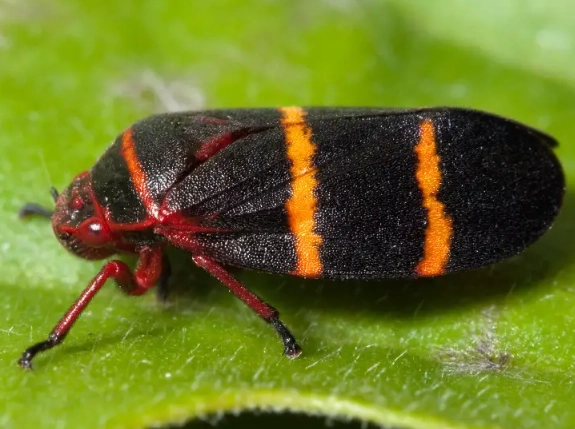
At its heart, the "Black Bug Orange" saga is the story of Black & Decker, the giant power tool company, and Orange, the UK-based telecommunications giant. It's about who gets to own a particular shade of orange in the public's mind, especially when it comes to cordless power tools. This isn't just legal trivia. For any business owner, marketer, or startup founder, understanding this case is like getting a free masterclass in how to avoid a branding disaster that could cost you everything.
What You'll Find Inside
What is the Black Bug Orange Case?
So, what happened? In the late 2000s/early 2010s, Black & Decker was pushing its "DeWalt" line of professional power tools, famously using a distinctive yellow and black color scheme. Around the same time, Orange (the telecoms company) started licensing its brand and its iconic orange color to a third-party manufacturer to produce a range of consumer power tools and gadgets—like cordless drills and screwdrivers—often sold in DIY stores.
Black & Decker cried foul. They argued that Orange's foray into power tools, using a bright orange color on the products, created a "likelihood of confusion" in the marketplace. Their claim was that an average consumer might see an orange power tool and think it was somehow associated with Black & Decker's DeWalt brand, or that it diluted the distinctiveness of DeWalt's established trade dress (the overall look and feel of a product that signifies its source).
The case wasn't about the name "Orange." It was about the color orange applied to a specific category of goods. Black & Decker's legal team had to prove that the color had acquired "secondary meaning"—that when people saw a particular orange on a power tool, they thought of DeWalt. They also had to show that Orange's use of a similar color would confuse people.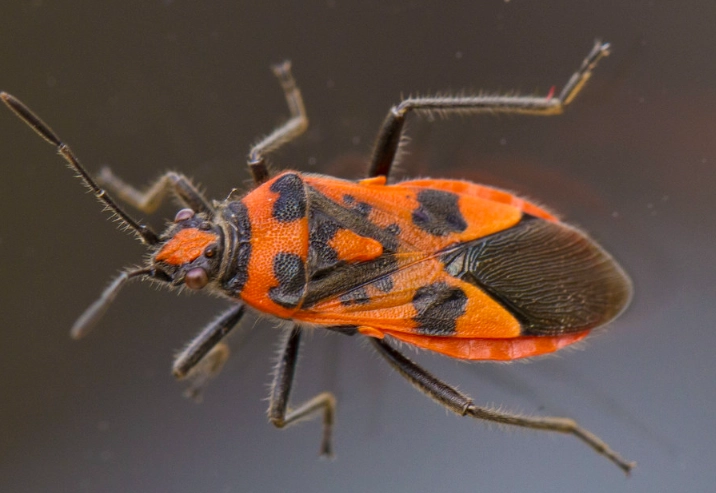
It was a tough fight. Trademark protection for a single color is notoriously difficult to secure and enforce. You can't just claim a color. You have to show years of exclusive use and massive public recognition. According to records from the UK Intellectual Property Office and summaries on Wikipedia, the dispute involved detailed surveys, consumer perception studies, and hefty legal arguments about the shades of orange used.
The Hidden Lessons Most Businesses Miss
Many legal summaries stop at the surface: "Two big companies fought over a color." But having advised startups for years, I see the same subtle mistakes repeated. The Black Bug Orange case exposes three critical, often-overlooked pitfalls.
1. Industry Borders Are Blurry (And Courts Know It)
The biggest mistake Orange might have made? Assuming that because they were a telecom company, their brand extension into power tools was safe. That's a classic, dangerous assumption. Courts today look at "natural zone of expansion." Could it be natural for a tool company to make communication devices for job sites? Absolutely. Could a telecom brand leverage its reputation for reliability into simple home tools? Seems plausible.
When you're brainstorming a new product line, don't just ask if it's your industry. Ask if a customer could reasonably believe a leader in *another* industry might logically move into your space. If the answer is yes, you have a potential Black Bug Orange situation.
2. Color is a Weapon (And a Liability)
Using a single, bold color as your primary brand identifier is a double-edged sword. It's incredibly memorable—think Tiffany blue or DeWalt yellow. But it's also incredibly hard to protect. The Orange case shows the limits. You need a mountain of evidence to prove that color alone points to you.
My non-consensus advice? Don't rely solely on color. Pair it with a unique shape, a distinctive pattern, or a specific graphic element. This "combination trade dress" is infinitely stronger in court. A unique orange tool with a specific grip texture and logo placement is protectable. "Orange power tools" as a concept is a legal minefield.
3. The "Consumer Confusion" Test is Subjective (And Expensive)
This is the core of any trademark case. Would a reasonably prudent consumer be confused? Proving this requires expensive market research surveys—the kind both Black & Decker and Orange had to commission. These surveys are battles of experts, each picking apart the other's methodology.
The hidden cost here is insane. Before you even get to the merits of your case, you can spend six figures just arguing about what confusion looks like. Most small businesses can't weather that. The lesson is prevention: conduct your own thorough trademark search, including for colors and designs in related fields, before you launch.
How to Avoid Becoming the Next Black Bug Orange
Let's get practical. You're launching a product. How do you steer clear of this mess?
First, think beyond text. When you do your trademark clearance, don't just type words into the USPTO or EUIPO database. You need to look at the design marks, the figurative marks. Search for your proposed color in the relevant product classes. Hire a trademark attorney who understands how to do a proper "likelihood of confusion" analysis. It's not a DIY project.
Second, build a composite identity. Let's say you love orange. Great. Use it. But make your brand unmistakable by combining that orange with a unique wordmark font, a specific symbol, and a consistent application style (e.g., "orange always appears as a matte finish on a black handle"). This creates a stronger, more defensible overall impression than color alone.
Third, document everything. From day one, keep records of your design process, consumer feedback, and sales figures. If you ever need to prove your brand has acquired distinctiveness, you'll need evidence of long-term, exclusive use and public recognition. Screenshots of customer reviews saying "I love your bright orange widget, I always know it's yours!" are gold in a potential dispute.
Finally, consider the court of public opinion. Even if you have a legally defensible position, is a fight worth the PR hit? Sometimes, the smartest move is to make a slight adjustment early on. A subtle shade change or adding a secondary color can avoid years of headache.
Your Burning Questions Answered
The Black Bug Orange story isn't about a bug or a fruit. It's a stark reminder that in business, your brand's visual identity is valuable property. Protecting it requires looking at the whole picture—words, colors, shapes, and the impression they create together. Ignoring any piece of that puzzle can lead you into a costly conflict that could have been avoided with smarter, earlier planning. Learn from the giants' stumble so your business can stand on firmer ground.
LEAVE A REPLY
Your email address will not be published. Required fields are marked *