Let's clear something up right away. When people ask "where do bed bugs come from," they're rarely asking for a biology lesson on their evolutionary origins. What you really want to know is much more immediate: how did these pests get into MY space, and how can I stop it from happening again?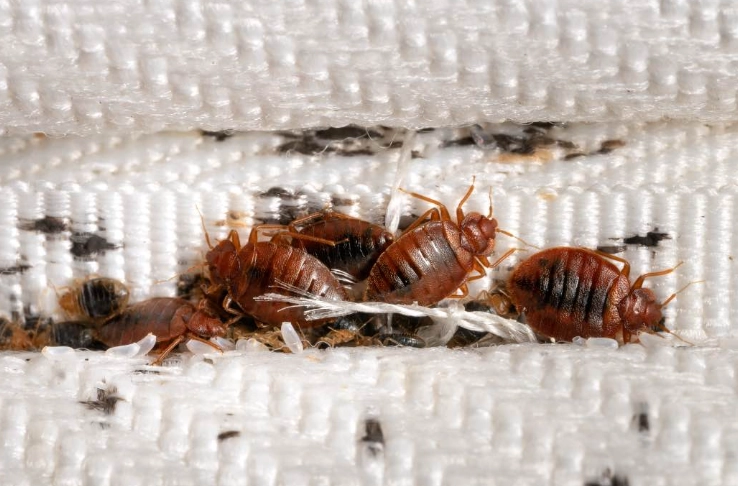
The short, frustrating answer is that bed bugs are master hitchhikers. They don't fly or jump, but they're incredibly good at clinging to fabrics, luggage, and furniture, catching a ride from an infested location right into your home. It has almost nothing to do with cleanliness and everything to do with bad luck and opportunity.
I've been in pest management for over a decade, and the number one mistake I see is people blaming themselves for an infestation, thinking it's a sign of a dirty house. That's a myth that needs to die. Let's focus on the real, actionable entry points.
What's Inside This Guide?
How Do Bed Bugs Travel and Spread? The Hitchhiker's Playbook
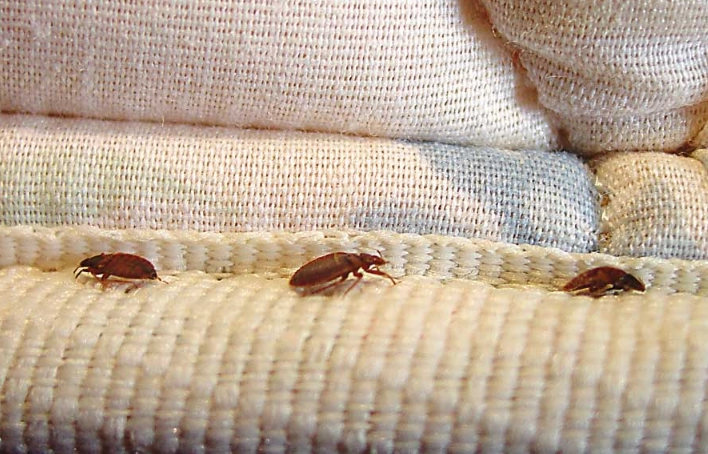
Understanding their method is half the battle. Bed bugs are passive travelers. They don't seek you out from miles away. Instead, they wait in harborages—seams of mattresses, behind headboards, in furniture joints—until a potential host (that's you) or a portable item comes close enough to climb onto.
Their flat, oval bodies are perfect for squeezing into tiny cracks, about the thickness of a credit card. This lets them hide in the most inconspicuous spots on your suitcase, backpack, or that second-hand nightstand.
The 7 Most Common Bed Bug Entry Points (Ranked by Likelihood)
Based on the cases I've handled, here’s where your problem most likely started.
1. Overnight Travel (Hotels, Motels, Airbnbs)
This is the champion, the undisputed top source. You stay in a room, your luggage sits on the floor, the bed, or a luggage rack. A bed bug crawls out of the mattress seam or headboard and into your bag's stitching or zipper area. You zip it up and bring them home. It doesn't matter if the place is a 5-star resort or a budget motel—bed bugs are equal-opportunity pests. I've found them in both.
2. Used Furniture and Mattresses
A "great find" from a curb, thrift store, or online marketplace can come with invisible tenants. Upholstered furniture (sofas, armchairs) and mattresses are the highest risk. Wood or metal furniture is less so, but you must inspect drawers, joints, and any fabric padding meticulously. The belief that a "clean-looking" item is safe is a major pitfall.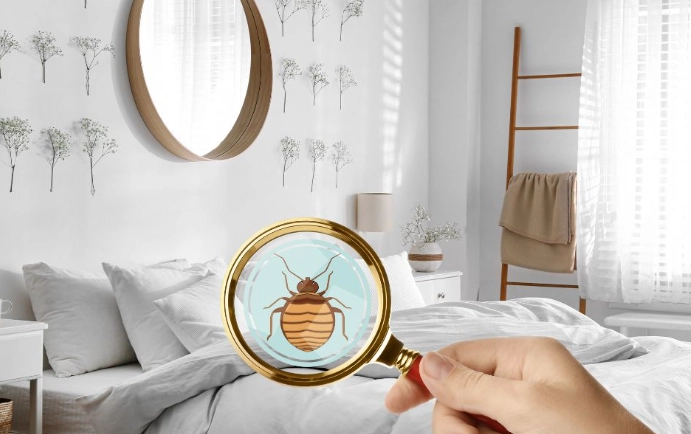
3. Multi-Unit Housing
If you live in an apartment, condo, or dorm, they can come from your neighbors. They travel through wall voids, electrical conduits, and pipe chases. An infestation in Unit 2B can, and often does, become a problem for 2A and 3B. This is why building-wide coordination is crucial, a point many landlords downplay.
4. Public Seating and Transportation
Think libraries, movie theaters, buses, trains (especially sleeper cars), and even taxis. You sit down, and a bug transfers from the seat to your coat, purse, or backpack. The risk is lower than an overnight stay but real, especially in high-traffic, rarely cleaned upholstery.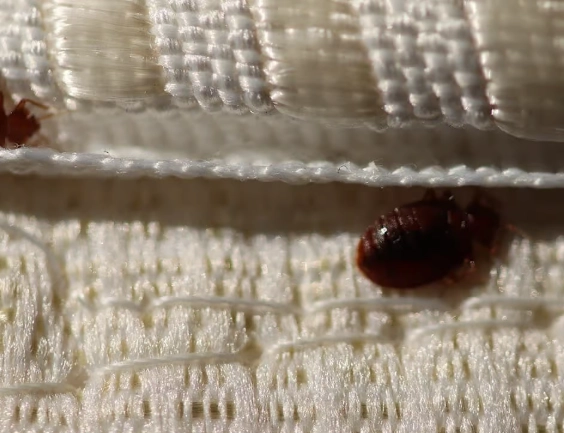
5. Workplaces and Schools
An employee or student brings them in from their infested home. The bugs then spread to office chairs, teacher lounges, or locker rooms. Break rooms with plush chairs are common hotspots. People then inadvertently bring them home, completing the cycle.
6. Guests and Visitors
A friend or family member visits, their coat draped over your bed or their overnight bag in the guest room. They might have no idea their home has a low-level infestation. It's an awkward situation but a common vector.
7. Laundry Facilities
Shared laundry rooms in apartments or laundromats. Bugs can crawl from an infested person's laundry basket or a contaminated sorting table into yours. Always use a new, clean bag for transporting laundry to and from shared facilities.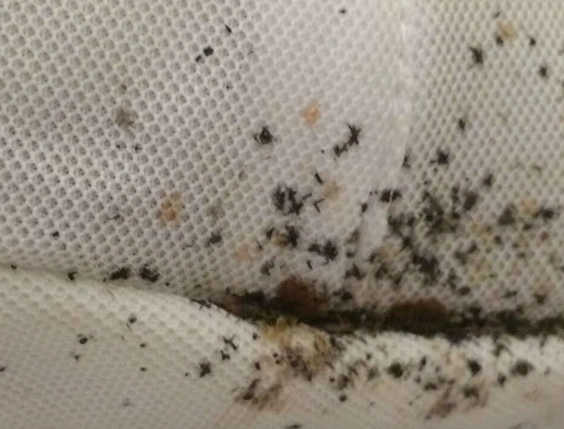
Myths vs. Facts: Where They DON'T Come From
Let's squash some bad information that causes unnecessary panic.
Myth: "They come from dirt and filth." Fact: They come from other infested areas, period. Clutter gives them more places to hide, but a pristine home is just as vulnerable if you bring them in.
Myth: "Pets bring them in from outside." Fact: Bed bugs prefer human blood. While they can bite pets, Fido isn't trotting in with them from the yard. Their primary mode of transport is human-associated items.
Myth: "They fly in through windows." Fact: Bed bugs have no wings and cannot fly. They are strictly hitchhikers.
Myth: "You can smell a strong odor if they're around." Fact: A musty, sweet smell is a sign of a severe, established infestation. By the time you smell it, you've had them for a while. Visual inspection is far more reliable for early detection.
Your Proactive Prevention Checklist
Knowledge is useless without action. Here’s what to actually do.
- After Travel: Unpack directly into a large, empty trash bag. Take clothes from the bag and run them through a high-heat dryer cycle for 30 minutes before washing. Inspect your luggage thoroughly, especially seams and pockets. Consider a hard-shell case.
- Inspecting Second-Hand Items: Use a bright flashlight and a credit card to run along seams. Look for live bugs (apple seed size), translucent shed skins, or tiny black fecal spots (like a marker dot). Refuse anything with signs.
- At Home: Use high-quality, climb-up interceptors under the legs of your bed. They trap bugs trying to climb up, acting as an early warning system. Reduce clutter around beds and sofas. Regularly vacuum, especially along baseboards and mattress edges.
- For Multi-Unit Dwellers: Seal cracks and crevices in walls, baseboards, and around pipes with caulk. This doesn't guarantee they won't get through, but it reduces easy highways.
Remember, the goal isn't to live in fear, but to build smart habits. The U.S. Environmental Protection Agency's bed bug page is a solid resource for verified information, but their guidance can be general. The checklist above is the distilled, practical version from the field.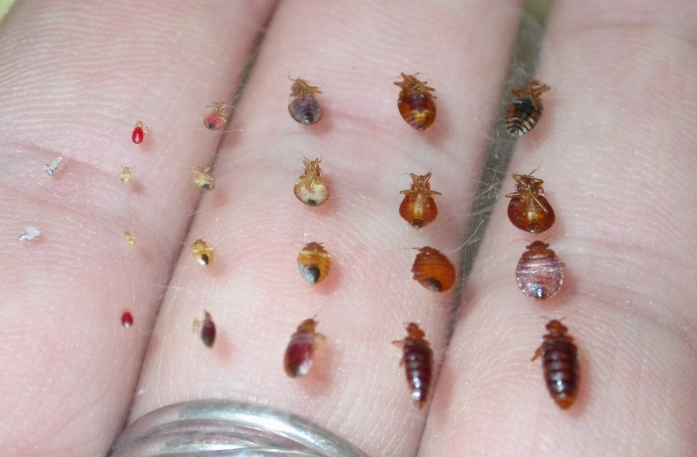
Expert Answers to Your Burning Questions
Figuring out where bed bugs come from is less about finding a single villain and more about understanding a pattern of vulnerability. They exploit our mobility and our connections. By shifting your mindset from reaction to proactive, informed prevention, you take back control. Start with the travel routine and the bed interceptors. Those two steps alone will put you miles ahead.
LEAVE A REPLY
Your email address will not be published. Required fields are marked *