You know the scene. It's a crisp fall afternoon, the sun is hitting the side of your house just right, and you notice a small, shield-shaped bug slowly crawling up the siding. Then you see another. And another. Before you know it, there's a small congregation forming near a window frame. You've just met the brown marmorated stink bug, an uninvited autumn guest that's become a notorious home invader across North America and beyond. I've dealt with these smelly pests for years, both in my own home and helping neighbors, and I can tell you the standard advice often misses the mark.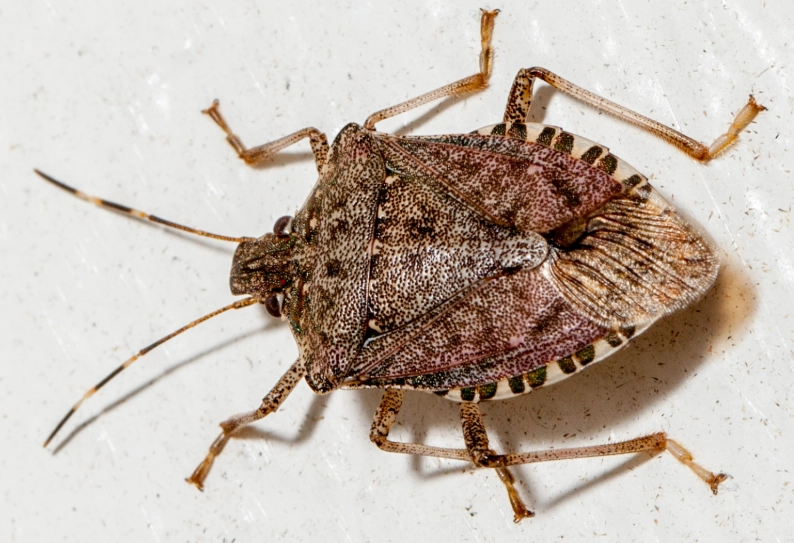
What You'll Find in This Guide
What Exactly Is a Stink Bug?
Let's clear up confusion first. "Stink bug" refers to a whole family of insects (Pentatomidae), but the one causing headaches for homeowners is almost always the Brown Marmorated Stink Bug (BMSB), an invasive species from Asia. It's not your local, benign stink bug. Identifying the right culprit is step one.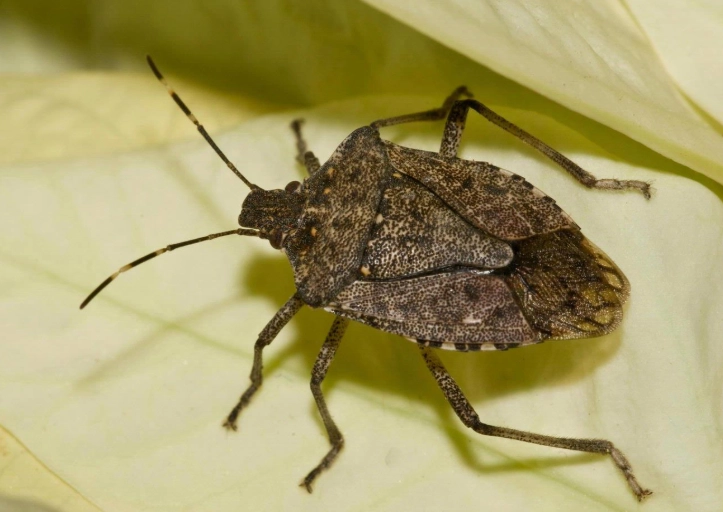
Here’s what to look for:
- Shape: The classic shield or medieval knight's armor shape. It's flat and broad.
- Color: Mottled brownish-gray, a sort of marble pattern (that's "marmorated" for you).
- Size: About 3/4 of an inch long – roughly the size of a dime.
- Markings: The dead giveaway? Light and dark bands on the antennae and a smooth edge along the shoulder (the pronotum). Native stink bugs often have jagged, pointed shoulders.
- Odor: The infamous smell. It's a pungent, cilantro-like odor released from glands on their thorax when threatened or crushed.
Pro Tip: Don't just glance. Get close (but don't touch!). Check those antennae for bands. That single feature is the fastest way to confirm you're dealing with the invasive BMSB and not a native species that might actually be beneficial in your garden.
They have one primary goal as summer ends: find a warm, protected spot to wait out the winter. Your attic, wall voids, and living room curtains look like a five-star hotel to them. This behavior is called overwintering.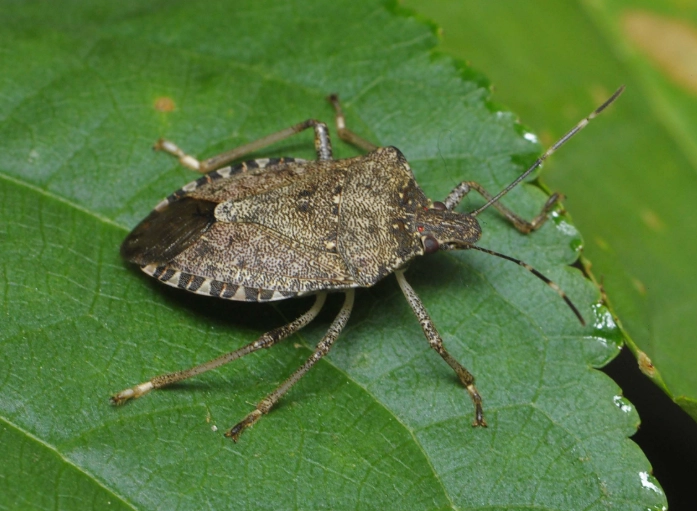
Why Stink Bugs Are More Than Just a Nuisance
Okay, so they're ugly and smell bad. Big deal? Actually, yes. The problem operates on three levels.
1. The "Yuck" Factor & Home Invasion
This is the most immediate issue. They don't bite or sting, but they fly erratically, buzz loudly, and crawl on everything. Finding them in your bedsheets, lampshades, or simply having a dozen gathered on a sunny window is deeply unsettling. They stain curtains and walls with their excrement. The smell, while not harmful, is persistent and can permeate a vacuum cleaner bag or a room if many are crushed.
2. Agricultural & Garden Damage
This is where the real economic damage happens. BMSBs are piercing-sucking insects. They use their needle-like mouthparts to tap into fruits, vegetables, and crops, injecting digestive enzymes and sucking out the juices. This leaves behind ugly, scarred, and mushy spots. According to research from institutions like Penn State University's Extension program, they've caused millions in damage to apple, peach, corn, and soybean crops.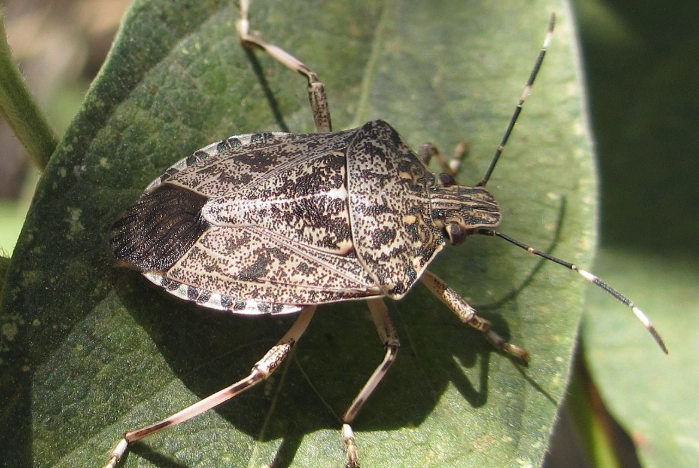
3. The Allergen Potential
This is the less-talked-about issue. When large numbers die in wall voids or attics, their decomposing bodies can become a source of allergens. Dust containing particles from these bugs can trigger allergic reactions or asthma in sensitive individuals. It's not common, but it's a valid concern with a major infestation.
How to Get Rid of Stink Bugs (Indoors & Out)
Now, the action plan. The biggest mistake is reaching for a can of spray insecticide indoors. It's overkill, creates chemical exposure, and often just causes them to release their odor before dying somewhere inaccessible. We need smarter tactics.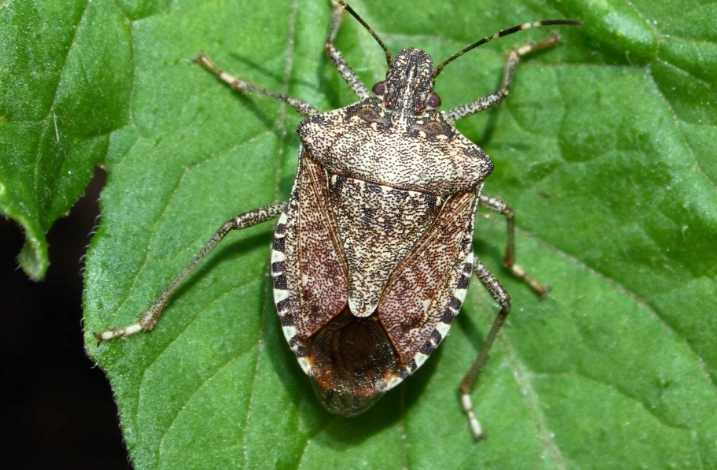
Indoor Elimination: The No-Stink Methods
For bugs already inside your living space, you want quick, clean, and odorless removal.
- The Soapy Water Trap: This is your best friend. Fill a wide-mouthed jar, bowl, or old coffee can with an inch or two of water and a generous squirt of dish soap. When you see a stink bug, gently knock or guide it into the soapy water. The soap breaks the surface tension, so the bug sinks and drowns quickly without a chance to stink. No odor, no mess.
- The Vacuum Trick – Done Right: Yes, you can use a vacuum, but with a critical hack. Never use your main household vacuum. The smell will linger for weeks. Instead, use a small, cheap, handheld vacuum dedicated to this purpose. Immediately after vacuuming a few bugs, take the canister outside, empty it into your soapy water jar, and rinse it. Some people even put a knee-high nylon stocking over the wand end, secured with a rubber band, so bugs get trapped in the stocking before hitting the canister – just turn it inside out into soapy water.
- Physical Removal: If you're brave, pick them up with a tissue or paper towel and flush them. The key is swift, confident pressure – hesitation can trigger their defense mechanism.
Stop Doing This: Do not crush them on your wall or floor. Do not spray them with general indoor insecticides. These actions guarantee the smell will spread and linger, and the insecticide won't prevent more from coming in.
Outdoor Reduction & Perimeter Defense
This is about managing the population before they get in. Insecticides can play a targeted role here, but timing and location are everything.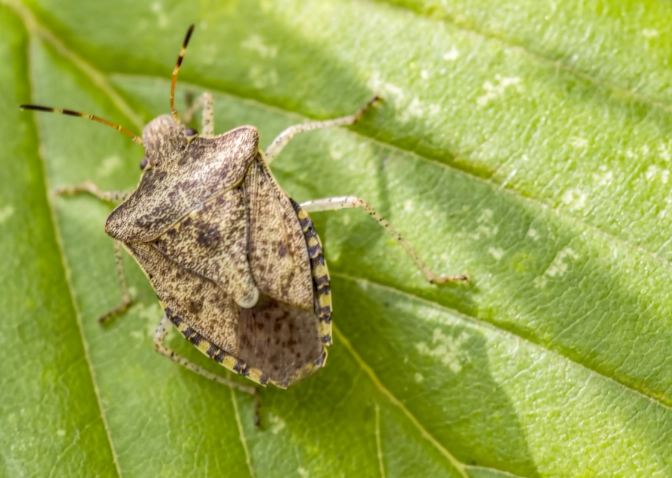
The most effective window for outdoor treatment is late summer to early fall (think September), when they start aggregating on sun-warmed surfaces before seeking entry.
| Target Area | Recommended Action | Why It Works |
|---|---|---|
| Window & Door Frames | Apply a residual insecticide spray (like those containing lambda-cyhalothrin or bifenthrin) to the exterior trim, siding, and overhangs. | Creates a chemical barrier. Bugs crossing it will be killed or repelled before finding a crack. |
| Foundation & Entry Points | Spray a 3-5 foot band around the home's foundation, focusing on areas where utilities pipes or cables enter. | Intercepts bugs crawling up from the ground. |
| Attic Vents & Soffits | Ensure vents are tightly screened. Apply light spray around vent openings. | These are prime entry highways. Screening is physical defense, spray is chemical backup. |
Consider consulting your local cooperative extension service for specific product recommendations suited to your region. They provide science-based, unbiased pest management advice.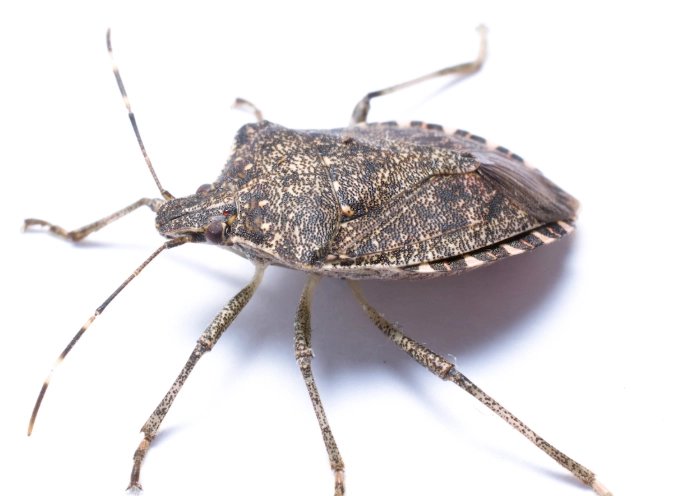
Building a Fortress: How to Prevent Stink Bugs
Elimination is reactive. Prevention is the holy grail. This isn't a one-time task; it's a seasonal home maintenance ritual. I do this every August, without fail.
The Golden Rule: Seal Every Gap You Can Find. Stink bugs can flatten themselves and squeeze through openings as narrow as 1/8 of an inch. Your mission is to find and seal those openings.
- Do a Daylight Audit: On a bright day, go inside a dark room and look for any pinpricks of light around windows, doors, and walls. Every spot of light is a potential bug highway.
- Sealants Are Your Best Investment: Use high-quality silicone or silicone-latex caulk to seal cracks around window and door frames, siding, utility penetrations, and foundation joints. For larger gaps, use copper mesh, foam backing rod, or expandable spray foam.
- Upgrade Weatherstripping: Install tight-fitting weatherstripping around all exterior doors and operable windows. The rubber or vinyl bulb kind works well.
- Screen Everything: Repair any tears in window and door screens. Install fine mesh screening (20 mesh or finer) behind attic vents, gable vents, and crawl space vents.
- Mind the Landscape: Trim back tree branches and shrubs that touch your house. These are literal bridges for bugs to climb onto your siding.
It's tedious, I won't lie. But sealing a hundred tiny cracks is infinitely more effective and longer-lasting than spraying gallons of insecticide after they're already partying in your attic.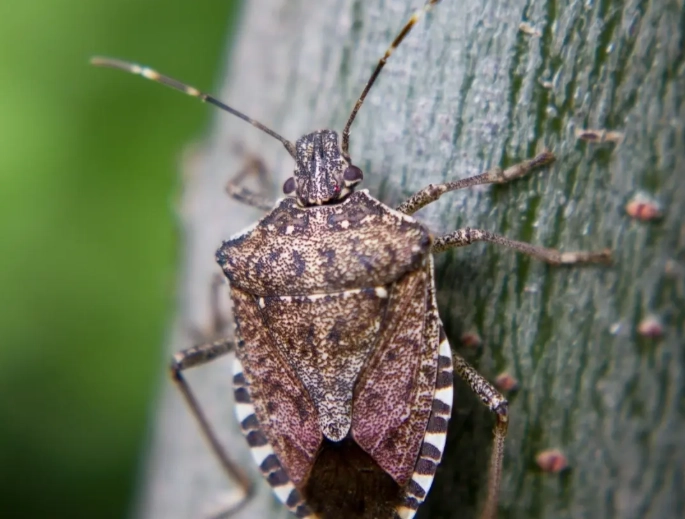
Common Mistakes That Make the Problem Worse
After talking to countless frustrated homeowners, I see the same errors repeated.
Mistake 1: The Fall-Only Mindset. You seal your house in October after seeing bugs. By then, thousands may already be inside your walls, ready to emerge on warm winter days. Prevention starts in late summer, before the mass migration.
Mistake 2: Relying Solely on Bug Zappers or Light Traps. These can kill some, but they also act as a beacon, attracting more bugs to your property from a distance. Placing them away from the house might help a little, but they're not a standalone solution.
Mistake 3: Using the Wrong Insecticide Indoors. Foggers and broad-spectrum sprays are useless against an invasion. They don't reach the bugs hiding in voids, and they create unnecessary risk for people and pets. Targeted perimeter spraying outdoors and physical removal indoors is the correct combo.
Mistake 4: Ignoring the South and West Sides. Stink bugs love sun-warmed surfaces. The south and west-facing sides of your house will always see the most activity. Double-check sealing and consider applying your outdoor barrier spray most diligently on these sides.
Your Stink Bug Questions Answered
The battle against stink bugs is one of diligence, not drama. It's about shifting from panic each fall to a calm, systematic routine of exclusion and smart, targeted action. Forget the myth of a single magic spray. Your most powerful weapons are a tube of caulk, a jar of soapy water, and the knowledge of how these persistent bugs operate. Start your perimeter checks in late summer, seal relentlessly, and you'll reclaim your peaceful, stink bug-free home.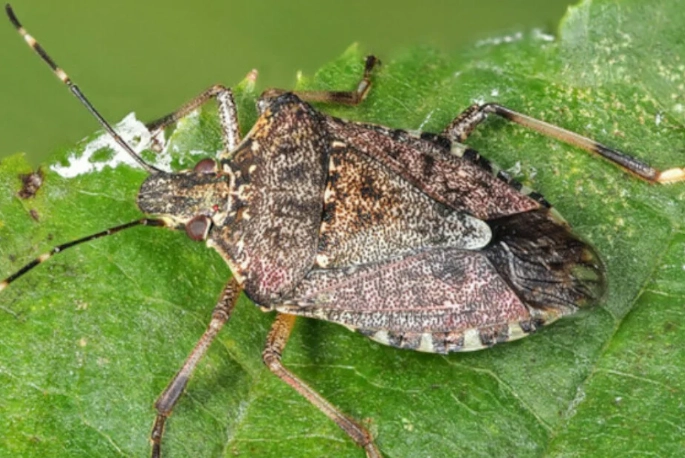
LEAVE A REPLY
Your email address will not be published. Required fields are marked *